Harmonious evolution: 3D printed guitar bodies reshape the future of sound
For centuries, guitar making has relied heavily on skilled craftsmen carefully shaping woods like mahogany, maple, and spruce. This tradition, filled with legend and mystery, determines much of what we think of "Good tone." Yet there’s a quiet revolution underway in workshops and digital design studios, fueled by advanced manufacturing: the rise of 3D-printed guitar bodies. This isn’t science fiction; It’s an emerging reality that promises unparalleled customization, innovative soundscapes, and a sustainable future in instrument manufacturing.
Beyond Wood: Technology Reinventing Guitar Construction
3D printing, especially Selective Laser Melting (SLM) and advanced polymer printing enable a new approach to guitar body creation:
-
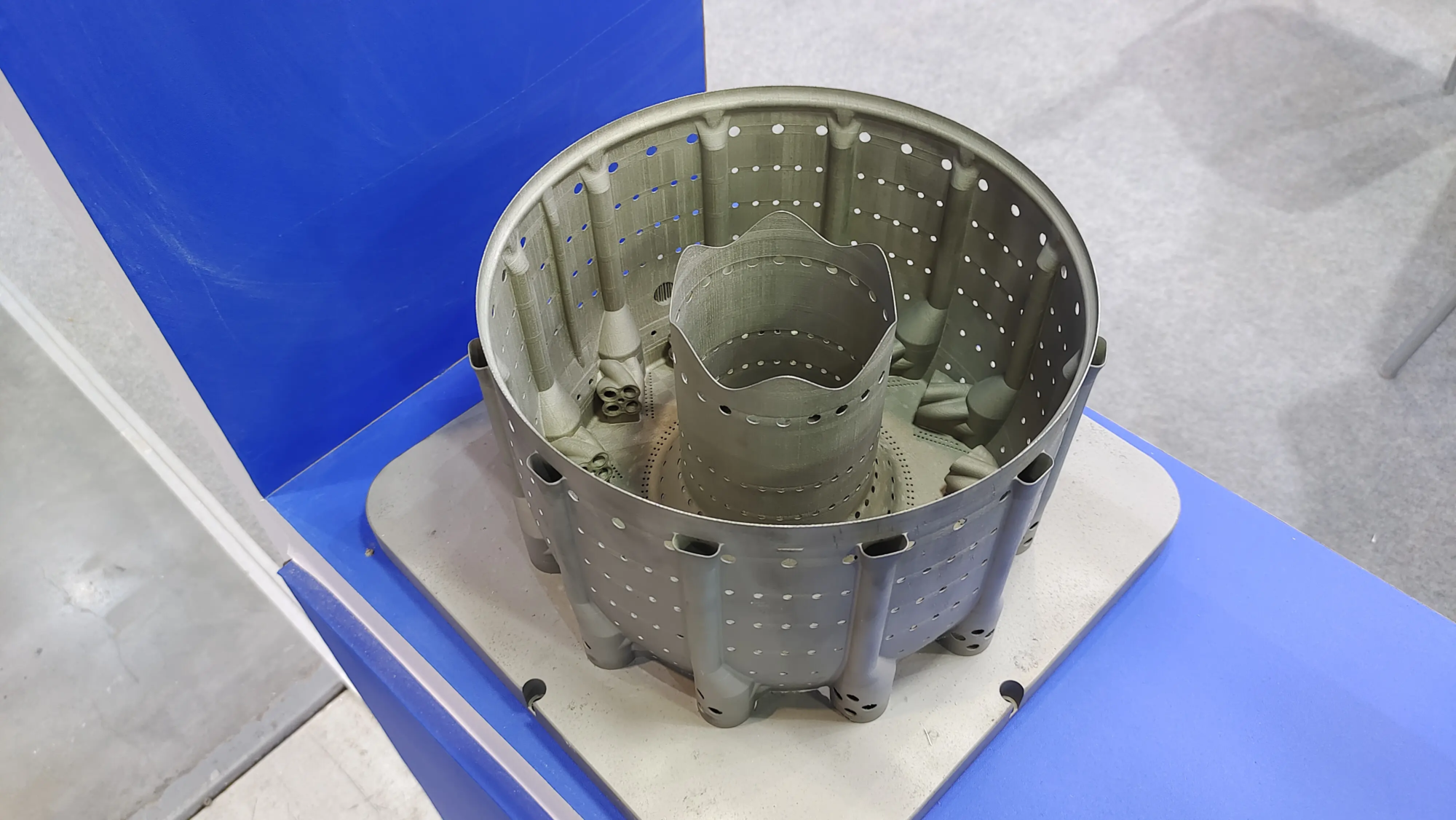
Release complexity: Unlike CNC machining, which reduces material, 3D printing adds material layer by layer. This makes complex internal geometries impossible to carve out of wood – optimized support pattern, honeycomb lattice weight "")
Reduced, integrated cable routing channels or internal resonance chambers precisely tuned for specific tonal targets. Imagine an acoustic chamber designed like a violin’s f-hole, but buried within the solid body of an electric guitar. -
Materials Science Symphony: The color palette goes well beyond traditional woods:
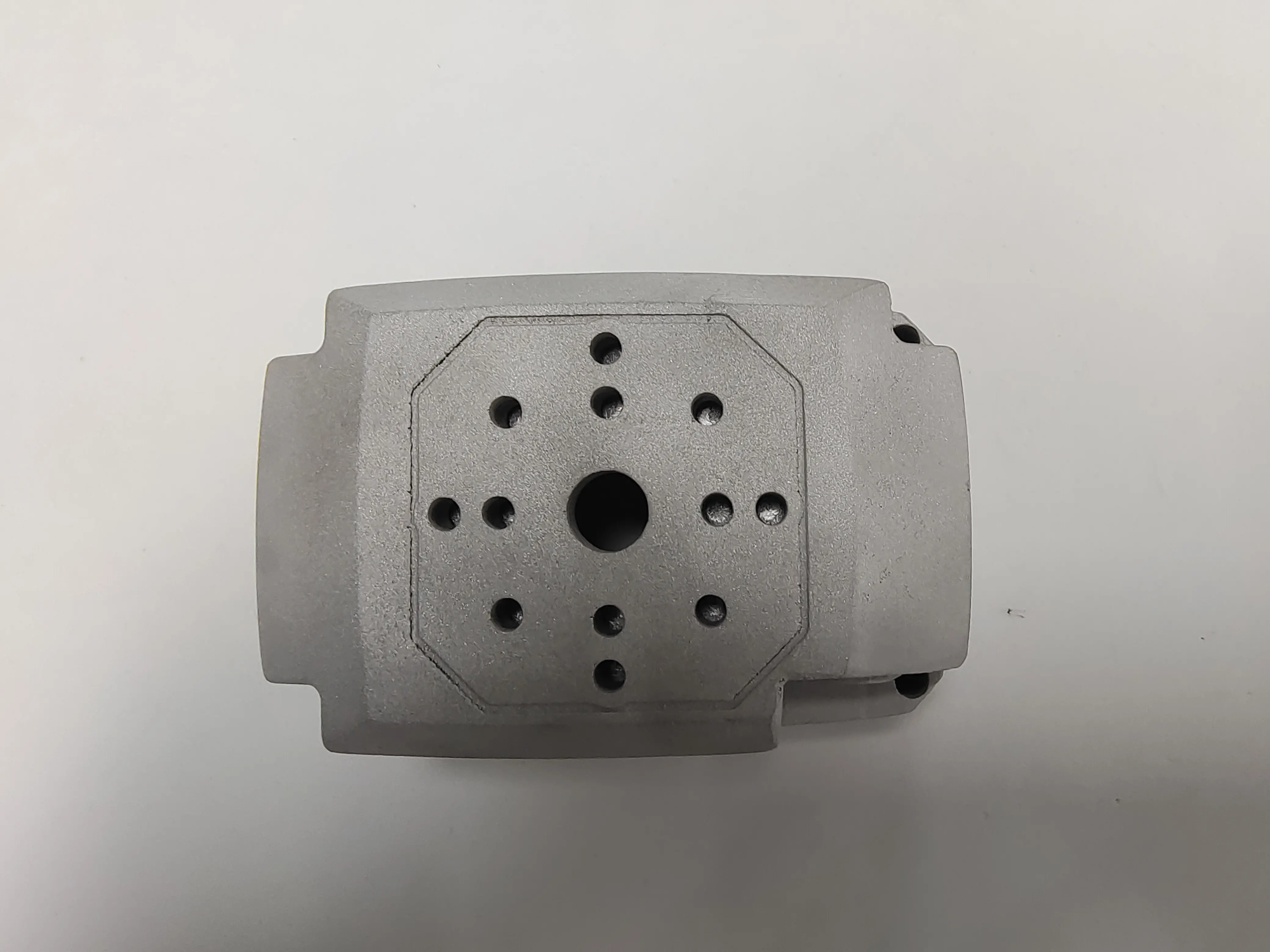
- Metal (SLM): Aluminum, titanium, and steel offer incredible strength-to-weight ratios, unique sustain characteristics (often brighter and more resonant), and extreme durability. SLM printers use powerful lasers to melt fine metal powders to create dense, complex metal structures ideal for strong guitar bodies.
- Advanced Polymers and Composites: Nylon-based material filled with carbon fiber
киш or fiberglass provides rigidity, dimensional stability and resistance to moisture changes. They can mimic the feel of wood or offer entirely new textures and finishes. - Printing on multiple materials: Future frontiers include printing using combinations of materials within a single body, embedding damping elements or sensors directly into the structure.
- Completely customizable: Personalization is at an unprecedented level. Players can customize not only the aesthetics, but also the ergonomic contours, weight distribution (critical for comfort during long playing sessions), and even the acoustics to desired tonal characteristics. This perfectly caters to niche types or players with specific physical needs. Personalized production can be scaled up without high costs.
The Sound Debate: Myth vs. Measurable Reality
The most important question revolves around the sound: Can a plastic or metal body match the rich, organic tone of carefully selected tonewoods?
The answer is subtle and evolving:
- Consistency and Control: 3D printing offers unprecedented consistency. every