Gunmaking Frontier: Legal Battle Over 3D Printed Gun Frames
The advent of 3D printing heralds a revolution in manufacturing – rapid prototyping, decentralized production and unprecedented customization. However, few applications have generated as much controversy as 3D printing gun parts, particularly frames and receivers. These critical components house the firing mechanism and provide the legal definition of a firearm in jurisdictions such as the United States. As technology advances at a rapid pace, regulators scramble to respond, triggering complex legal battles involving innovation, public safety and constitutional rights. Companies like us at the forefront of advanced manufacturing are navigating this landscape by raising awareness of the ethical and legal implications.
Uncovering the 3D printing framework: from concept to controversy
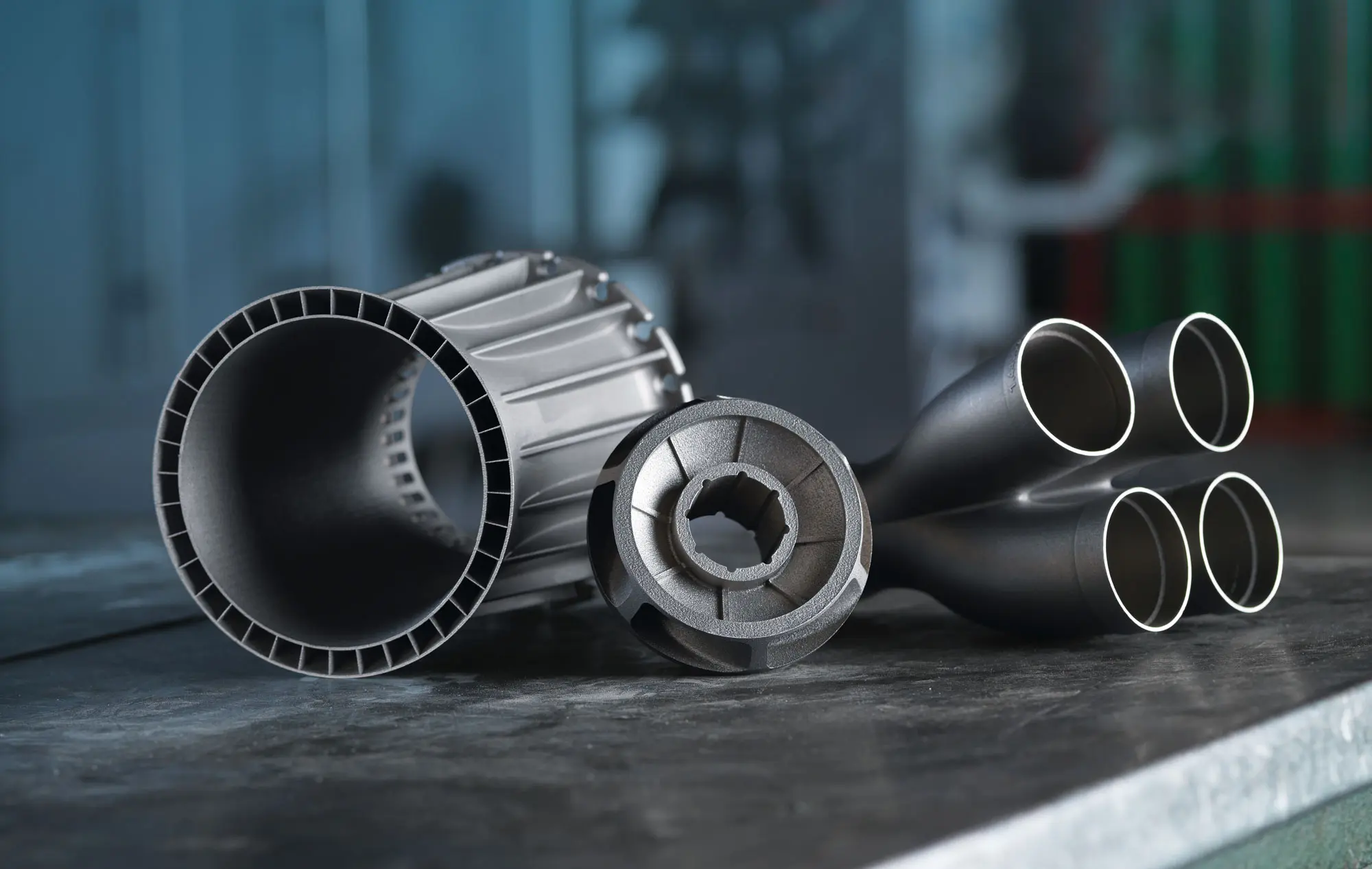
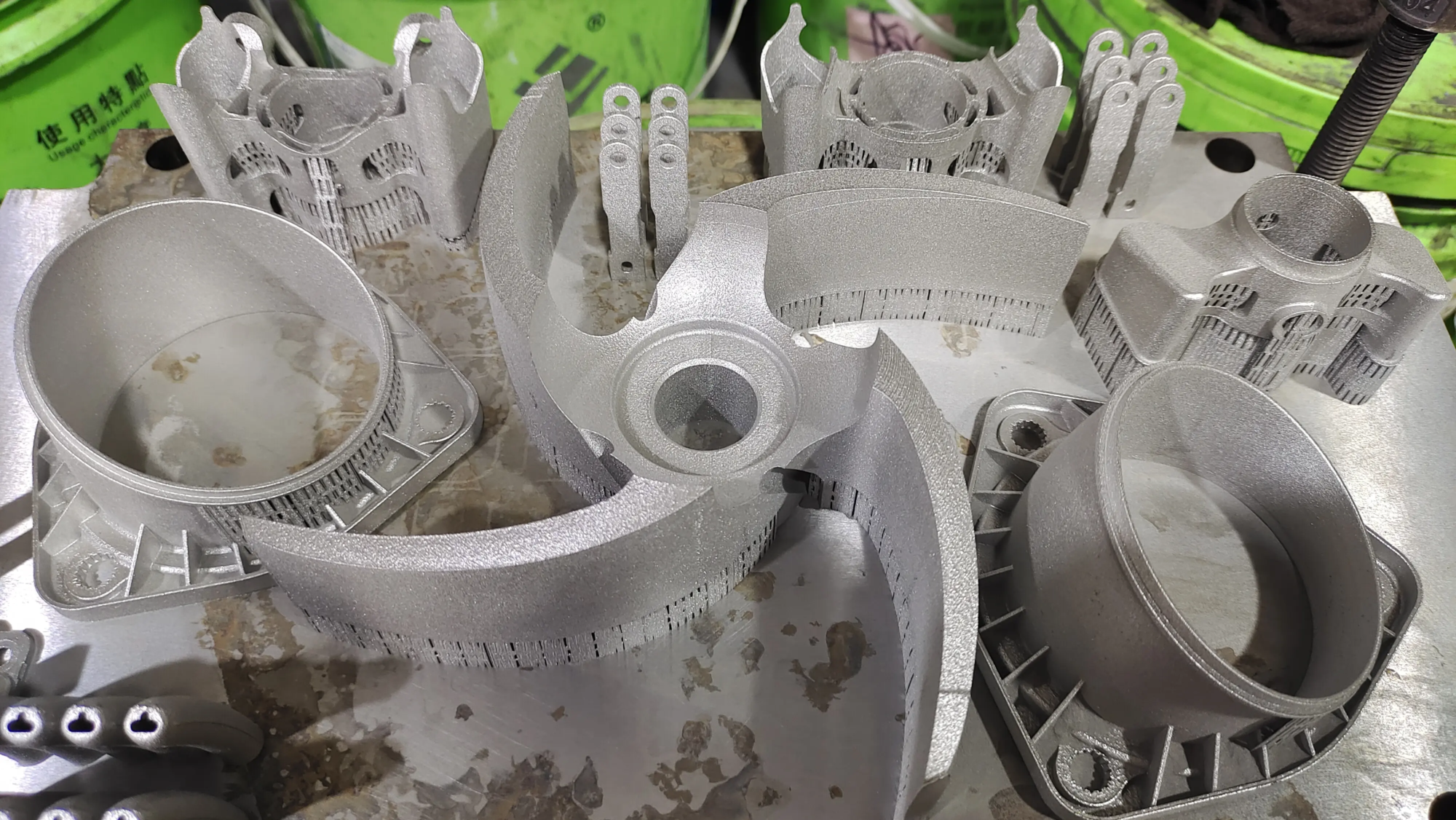
Unlike fully 3D printed guns, printed frame (or receiver) forms the core structural pillar of the weapon. Early attempts utilized fused deposition modeling (FDM) and thermoplastics such as PLA or ABS. While revolutionary in terms of accessibility, these polymer frames suffered from severe limitations—structural flaws often caused them to become unreliable and unsafe after minimal use. With the rise of industrial metal additive manufacturing (AM), the technology landscape has undergone profound changes. The process is like Selective Laser Melting (SLM)we at GreatLight specialize in using high-power lasers to fuse fine metal powders layer by layer. This provides parts with superior density and mechanical properties that approach or match traditional forged metals. Metal 3D printed frames are strong, durable, and functionally equivalent to milled frames, fundamentally changing the perceived threat profile.
This technological leap, particularly in durable metal frames, raises a core controversy: Do unregulated, anonymously produced guns pose unacceptable public safety risks? Or do they embody fundamental freedoms protected by law? The conflict is at the heart of the ongoing legal battle.
The American legal scene: a tangled web of rulings and regulations
The American legal saga largely revolves around codified gun designs, specifically digital blueprint documents shared online.
- Distributed Defense and the Libertarian Spark: Cody Wilson and his organization Defense Distributed are doing this by publishing things like "savior" In 2013, the U.S. State Department quickly intervened under the International Traffic in Arms Regulations (ITAR) and believed that this constituted illegal arms exports. This sparked a protracted legal battle.
- this "ghost gun" Dilemma: Guns that are made at home using kits of parts or completely manufactured (e.g. by 3D printing) are often called "ghost gun" Background checks were bypassed due to lack of serial numbers. While U.S. federal law (since 1968) generally allows individuals to manufacture firearms for personal use without serialization, distributing documentation and commercial kits presents complications.
- Federal Coaster: A lawsuit over State Department censorship culminated in a controversial settlement in 2018 that allowed Defense Distributed to resume publishing documents. Subsequent governments alternately tightened and loosened controls. Recent ATF rules target outstanding frames/receivers (e.g. "80% reduction") and commercial kit sellers, requiring serialization and background checks—rules that have been hotly contested in court.
- National level patchwork: States have enacted different restrictions, often much stricter than federal rules. California mandates serialization of all homemade firearms. New York explicitly bans the manufacture of undetectable firearms, including certain 3D-printed firearms. Pennsylvania ban "The gun is not marked