Unleashing the Potential: Exploring the Complex World of 3D Printed Gun Mount Design
Advances in additive manufacturing have penetrated countless industries, and firearms enthusiasts and professionals are no exception. Among its many applications, designing and producing custom gun stocks through 3D printing has become a fascinating niche, offering unprecedented levels of personalization and iterative improvements. This technology enables creators to develop solutions tailored to specific firearms, mounting systems, angles, and organizational needs. Navigating this field, however, requires a nuanced understanding of design principles, materials science, legal frameworks, and manufacturing capabilities. Let’s delve into the intricacies of 3D printed gun mount design.
The rise of custom gun solutions
Off-the-shelf stocks often represent a compromise. They may not exactly fit a unique firearm model (especially a prototype or heavily modified part), may not mount securely to the desired location (such as a complex dashboard or unconventional surface), or lack the specific features needed for quick personal access or discreet storage. 3D printing fills these gaps:
- Perfect fit and ergonomics: Create brackets molded precisely to contours your gun, ensuring secure retention without scratching the surface and optimal ergonomic deployment.
- Optimized installation solution: Design brackets to connect seamlessly with proprietary mounting systems, unconventional surfaces (such as within vehicles, workshops or specialized equipment) or specific angles required for rapid deployment.
- Professional features: No need to spend custom tools to incorporate unique elements: integrated locks, hidden compartments, magazine racks, accessory rails, LED lighting brackets, quick-release mechanisms or shock-absorbing features.
- Rapid prototyping and iteration: Test form, fit and function quickly and affordably. Refine designs based on real-world feedback without costly manufacturing commitments.
- Lightweight and complex geometries: Achieve complex lattice structures or streamlined shapes to reduce weight while maintaining strength – ideal for car mounts or wearable holsters.
Key design considerations for safety and performance
Building a reliable, safe gun rack is crucial. Poorly designed prints can fail catastrophically under pressure. Key design aspects include:
- Stress analysis and strengthening: High stress points (trigger guard, muzzle drop zone, attachment points) are identified and locally reinforced. Use the following techniques:
- Generous fillets and radii spread stress away from sharp corners.
- Ribs and gussets ensure structural rigidity.
- Strategically adjust fill density (higher in critical areas).
- Maintain institutional design: Whether it’s a friction fit, active retention (button/twist release), or passive (kydex-style click), the mechanism must be safe and easy to use. Position, spring pressure (simulated or real spring) and geometry are critical.
- Attachment security: The interface to the mounting surface (vehicle console, wall, belt) must be solid. It is critical to design strong, reliable clamps, base plates, bolt/screw holes or interfaces for standardized mounting systems (Tek-Lok, QLS).
- Material Compatibility and Heat Resistance: Consider conductive heat near the gun. Avoid using polymers that soften at low temperatures near hot barrels or in hot environments such as vehicles.
- Clearances and Features: Make sure there is adequate clearance for sights, optics, safety, slide release and magazine. Verify that the gun can be drawn smoothly and is not stuck.
- Trigger Guard Coverage: Design must prevent accidental access to the trigger during holster use or retrieval/storage.
Materials matter: choose the right filament/resin
Material selection greatly affects durability, safety, aesthetics and legality:
- People’s Liberation Army: Economical, easy to print, and rich in detail. However, it is easily brittle under impact and has poor heat resistance (Not recommended Functional stand for use near hot tub).
- Polyethylene glycol: Tough, impact resistant, good chemical/hydrolysis resistance, moderate heat resistance. a popular entry level Selection of prototypes and low-stress temporary supports.
- ABS: Tougher than PLA and has better impact resistance. Requires heated bed/casing, prone to deformation. Lower temperature resistance than nylon.
- Nylon (PA6, PA12) and blends (e.g. PA6-CF, PA12-GB): Excellent strength-to-weight ratio, superior toughness and impact resistance, allowing flexibility even under load. Good heat resistance. Mixtures such as carbon fiber (CF) or glass bead (GB) reinforced PA can significantly increase stiffness/stiffness. usually considered to be Main options Suitable for functional prototypes and end-use scaffolds.
- Thermoplastic polyurethane/thermoplastic elastomer: Flexible filament. for non-structural components such as friction-fit lips or comfort backing, but no Suitable for rigid structural parts.
- PEI (Ulten/Ulham): Best-in-class chemical resistance and very high heat deflection temperature. For use in aerospace/automotive. Expensive, but ideal for demanding applications.
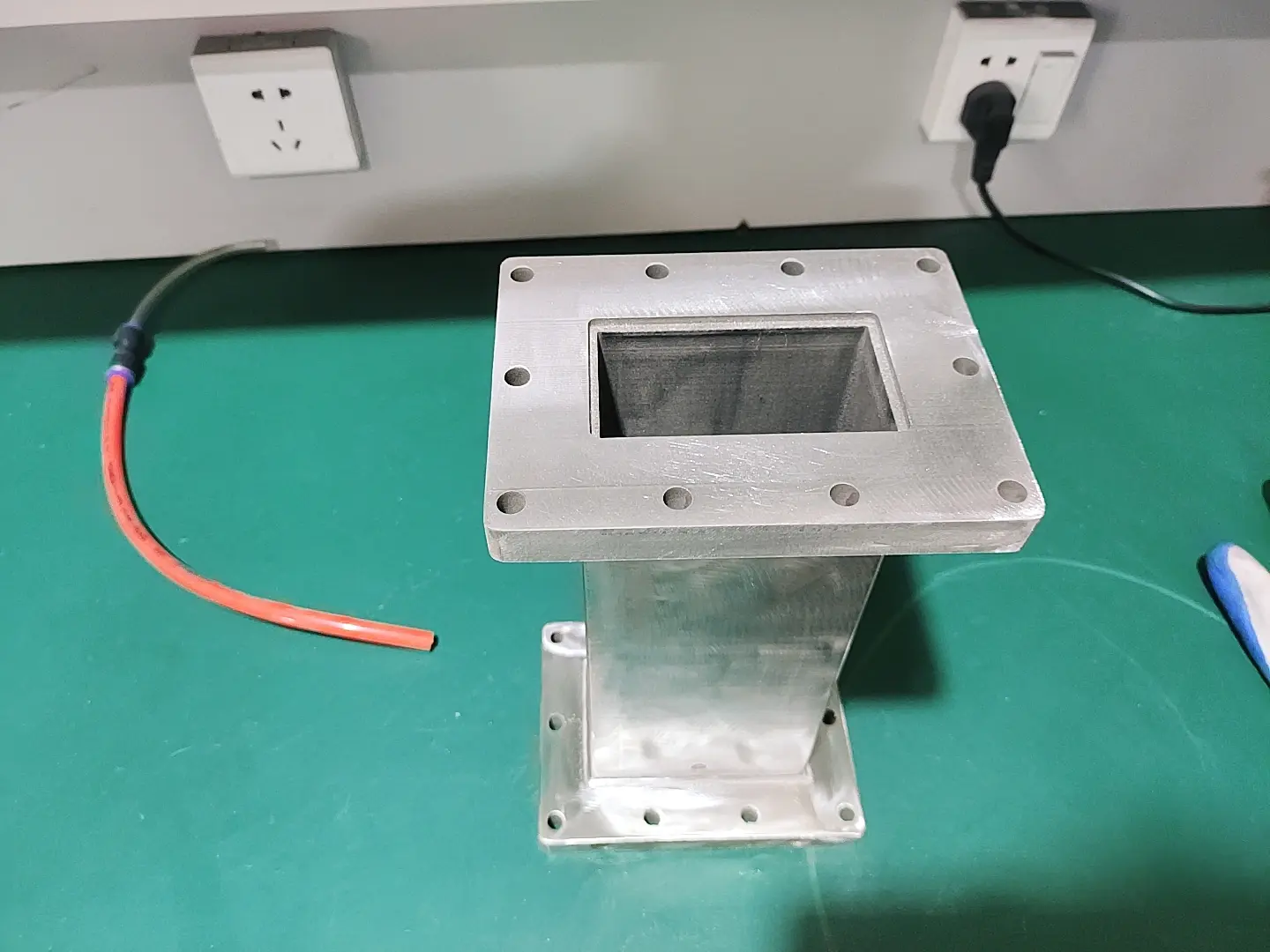
- Metal powder: Stainless steel (316L), titanium (Ti-64), aluminum alloy (AlSi10Mg). supply Superior strengthsturdiness, heat resistance and durability. Achieve designs not possible with polymer printing. essential High performance, mission critical, or High capacity app. Realize complex geometries through SLM/DMLS technology.
Limitations of Consumer Printing vs. Professional Solutions
While desktop FDM/FFF printers have revolutionized access, they have inherent limitations for critical firearm accessories:
- Weaknesses in interlayer adhesion: Despite strong plastics such as reinforced nylon, the molten layer remains a potential weak point under multi-directional impact or long-term stress.
- Anisotropic intensity: Parts are typically strongest along layer lines and weaker vertically. Design direction is important, but it doesn’t eliminate problems.
- consistency: Achieving reliable, repeatable prints without voids, wrinkles or under-extrusion requires a lot of expertise.
- Material selection: Access to high-performance engineering polymers and metals is limited.
For safety-critical products like functional gun racks, working with a professional rapid prototyping service like GreatLight becomes imperative. Professional services provided:
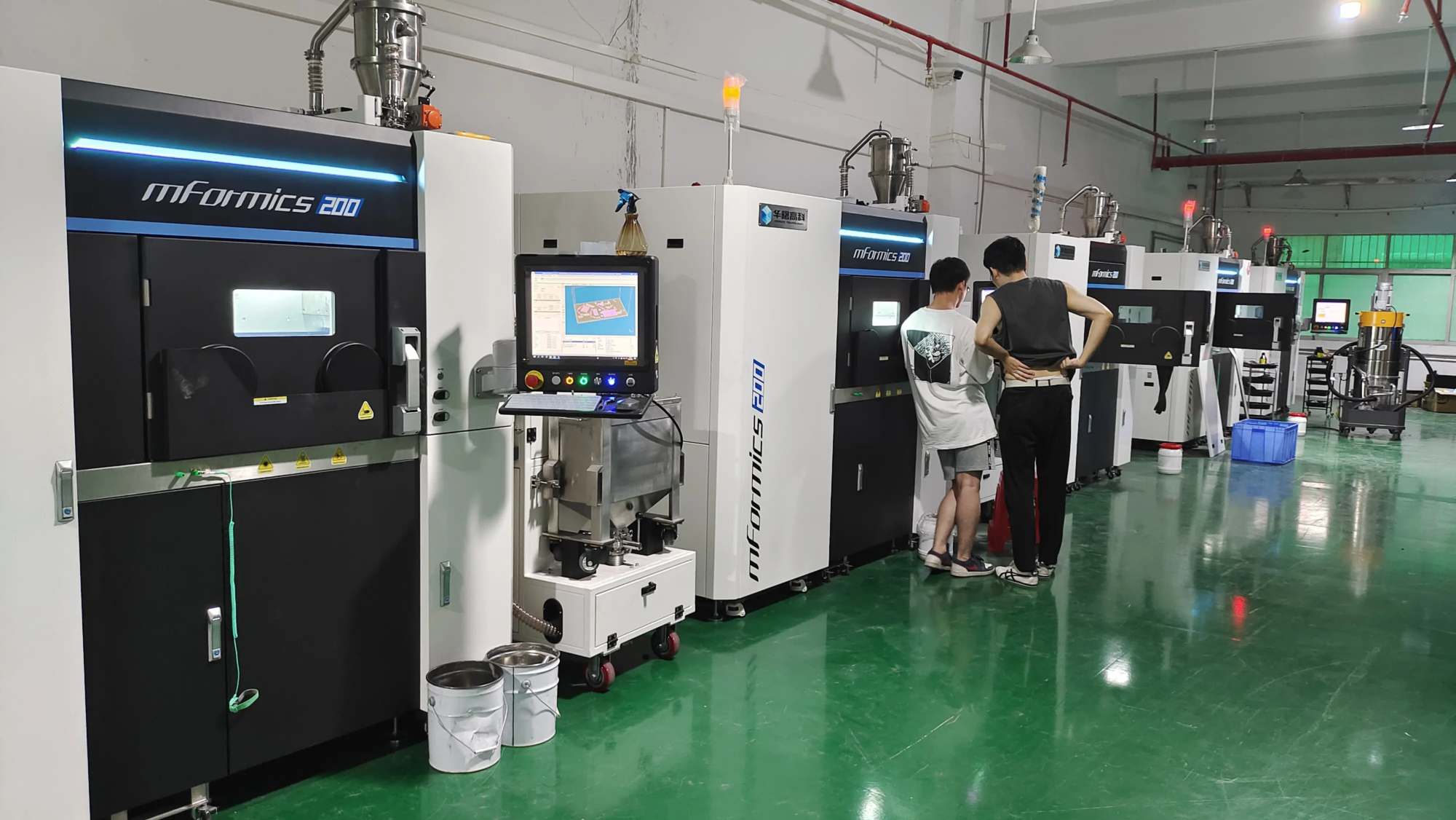
- Industrial grade technology: Selective Laser Melting (SLM/Direct Metal Laser Sintering – DMLS), Laser Powder Bed Fusion (LPBF), Multi-Jet Melting (MJF), Stereolithography (SLA), Carbon DLS.
- Premium Materials: Engineering grade nylon (PA11, PA12, MJF PA), PEKK, PEEK with excellent isotropic and uniform strength properties, and crucially stainless steel (316L, 17-4PH), titanium (Ti-6Al-4V), aluminum alloys, nickel alloys (Inconel) and other metals. They have greater strength, rigidity and temperature resistance.
- Isotropic properties: Technologies such as MJF and metal SLM/DMLS produce parts with nearly uniform strength in all directions.
- Higher temperature tolerance: Advanced polymers (PEEK, PEI, MJF PA) and metals easily withstand barrel heat without deforming.
- Enhanced complexity: Professional processes handle complex geometries with internal channels or complex lattices more reliably than desktop FDM.
- Surface finish and precision: Superior dimensional accuracy and finer surface finish reduce post-processing requirements. Metal printing essentially produces solid metal parts.
- Strict quality control: Material certification, traceability and process validation ensure part consistency and reliability, which is especially important for firearms applications. The printed metal parts are sintered/machined/high temperature treated according to the design.
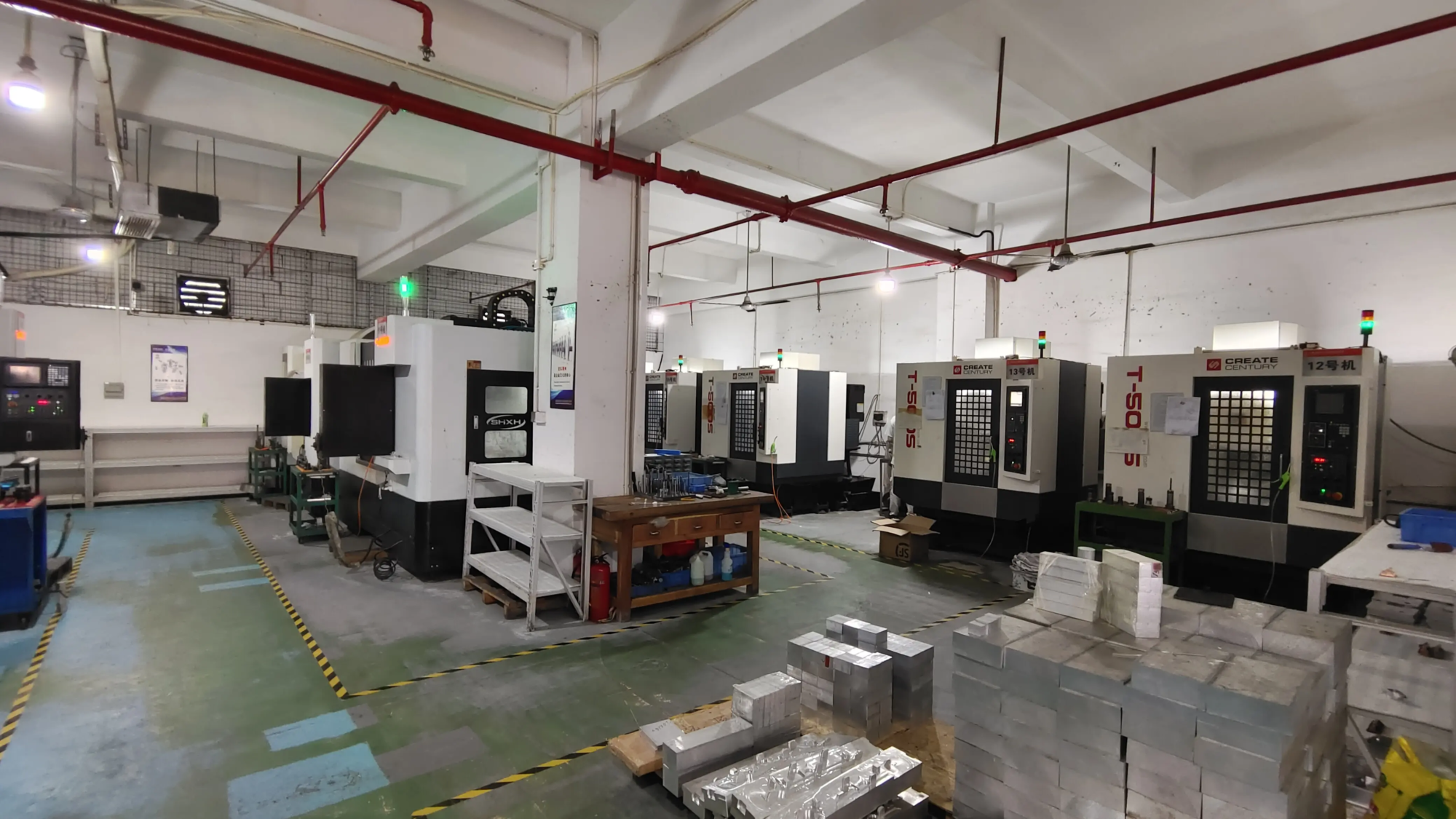
- Full service: GreatLight provides the entire process: design consultation, Design for Additive Manufacturing (DfAM) optimization, material selection guidance, professional printing (including SLM metal printing), comprehensive post-processing (support removal, heat treatment, CNC machining for dimensional accuracy/tolerance, surface finishing).
Conclusion: Responsibility and Innovation
3D printing unlocks huge potential for custom gun accessory solutions. Designing a gunstock offers tremendous customization, but it also comes with an equally important responsibility. Safety must be the primary consideration. Material selection and manufacturing methods are intrinsically linked to the functionality and reliability of the final product.
While DIY printing may be sufficient for concept models or non-critical accessories, functional gun racks that withstand pressure, shock, and heat require professional-grade materials and workmanship. Industrial technologies such as SLM/DMLS/MJF provide strength, thermal stability, and uniform material properties that far exceed desktop capabilities, making them critical for durable, safe, and reliable end-use parts.
As innovators explore this space, working with experienced rapid prototyping experts like GreatLight is critical. Combining expert design knowledge with state-of-the-art industrial production capabilities ensures these custom solutions meet the highest safety, functionality and performance standards required by firearms owners and operators.
FAQ: Uncovering the Secrets of 3D Printed Gun Mounts
-
Is it legal to 3D print your own gun stock?
- answer: Generally speaking, In many jurisdictions, it is legal to design and print brackets. However, legitimacy depends mainly on function and context. Printing your functional concealed carry holster will require compliance with local holster laws (some areas restrict materials or have design requirements such as trigger guard coverage). Possession/carrying of printed accessories in regulated spaces (schools, federal buildings) is subject to existing firearms transportation laws. Crucially, if gun ownership is prohibited, it will be illegal to own or manufacture any gun accessories. Be sure to check federal, state and local laws. Manufacturing for sale brings additional ATF/FDA complexities.
-
How strong is a 3D printed gun stock?
- answer: The intensity varies greatly:
- Desktop FDM printing (nylon/PETG): It’s surprisingly strong for light or temporary use, but suffers from weak layer adhesion and anisotropy. Long term reliability in heavy pressure/high temperature environments is questionable.
- Professional polymer printing (MJF PA12, SLS nylon): Offers significantly improved toughness and more isotropic properties, making it suitable for light to medium duty jigs and fixtures. Can handle recoil well, but has potential impact vulnerability. Avoid using thermal barrels printed only on Nylon/PETG/PLA/FDM.
- Professional Metal Printing (SLM Stainless Steel/Titanium): Approaches or exceeds the strength of machined metal. Highly recommended for high stress points, work/carry holsters, securing bolted points. Provides excellent temperature flexibility and robustness.
- answer: The intensity varies greatly:
-
What are the best materials for functional holsters?
- answer: no one is single "best":
- High performance polymers: Professional MJF PA11/PA12 (or SLS equivalent) offers the best toughness/weight ratio and good environmental resistance.
- Metal: Maximum strength, longevity, heat resistance and safety (especially at connection points) are achieved through SLM’s stainless steel (316L, durability) or titanium (excellent strength to weight ratio).
- Due to the fragility/poor heat resistance of functional leather cases, please avoid using PLA/PETG/FDM printing.
-
Can I make a mount for any gun?
- answer: Absolutely! This is a key advantage. As long as you have accurate measurements (either a digital model or careful measurements/prototyping), a stock can be customized for a unique gun, a prototype, a competition gun with unusual accessories, or an antique that lacks commercial support. Professional services help accurately capture complex geometries.
- I need a stand designed for my specific needs – where do I start?
- answer: Working with an expert is the safest way to go:
- design: Work with designers experienced in CAD and DfAM principles. Clearly define requirements (gun model, intended use, mounting method, functionality).
- Prototyping: Leverage rapid prototyping iterations for physical testing. Start with a low-cost FDM/MJF model (no actual printing required) to verify fit/shape/mechanism before moving to production. Thorough prototyping enables efficient machining improvements.
- manufacturing: For functional stands/services, hire a professional manufacturer like GreatLight. Benefit from engineering-grade materials (metal alloys), optimized printing processes (SLS/SLM/DMLS/MJF), professional processing capabilities and strict quality control to ensure safety and performance. Provides detailed CAD models optimized for additive manufacturing.
- answer: Working with an expert is the safest way to go:
Let GreatLight turn your gun stock vision into reality
Ready to go beyond one-size-fits-all solutions? GreatLight utilizes advanced SLM 3D printers and multi-jet fusion and post-processing technology (precision CNC machining, surface finishing processes) to transform your innovative gun frame design into a strong, custom, functional product made from high-quality materials metal or polymer. Embrace true customization with the security of expert manufacturability design considerations and rugged material selections. Submit your requirements digitally today and get state-of-the-art processing support to optimize your printed metal/nylon designs.