

Unlock your style: The complete guide to 3D printed hair clips
Gone are the days when bobby pins were purely functional pieces of plastic or metal. Enter the world 3D printed hairpins – A revolution in personalized accessories that combines cutting-edge technology with limitless creativity. It’s not just about holding your hair in place; it’s about making a really bold, unique statement you. Whether you’re drawn to edgy geometric shapes, delicate floral patterns, or nostalgic pixel art, 3D printing unlocks possibilities that traditional manufacturing could only dream of.
Why choose 3D printed hairpins?
- Unparalleled Customization: Designed exactly as you envisioned. Abbreviation? Absolutely. A miniature replica of your pet? why not! The perfect size bobby pin for fine, thick or curly hair? Easy to implement. Has its own unique aesthetic.
- Unparalleled design freedom: Get rid of the limitations of flat injection molding. Create complex meshes, complex organic shapes, lightweight building pieces or designs with integrated features not possible with traditional methods.
- Unparalleled personalization: Give something infinitely meaningful. Design clips that commemorate milestones, incorporate inside jokes, or perfectly match a specific outfit or event theme. This is sensuality you can wear.
- Material diversity: While plastic filaments dominate prototyping, options like flexible TPU for comfortable grip or premium metal powders (more on that later) from leading suppliers can improve wear resistance and a luxurious feel.
- Iterate quickly: Have an idea? Perfect your design now. Quickly and affordably test different sizes, tensions or decorative elements before committing to the final piece. Great for designers and manufacturers.
3D Printed Hairpin Style Guide: Express Yourself
Ready to unleash your inner designer? Here’s how to conceive of a stunning 3D printed hair clip:
-
Find your inspiration:
- nature: Delicate vines, blooming flowers, leaves, shells, butterflies, feathers.
- Geometric: Sharp polygons, Escher-esque tessellation, intricate mandalas, futuristic grids, abstract structures.
- Minimalist: Clean lines, subtle shapes (circles, squares, curves), monochrome with textural focus.
- Pop Culture and Nostalgia: Pixel art sprites, video game icons, superhero logos, cartoon characters.
- Elegant abstraction: Fluid organic forms, Art Nouveau swirls, sculptural shapes evoke movement.
- Functional charm: The clip doubles as a small holder (e.g. for loose strands or small flowers), integrated holder for hair clips.
-
Functional design (vital!):
- Hair Hold and Tension: The core mechanisms (springs, hairpin clasps) must be carefully designed. Factors affecting hair thickness: wider gaps/exposure and stronger spring tension for thicker hair; narrower/more enclosed design for fine hair. Scalp comfort is crucial.
- Dimensions and proportions: Balance beauty and functionality. Key considerations:
- Grip area: Must be wide/long enough to securely hold the required amount of hair.
- decorate: Dimensions match grip structure – too heavy/large and risk of tipping or pulling.
- Overall dimensions: It should match your hair type and head size, but not look too exaggerated.
- weight: Optimize brightness. Strategically use lattice fills, hollow sections, or choose materials that are inherently lightweight (like nylon) to avoid stress on the hair follicles and ensure comfort over time. Avoid solid fillers (>20-30%).
- Textured surface: Introduce grip or visual interest. Simulate brushed metal, linen, wood grain, groove patterns, and even tiny dents/spots. Avoid very rough textures that may snag hair.
- Attachment points: Make sure the decorative element is securely attached to the feature clip base and has sufficient surface area for bonding.
-
Material matters:
- People’s Liberation Army: Versatile, colorful and tough. Best suited for decorative non-flexible elements. Ensure proper finishing (sanding, coating) so hair/skin feels smooth. May become brittle over time.
- Polyethylene glycol: Tougher than PLA, more impact resistant, better UV resistant, slightly more flexible. Excellent balance for functional parts requiring greater durability. Smoother surface finish potential.
- TPU/flexible filament: Ideal for creating comfortable clip-on grips, flexible hinges or soft decorative elements. Provides a gentle hold without squeezing. The printer needs to be calibrated carefully.
- Premium Nylon (PA11/PA12 – via SLS/Powder Fusion): Professional grade option. Lightweight, extremely durable, impact-resistant, chemically stable, and has a great surface feel. Ideal for production quality clamps where strength and longevity are required.
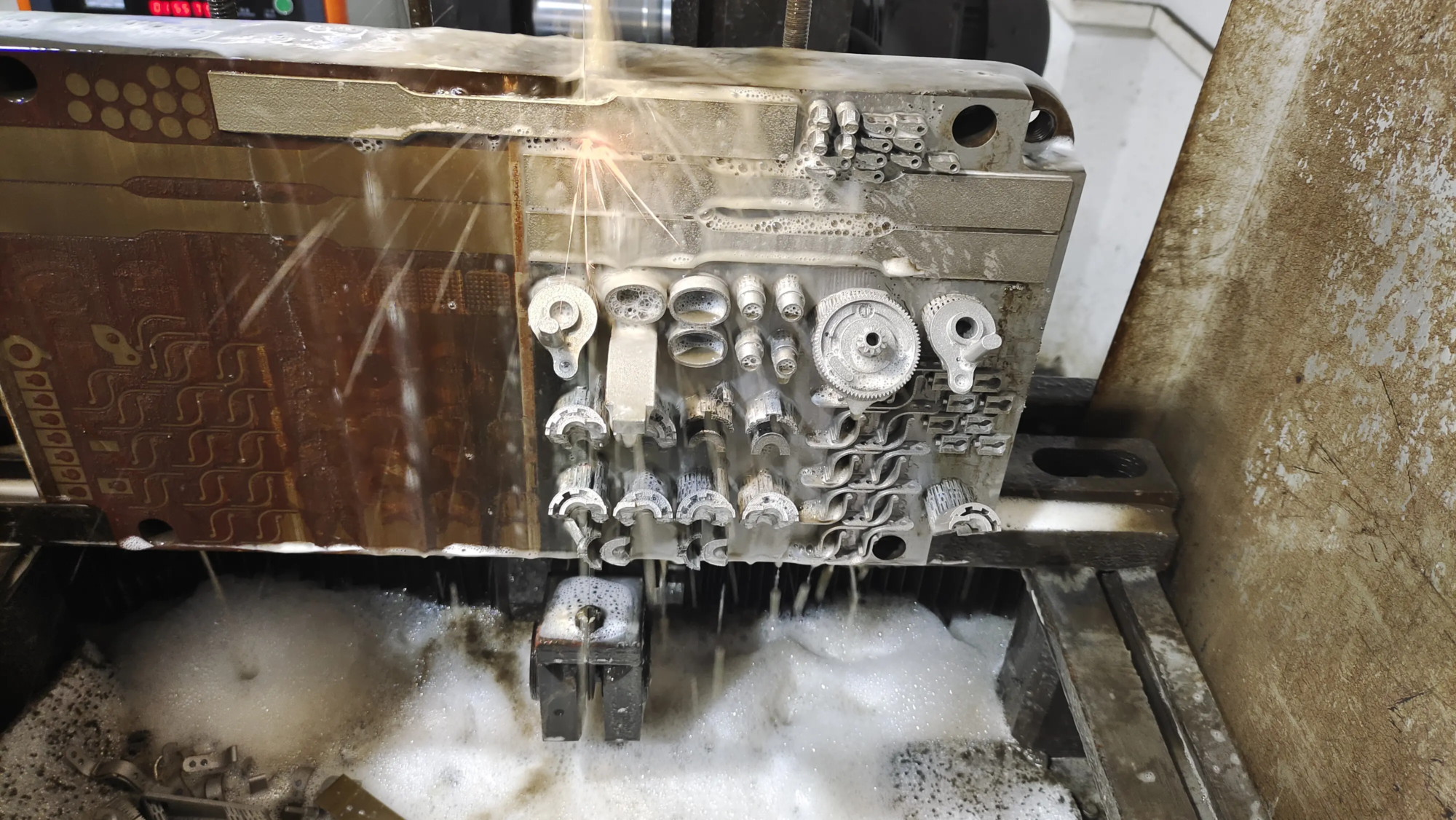
- Metal alloys (manufactured by SLM/DMLS): Stainless steel (316L), titanium, and aluminum offer unparalleled strength, luxury, and hypoallergenic properties. Critical for complex designs requiring metal stiffness and longevity. Professional printing and finishing required.
- The power of post-processing and finishing: This elevates the prototype to a premium accessory.
- Polishing: It is crucial for PLA/PETG to obtain a smooth, hair-friendly surface. Start grinding coarsely and then move to finer grits.


