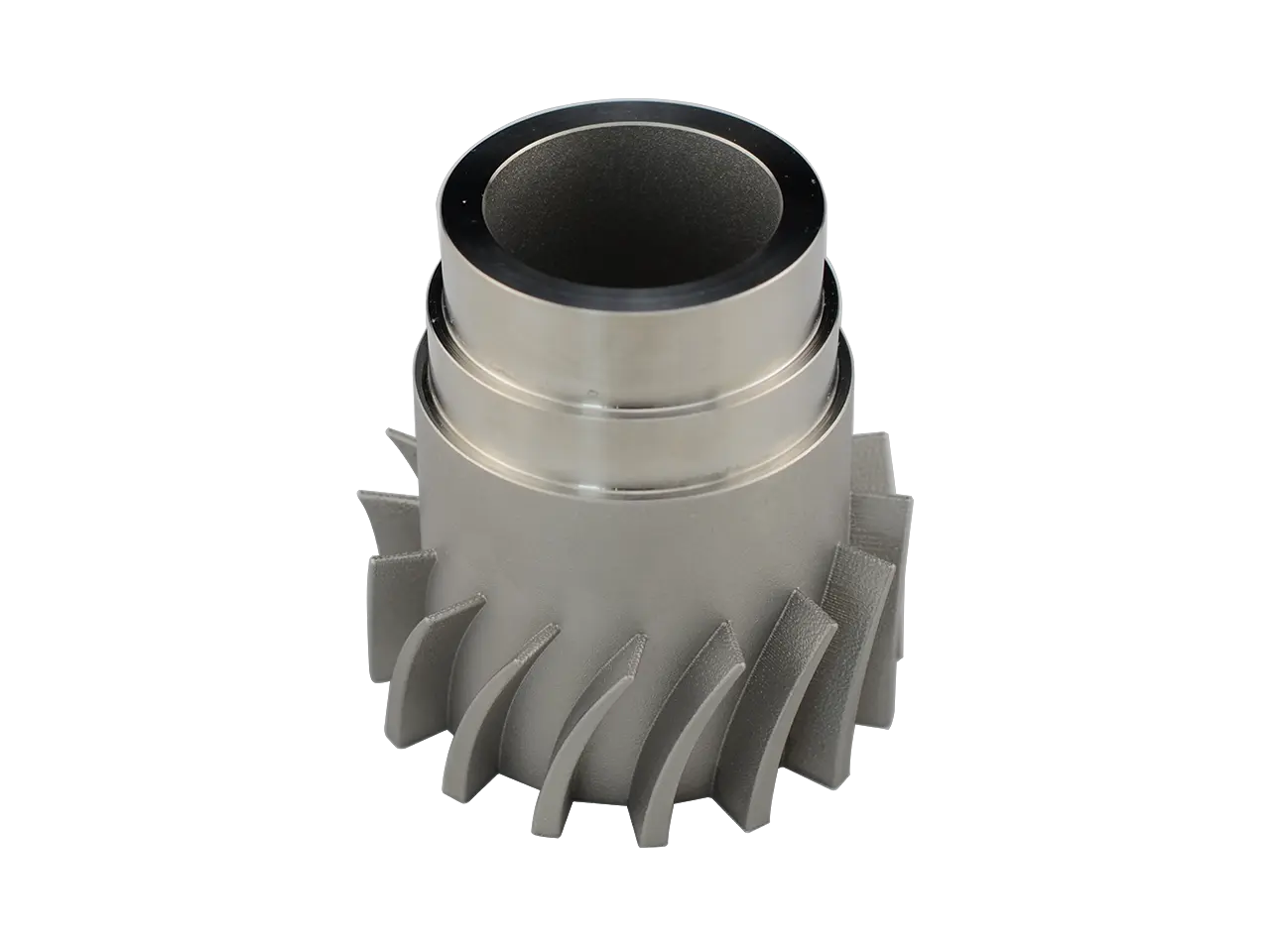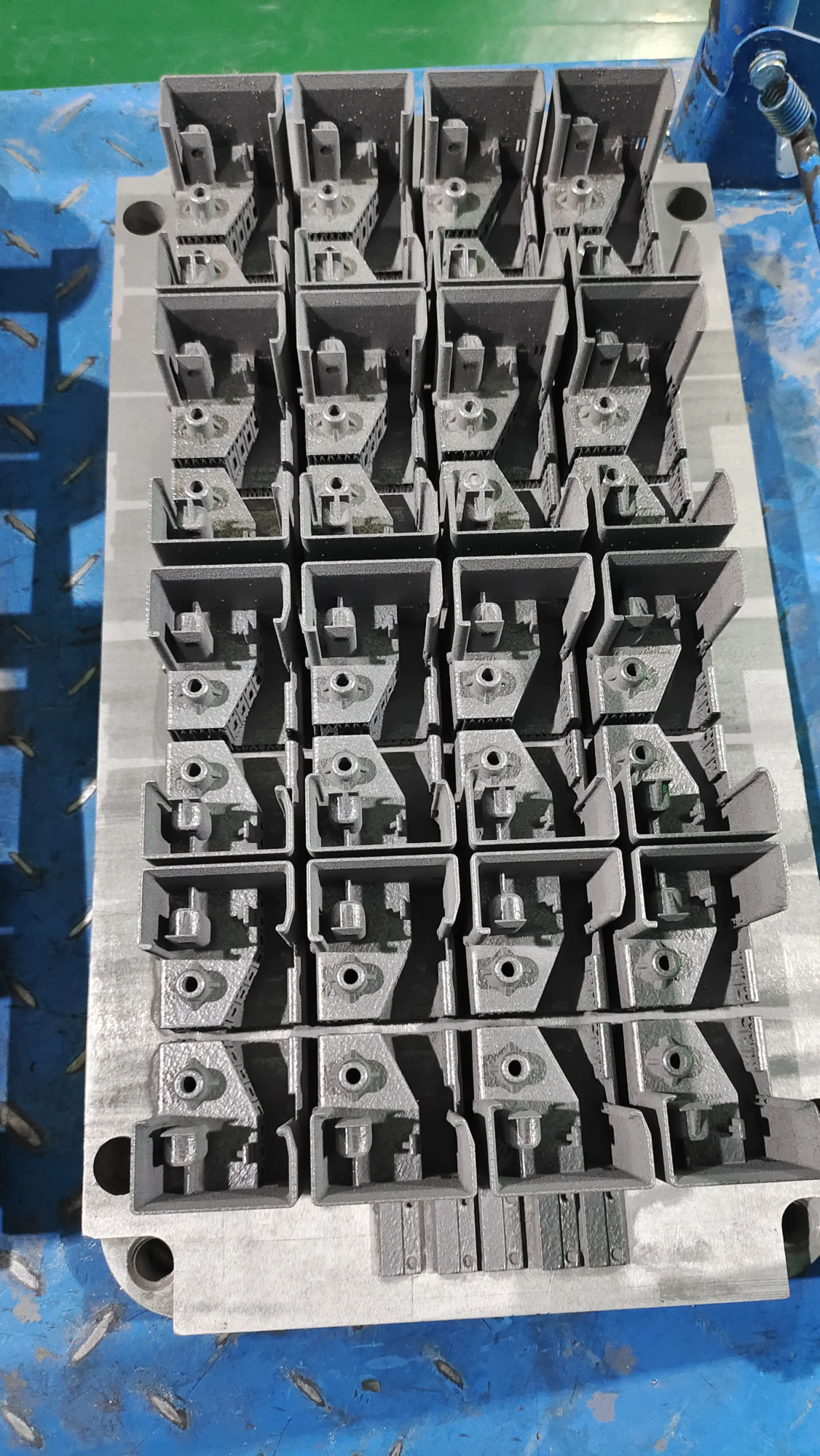
introduce
The harmonica is a pocket-sized powerhouse of blues, folk and rock music that has attracted musicians for centuries. However, traditional manufacturing has limited its customization until now. Enter 3D printinga technique that redefines instrument design. By leveraging advanced additive manufacturing, engineers and musicians can create custom harmonicas that suit unparalleled acoustic performance, comfort and aesthetics. This kind of innovation is not science fiction. Today, it reshapes the musical landscape.
Why 3D printing harmonica?
1. Design freedom and customization:
Unlike mass-produced harmonica with fixed reed configurations, 3D printed models enable fully personalized airflow channels, comb (body) geometry and reed plate thickness. Musicians can optimize tone warm, volume or maintain – EG, wider chambers for deeper resonance or weight-reducing lattice structures.
2. Quick iteration and prototype:
Traditional harmonica prototyping involves expensive tools and weeks of manual labor. 3D printing cuts development time. Design adjustment? The revised digital file is printed overnight. This agility allows manufacturers to test dozens of versions, refining acoustics and ergonomics in record time.
3. Material Innovation:
From resonant polymers to aviation grade metals, additive manufacturing unlocks material versatility. Titanium combs are corrosion-resistant and excellent persistence, while medical-grade plastics ensure hygiene and durability. New composites can even weaken unwanted overtones for cleaner notes.
Key Challenges and Technical Solutions
While transformative, 3D printing harmonica requires precision:
-
Acoustic Accuracy:
Layer lines and porosity must be minimized to prevent air leakage or sound deformation. Solution: high resolution Selective laser melting (SLM) The printer builds components with near-zero deviation (<20 microns). Post-treatment (such as CNC milling for reed panels) ensures a seal. -
Substance Durability:
The comb will durable moisture and stress. Stainless steel or Anodized aluminum Withstand wear, while surface treatments (such as ultrasonic polishing) reduce bacterial growth. - Reed Project:
Reeds need flexibility similar to spring. Hybrid manufacturing – print comb/cover plate and then integrate laser-cut steel reeds – balance printing efficiency with acoustic brilliance.
Great: Your Music Innovation Partner
exist GreatWe blend cutting-edge technology with music expertise to overcome these obstacles. As a leader Rapid Prototyping ManufacturerOur features include:
- Advanced SLM 3D Printer: Implement seamless metal parts with complex internal geometry.
- One-stop post-processing: Vibratory polishing, heat treatment and CNC machining promote parts to standards of cooperative preparation.
- Material mastery: Custom stainless steel, titanium, nickel alloy or engineering plastic for specific acoustic properties.
- Speed and accuracy: Prototypes are stimulated within 48 hours; all production runs at competitive pricing.
Case study: Harmonica maker approaches us to redesign plastic combs that are prone to swelling. use SLM printed titaniumwe created a lightweight comb with an optimized air chamber. Surface polishing eliminates turbulent noise, and harmonic analysis confirms a sustained growth of 15%. The client iterated five designs in ten days, which is impossible with the traditional approach.
Future: Beyond Harmon
The potential of 3D printing extends to embedded sensors (for respiratory pressure analysis), micro-rotten instruments or hybrid designs of combined wood and printed metal. As materials develop, it is expected that hospital music therapy or biocompatible resins of graphene-infused parts are used to achieve extremely high durability.
in conclusion
3D printed harmonica represents more than just technical novelty. They democratize instrument design, empowering solo craftsmen and global brands. By combining precision engineering with an artistic vision, the technology provides a richer soundscape, each note reflecting the player’s intentions. For innovators who are ready to transform the concept of music into reality, Great Provides end-to-end expertise – from prototypes to performance-level finishes. Customize your next breakthrough with us and redefine possible.
FAQ section
Q1: Can 3D printed harmonica match traditional models through auditory?
Absolutely. With precise SLM printing and post-processing, materials such as titanium can surpass wood or plastic combs and have resonance and consistency. Adjustments are customized according to user specifications.
Q2: How durable is the harmonica of 3D printing?
The plastics of metal printing variants (eg, stainless steel) are better than their plastic counterparts in life. Post-treatment such as annealing or coating can enhance corrosion resistance. Stress testing ensures that reed plates are resistant to millions of vibrations.
Question 3: What is the typical production schedule and cost?
prototype: 3-7 days. Complete production: 2–3 weeks. Pricing depends on material and complexity – eg, titanium comb costs more than polymers, but has lifetime durability. We optimize our budget without compromising quality.
Question 4: Can I prototype my own harmonica design?
Yes. Send your CAD file; we will process material selection, structure verification and printing. Design guides are available for acoustic optimization.
Q5: Which material is the most effective?
- Metal harmonica: Titanium (lightweight, high-quality resonance), stainless steel (durable, balanced tone).
- Plastics/polymers: Peeping (heat-resistant, bright sound), nylon (flexible, affordable).
Custom alloys are also feasible.
Q6: Do you print reeds too?
Critical reeds are elastic laser cut from specialized spring steel. We integrate them seamlessly with the printing board/comb during assembly.
pass Great Rapid prototype strength. Contact us and start making your custom harmonica.