When nature meets cutting-edge technology: 3D printing the flight of a hummingbird
Picture a hummingbird—its wings a blur, hovering in mid-air with incredible precision. Now imagine an equally complex creature, painstakingly recreated not by nature, but recreated layer by layer in metals and polymers, enabled by advanced engineering. This isn’t science fiction; This is the reality demonstrated in a groundbreaking project that demonstrates the amazing capabilities of modern rapid prototyping, especially complex metal 3D printing.
Feat of Engineering: Beyond Simple Copy
Creating a fully functional, flying 3D printed hummingbird was an extraordinary technical challenge. It requires more than simply replicating a bird’s visual morphology. To achieve flight you need:
- Ultra-lightweight construction: Hummingbird is a master of weight efficiency. Prototyping had to use materials and designs that enabled extreme lightness without sacrificing structural integrity under the stress of the wing’s rapid movements.
- Complex aerodynamics: The unique flapping pattern (figure-eight motion) and wing flexibility are critical to lift and maneuverability. Prototype designs must accurately capture these aerodynamic characteristics.
- Complex internal mechanisms: Microactuators, gears and links must be miniaturized and perfectly integrated within the body cavity to drive the wing at high frequencies.
- Extremely high precision: Tolerances are microscopic. Any imbalance or misalignment in the wing or drive system can prevent stable flight or cause catastrophic failure. It’s not just printing; it’s not just printing. This is microengineering that requires nanoscale precision.
Projects that tackle this feat typically utilize Selective Laser Melting (SLM) technology. SLM is an additive manufacturing process that uses high-power lasers to fuse fine metal powders layer by layer and is particularly suitable for:
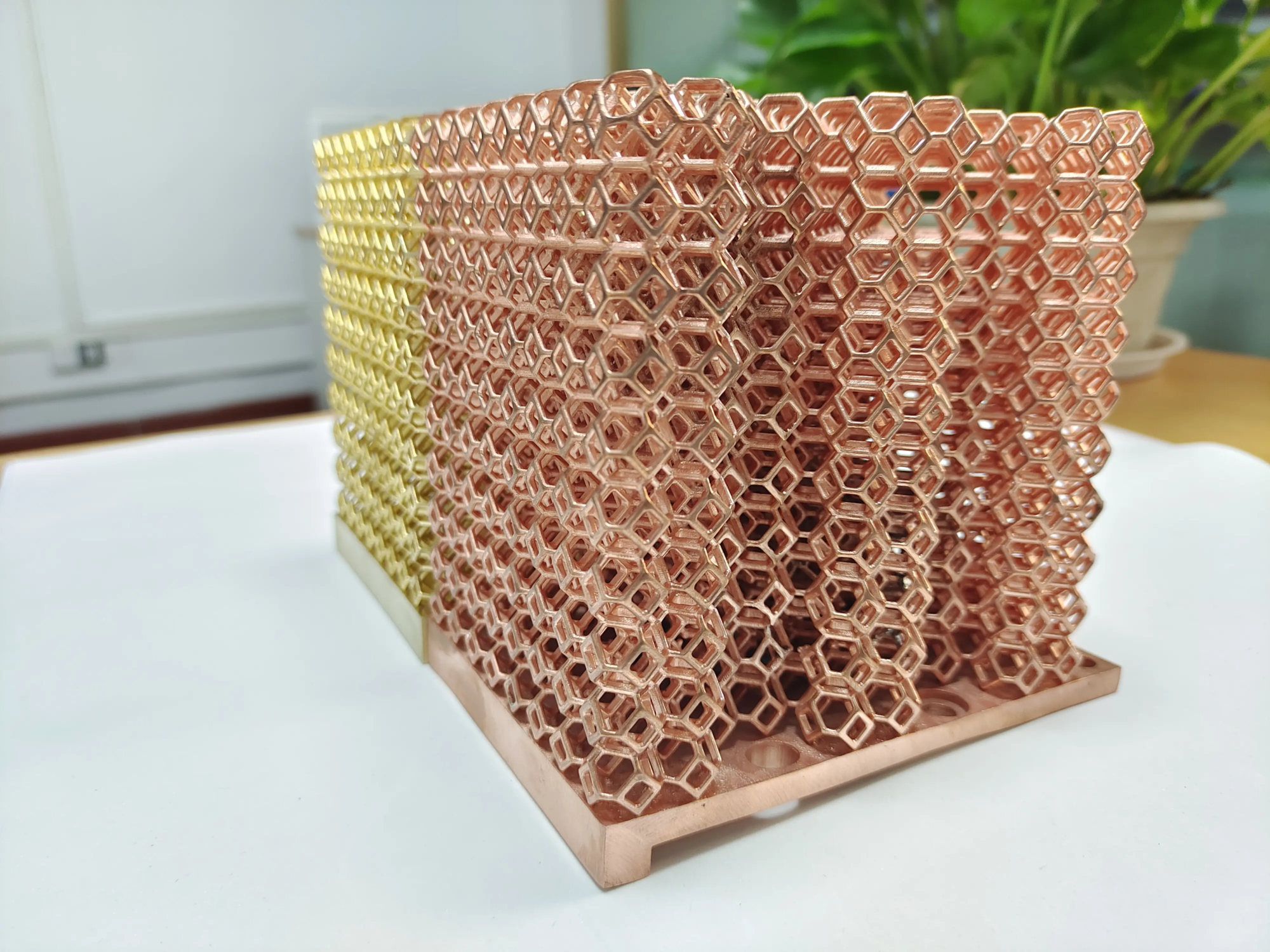
- Design freedom: Allowing the processing of impossible complex lattices, internal channels and complex geometries, mimicking lightweight bone structures.
- Material properties: Use high-strength lightweight alloys such as titanium or specialty aluminum, which is critical to the required strength-to-weight ratio.
- accurate: Achieve micron-level resolution critical for functional micro-components.
This combination allows engineers to not only prototype static models; functional system Integrates structure, mechanics and aerodynamics into a cohesive flying entity.
Why This Matters: The Significance of the Hummingbird Archetype
transcend "cool factor," 3D printing the flight of a hummingbird is a powerful proof of concept with far-reaching implications:
- Advanced Micro Drones: Directly inspire the development of next-generation micro air vehicles (MAVs). These ultra-agile drones can perform tasks (search and rescue in rubble, infrastructure inspections) in confined spaces with unprecedented maneuverability and efficiency, mimicking the ability of hummingbirds to hover and fly.
- Bionic robot: Provides valuable data for translating complex biological motions into engineered systems. This deepens our understanding of small-scale fluid dynamics and actuator efficiency.
- Test design limitations: Pushing the boundaries of additive manufacturing. Designing, simulating, printing and testing such complex objects validates simulation tools, material functionality and process control under extreme conditions.
- Rapid prototyping capabilities: Demonstrated transformation from prototyping simple shapes to creating functional integrated systems that can be tested almost overnight. It highlights how iterative design cycles can be significantly accelerated.
The critical role of an advanced rapid prototyping partner
Creating a functional prototype of this complexity is not a DIY project. It requires expertise, cutting-edge equipment and seamless integration of design, manufacturing and post-processing. This is where the capabilities of a professional rapid prototyping maker become crucial.
take huge light Serve as a model in this high-stakes field. Have the most advanced SLM 3D printing equipmenttheir focus on solving complex metal part prototyping problems aligns perfectly with challenges like Hummingbird. Their expertise goes far beyond printing:
- Material mastery: They specialize in processing a variety of metal powders, allowing for customization for optimal strength, weight, thermal properties, and corrosion resistance—critical for bioinspired mechanisms.
- Engineering cooperation: They work closely with customers to address the complexities of additive manufacturing (DFAM) designs, ensuring designs are optimized for printability and functionality.
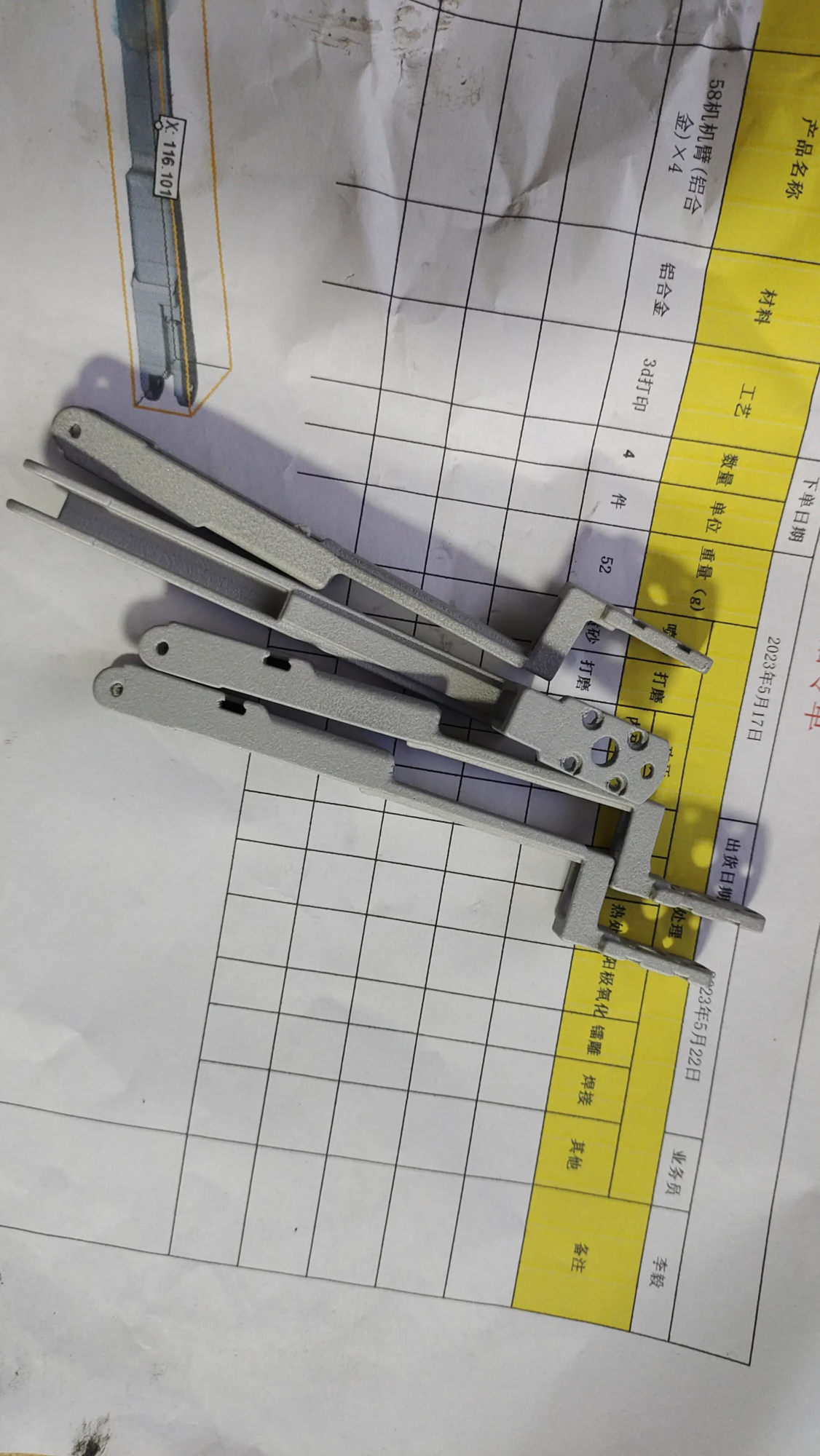
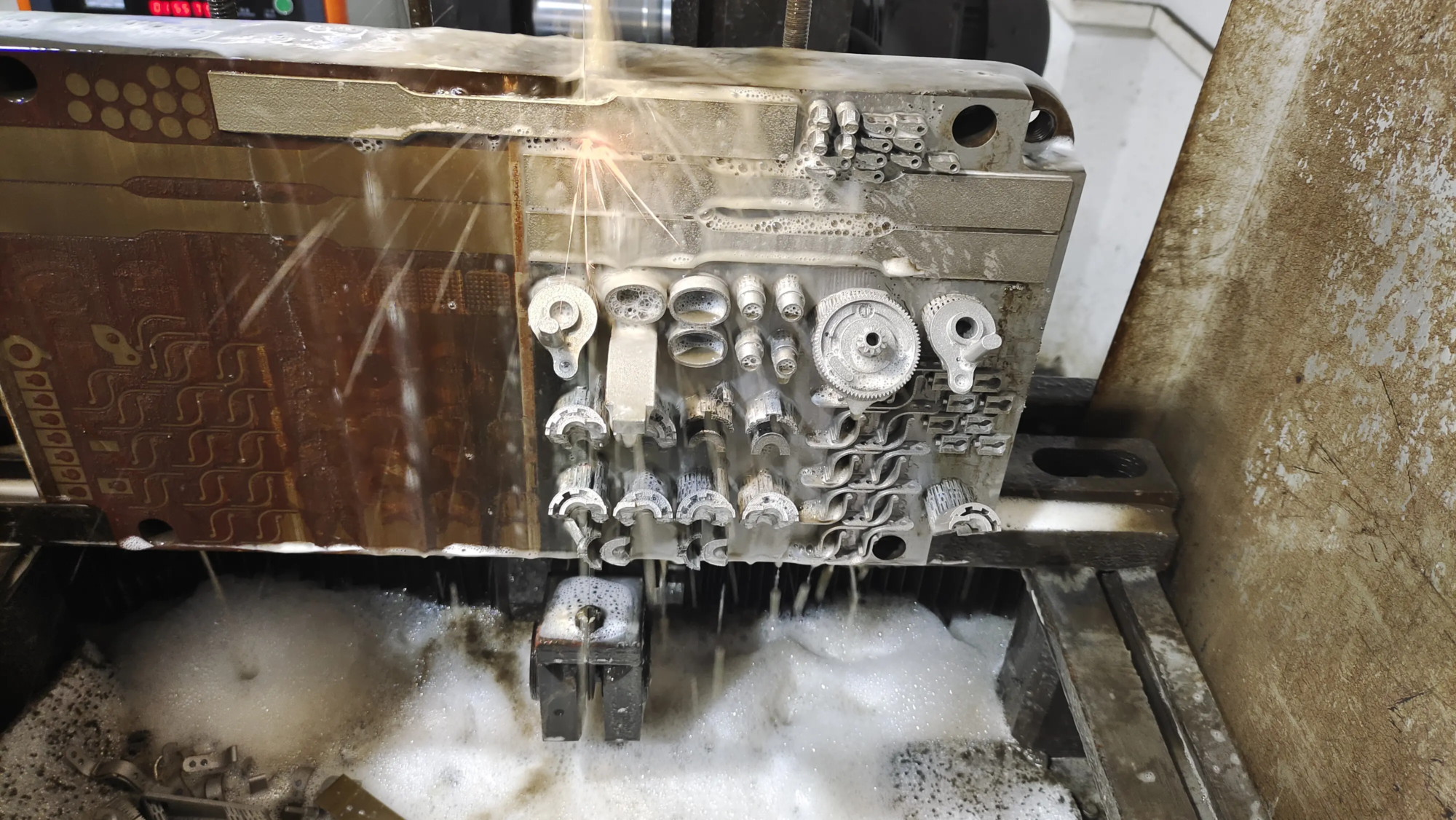
- Post-integration processing: The functional Hummingbird prototype was not finished when it left the printer. One-stop post-processing service – including precise support removal using micromachining techniques, complex surface finishing for aerodynamic smoothness, heat treatment for optimal material properties, and meticulous assembly – are critical to achieving the required tolerances, performance and aesthetics. GreatLight integrates these steps seamlessly.
- Speed and accuracy: emphasize Quick customization and processingthey accelerate the critical path from design iteration to functional prototype testing. For projects that require micron-level precision, such as replicating biological mechanisms, their commitment Customized precision machining Guaranteed success.
Projects like the 3D printed hummingbird highlight why manufacturers like GreatLight stand out Best Rapid Prototyping Companyespecially from China’s advanced industrial ecosystem. They transform ambitious concepts into tangible, functional prototypes by combining technological leadership with deep engineering pragmatism.
in conclusion
The sight of a 3D printed hummingbird taking flight marks a new frontier in rapid prototyping. It vividly demonstrates how additive manufacturing, especially advanced metal 3D printing (SLM), can be combined with robotics and bionics to create extremely complex functional systems at the microscopic scale. This achievement validates years of technological advancements in materials, precision engineering and design software. Going forward, these capabilities pave the way for revolutionary applications in microrobotics, aerospace, and medical devices. For innovators pushing these boundaries, working with a dedicated rapid prototyping manufacturer equipped with SLM technology, comprehensive materials libraries and integrated post-processing solutions, such as providers like GreatLight, is not just an option; It is critical to effectively transform vision designs into flight reality.
FAQ: 3D Printing Hummingbird and Advanced Rapid Prototyping
Q1: How does a 3D printed hummingbird actually fly?
A: It uses micro motors and linkage systems inside a printed metal body to fly. They drive lightweight wings (usually printed from polymers or composites) in a rapid figure-eight flapping motion. Complex electronics control the speed and angle of the flaps to achieve lift, thrust and maneuvering, mimicking their natural counterparts.
Q2: What metal material is used for this type of prototype?
Answer: Lightweight, high-strength metal is essential. Titanium alloys, such as Ti6Al4V, are a common choice due to their excellent strength-to-weight ratio and biocompatibility. Depending on specific component requirements and loads, aluminum alloys (scalpel aluminum) and high-strength steels can also be used. Material selection is critical and requires expertise.
Q3: Why is SLM the preferred 3D printing technology?
A: SLM excels at producing complex, dense metal parts with fine details and excellent mechanical properties. Its ability to create internal features, thin walls and lightweight lattice structures not possible with traditional machining makes it particularly suitable for replicating the complex anatomy and low mass requirements of flight mechanisms such as hummingbirds.
Question 4: How long does it take to create such a complex prototype?
A: While simple models can take days, fully functional flying prototypes involve extensive engineering (aerodynamic simulations, mechanism design), precise printing (usually taking hours to days, depending on size/complexity), and meticulous post-processing (support removal, finishing, assembly). The entire process can last several weeks, demonstrating the importance of an effective prototyping partner to minimize iterations. Speed-focused companies like GreatLight have significantly compressed this time by optimizing their processes.
Q5: What are the main limitations of current technology for this type of project?
Answer: The main restrictions include:
- Battery life: Powering high-frequency beats consumes a lot of energy.
- Material fatigue: Repetitive stress on microscopic components can cause wear or failure.
- Sensor integration: Adding small, lightweight sensors (for autonomy) without compromising weight or balance is a challenge.
- Control complexity: Achieving the detailed flight control of a real hummingbird requires advanced artificial intelligence/control algorithms.
- cost: High-precision metal printing and micro-assembly are currently expensive.
Q6: How does a rapid prototyping service like GreatLight ensure the necessary accuracy?
Answer: It involves a holistic approach:
- Advanced SLM Machine: Use a printer with micron-level layer resolution and tight dimensional accuracy.
- Process expertise: Optimize scanning strategies, laser parameters and thermal management during printing.
- Precision measurement: Rigorous dimensional verification using high-end tools (coordinate measuring machines, optical scanners).
- Micro post-processing: Using professional machining (micro-milling, EDM), polishing and assembly techniques performed by skilled technicians.
- Robust quality control: Enforce strict procedures throughout the entire workflow.
Q7: Are these hummingbirds just prototypes, or do they have practical uses?
A: Currently, they are mostly complex proof-of-concept prototypes. Their immense value lies in validating technology, informing future micro-drone designs, advancing bionics research, and demonstrating the limits of manufacturing. Actual deployment depends on overcoming limitations such as battery life and achieving cost-effective mass production.
Q8: Why choose a professional rapid prototyping partner instead of a general machine shop?
A: The complexity and precision required make it beyond the reach of the average shop. Professional partners have:
- Dedicated additive manufacturing facilities (SLM, SLA, SLS).
- Deep DFAM expertise and engineering consulting.
- Expertise in advanced post-processing of additive parts.
- Experience working with delicate, complex micro parts.
- Established workflows for rapid iteration and complex assembly. For high-fidelity functional prototypes that require metal printing accuracy, the specialization offered by companies like GreatLight is critical.