Beyond the Spinner: How 3D Printing Is Revolutionizing Ice Fishing Lures (and Your Next Trophy Catch)
Let’s be honest, ice fishing often depends on the subtle art of deception. In a dark, cold world where your bait is suspended beneath the frozen surface, it’s more than bait; This is an actor performing under pressure for an audience of predators. For generations, anglers have taken mass-produced fishing lures, modified them with eyes or beads in the hope of getting something more. 3D printing technology is here – not just a manufacturing novelty, but a real game-changer, giving professional ice fishermen unprecedented design freedom and performance.
Ice fishermen’s pain points: Why should they be less addressed?
Traditional fishing lure manufacturing involves molds, high minimum order quantities, and restrictions on intricate details. This usually results in:
- Limited action types: The standard shape determines the basic swing or wobble. Species-specific clipping action (light tremors for bass versus aggressive darts for pike) is limited.
- Impaired durability: Thin plastic bodies can crack in extreme cold conditions; delicate hooks can tear under pressure.
- Common configuration file: Match the exact hatch – whether it’s tiny insect nymphs or juvenile minnow species your Lake – almost impossible.
- Prototyping lag: Testing new designs means expensive tools and weeks/months of waiting. Slow iteration kills innovation.
3D printing: solutions under the ice
3D printing completely circumvents these limitations and changes the way baits are made:
-
Unlimited customization and precision design:
- Hyper-specific action overview: Designing complex geometries—microchannels for bubble trajectories, asymmetric weight distribution for unstable spirals, complex ribbing for fine vibrations—all are achievable. Imagine adjusting the oscillation frequency perfectly to trigger a sleepy walleye.
- Species-specific mimicry: scanning actual Feed species (scuds, mayfly larvae, smelt fry) or CAD models hyper-realistic silhouettes down to scale details and gill plates. Print baits that are identical to local forage your Fish eat meat without any secret.
- Weight placed perfectly: Tungsten or brass weights are strategically placed in cavities precisely where optimal sink rate, balance and swimming posture are required. CAD ensures precise placement.
-
Unparalleled rapid prototyping and iteration:
- Test, tweak, repeat: Print a dozen design variations overnight. Fish test them. Optimize sizing, motion elements or buoyancy features on the same day in CAD. Printed the refined version again overnight. Accelerate the innovation cycle exponentially.
- Personalized production: Need a slightly larger bait head for deeper jigging? Or a specific luminous paint pattern? No mold required. Print custom orders efficiently.
-
Material innovations tailored for ice fishing:
- Advanced engineering resins: Printers such as stereolithography (SLA) or material jetting use specially designed resins with extremely high toughness, sub-zero temperature flexibility and UV stability. These properties are superior to brittle injection molded plastics. Solution resin minimizes cracking even when struck on ice.
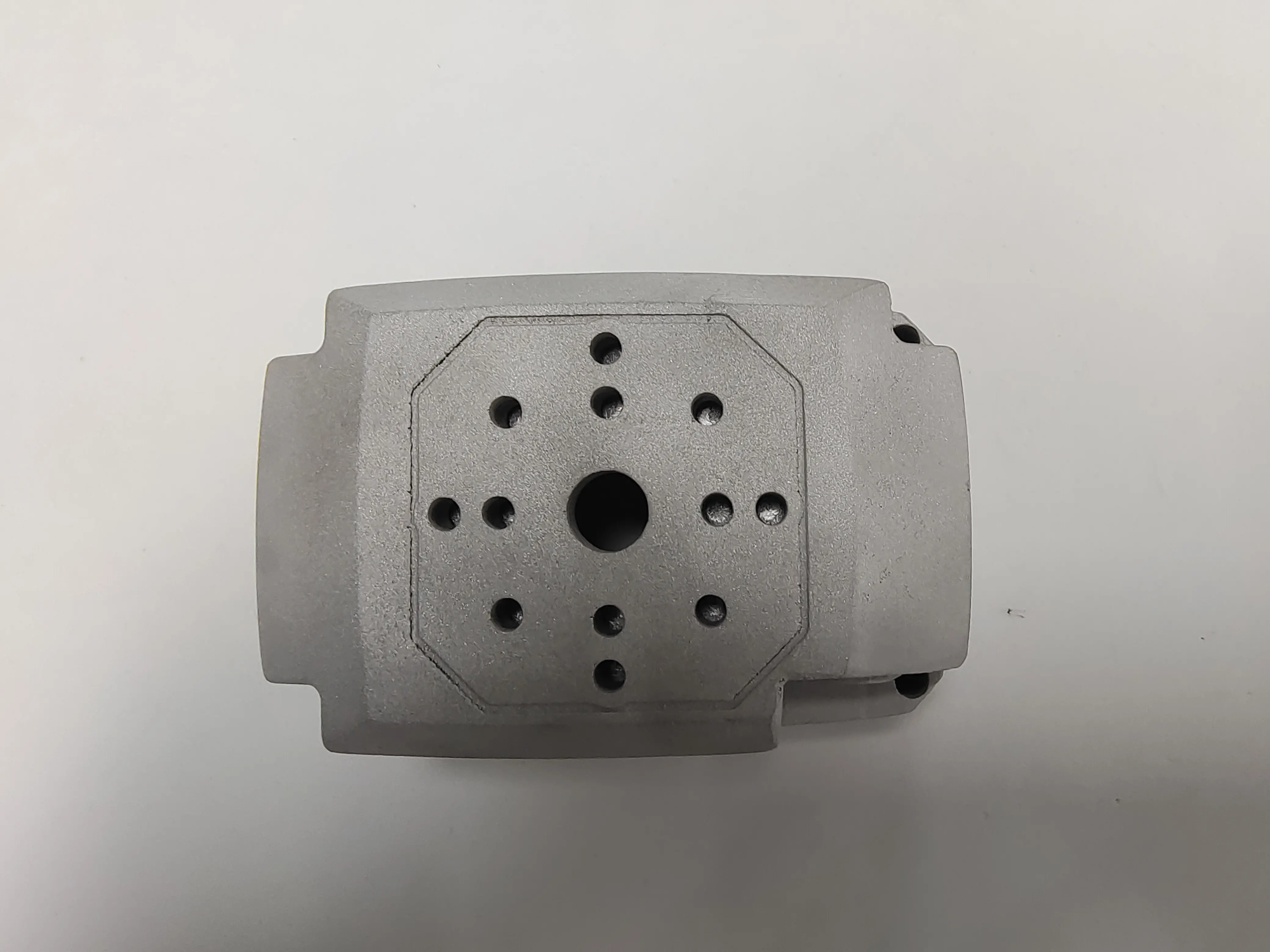
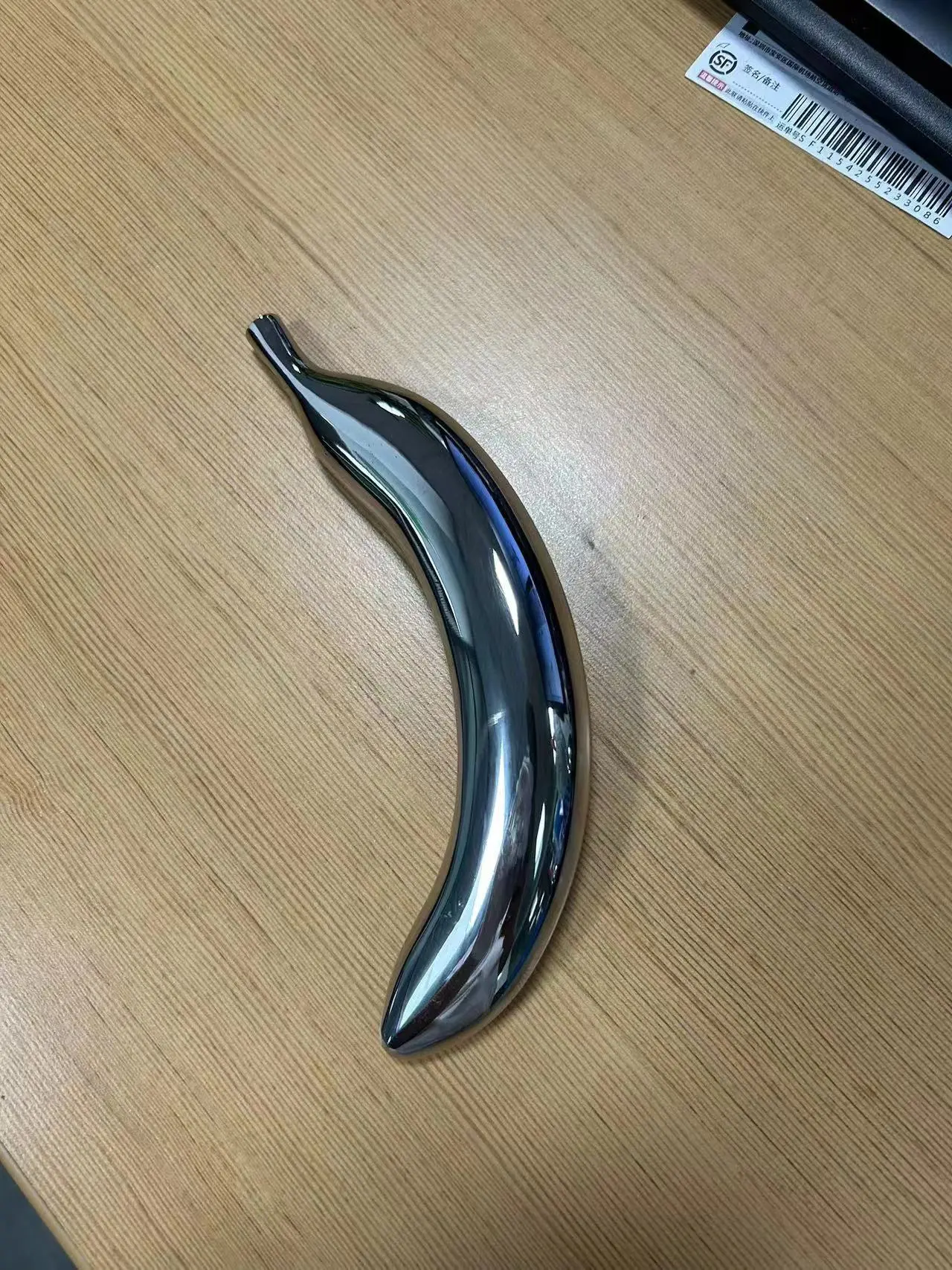
- Metal printing strength: Cutthroat pike or muscular lake trout? Selective Laser Melting (SLM) can directly print stainless steel or titanium fishing lures with integrated heavy-duty hooks, which is not possible through machining. The ultimate combination of strength and complexity.
- Composite options: Try using specialty resins mixed with ceramic beads to add weights, vibration modifiers, or even scent capsules.
- Optimized fluid dynamics and hook integration:
- Project water flow: Design advanced dive planes with internal chambers that create cavities at varying lift pressures, or unique tails that force specific vortices for maximum attraction when jigging at slow speeds.
- Superior hooking technology: Design CAD model with optimized hook positioning geometry and Integrated slots/brackets securely accommodate premium inline hooks, triple hooks or accessory hooks – minimizing breakouts.
Why partner with GreatLight to create your ultimate ice bait?
While hobbyist desktop printers are available for basic plastic prototyping, creating durable, high-performance, production-ready ice baits requires industrial-grade capabilities and deep expertise. This is the advantage of GreatLight:
- Cutting edge industrial printers: Our fleet includes advanced SLA, material jetting and direct metal laser sintering (DLS/SLM) machines capable of producing parts with superior mechanical properties, intricate details and thermal stability down to -40°F (-40°C).
- Materials Scientist: Get hardened engineering resins formulated for cold impact strength and the ability to machine specialty metals for demanding aquatic environments.
- Advanced post-processing: In addition to basic curing, we offer:
- Epoxy Vapor Smoothing: Creates an ultra-durable, water-resistant, and ultra-smooth hydrodynamic surface—critical for action and surface longevity.
- Precision painting and pad printing: Achieve highly detailed, durable color patterns (even luminous coatings on metal).
- Custom weight insertion: Precise manually executed or automated processes for critical weight placement.
- Solvent welding: Used to assemble complex multi-part lures with industrial strength bonding. Provides quality assurance certification.
- Quick turnaround optimization: Dedicated support streamlines your process from design to bait testing, minimizing time on the ice.
- Design guidance: Leverage our engineering insights in material selection, structural integrity simulation and manufacturability optimization to ensure your innovative vision becomes a reality.
Conclusion: The future is in print – hook, line and sinker.
3D printing is more than just adding another tool to the tackle box; it’s fundamentally changing the ice fishing gear landscape. It enables angling designers and forward-thinking manufacturers to create baits with unparalleled precision, performance, customization and strength – designed for the harsh, demanding theater under the ice. Experience is translated into CAD designs; CAD designs become tangible test bait almost overnight; rapid field testing seamlessly drives improvements. The innovation cycle accelerates.
It breaks the limits of mass production. Forged tungsten weights with intricate brackets pressed deep into the bait body? Reality. Titanium hook integrated directly into a miniature deep-diving whiteeye crankbait? possible. A glowing plastic trout imitation so realistic that it fools experienced anglers? It’s all under control.
FAQs about 3D printed ice fishing lures:
-
Are 3D printed fishing lures durable in extremely cold conditions?
absolutely, if Made of appropriate materials. Industrial-grade resins such as engineered tough (e.g., Siraya Tech Blu, LOCTITE® 3D IND405) or ABS-like formulations undergo rigorous low-temperature testing. Metal prints (stainless steel, titanium) are inherently strong. Post-treatment epoxy sealing significantly increases toughness.
-
How heavy can you make them?
Weight is determined by more than just size. We can strategically integrate dense materials:
- Metal: Engineered with complex shapes to maximize internal mass almost anywhere: Stainless steel (~7.9g/cm3), Tungsten (~19.3g/cm3). final sinking rate.
- Resin: Precisely placed pre-drilled cavities are embedded to accommodate bonded tungsten weights. Common solutions for balancing sedimentation rate and movement flexibility.
- Composite resin: Specialty resin preloaded with ceramic/glass beads, medium weight density, no voids.
-
Can I get ultra-realistic results?
Yes! Post-processing is key:
- Photo-quality printing: Material jet printers enable incredible detail.
- painting: Professional airbrushing and professional pad printing to reproduce scales, markings, fins.
- Chemical: Advanced coating technology enables a realistic translucent layer that mimics fish flesh. Quality paint can effectively withstand freeze/thaw cycles.
-
Is it affordable for small batches or prototypes?
This is a major advantage. Unlike injection plastics, which require expensive molds and minimal quantities, 3D printing thrives on small batches. Although initial volumes are small, batch production of prototypes as low as 10-20 units is cost-effective compared to traditional methods of driving innovation.
-
Can you print hollow designs for buoyancy control?
really. Designing the internal cavity/baffle allows for precise buoyancy adjustment, which is critical for presentation of walleye/suspended species, whether vertically suspended in flight or requiring a horizontal tactical pause. We optimize strength/thin wall performance through CAD, balancing purposeful buoyancy with structural integrity.
- How to integrate hooks safely?
Several robust methods:
- Precision bracket/slot: CAD integrated access accommodates assembled hitch/trailer and molded titanium hardware.
- Direct integration (metal): Print sturdy hooks directly into metal lures.
- Chemical bonding: Using industrial-strength adhesive/epoxy approved for ice fishing environments – applied cleanly to precision channels inside/outside, ensuring the fixture can withstand repeated brutal bites.
Stop using one-size-fits-all bait. Start creating final Lures are precisely designed for your target species, your bodies of water, and your fishing style. Unleashing the potential beneath the ice. Contact Gretel now – Let us transform your vision into the temptation to dominate next season’s knockout rounds. Wait accurately. Your next trophy fish is waiting for you.