The rise of the robotic jellyfish: How 3D printing could revolutionize ocean exploration
Imagine an underwater drone gliding silently over coral reefs, monitoring ocean health without disturbing the delicate ecosystem—not using a clunky propeller, but using the mesmerizing pulsations of jellyfish. This isn’t science fiction; This is the reality of bioinspired robotics, where engineers use nature’s designs to solve complex challenges. Charge ahead? 3D printed robotic jellyfish—complex, flexible machines that could transform ocean research, conservation, and more.
Why jellyfish? Nature’s Efficiency Blueprint
Thanks to the perfection of evolution, jellyfish have thrived for over 500 million years. Their propulsion mechanism—contracting and relaxing their soft, bell-shaped bodies—is surprisingly energy efficient. Unlike propeller-driven vehicles, robotic jellyfish move quietly, avoiding sediment damage and marine life distress. They can navigate tight spaces, withstand extreme pressure, and provide a minimal visual footprint. Jellyfish robots are ideal for researchers studying sensitive habitats or deploying surveillance tools "invisible agent" Of the sea.
Engineering Challenge: Combining Complexity with Precision
Designing a functional robotic jellyfish pushes the boundaries of engineering. The structure had to replicate organic flexibility while accommodating electronics, sensors and power systems. Major obstacles include:
- geometry: Create seamless bells and biomorphic tentacles for realistic movement.
- Materials Science: Use biocompatible or elastomeric polymers/heavy metals to balance durability and softness.
- Integration: Embed actuators, batteries or cameras without compromising hydrodynamic integrity.
Traditional manufacturing is struggling here. CNC machining cannot produce cavities precisely, while injection molding lacks the flexibility of custom iterations. Enter additive manufacturing.
3D printing: a turning point for marine robotics
Advanced 3D printing breaks down design constraints. Selective Laser Melting (SLM) and Multi-materialPolyJet The system builds complex, unified geometric structures layer by layer:
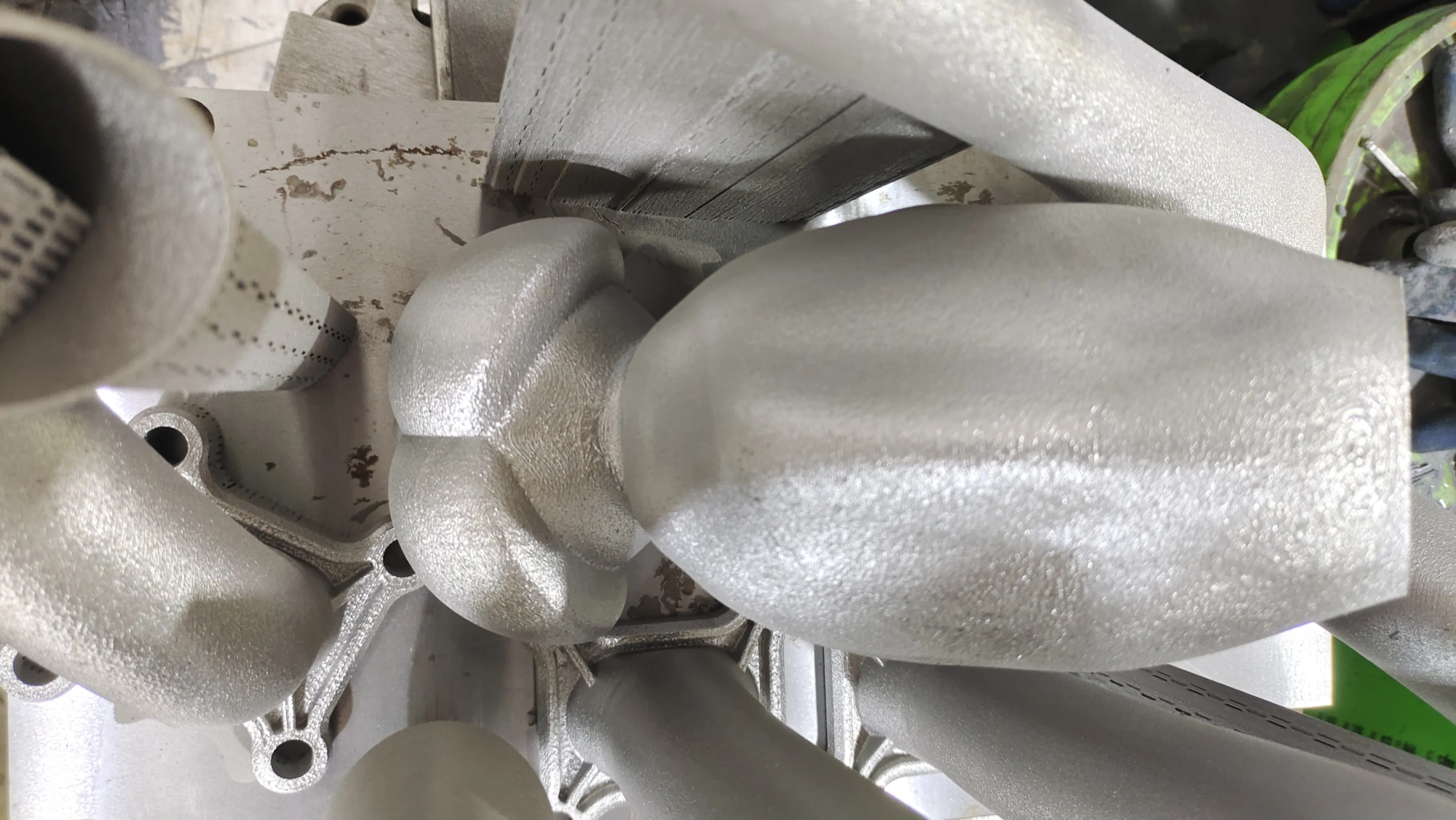
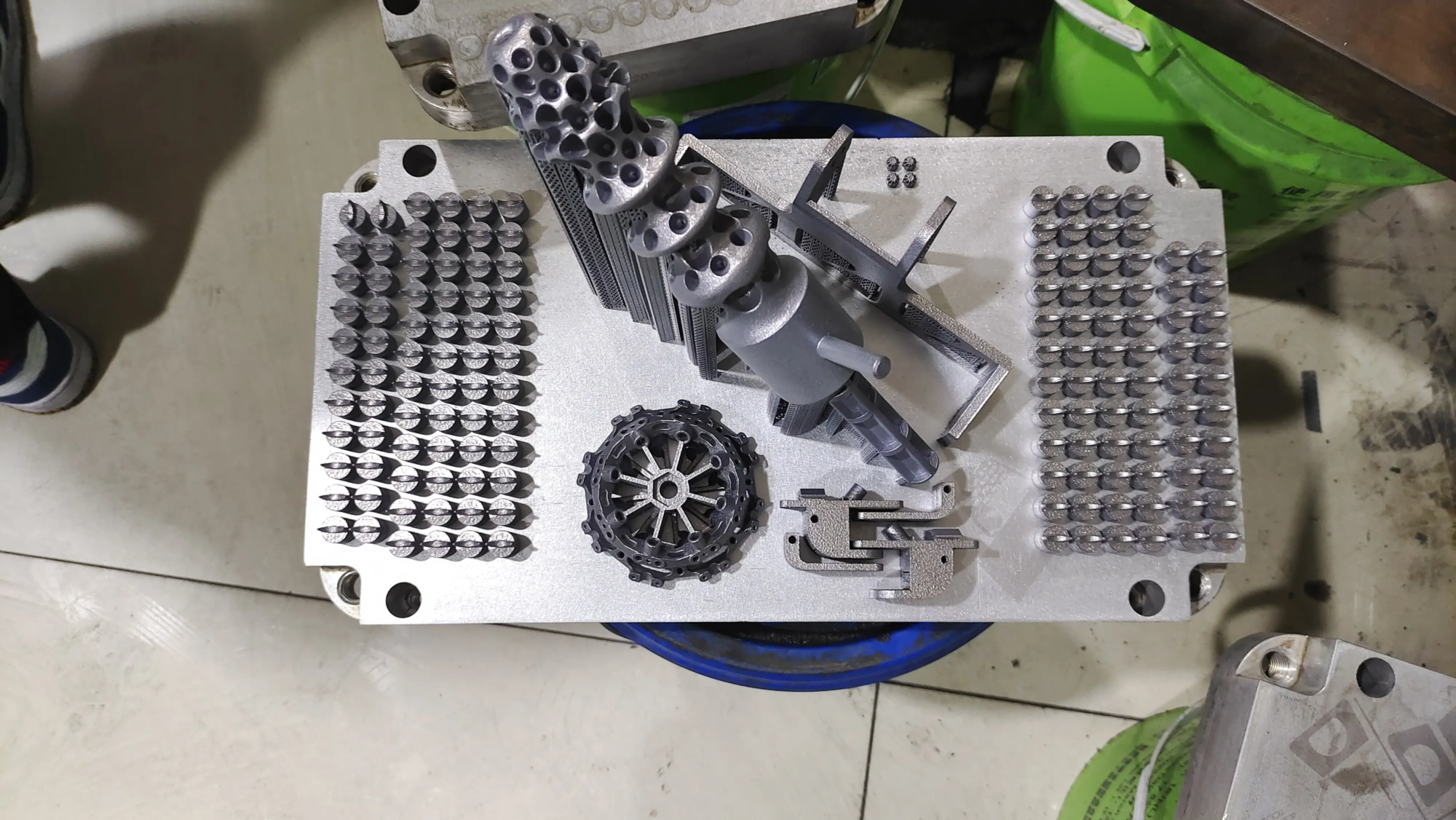
- Precision Fluid Dynamics: The SLM printer creates ultra-fine lattices and internal channels that mirror the anatomy of the jellyfish. Titanium or stainless steel components can withstand marine corrosion, while flexible photopolymers can mimic natural movement.
- Iterate quickly: Prototypes can be tweaked overnight — widening fluid channels or testing tentacle stiffness — speeding up development cycles tenfold.
- Partial merge: Printing the entire assembly (casing, connectors, mounts) reduces points of failure and shortens assembly time.
illustration: The robotic jellyfish project requires piezoelectric actuators that generate thrust embedded within a silicone bell. 3D printing enables the seamless integration of the rigid actuator bracket into the flexible bell structure – something not possible with traditional methods.
Working with Precision: The GreatLight Advantage
Creating functional prototypes requires not only technology but also expertise. This is where a professional rapid prototyping partner comes in handy. huge lightis a leading Chinese rapid prototyping manufacturer that specializes in transforming robotic jellyfish concepts into robust, deployable realities. With state-of-the-art SLM 3D printers and advanced post-processing technology, they solve challenges that no other company can:
- Metal expertise: Use the precision of SLM to print microscopic details and print corrosion-resistant titanium or aluminum parts for critical structural components.
- Full support: From prototyping to finishing (heat treatment, surface smoothing, waterproof coating), GreatLight operates as a single source solution.
- Material Versatility: Processed polymers for flexible elements or biocompatible metals for marine deployment – all customizable.
- Speed and cost: Speeding up production allows researchers to conduct field testing faster, reducing time to insight.
For the marine robotics team, working with a manufacturer like GreatLight can bridge the gap between innovative design and practical application, ensuring prototypes can withstand the rigors of the ocean.
Real-world impact: Beyond the lab
These robotic marvels have moved beyond the concept stage:
- Environmental monitoring: Jellyfish robots collect real-time data on temperature, salinity and microplastics in marine protected areas.
- Infrastructure check: Inspect underwater pipes or hulls without disturbing the flow of propellers.
- Search and Rescue: Navigate debris-filled waters inaccessible to rigid robots.
Future iterations could employ artificial intelligence to enable autonomous swarm behavior or use biodegradable materials to perform zero-impact missions.
Conclusion: The future of mobility is unfolding
Jellyfish-inspired robotics exemplifies how biomimicry and cutting-edge manufacturing can work together to solve ecological and industrial challenges. 3D printing, especially precision SLM and multi-material processes, unlocks designs once thought unmanufacturable – turning fluid dynamics theory into tangible ocean explorers.
For innovators driving this space, working with an expert prototyping partner is non-negotiable. manufacturers like huge light Embodying the technical rigor and adaptability required to deliver high-performance ship-ready components. Their ability to quickly iterate on complex geometries with structural integrity ensures that robotic jellyfish evolve from laboratory curiosities to ocean staples—quietly, efficiently, and sustainably.
FAQ: Uncovering the Secret of 3D Printed Robot Jellyfish
Q1: What materials are used to 3D print robot jellyfish?
one: The components vary:
- Bell/tentacle: Flexible resins (TPU, silicone-like photopolymers) or soft elastomers replicate natural movement.
- Frame/Electronics Enclosure: Stainless steel, titanium or aluminum alloy for strength and seawater resistance.
- Hybrid design: Rigid supports and flexible joints are printed simultaneously.
Q2: Can they survive in the harsh marine environment?
one: Yes – strategic material selection and post-processing ensure durability. Titanium is corrosion-resistant, and the water-resistant seal protects electronics. Surface treatments such as electropolishing or coating prevent biofouling.
Q3: Why choose 3D printing instead of traditional manufacturing?
*one:**
- Complex geometric shapes: Enables seamless curves, hollow chambers and internal channels.
- Cost-Speed Efficiency: Modify designs without the need for new molds/tooling; produce lightweight, strong parts in days.
- Material innovation: Combine rigid/flexible elements in one print.
Q4: Are these robots autonomous?
one: Many prototypes operate autonomously via pre-programmed algorithms or artificial intelligence, using sensors for obstacle avoidance and navigation. Electricity typically comes from compact batteries, although solar or bioenergy concepts are under development.
Q5: How does Honglite support such an advanced project?
one: As a professional rapid prototyping manufacturer, Gretel provides:
- Ideal for industrial-grade SLM printing of metal parts with complex features.
- Comprehensive post-processing (stress relief, CNC finishing, protective coating).
- End-to-end project guidance – from design optimization to rapid delivery.
Their turnkey approach removes prototyping barriers, making them integral to the development of advanced marine robots.
Q6: What’s the next step for Robot Jellyfish?
one: Expect smarter, leaner iterations: swarm coordination for large-area mapping, biohybrid designs using synthetic tissue, and enhanced environmental sensors for climate research.
Customize your precision robotic jellyfish components with GreatLight – advanced SLM 3D printing that meets stringent marine-grade quality requirements. [Bring your oceanic innovations to life.]