Beyond screws and glue: How 3D printed joints are reshaping the future of furniture
For thousands of years, furniture construction has relied on a familiar toolkit: wood joints, dowels, metal brackets, screws and adhesives. These methods, while effective, impose design constraints and limitations in terms of complexity, customization, and repair. Additive manufacturing – specifically metal 3D printing – promises to fundamentally change how furniture is connected and manufactured 3D printed joints.
Get rid of traditional constraints
Traditional joints work great in certain scenes but tend to suffer elsewhere. Dovetail tenons are beautiful and have strong tension, but are labor-intensive. Screws are fast, but can come loose and affect the visual effect. Metal brackets can be used, but will add bulk. These limitations limit designers, complicate customization, and make repairing damaged joints difficult.
3D printing steps in as a versatile solution. By building objects layer by layer, mainly using metals such as stainless steel, titanium or aluminum alloys, through Selective Laser Melting (SLM)which can create joints that were previously impossible to make using traditional methods.
Unique advantages of 3D printed joints
- Design freedom complexity: This is the most important thing. 3D printing allows for complex internal channels, organic lattices, internal reinforcement structures optimized for specific load paths, and the seamless integration of multiple functional elements within a single joint assembly. Think hinges with internal geometries that allow for multi-directional movement invisible from the outside, or complex load-bearing knuckles with topologically optimized internal structures that maximize strength-to-weight ratio.
- Unprecedented strength and weight reduction: Using metal for SLM printing allows the joints to withstand huge loads. What’s more, additive manufacturing allows engineers to strategically place materials only where needed. this Topology optimization Create lightweight lattice structures (conformal lattice, spiral packing) within the joint core or along stress paths to achieve strength equal to or exceeding that of solid metal pieces at a fraction of the weight. This revolutionized heavy furniture and portable design.
- Mass customization and on-demand production: Furniture seams can be uniquely customized for:
- Material-specific connection (wood type A to metal pipe B).
- Customized aesthetics – joints become statement pieces.
- Ergonomic or functional requirements (special hinge angles, integrated cable management within the connector).
- Dream → CAD → Print. No need to replace expensive tools.
- Enhanced features and integrations: 3D printed joints go beyond mere connections. We can embed:
- Internal channels: For cable, fluid (with unique design) or routing across components.
- Built-in fastening mechanism: Clamping nuts, custom screw housings, and friction fit positioners are seamlessly integrated.
- Damping characteristics: Internal latticework can be designed to absorb vibration or shock.
- Self-assembly/disassembly aids: Precise snap-fit, intuitive alignment guides print directly into joint geometry.
- Improved repairability and maintainability: Proprietary connector damaged? Simply reprint the exact same replacement, possibly long after the original furniture was made. This prevents obsolescence and promotes sustainability.
3D printing services: bringing it all together
Unleashing this potential requires expertise. huge light How professional it shows rapid prototyping Service empowers furniture innovation:
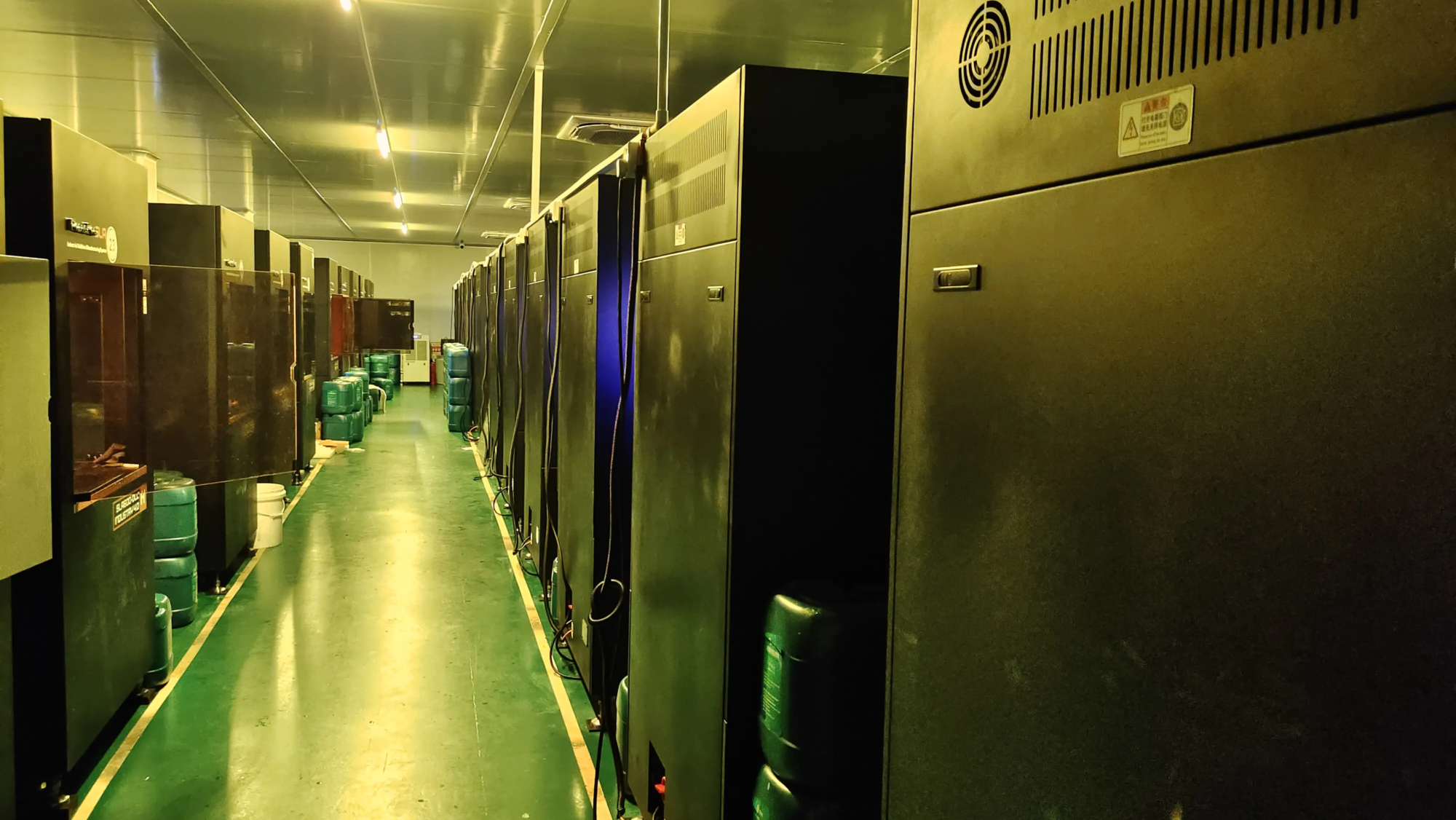
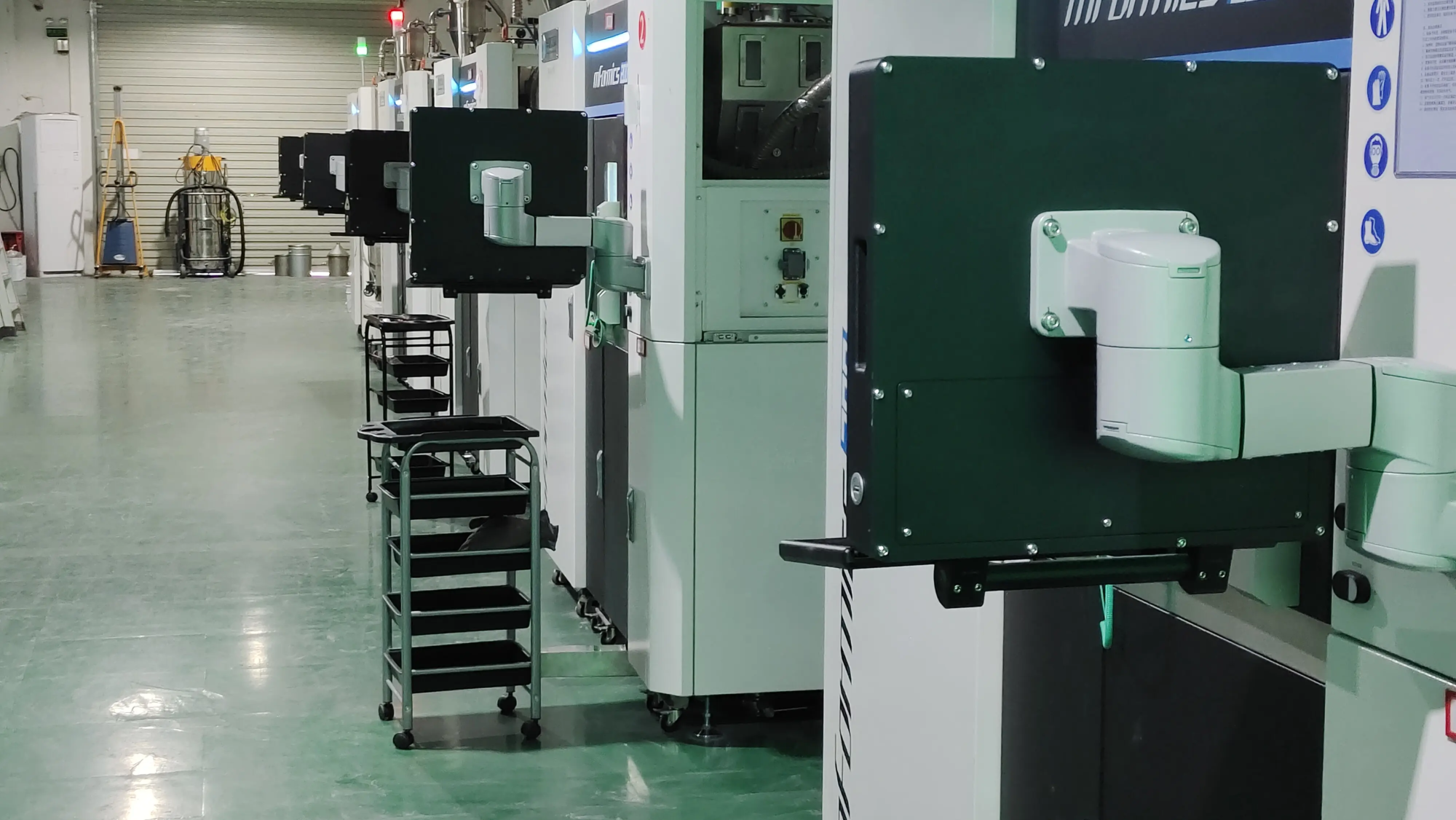
- Cutting edge metal printing: Take advantage of advanced SLM 3D printerGreatLight can machine high-strength metals (stainless steel like 316L, aluminum alloys like AlSi10Mg, titanium) that are critical for durable, functional joints.
- Engineering expertise: Solving the problem of rapid prototyping of complex metal parts involves more than just printing; It involves understanding stress analysis, optimizing designs for additive manufacturing (Design for Additive Manufacturing – DfAM), and selecting the right materials and process parameters.
- End-to-end solution: provided by Glow One-stop post-processing and finishing services Essential for furniture joints: precise machining of mating surfaces, smoothing techniques (media blasting, tumbling), polishing, heat treatments that enhance material properties (stress relief, annealing), and protective coatings. This ensures the parts are ready to be integrated directly into your furniture assembly line or prototype.
- Material flexibility and rapid customization: Provide cross-domain customization "most materials," GreatLight accelerates prototyping cycles and reduces time to market for novel furniture designs. Need a custom titanium hinge prototype next week? They deliver.
- Commitment to accuracy: as a leader China rapid prototyping companyGretel specializes in Customized precision machining Applied to printed parts. This guarantees the tight tolerances and perfect fit required for high-performance mechanical joints in demanding applications.
Beyond prototypes: production reality
While prototyping remains critical, metal 3D printing is increasingly feasible for end-use production joints, particularly in:
- High-End Designer Furniture: A fusion of aesthetics, unique functionality and low production volumes.
- Commercial Contract Furniture: Extreme durability and standardization are required – precisely printed, optimized joints in batches provide long-term value.
- Professional functional furniture: Laboratory benches that require integrated conduits, medical furniture that requires sterilizable titanium connectors, outdoor furniture that requires corrosion-resistant stainless steel connections.
- Maintenance and spare parts: Sustainable manufacturing alternatives to traditional furniture with inaccessible components.
Conclusion: The future of the Internet
3D printed joints are more than just incremental improvements; they represent a paradigm shift in furniture design and manufacturing. The ability to create structurally optimized, lightweight, versatile and highly customized connection points unlocks unprecedented design possibilities, improves performance, simplifies assembly and repair, and promotes sustainable practices.
Work with experts Rapid prototyping services Like the GreatLight, it comes with SLM metal printing and comprehensive Post-processing functionality, giving furniture designers and manufacturers the tools to push boundaries. From lightning-fast functional prototypes to specialized production components, the future of furniture depends on the smart, complex connections enabled by additive manufacturing. It’s time to reimagine how furniture connects together.
FAQ: Uncovering the Secrets of 3D Printed Joints
Q: How strong are 3D printed metal joints compared to traditionally manufactured metal joints?
one: Strength depends heavily on material and printing parameters. High-performance metals such as titanium or optimized stainless steel printed with SLM can achieve strengths comparable to forged materials. More importantly, topology optimization enables designers to achieve equal or greater strength with lower weight Compared to solid cast or machined joints. Proper DfAM (avoiding thick solid parts, optimizing grain structure orientation) is key.
Q: Aren’t 3D printed parts brittle?
one: This is a misunderstanding stemming from early or low-grade plastics. Professional metal printing (SLM, DMLS) uses high-quality metal powders and controlled laser melting/sintering to produce parts with controlled grain structures. Post-processing heat treatments further enhance the ductility and toughness of metals such as steel and titanium. Anisotropy (directional dependence of intensity) is minimized by optimizing print orientation and scanning strategies.
Q: Is this cost effective compared to welding brackets or CNC machined parts?
one: Due to printer setup and material costs, the initial unit cost is typically higher than a simple curved bracket for small batches. However, 3D printing will become increasingly competitive or advantageous when:
- Create complex geometries that cannot be machined in one piece.
- Lightweight topology optimization components are required.
- Small and medium batches (no mold cost).
- Consolidate multiple components into a single printed part (reduce assembly costs).
- Producing replacement parts on demand eliminates the need for warehousing.
- High value-added furniture with customization/performance beyond base price.
Q: How about fatigue resistance? Will these connectors last long term?
one: Metal 3D printed parts, especially after proper post-processing (Hot Isostatic Pressing – HIP – proper heat treatment is often not available as standard), exhibit excellent fatigue resistance comparable to their conventionally manufactured counterparts. Surface preparation also plays an important role; polishing critical surfaces can significantly improve fatigue life. Design optimization avoids stress concentrations. For high-cycle furniture applications such as chairs, carefully designed and printed metal joints demonstrate strong durability.
Q: Can GreatLight handle the entire process from my design to the finished joint?
one: Absolutely. as a leading Rapid prototyping service providerGreatLight specializes in End-to-end solution: Start with expert design consultation (DfAM optimization), utilizing advanced SLM 3D printer for production and provides comprehensive Post-processing/finishing services (Machining, heat treatment, polishing, sand blasting, coating and other surface treatments). You get functionality, precision Custom metal parts Ready for integration. explore Custom precision rapid prototyping parts Tailor-made to your furniture needs at competitive prices. Contact them for a custom quote.