Unleash nature’s creativity: 3D printed jumping spider robot
Bionic robotics has entered an exciting era, and few creations have captured people’s imaginations quite like a 3D printed jumping spider robot. Engineers took inspiration from the spider’s lightning-fast leaps and unparalleled agility, using advanced 3D printing technology to mechanically replicate these feats. But how does this tiny mechanical marvel work? What role does rapid prototyping play in bringing these futuristic concepts to life?
Engineering Magic: Mimicking a Spider’s Jump
Unlike wheeled or flying drones, jumping spider robots utilize elastic energy storage principles. Real spiders compress hydraulic fluid into their limbs for explosive propulsion. Likewise, the robot prototype contains:
- spring loaded mechanism: Use 3D printed torsion springs or pneumatic devices to simulate hydraulic muscle contraction.
- micro leg geometry: Anti-snap design imitating spider leg joints to ensure stability during jumping.
- lightweight exoskeleton: Precision construction, balancing strength and minimal mass.
3D printing: the driving force
The organic curves, internal channels and hollow reinforcements required for spider-like agility are difficult to replicate with traditional manufacturing. This is the advantage of industrial 3D printing:
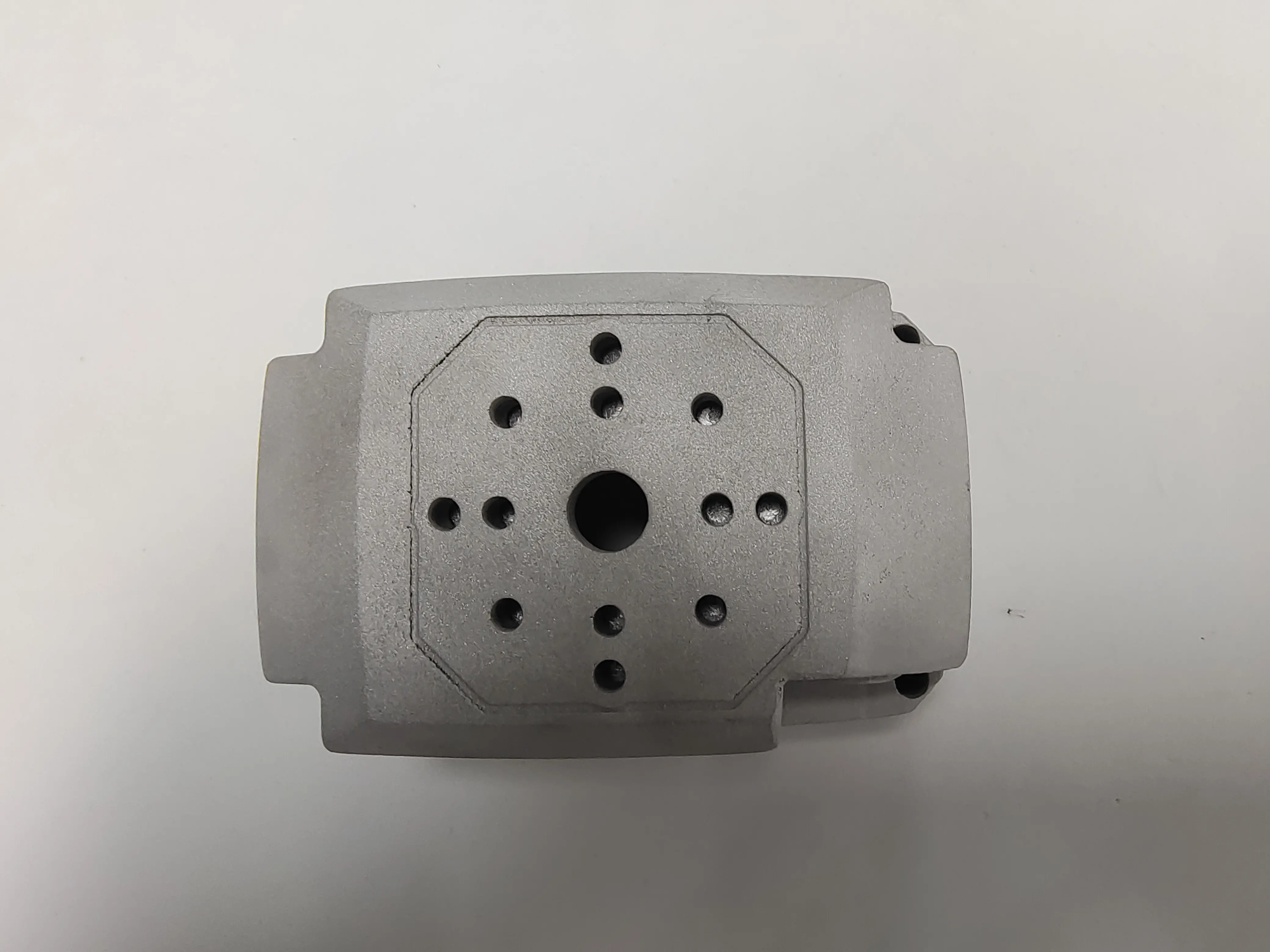
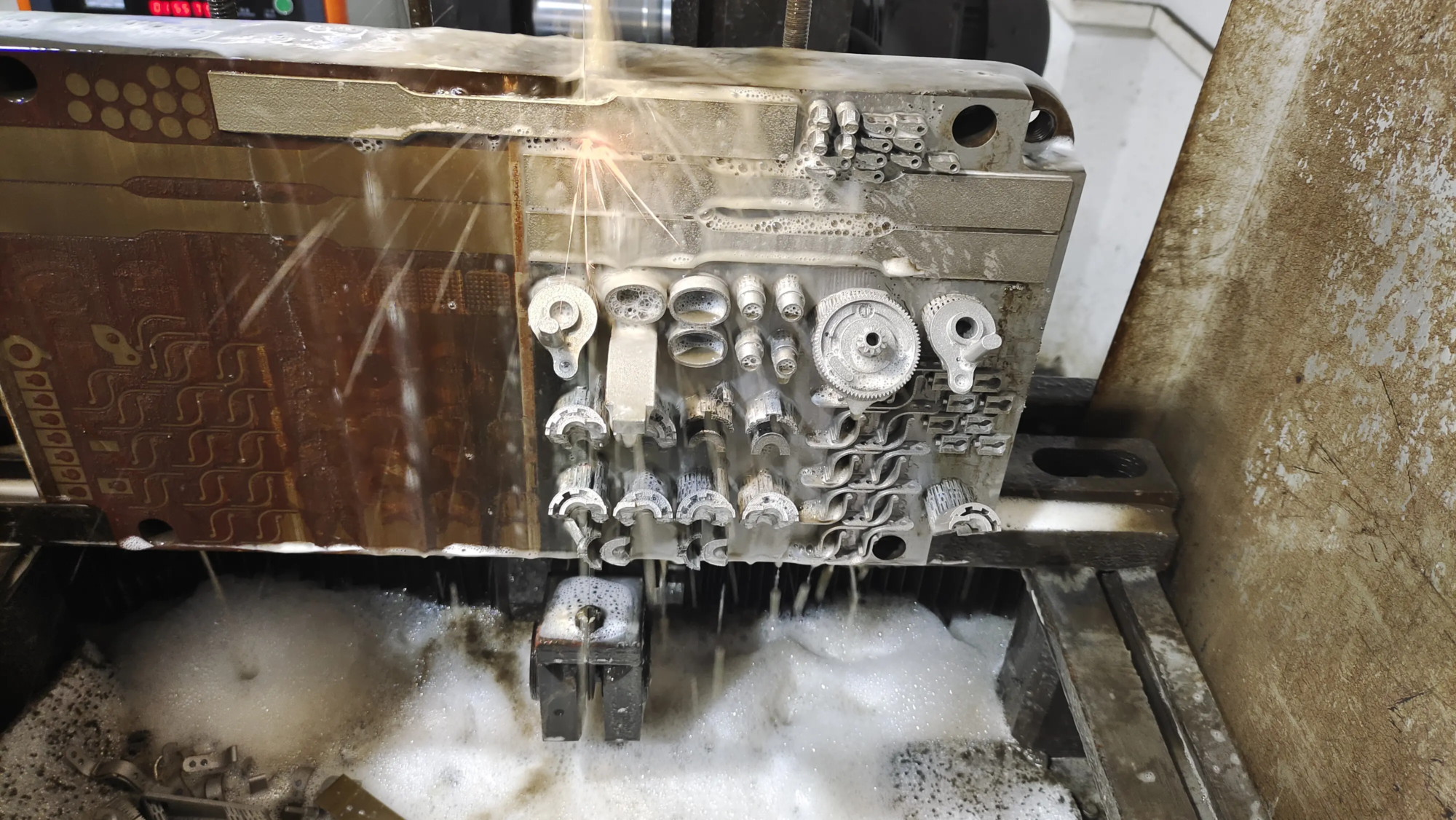
- Complex geometric degrees of freedom: Selective laser melting (SLM) printers can create lattice-reinforced legs and multi-axis hinges not possible through CNC machining.
- Material system synergy: Titanium alloy offers aerospace-grade strength-to-weight ratio; nylon composite provides flexible joints.
- Iterate quickly: Engineers test dozens of spring designs or leg angles in days instead of months, speeding innovation.
In the bionics project at Harvard University "generate" Robot, SLM printed titanium legs can withstand 30 times the weight of the robot. These feats highlight how advanced additive manufacturing can transform theoretical biology into functional hardware.
Beyond the lab: real-world applications
These spider robots are more than just laboratory curiosities. Potential uses include:
- disaster response: Navigate through gaps in the rubble that are inaccessible to humans or drones.
- space exploration: Low gravity planetary rovers require minimal power.
- precision agriculture: Crop monitoring through dense foliage with impact-resistant landing.
Ferrite’s expertise: Designing the future
At GreatLight, we have pioneered rapid prototyping of bionic robots such as the jumping spider system. Our approach addresses key challenges:
- Advanced SLM printing: Industrial-grade SLM printers process complex metal parts with micron-level precision.
- Material diversity: From aluminum to stainless steel to copper alloys—customized for impact resistance.
- End-to-end workflow: Post-processing (heat treatment, polishing, coating) ensures components meet robot-grade tolerances.
Our rapid iteration capabilities allow developers to test more than 10 design variations in a week, which is critical for perfecting dynamic mechanisms such as jump actuators.
Case Study: Accelerating Spider Robot Prototype
A robotics startup partners with GreatLight to expand their proof-of-concept. challenge? Create leg mechanisms that require both shock absorption and directional control.
solution:
- SLM printing of titanium coil springs embedded in leg joints.
- The hollow lattice structure reduces mass while maintaining torsional stiffness.
- Surface smoothing by electrochemical polishing to minimize friction.
Result: A 15cm robot cleared obstacles 6 times the height after three prototype stages – all in 3 weeks.
in conclusion
The 3D printed jumping spider robot embodies the fusion of nature’s genius and cutting-edge manufacturing. Beyond its sci-fi appeal, it also demonstrates the real possibilities of agile robotics. With advances in SLM and multi-material printing, bionic devices are expected to move out of the laboratory and into fields, factories and cutting-edge fields. For innovators looking for resilient, quick-turnaround prototypes, working with experts who master mechanical design and scalable manufacturing is non-negotiable—GreatLight was built to provide this synergy.
Ready to create a robotics breakthrough? Customize your precision rapid prototyping projects today with GreatLight – your vision, engineered with excellence.
FAQ
Q: Why choose jumping spiders instead of other insects as a robot model?
A: Jumping spiders have unparalleled jumping accuracy, self-righting capabilities and low energy consumption, making them ideal for autonomous robots that require efficiency in unpredictable environments.
Q: What materials are best for 3D printing jumping robots?
A: Titanium alloy (Ti6Al4V) for high-stress joints; carbon fiber-infused polymer for lightweight exoskeletons; elastic resin for shock-absorbing feet.
Q: How quickly can GreatLight deliver functional robot prototypes?
A: With our end-to-end rapid prototyping ecosystem, complex metal parts go from CAD file to verified part (including post-processing) in just 5-7 days.
Q: Can SLM printing handle moving parts like gears or springs?
Answer: Of course. Our print layer resolution is as low as 20μm