Recasting Cutting-edge Technology: Exploring 3D Printed Katanas
Katana – a symbol of precision, artistry and ancient Japanese samurai culture. Over the centuries, its creation required the dexterity of master swordsmiths, who folded the steel thousands of times. However, modern manufacturing is reinventing this iconic blade. Welcome to the fascinating world 3D printed samurai sworddigital design combines with advanced additive manufacturing to create new functional and artistic possibilities. Are these swords useful or purely decorative? Let’s delve into the complex design considerations, potential capabilities, and the breakthrough technology that makes it possible.
Beyond Copy: The Digital Design Melting Pot
Designing a 3D printed katana is more than just importing a CAD model of a traditional blade. It requires a deep understanding of form and function reinterpreted by additive manufacturing:
-
Geometry optimization: CAD/CAM software allows unprecedented control. Designers can:
- Optimized weight distribution: Precise control of wall thickness, internal lattice structure, and material placement along the blade (tsuka) and tang (nakago) results in superior balance.
- Enhanced ergonomics: Handle (tsuka) curvature and finger grooves can be customized down to the millimeter for individual grip comfort and control.
- Introduce novel forms: Create blades with complex internal channels, impossible hollow sections, or radical aesthetic twists while potentially maintaining structural integrity. Accurate reproduction of subtle curves (sori) is crucial.
- Material Science for Modern Blades: The choice of materials is intrinsically linked to the intended function:
- Functional pursuit: High strength Titanium alloy (like Ti-6Al-4V) has excellent strength-to-weight ratio, corrosion resistance and considerable toughness – ideal for practice blades or specialty tools where flexibility is required. maraging steel Heat treated to provide superior hardness and strength for applications requiring high impact resistance without lethal sharp edges. These materials meet aerospace grade standards.
- Artistic expression: Stainless steel Materials such as 316L have good corrosion resistance and are ideal for creating complex, detailed decorative pieces. Non-metallic wonders: Polymers and composites enable stunning lightweight display models that mimic traditional aesthetics or showcase futuristic bio-inspired designs with a pure focus on visual impact and intricate detail.
Function: from showcase to cutting edge
The potential uses for 3D printed katana swords are vast:
- High fidelity presentation and art: This is probably the most accessible application. Using metals like stainless steel or even advanced polymers via SLS or MJF, artists can create stunningly detailed replicas or completely original sculptural interpretations that capture the smooth lines and cultural significance of the katana without the need for articulation or combat performance. Think museum-quality exhibits or avant-garde art installations.
- Functional training tools (Iaido/Swordsmanship training): Here, high-grade metals sparkle. Titanium alloy blades have significant advantages:
- Safety: While not suitable for hard contact sparring, its density and balance provide realistic weight and handling for solo forms (kata) and simulated cutting exercises (stand-in substitutions). The risk of injury due to catastrophic failure is significantly reduced compared to improperly tempered carbon steel.
- Durability: Highly resistant to corrosion and accidental drops.
- consistency: Mass production ensures multiple blades have the same weight and balance.
- Special tools and props: Design freedom opens up unique applications:
- Custom blades designed for use in film, TV or theatrical fight props that require specific weight, aesthetics or safety features.
- Non-lethal demonstration tool for martial arts seminars.
- Functional blades for special tasks requiring unique geometries not possible with forging (for example, prototyping for niche industrial or extreme environment tools).
- Implementation of cutting blade? Challenge your limits:
- Printing blades are designed for catch Traditional high carbon steel blades are available.
- Major challenges: Monolithic printing Fully functional sharp katana blade capable repeat High impact cutting (like the tatami look) remains difficult to achieve for the following reasons:
- Microstructural limitations: Compared to forging with uniform grain flow, added metal exhibits anisotropy and inherent microscopic defects.
- Edge preservation: Current printing metallurgy often lacks the fine microstructure required for maximum sharpness and longevity honed by centuries of folding traditional jade steel.
- Future potential: Continuous advances in high-strength alloy powders, laser parameter optimization (e.g. beam oscillation), machine precision, and post-processing such as hot isostatic pressing (HIP) offer promising avenues to bridge this gap.
Why Choose Metal Additive Manufacturing? Advantages of sustainable land management
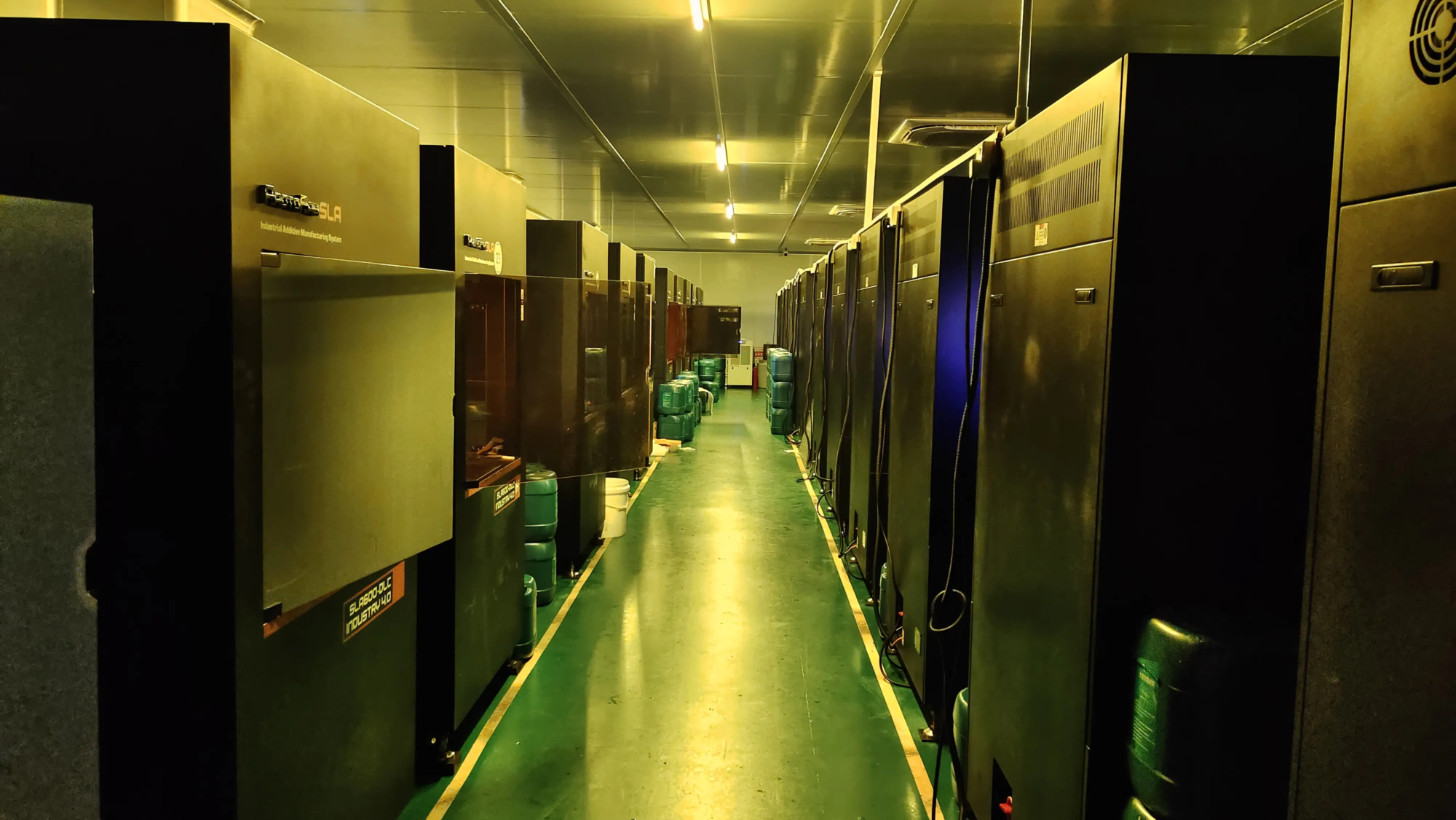
Metal 3D printing, especially Selective Laser Melting (SLM) – Powder Bed Fusion (PBF) technology – is key to the production of functional katana swords. This aligns perfectly with the capabilities of a company like huge light:
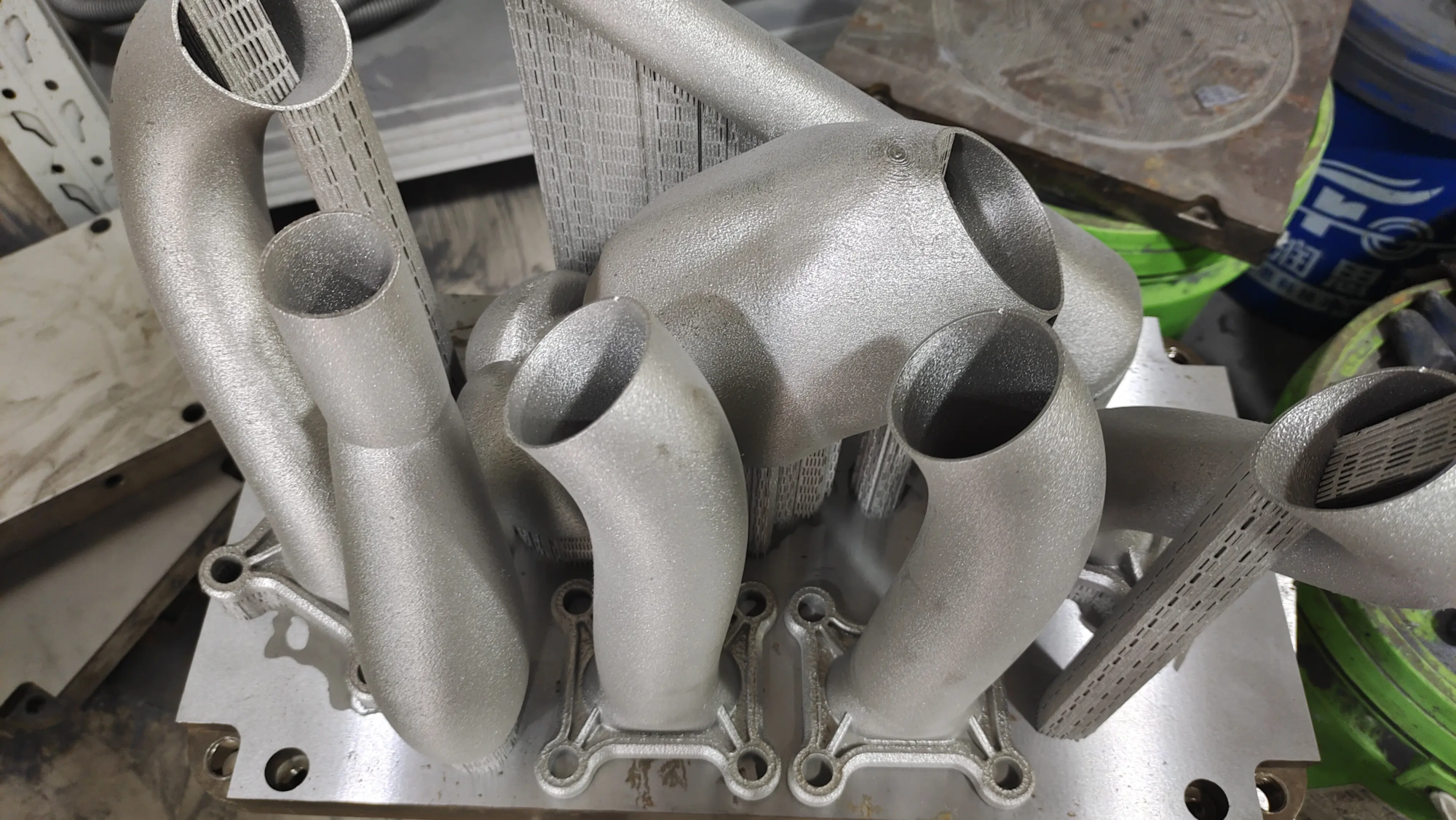
- Unparalleled complexity: SLM utilizes advanced equipment and production technology to melt ultra-fine metal powder layer by layer using high-power lasers. This allows for the production of nearly completely dense, extremely precise parts, which is critical for complex blade geometries, habakki rings, ewe guards and neutron tangs that are not typically achievable through casting.
- Material flexibility: SLM handles a variety of aerospace-grade materials, including titanium alloys and maraging steels critical to functional parts. GreatLight specializes in rapid prototyping and customization Various metal powders available.
- Customization and rapid iteration: Need a Katana component tailored for weight, balance or ergonomics? Need multiple design iterations? Prototyping becomes fast and cost-effective. This is the core Gretel’s services: Solve complex metal prototyping challenges quickly and accurately.