Inspiring Innovation: A Comprehensive DIY Guide to 3D Printing Your Own Custom Light Switch
The humble light switch – a ubiquitous fixture in every home, yet rarely the focus of a design expression. But what if your switch is unique? yourtailored to your aesthetic or even enhanced with custom features? Enter the revolutionary world of 3D printing! This guide enables you to embark on a creative journey, using off-the-shelf techniques to transform mundane household items into personalized statement pieces. Whether you’re an experienced maker or a curious beginner, this detailed DIY guide will walk you through designing and building your own functional 3D printed light switch.
Why DIY? Additional benefits beyond customization
Beyond the sheer cool factor and bragging rights, making your own light switch has real benefits:
- Ultimate customization: Get rid of the constraints of standard rectangular boards. Design with ergonomic curves, intricate patterns, themed designs such as floral or geometric patterns, or integrate practical elements like phone holders or wireless charging pads.
- Material exploration: While standard switches are typically plastic or metal, 3D printing opens up a world of materials: durable PLA, stretchy PETG, filaments infused with wood or metal, flexible TPU, and even advanced composites. Each has unique aesthetics and properties.
- Cost effectiveness: For complex or custom designs, producing one-off panels through traditional methods can be prohibitive. 3D printing is cost-effective for individual units, especially using common consumables.
- Problem solving: Have you ever encountered a damaged switch board? Need a non-standard size or orientation? Printing yourself is a quick solution. For example, easily create an oversized panel to cover damaged drywall.
- Enhancements: Integrated LED indicators, tactile feedback changes, and even unique switching/movement mechanisms are only limited by your imagination (and electrical safety rules!).
DIY Light Switch Project: Step-by-Step Realm
Disclaimer: Electrical safety is the most important thing! This guide covers design and printing switch boardrather than the internal electrical mechanism. Unless you are a qualified electrician, always contact cold circuit (switch off the power supply!) and use standard, certified electrical components (switch modules, wires). Printed boards are purely a replacement for decorative and structural covers. Never attempt to directly print parts that carry electrical current without deep expertise and expert handling of special conductive/metallic materials.
Materials you need:
- Desktop FDM/FFF 3D Printer: The workhorse of the project. Make sure it’s well calibrated.
- filament: PLA is great for beginners and indoor use. PETG has better heat resistance and toughness. The choice depends on the design, environment and desired finish.
- CAD software: OpenSCAD (parametric coding), Tinkercad (for beginners), Fusion 360 (professional level) or Blender (organic shapes). Design board geometry.
- Slicing software: Cura, PrusaSlicer, Simplify3D – Convert CAD models into printer instructions (G-code).
- Digital caliper: Used to accurately measure your existing switch box/mechanism.
- Standard electrical components: Utility knife/pliers/screwdriver – used for plate removal, trimming, and fastening.
- Mandatory electrical equipment: Wire nuts (appropriate size), voltage tester, non-contact voltage detector, electrical tape.
- Elective: Sandpaper/files (for finishing), primer/paint (for post-processing), solvent welding/superglue (for assembly).
Step 1: Measure important parameters
Turn off relevant circuit breakers! Use a voltage tester to verify there is power. Remove the existing switch plate.
- Installation hole distance: Measure the exact distance from center to center of the screw hole.
- Switch box size: Pay attention to the width, height, and depth of exposed electrical boxes in the wall.
- Switch mechanism depth: Measure how much the switch toggle or rocker protrudes from the wall.
- Customs clearance requirements: Consider any nearby obstructions, such as base plates or adjacent switches.
Step 2: Design your masterpiece
Using CAD software:
- Define core board: Start with a basic rectangle slightly larger than the dimensions of the box.
- Cut out the switch hole: Model holes match your switch mechanism exactly. Include gaps to prevent gluing (approximately 1 mm on all sides). Consider switching/stick movements. Select internal chamfer/fillet edges.
- Integrated mounting points: Model the cylinder/strut that the screw will pass through. Make sure the exact hole location matches the distance you measured.
- Add reinforcement: Thin sheets can be fragile. Strategically add ribs behind mounting points or thin areas without obstructing the switch mechanism.
- custom made: This is your artistic stage! Add texture, engraving, unique shapes (curves, angles), decorative borders or functional elements. Maintains structural integrity and smooth interior surfaces facing the mechanism.
- Set thickness: Usually 2-5 mm. Thicker = stronger but more bulky; thinner material saves material/time but runs the risk of brittleness.
Step 3: Slice Setup – Print Blueprint
- Material and temperature: Choose your filament and use the manufacturer’s recommended nozzle/bed temperature. PLA: ~200°C nozzle, 60°C bed. PETG: ~230°C nozzle, 70-85°C bed.
- Floor height: Balance detail and speed. 0.15mm-0.2mm high detail; 0.28mm for functional strength/faster printing.
- Number of walls and padding: Wall (Perimeter): Have at least 3-4 walls for strength.
filling: The rectangular/spiral pattern has a good strength to weight ratio. Depending on board size/geometry/material, aim for 20%-50%. Concentrate the padding around the mounting points. - support: Only required if you have severe overhang (>60 degrees) Back (the side facing the wall). Avoid providing support on aesthetically pleasing front surfaces.
- Brim/raft: Use edges for small footprint prints or tall/skinny features to prevent warping/improve adhesion. Rafts are helpful for problematic beds.
- direction: Print flat on the surface of the build plate, face up, for best surface quality. Avoid vertical orientations unless required by a specific design (which may require special bed adhesion and support).
Step 4: Print with caution
- Bed leveling: Perfect first layer adhesion is crucial. Carefully leveled.
- Bed Cleaning/Adhesion: Use IPA to clean your bed. Use glue stick/hairspray/bed tape if needed.
- Dry filament: Filaments filled with moisture will reduce the interlayer bond strength. If necessary, use a filament dryer.
- Monitor: Especially on the first level. If layer shifting or severe stringing occurs, it will automatically pause.
- cool down: Make sure there are enough cooling fans (PLA benefits a lot; PETG needs less, but good cooling bridges/overhangs).
- Post-printing inspection: Check for cracks, warping, correct hole size (dry test with switch module before wiring), and overall strength.
Step 5: Installation – Safety First!
- Power off: Double check with a non-contact tester before touching any electric wire!
- Prepare existing wiring: Carefully disconnect the wires from the old unit, paying attention to the connections (photos are helpful!). Temporarily secure the exposed wires with wire nuts.
- Dry fit: Place the printed board with no wires attached. Make sure it is flush, clear of all mechanisms, and properly aligned. Trim/sand/modify as necessary.
- Protection mechanism: Install the certified switchgear securely back into the electrical box.
- Fixed plate: Carefully slide the printing plate through the mechanism. Secure with screws through pre-modelled mounting holes – Don’t overtighten! Printed plastic is more susceptible to cracking than sheet metal.
- Restore power and test: Turn the circuit breaker back on. Flip the switch with confidence. celebrate!
When DIY meets professionalism: leveraging professional knowledge
While desktop 3D printing works great with PLA/PETG sheets for most DIY enthusiasts, you might imagine a design that requires greater precision, unique aesthetics, increased strength, outdoor durability, metal construction (such as aluminum), complex geometries, or demanding finishes.
That’s the advantage of working with a professional rapid prototyping service like GreatLight.
as a leader rapid prototyping, huge light With advanced features that go far beyond the desktop:
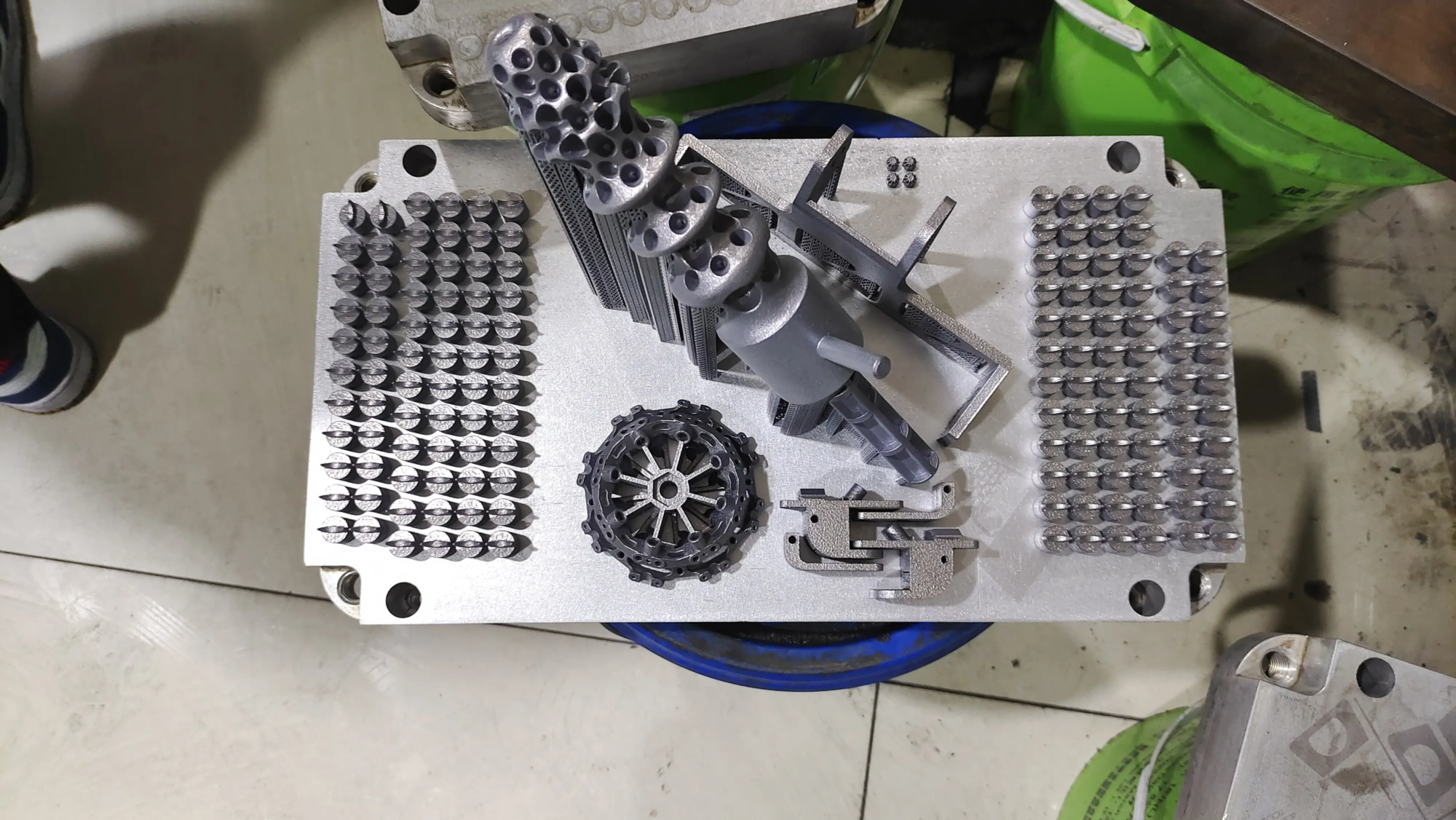
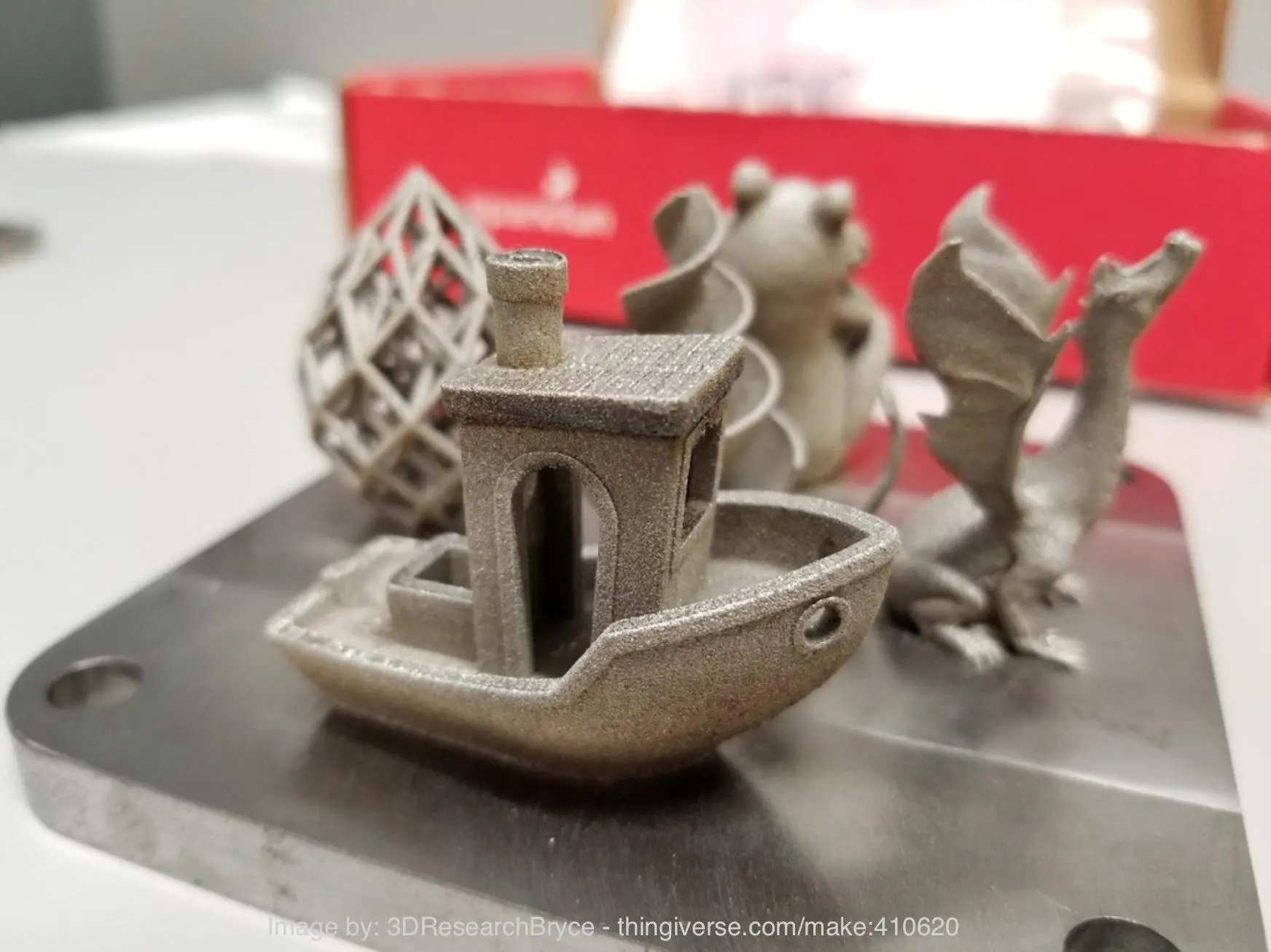
- Cutting-edge SLM metal 3D printing: Create complex, strong, lightweight metal switch panels/assemblies (stainless steel, aluminum, titanium) not possible with FDM.
- Industry-Leading Materials: Get a broad range of engineering-grade polymers (PEKK, PEEK, ULTEM™), photopolymers (SLA/DLP resins), advanced composites and metals – for demanding applications.
- High precision technology: Achieve tight tolerances, complex internal structures and superior surface finish ([mSLA/DLP/SLS/FDM/SLM]) for custom bodies or precision fit covers.
- Post-integration processing: Benefit from expert steam smoothing, professional painting, HA shot peening, laser welding, precision CNC finishing, polishing, electroplating, ultrasonic cleaning – giving your prints unparalleled durability and beauty.
- Expert design optimization: Our engineers provide advice on DFAM (Design for Additive Manufacturing), optimizing wall thickness, support minimization, orientation and material selection for electrical applications.
- Scale beyond prototypes: Leverage advanced manufacturing technologies to efficiently transition from prototype to low-volume production.
Conclusion: Light up the possibilities
3D printing your own light switch plate is a rewarding blend of creativity, practicality and modern technology. It democratizes manufacturing, enabling personalized designs tailored to your specific needs. Mastering this process allows you to solve everyday problems and enhance your living space in unique ways.
This project exemplifies how additive manufacturing can benefit individuals. However, it also highlights the unique value proposition of a specialist rapid prototyping partner for designs that require exceptional precision, advanced materials or complex finishing, particularly complex designs involving heat-resistant polymer or metal enclosures.
Whether you’re making a custom board at home or taking advantage of the advanced capabilities of a prototyping professional, e.g. huge lightThe result transforms functional necessities into tangible expressions of innovation and personality. Embrace the light – literally and creatively!
FAQ: 3D Printed Light Switches
-
Is it safe to 3D print an entire light switch mechanism inside a board?
- Absolutely not. Standard desktop filaments (PLA, PETG, ABS) are insulators but Lack of certification, long-term heat/flame resistance, tracking resistance and mechanical robustness required for components carrying mains voltage. Only the exterior switch board itself is printed. Always use certified commercially available electrical switching gear and internal wiring. Leave high-voltage components to the professionals.
-
What is the best filament for a DIY light switch board?
- People’s Liberation Army: Easy to print, wide color range, crisp. Best for interior decorative panels. Can be softened near hot lamps.
- Polyethylene glycol: Excellent choice! Stronger, tougher, more heat resistant (up to ~80°C), chemical resistant, slightly more flexible. It’s safer to stay closer to the bulb.
- ABS: Tough and heat-resistant, but difficult to print due to warping and smoke. Requires a well ventilated/heated enclosure.
- avoid: Flexible filament (TPU/TPE) for structural panels; outdoor standard materials degrade under UV/weather conditions.
-
How thick should I make the board?
- For the People’s Liberation Army: The goal is 2.5mm-4mm.For PETG: 2mm-3.5mm Due to its toughness, this is usually sufficient. * Add thick ribs/ridges behind the switch toggle screw points and edges to increase strength without making the entire board too thick. Over time, regularly inspect the board for cracks or sagging, especially PLA near heat sources.
-
Can I use existing switch screws?
- Yes, usually. Make sure the printed mounting holes match the screw head diameter and clearance hole diameter. Do not overtighten. Consider adding brass thread inserts for superior, reusable thread strength to prevent plastic peeling. Thermoset resin inserts are embedded into printed grooves for long-term durability (professional prototyping services excel in this area).
-
My printing plate is deformed! How to fix/prevent?
- prevention: Use edges/rafts, ensure perfect bed flatness/adhesion, enclose the printer if possible (especially ABS), dry the filament thoroughly, optimize cooling/warping settings in the slicer.
- Fix slight deformation: Carefully apply heat (heat gun/hot water) and gently bend back to shape on a flat surface while keeping cold (risky – avoid cracking). For PETG/PLA, taping tightly to a flat surface near the mounting point during installation can sometimes compensate.
-
How do you get professional-looking results?
- Post-processing Crucial:
- Polishing: Start with coarse-grained (120 grit) and move to fine-grained (400+).
- Primer and Paint: Fill layer lines.
- Filler/putty: Fill large layer gaps.
- High-end options (via service): Professional grade finishing includes advanced polishing (tumble/media blasting), steam smoothing* (select plastics only), durable textured coating/paint.
- Post-processing Crucial:
- When should I consider using a professional service like GreatLight to replace my home printer?
- Metal parts: The requirements for metal plates/components (strength, conductivity, aesthetics, heat dissipation) make SLM/SLS/MIM metal printers unusable for hobbyists.
- Advanced materials: Need biocompatibility, sterile environment, UL rated flame retardant certification, extreme temperature tolerance? Services provide access to specialty polymers/materials.
- Complex geometric shapes: Highly complex undercuts, lattice structures or organic shapes challenge the limitations of FDM. Technology must provide superior resolution/support removal.
- Superior finish: Achieving a Class A automotive grade finish requires industrial gear/professional post-processing, which is not feasible domestically.
- Production scale: Need >10-50 identical parts to be efficient? Professional services optimize workflow for series production.
Unleash your potential! Design your switches, embrace safety, and illuminate your home in a unique way – whether in your workshop or taking advantage of prototype technology advances from experts shaping the future.