Use 3D printing to purify the air in your workshop: DIY miter saw dust cover
As any woodworker knows, the relentless battle with sawdust dominates life in the shop. Miter saws, while essential, are notorious for spraying fine dust particles everywhere. While commercial dust collection accessories exist, they are often generic, expensive, or incompatible with unique saw designs. Enter 3D printing: A precise, cost-effective solution for making Custom dust cover This actually works. This project combines DIY ingenuity with modern technology to create a high-performance accessory that truly purifies the air.
Why dust control is important
Fine dust is more than a nuisance. Long-term exposure to wood particles can pose serious health risks, including respiratory problems and allergies. Effective dust removal improves visibility, extends tool life and keeps your shop clean. A well-designed dust shield can capture debris at the source before it disperses, making it more effective than relying solely on ambient air filtration.
Why 3D printing wins when it comes to custom dust shields
The traditional hood manufacturing process requires tedious cutting and joining of plastic or metal sheets, resulting in imperfect seals and air leaks. 3D printing revolutionizes this process by enabling:
- Precision tailoring: Digital models are matched to the unique geometry of your saw down to the millimeter.
- Optimize airflow: CAD tools allow engineers to simulate and optimize internal piping for maximum suction efficiency.
- Material flexibility: Use abrasion-resistant polymers (such as PETG or ASA) that can withstand mechanical vibration and flying debris.
- Solve problems quickly: Printing parts overnight versus days of manual manufacturing.
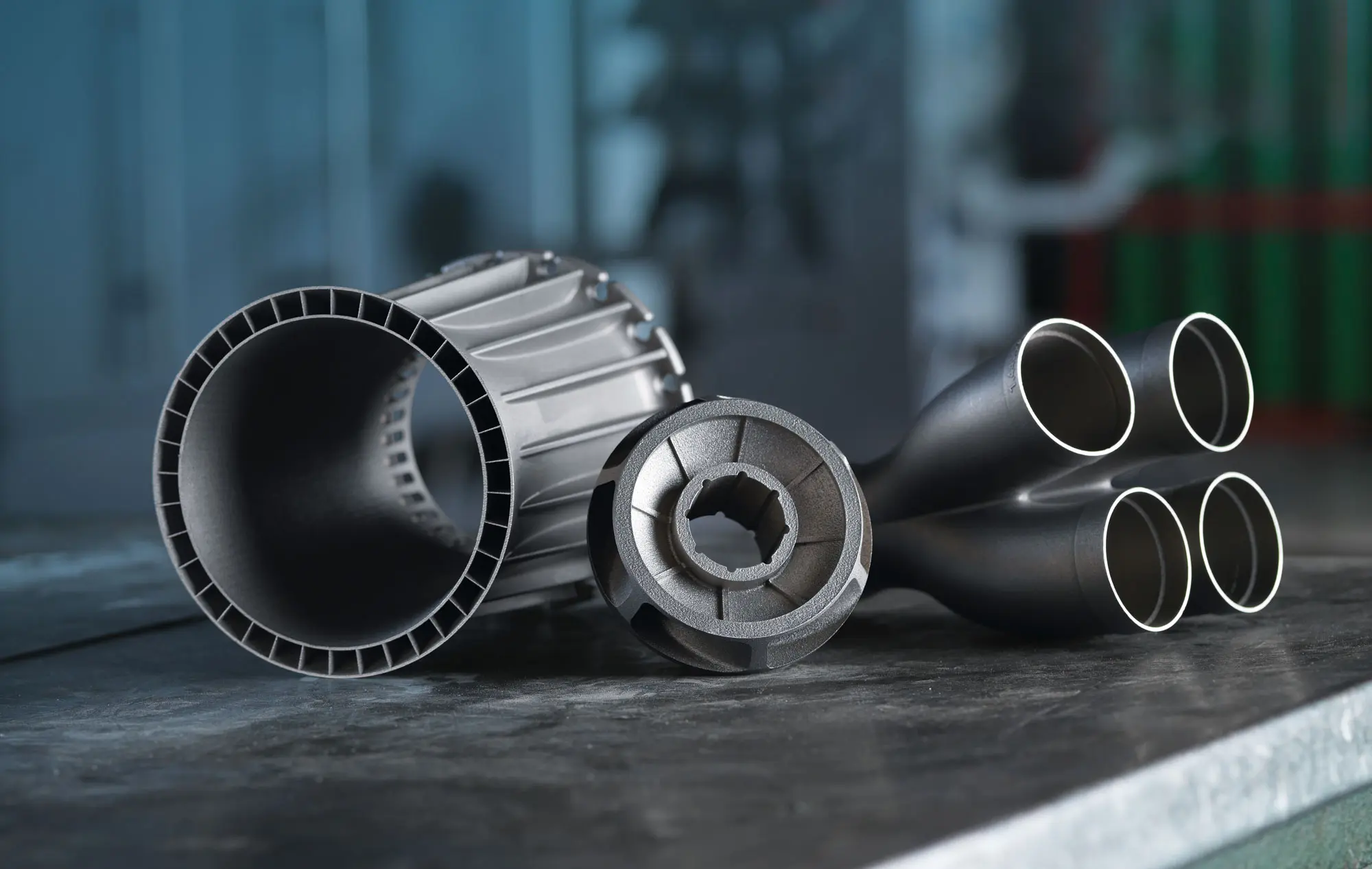
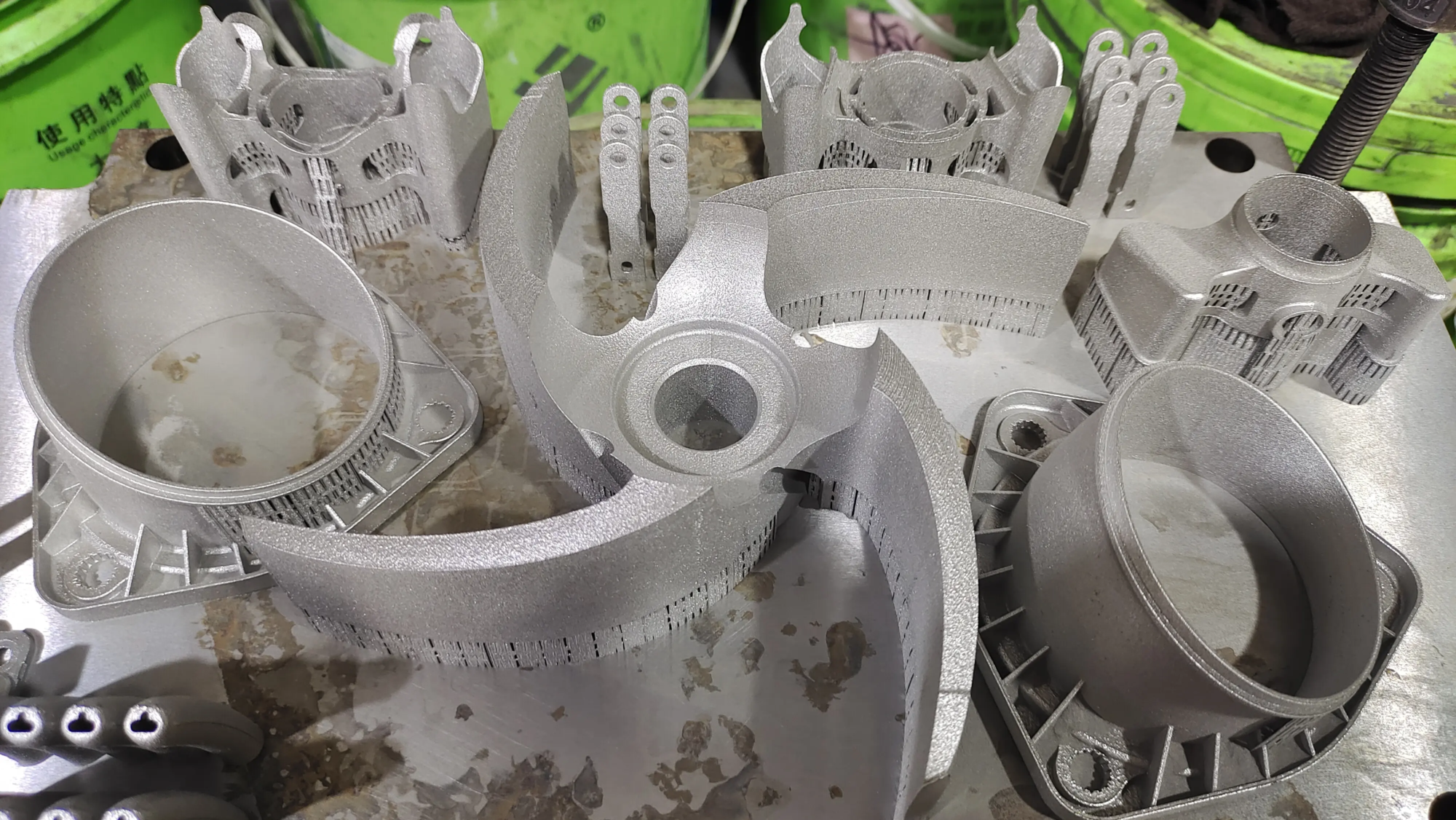
For projects that require extra tough or metal parts (such as brackets in industrial settings), use the Professional prototyping services Ensure longevity. Services such as huge light Specializes in such applications. Adopt industry SLM metal 3D printerthey transform designs into precise functional parts, backed by comprehensive friction-resistant finishing. Their expertise bridges DIY innovation and heavy-duty reliability and is invaluable for complex fixtures.
Making a Dust Cover: A Step-by-Step Guide
Tools/Supplies:
- Calipers and digital angle gauges (for measuring)
- CAD software (Fusion 360, Onshape or Tinkercad)
- PETG/ASA filament or obtain professional 3D printing services
- Clear polycarbonate sheet (for viewport)
- Silicone sealant and machine screws
Phase One: Design
- extensive measurement: Document key dimensions: blade guard clearance, rear/top ports, fence location, and sloped/mitered paths.
- Hood modeling: Design a tapered shield (angle approximately 35°) to guide airflow to the shop vacuum port with a gap of less than 1 mm. Make sure there is no interference during saw articulation.
- Pipeline optimization: Utilize chamfers/fillets within pipes to reduce turbulence. Includes flange for mounting and slot for optional polycarbonate window.
Phase Two: 3D Printing
DIY method:
- Material: PETG (heat-resistant/impact-resistant) or ASA (UV-resistant/weather-resistant).
- Settings: 30% hex fill, 0.2mm layer, 3-4 perimeters.
- Orientation: Avoid pipe internal supports – orient ports vertically.
For tips: Complex geometries benefit from Metal 3D printing For strength. company likes huge light Leverage SLM technology Print aluminum or stainless steel hoods with internal channels that cannot be machined with traditional machining methods, ideal for high-use shops.
Phase Three: Assembly and Installation
- The mating surfaces are polished smooth. Apply silicone sealant around the edge adjoining the saw.
- Use the bolts/toggle to secure the hood to the pre-printed mounting points. Reinforce corners prone to cracking with metal L-shaped brackets.
- Attach the polycarbonate window using M3 screws/sealant.
- Connect to vacuum via 2.5" Hose ports (standardized or custom).
calibration
Run the test at all pitch/miter angles. if