Ride the wave of innovation: How 3D printing can change jet nozzles guide manufacturing
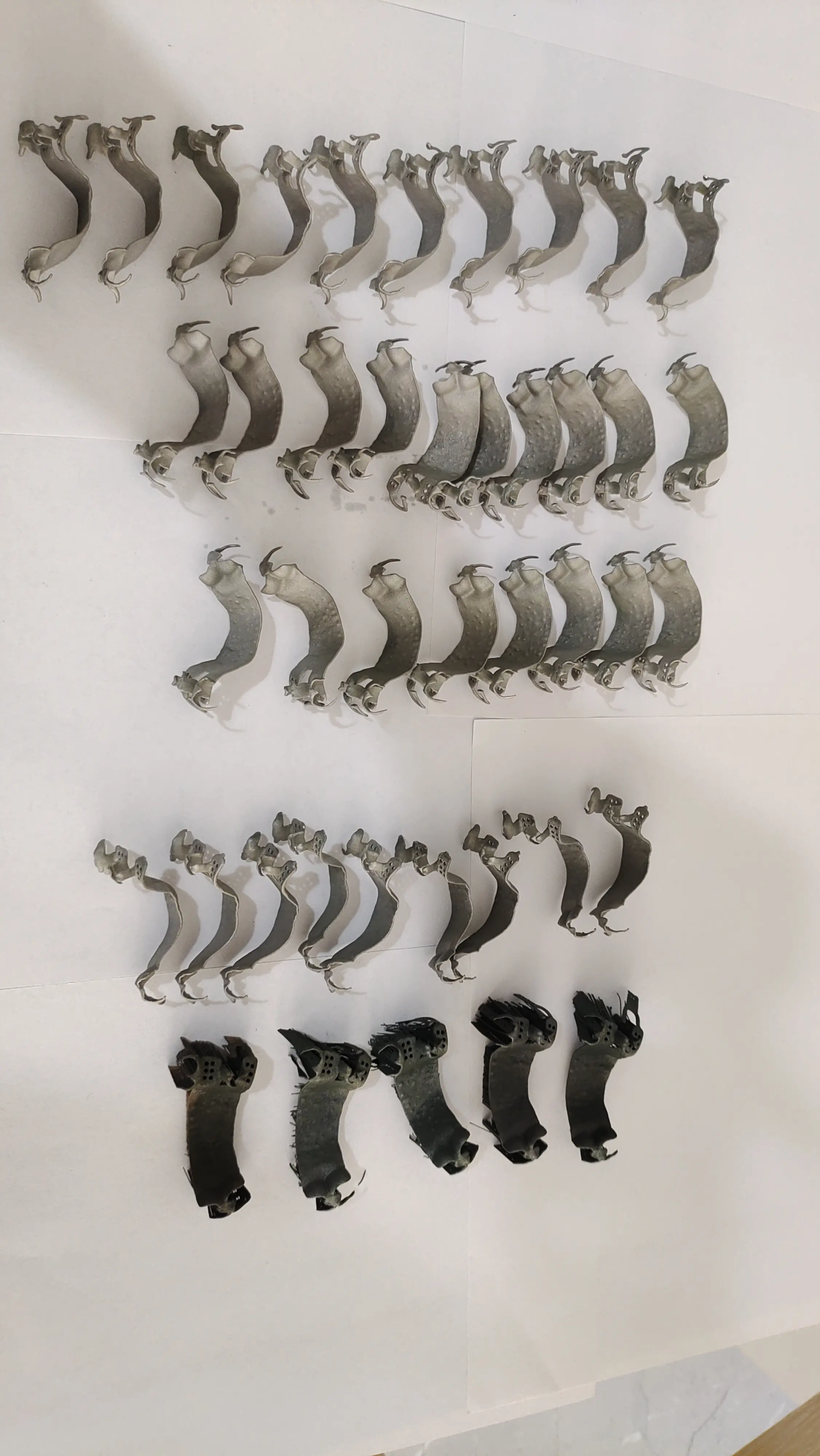
The thunderous roar of the slices of motorcycle skis is not just the original force, but about precise engineering. The core of this ship is Jet Ski Nozzle Guidea key component that guides high-speed water flow to guide the vehicle. Traditionally, processed with stainless steel or aluminum, nozzles guide the face of cruel conditions: corrosive brine, abrasive sand and strong liquid pressure. Now, Metal 3D printing The rules for making these parts are being rewrite. That’s why the transition is not just a splash.
Why 3D printing is better than traditional methods
-
Aggressive customization and performance growth:
- Optimized hydraulic medicine: 3D printing can make it impossible to perform complex internal geometry (such as spiral blades or conical throats). This reduces turbulence and improves thrust efficiency and speed.
- Weight loss: Topologically optimized design reduces weight by 40–50% while maintaining strength, improving agility and fuel economy.
-
Unrivaled speed and flexibility:
Prototype-to-production cycle shrinks from weeks to days – critical for racing teams that test nozzle changes. Do I need to adjust the 0.5° steering angle? How many minutes does CAD adjustment take? - Material mastery:
- Marine grade metal: 17-4ph stainless steel (corrosion resistance), titanium Ti6al4v (Strength to Weight Champion) and Inconel 625 (Extreme Wear Resistance) are ideal for salt water combat.
- Beyond Metal: High temperature polymers like PEEK allow the use of functional prototypes without tool costs.
The secret to successful design of 3D printing nozzles
- Simulation-first approach:
Computational fluid dynamics (CFD) can predict water flow patterns, while finite element analysis (FEA) models stress points. This prevents cavitation risk and fatigue failure - Thick wizard:
Strategy thickened impact zones (~3-5mm) paired with thin sections (1-1.5mm) to balance durability and weight savings. - Integrated features:
Combining the multi-part assembly into one print-eg, combining mounting flanges or cooling channels.
Great Advantages: Engineering Excellence from Printing to Poland
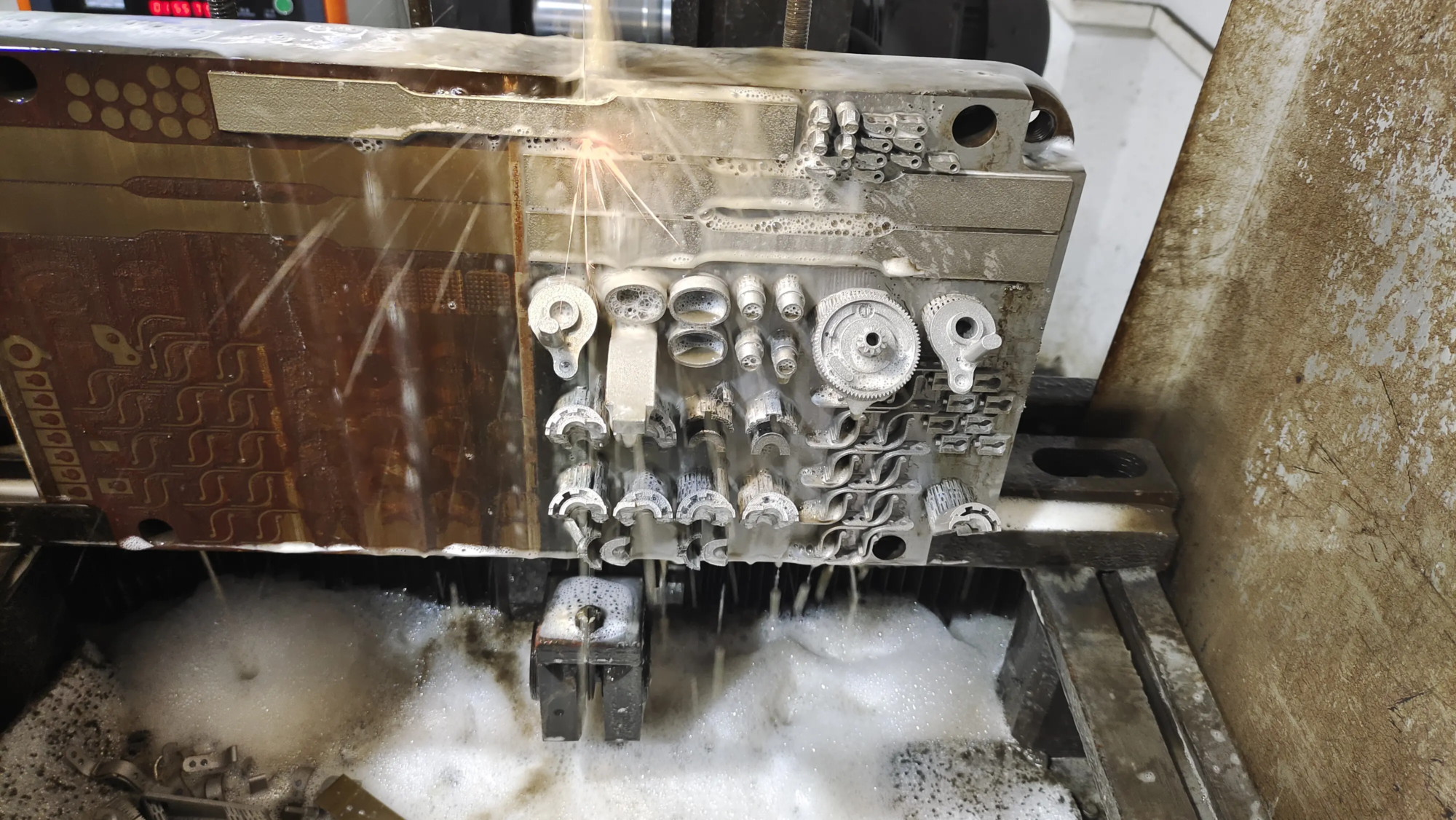
Precision SLM printing: Our industrial grade selective laser melting (SLM) system melts metal powder into dense, non-porous structures. Tolerance reaches ±0.1mm – the key to hydrodynamic surfaces.
Perfect post-processing:
- Heat treatment: Solution annealing enhances corrosion resistance in stainless steel.
- Buttocks (heat etc. applied): Optional for mission-critical parts to eliminate internal gaps.
- CNC completed: The surface of the processing hole is minimized by <0.8μm.
- Ceramic coatings:Altin or DLC coatings add antibacterial and wear barriers.
quality assurance: Every nozzle guide happens:
- 3D scanning and CAD model
- Dye penetrant inspection microcracks
- Salt spray test for each ASTM B117 standard
Case Study: Winning Performance Advantage
A motorboat racing team requires a nozzle guide to reduce speeds of 0-60 mph. Greglight offers a ti6al4v design with topologically optimized internal blades, Cut weight by 48% And increase peak thrust by 15%. After more than 50 hours of brine testing, zero erosion was detected – thanks to the diamond-like carbon coating.
Conclusion: Future printing
3D printed motorboat nozzle guides are not only to replace; they are performance multipliers. By leveraging granular control of geometry, materials and finishes, riders gain responsiveness, efficiency and durability in parts produced by CNC. For engineers pushing boundaries in the field of marine technology, additive manufacturing has the potential to unlock waves, and Greglime is leading the charge Each application has SLM expertise and end-to-end completion.
FAQ: 3D Printed Jet Ski Nozzle Guide
Question 1: Can 3D printed nozzles deal with brine corrosion for a long time?
Answer: Absolute. Material matters: 316L stainless steel and Ti6al4v natural resistance to brine. Pairing them with ceramic paints like our Altin can extend life outside of traditional bronze or aluminum guidelines.
Q2: How much does it cost compared to CNC processing?
A: For complex designs, 3D printing usually costs Fewer– No expensive tools or wasteful materials. Simple geometry may benefit high volume CNC. We optimize according to your production needs.
Q3: What time is the turnover?
Answer: Prototypes within 3-5 days; production parts include coatings within 10-15 days. Compare the multi-axis CNC settings for more than 4 weeks.
Q4: Are printed parts fragile?
A: No. SLM printed metals reach 98–100% density, matching forged material properties. Heat treatment further improves ductility and resistance.
Q5: Can I make nozzles without metal printing?
Answer: Yes! Peeping the polymer prototype Simulate metal behavior for process testing. Cost reduction in 60% in 48 hours, the cost of the vessel – ideal for design verification.
Question 6: Can 3D printed guides prevent railways (stiff steering)?
Answer: Yes! Customized blade geometry with smooth water outlet flow. The design of the CFD drive offsets the lateral force that causes the railway, which is common in plane nozzles.
Great: Where innovation meets water. Work with our ISO certified team to conquer your next marine engineering challenge – rapiD prototyping or production grade. Each nozzle guide we print reflects over 15 years of mastery in precise SLM and post-processing solutions.
Customize your nozzle guide →