Nail salon revolution: How 3D printing is shaping the future of fashion
Forget about simple polishes and acrylic overlays. The next frontier in personal decoration, specifically nail art, is descending from the digital realm. 3D printed nails are rapidly evolving from niche experiment to mainstream fashion statement, promising unprecedented levels of creativity, personalization and integration of technology. This is not just an incremental change; This is a fundamental shift in the way we conceive and wear accessories. Powered by advanced technologies like Selective Laser Melting (SLM) – it’s precision machinery experts like this huge light Everyday Use – 3D printing is rewriting the rules of nail art.
From imagination to fingertips: breaking limits
Traditional manicure techniques (gel, polish, acrylics) have inherent limitations. Complex geometries, intricate interlocking patterns, seamless integration of non-traditional materials such as metals or ceramics, and truly unique sculptural forms are often tedious, time-consuming, or simply impossible to achieve by hand. This is where additive manufacturing shines. By building designs layer by layer directly from digital models, 3D printers overcome these obstacles:
- Unprecedented complexity: Think honeycomb lattices thinner than a hair, microscopic filigree that echoes architectural marvels, or miniature sculptural forms that cannot be carved by hand. 3D printing makes these complex geometries feasible with extraordinary precision. Modern printers can achieve resolutions that rival the finest brushstrokes.
- Radical personalization: real customized become reality. The scanner captures the exact shape of your nail bed, while the software lets you (or your stylist) create a custom design: a zodiac sign mapped to your fingertips, a personalized monogram woven into a lace-like structure, or a design inspired by your favorite artwork – Made to Measure your Nails perfect. Mass customization reaches the micro level.
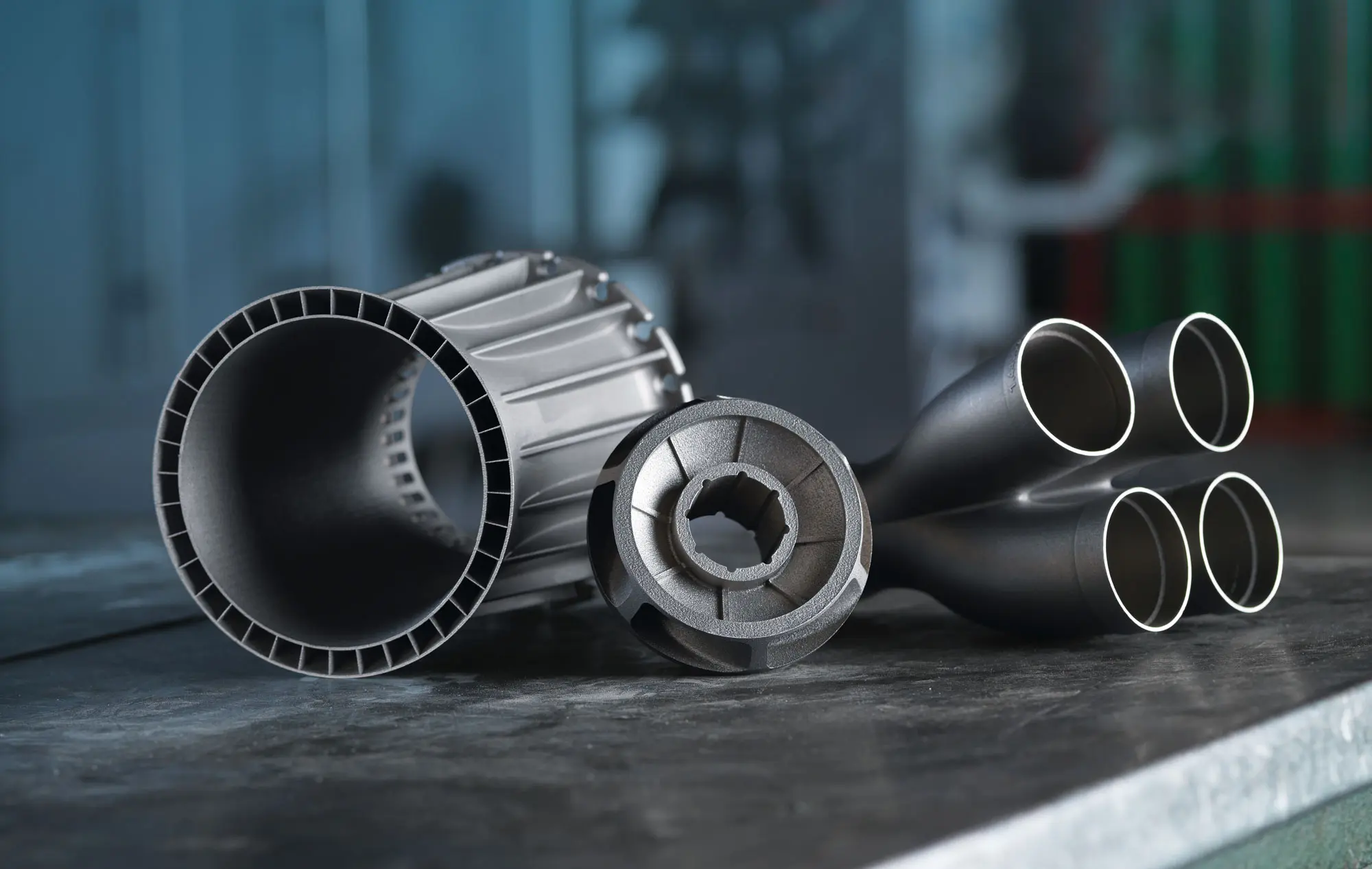
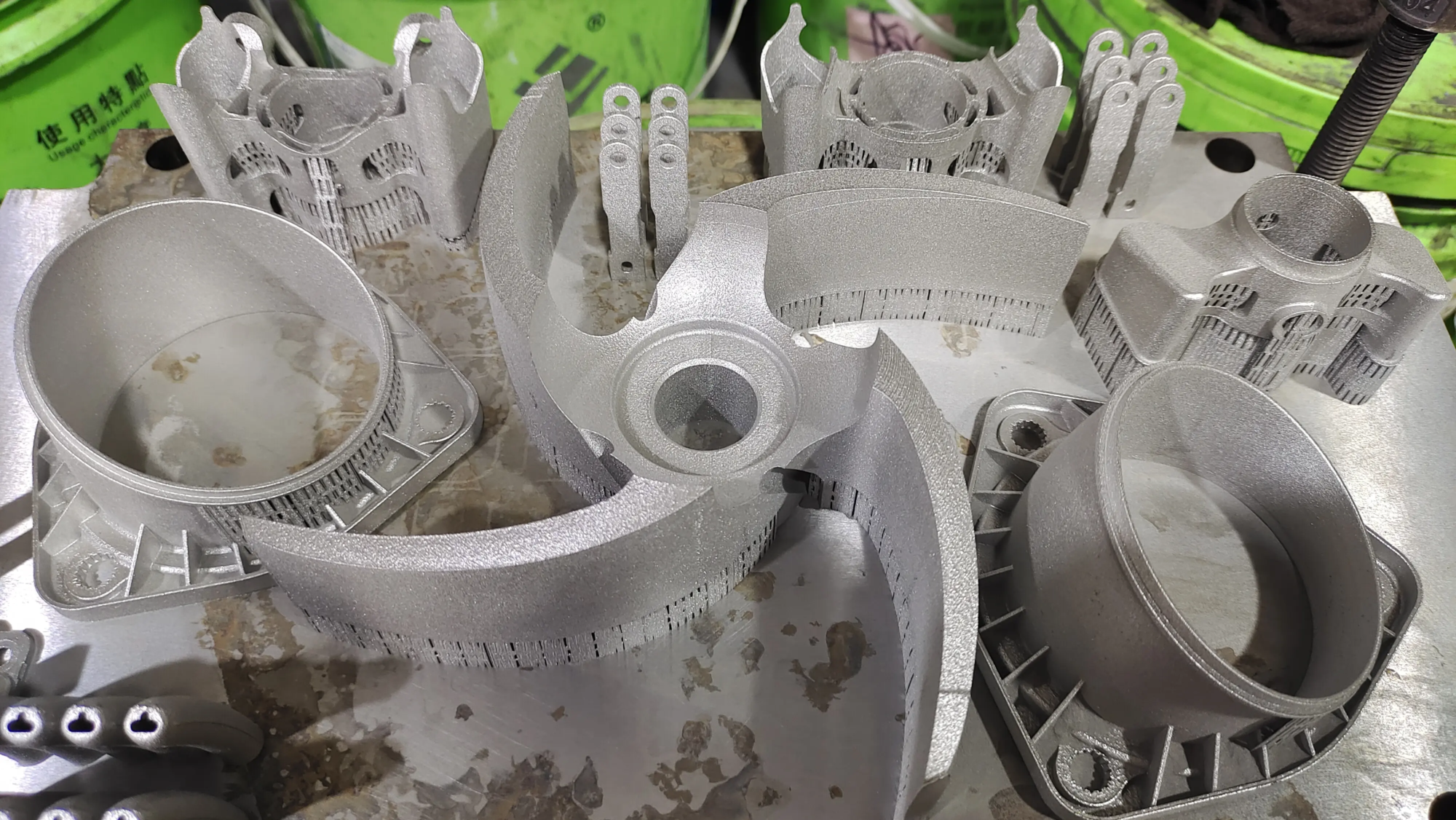
- Materials innovation beyond polymers: While complex photopolymer resins dominate in terms of aesthetics (providing translucency, flexibility and biocompatibility), Metal printing enters the stage. Pioneering niche applications utilize technologies such as SLM to sinter fine titanium powders into ultra-light, structurally strong metal parts – think delicate titanium framing nails decorated with integrated micro-jewel inlays, or composite designs that blend areas of flexible polymer with rigid metal trim. (That’s where the deep expertise in industrial metal prototyping, perfected by companies like GreatLight for demanding applications, translates directly into pushing the boundaries of what’s fashionable.)
- Speed and reproducibility: Once a digital design is perfected, it can be very efficient to replicate it perfectly as a full set or to create a matching set for an event. Compared with manual engraving, the prototyping cycle of complex designs is greatly shortened.
- Integrations and features: This is a truly futuristic advantage. Integrate micro-LEDs for a light-emitting tip. Embedded with a near-field communication (NFC) chip, digital business cards can be shared with just a touch of your fingertips. Explore thermochromic materials that change color with temperature, or piezoelectric elements for subtle sensory feedback. Your fingertips become an interactive interface.
Designer’s digital studio
For manicurists and fashion designers, 3D printing opens up a new creative dimension. Designers are no longer limited by manual flexibility or material limitations. They can:
- Iterate quickly: Test designs virtually, adjust geometry instantly, and print prototypes in hours to accelerate creative exploration.
- Global cooperation: Digital design files allow artists around the world to easily share, modify and remix nail designs.
- Bridging fashion and art: Create miniature sculptures inspired by haute couture collections, architectural landmarks or natural forms, turning nails into miniature wearable art galleries.
Gretel’s precision: realizing the future of customized fashion
While consumer-grade nail printing is on the rise, achieving truly complex, miniaturized, durable or hybrid (polymer/metal) designs requires industrial-grade precision and material mastery – core strengths of professional rapid prototyping services.
huge lightWith its advanced SLM printers and deep expertise in metal powder sintering and post-processing, it embodies the key link between ambitious design concepts and wearable reality.
- Need a titanium frame with integrated fluid channels filled with colored resin? Their SLM capabilities enable microscopic metal structures.
- Imagine making polymer nails embedded with intricate wires in the same print job? Multi-material approaches are cutting-edge, leveraging deep process understanding.
- Does biocompatible resin need to be rigorously tested after printing? Their commitment to precision extends to materials science and safety.
- Want a perfect surface finish that mimics polished chrome or satin metal on a polymer base? Professional post-processing techniques honed on industrial prototypes result in a luxurious aesthetic.
Future Landscapes: Beyond Decoration
The trajectory points to truly integrated wearable technology:
- Biosensing: The cap uses nanosensors to detect metabolites, hydration levels or stress indicators.
- Tactile feedback: Provides a subtle physical feel to interactions with virtual environments.
- Sustainable materials: Increased use of biodegradable resins and recycled powders aligns with conscious fashion principles.
- Salon on demand: A print station in a boutique or salon can design and print fully customized manicures while clients wait.
- Collaboration with high fashion: Deepening partnerships with haute couture houses, nail sculptures are seamlessly integrated into runway collections.
Conclusion: Fingertip foundation for future fashion
3D printed nails are more than just a passing trend; they represent a paradigm shift at the intersection of digital fabrication, materials science, art, and wearable technology. They erase the boundaries between accessories, art forms and functional interfaces. While mastering the complex adhesion dynamics and biocompatibility to achieve truly seamless integration remains a focus of ongoing development, the potential is staggering. Pioneers in precision rapid prototyping, e.g. huge light Possessing a technology stack from advanced SLM equipment to meticulous finishing expertise is critical to transforming the boldest digital manicure visions into scientifically rigorous and aesthetically stunning realities. The future of fashion isn’t just about the body; It’s crafted with care, layer upon layer, right down to our fingertips.
FAQ: Demystifying 3D Printed Nails
-
Do 3D printed nails work like push-on nails?
- Currently, many are designed to be removable adhesive manicures—essentially high-tech press-on manicures. Permanent application methods involving gel/acrylic resins under or around printed elements are evolving but require specific biocompatible resins and specialist application.
-
Are metal 3D printed nails heavy?
- Metal printing, especially using SLM, can create complex lattice structures, resulting in extremely lightweight components. Even with its solid titanium design, it’s surprisingly light for its strength. The focus was on minimizing material while maximizing aesthetics through sophisticated design.
-
How durable are they?
- Durability varies based on materials and design complexity. Advanced photopolymers are elastic and comparable to high quality acrylics/gels. Metal parts (like titanium prints) are very strong, but can be more brittle if designed to be thin. Designs must balance aesthetics with structural integrity – a core challenge to be addressed during the prototyping process.
-
Is it safe? Materials that come into contact with skin?
- Safety is paramount. Well-known designer/manufacturer must Uses dermatologically tested biocompatible resin certified for prolonged contact with polymer parts. Metal parts (especially the interior) also need to be skin-compatible. Always verify material certifications, especially when wearing them for extended periods of time.
-
Can I design it myself at home?
- There are entry-level consumer nail printers and small resin printers that often require a pre-approved design or very simple customization. Designing complex, durable, professional-grade nails often requires CAD software expertise, specific printer capabilities, and materials science knowledge—areas in which professional prototyping services specialize.
-
Is SLM practical for mainstream manicure?
- Currently, SLM metal printing remains expensive and is best suited for prototypes, niche luxury goods, or hybrid designs that include metallic elements. Its niche lies in pushing the boundaries of complexity, integration with electronics or unique metallic aesthetics achieved by prototyping experts. Mainstream adoption relies more on advanced polymer printing.
- What role do companies like GreatLight play?
- Advanced manufacturers solve technical problems: accurate micro printing, Material compatibility test, hybrid design Engineering, complex Post-processing (polished, smoothed, colored), ensure structural integrityand transform design concepts into manufacturable reality. They bring industrial rigor to wearable art.