The Fun of Savings: How 3D Printing Innovates DIY Pig Bank
Nothing symbolizes financial mindfulness like a pig bank. But what if you could turn this childhood staple into a personalized functional work of art? Enter 3D printing– A technique to turn everyday objects into customizable miracles. For DIY enthusiasts and parents, teaching kids money, the 3D printed Pig Bank combines creativity, engineering and practicality. That’s why this trend is causing the fire, and you can take advantage of it even if you don’t own a printer.
Why 3D printed pig bank?
- Unlimited customization
Forgot the universal porcelain pig. Use 3D printing, design spaceships, pet similarity or mini treasure chests. Tinkercad or Fusion 360 grants all creative freedoms and other tools. - Educational Value
Design Bank introduces children (or beginners) to CAD software, mechanical concepts such as moving parts (e.g., screw top covers) and materials science. - Cost-efficiency
Plastic filaments (PLA/PETG) are priced at $20/kg – multiple small banks. Metal options (such as aluminum) are more expensive, but are perfect for heirloom pieces. - A playground for solving problems
Combined with a filter slot, the slot size or design accessible currency room can improve engineering skills.
DIY Process: From Ideas to Reality
Step 1: Design Intelligence
- Coin slot mechanics: Make sure the slot fits large coins (e.g. 25mm in diameter) and removes debris. Use tapered edges.
- Removable base/cover: Integrated threaded or friction plug. hint: Add an O-ring groove to the seal seal.
- Structural integrity: Avoid weak overhang. Use 15–20% filler for lightness and durability.
Step 2: Materials are important
- PLA: Best for beginners – bright colors, easy to print. Not ideal for hot car (deformed at 60°C).
- Petg: Food safety, heat resistance and child resistance. Great for rough treatment.
- Metal (stainless steel, aluminum): Used for professional, weight-bearing finishes. An industrial printer is required (more on this later).
Step 3: Printing and Post-processing
Home printers can be used in plastics, but metals require professional-grade technology. If using nylon or metal, consider steam smoothing or sandblasting for polishing. Safety Instructions: If reused as a candy can, be sure to use food safety paint.
No printer? Work with experts
Not everyone has a $3,000 printer, and even hobby machines are struggling with metal or complex details. That’s where Rapid prototyping Blinking the gap:
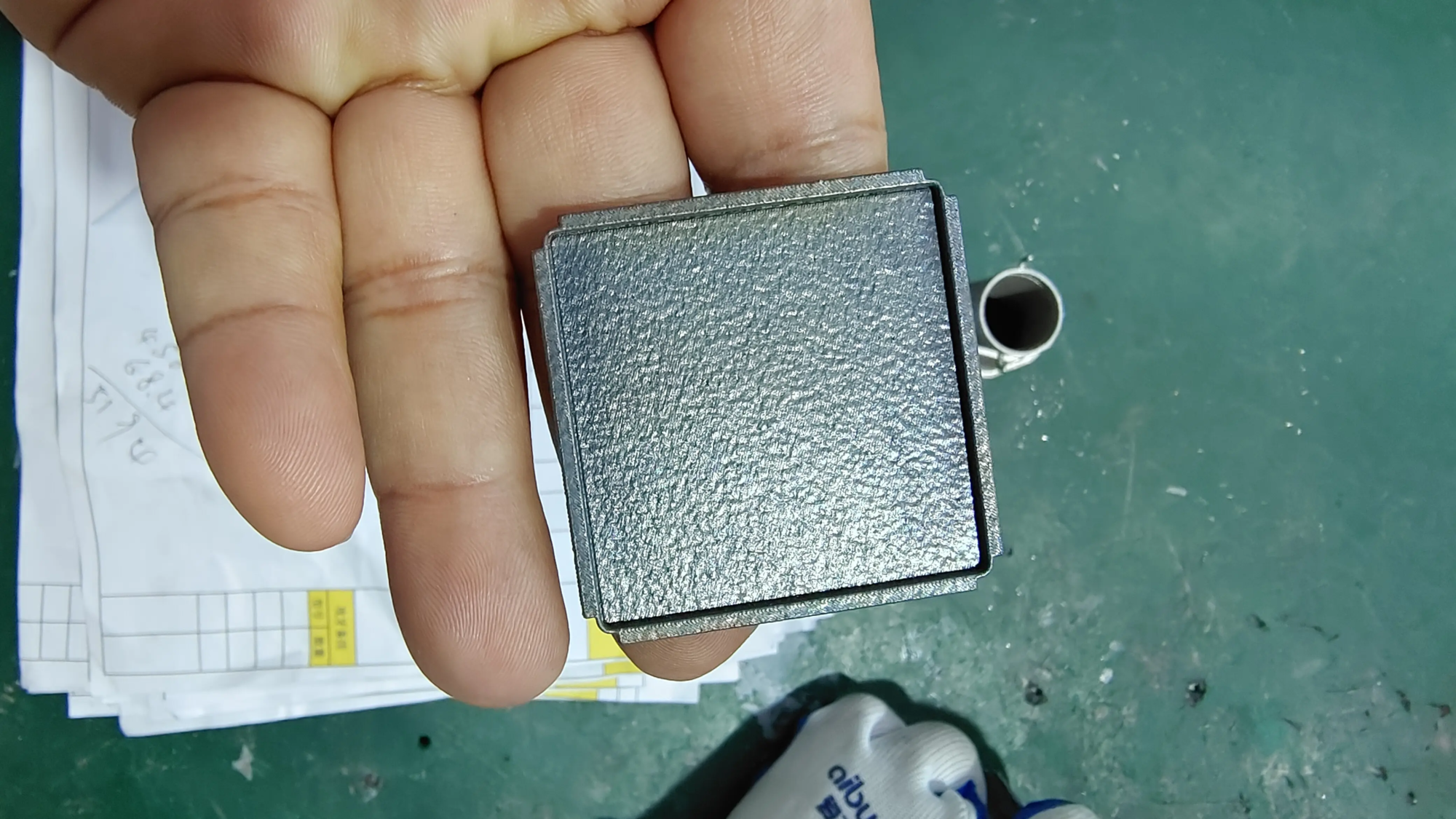
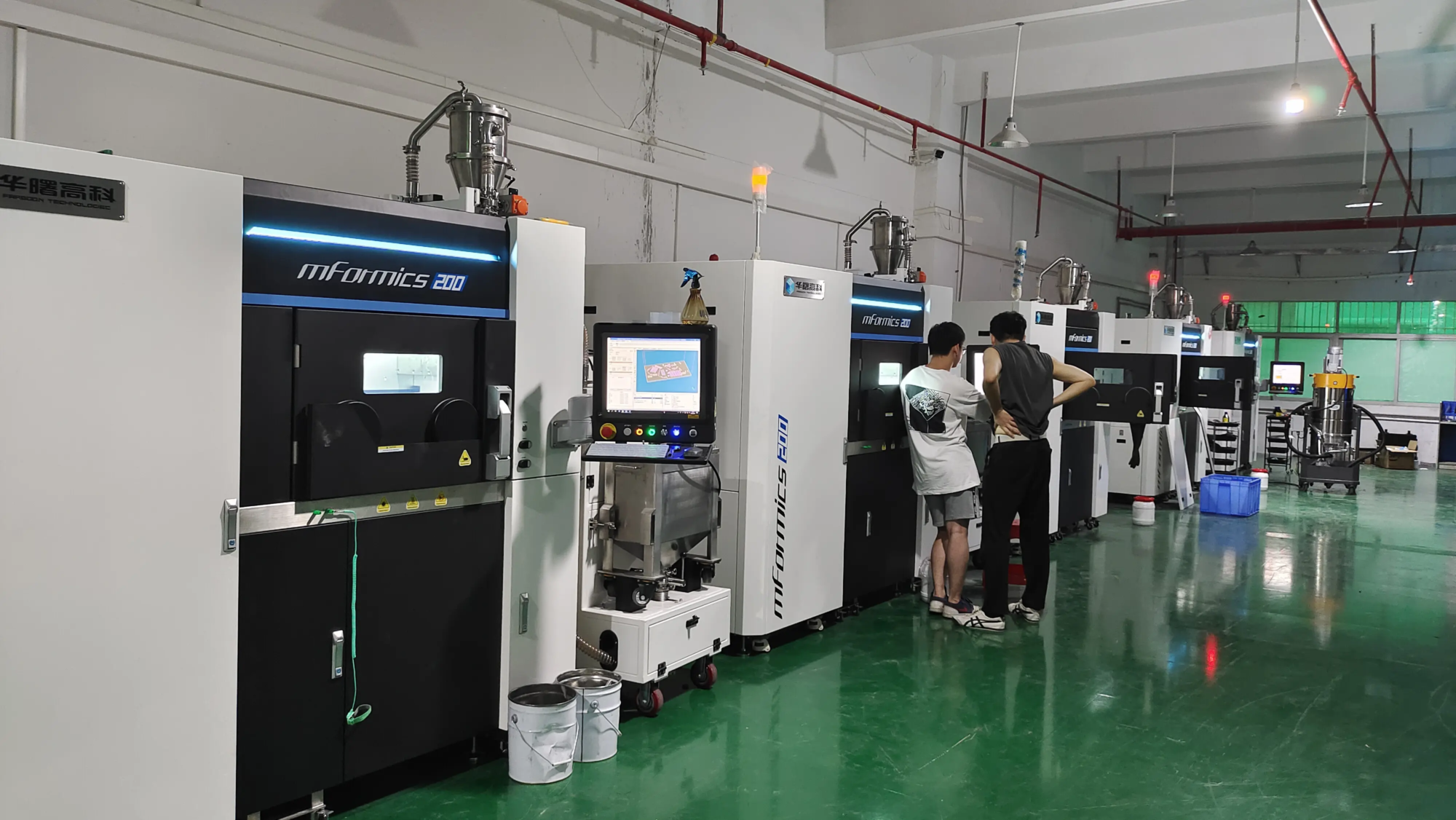
- Industrial-grade precision: We use SLM (Selective Laser Melting) 3D Printer For use in aluminum, titanium or steel without complete metal storage library – no structural weakness.
- End-to-end process: From testing your design to machining smooth seams with CNC, our post-processing ensures bank vault-grade durability.
- Speed and scalability: 100 units are required to get a wedding? We transferred batches in a few days rather than months.
- Material Guide: In addition to PLA, we also print with impact-resistant resin, wood polymer hybrid car and even copper filament texture.
Real hackers: Upload your DIY design to Greatlight’s instant reference platform. Cloud-based tools mark structural flaws before printing, saving you expensive redo.
Conclusion: Not just coin catchers
3D printed Pig Bank democratizes manufacturing – integrating art, function and financial literacy. Whether you are printing a dinosaur bank for young children or commissioning a titanium anniversary gift for a financially versatile partner, this blend of technology and tradition allows everyone to create meaning from scratch. Use similar services Greatlimitations disappear: complex geometry, advanced metals and bulletproof durability become accessible. So sketch Dream Bank and let innovation drive your savings journey.
💡 Ready to start? Check out Greatlight’s “Foundless 3D Printing Preparation” design guide.
FAQ: 3D Printed Pig Bank
Q1: Can I 3D print a pig bank with mobile gear?
Yes! Smooth rotation is performed using interlocking parts with a gap of 0.2-0.5 mm. Greatlight’s SLM printers achieve ±0.05mm accuracy – ideal for dynamic design.
Q2: Is Plastic Pig Bank safe for children?
PLA/PETG is non-toxic but coated with food grade epoxy interior if stored candy. Metals are safer for young children who are prone to occur.
Question 3: How much does it cost to metal 3D printing banks?
Palm-sized aluminum libraries start at around $45 (depends on design). Batch orders to increase unit cost by 30-50%.
Q4: What is the maximum size possible?
Greglight’s printers can handle printers up to 400 x 400 x 400mm – think of life-sized pig heads or riverbanks as decorations.
Q5: How long does it take to print?
Plastic: 4–8 hours (home printer). Metal: 1–3 days through Greatlight, including completion.
Question 6: Can I recycle old banks?
PLA is compostable; metal is infinitely recyclable. Send us scraps – we will regenerate or melt them!
Have custom project query? Chat with Greatlight Engineers – We prototype your bank vision prototype at unrivalled speed. 🌟