Unlocking Customization: The Ultimate Guide to 3D Printing Remote Control Car Cars
Remember that sinking feeling when the body of your precious RC car cracked after an epic jump? Or frustrated after finding the perfect look for your scaler only to find out it’s sold out? What if you could design, adjust, and print exactly how you envisioned? Welcome to the world of 3D printed RC bodies – a revolution in customization, durability and creativity happening on a track and trail near you.
Why 3D print RC body?
Factory establishments have restrictions. They were mass-produced, prone to brittle failures, and lacked uniqueness. 3D printing breaks down these barriers:
- Super customized: Design replicas of real racing cars, sci-fi gear or fantasy beasts. Adjust size, add spoilers or integrate lights seamlessly.
- Performance tweaks: Tailor aerodynamics for high-speed stability, add vents for motor cooling, or optimize weight distribution.
- Durability and repair: Use impact-resistant materials or print spare parts immediately after a collision. No more waiting for a replacement!
- Cost efficiency: For complex or custom designs, printing often trumps expensive prefabricated bodies.
Important upgrade tips: Think of the printed body as an important performance component, not just a decorative component. Precision is important.
Phase 1: Design your masterpiece
This is where your vision takes shape digitally:
- software: Use Fusion 360, Tinkercad or Blender (for organic shapes). Beginners start with Tinkercad; professionals take advantage of Blender’s sculpting tools.
- Source file: Sites like Thingiverse or Cults3D offer free/paid designs. Modify them or build from scratch.
- Key design considerations:
- Customs clearance: Consider shocks, suspension travel, tires and motor. Underestimating = disaster.
- Aerodynamics: Smooth curves > sharp edges. Add functional vents and diffusers strategically.
- Mounting point: Design sturdy holes or tabs that are compatible with your case (e.g. post mount, magnetic mount).
- Wall thickness: Typical value is 1.5mm-3mm. Higher speed/pressure? Thicker.
- weight: Minimize unnecessary mass – padding settings help (more on that soon!).
Professional insights: Reverse engineer your existing body by taking measurements with calipers, or digitize it with photogrammetry applications.
Phase Two: Choose Your Weapon: Materials
Material selection determines durability, finish and flexibility:
- age Polyethylene glycol: Best choice for most attackers. Excellent impact resistance, good layer adhesion, better heat/bend resistance than PLA. It’s a little more difficult to draw.
- age ABS: The surface is hard and durable after smoothing with acetone. Tends to warp when printed; requires a casing.
- **Nylonмость: Unparalleled toughness and flexibility for high-impact play. Hygroscopicity – Requires drying before printing.
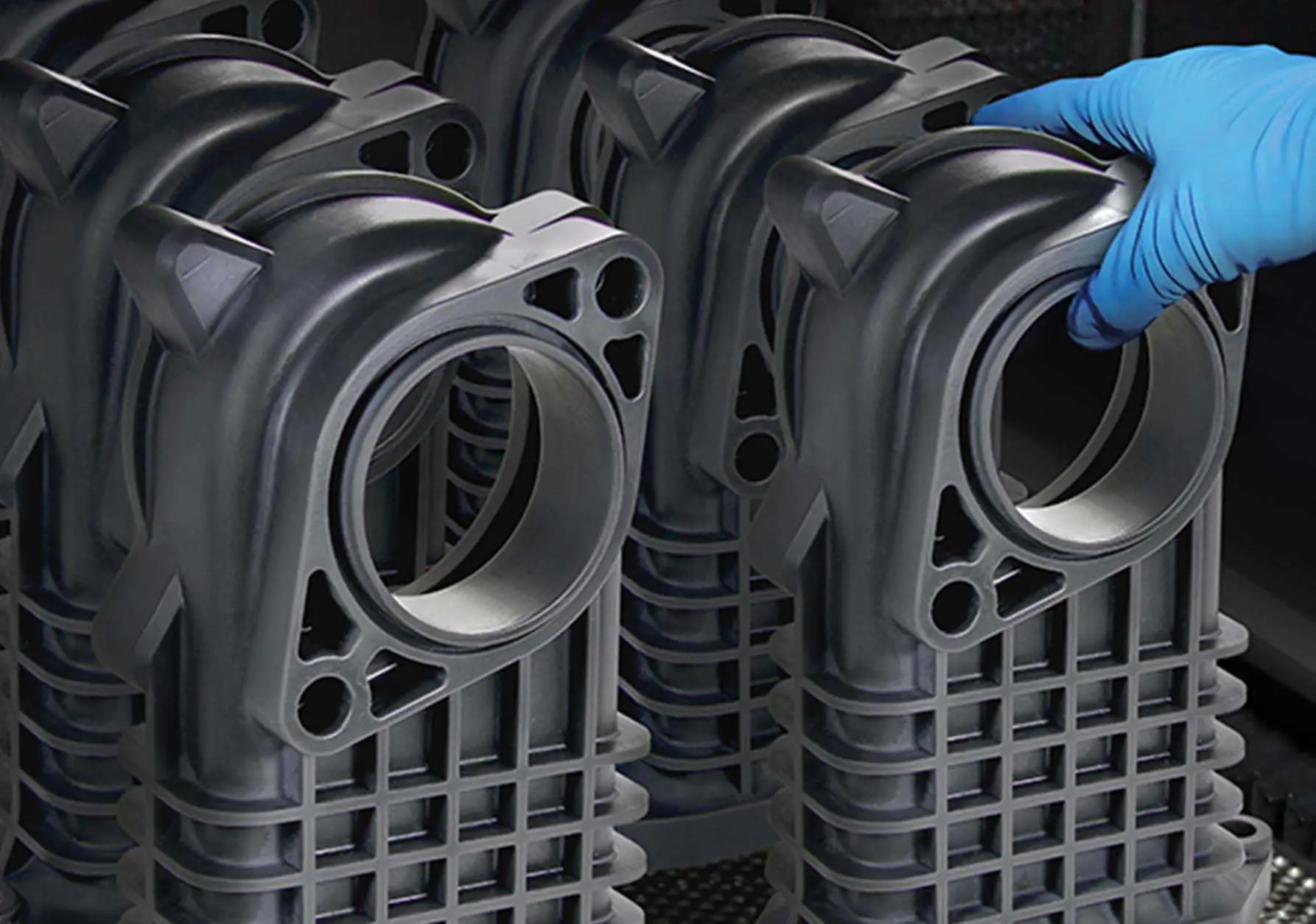
- age Engineering resins (such as ABS resin, tough resin): SLA printing delivers an ultra-smooth finish and exquisite detail. Fragile in severe impact; requires UV curing.
- Avoid PLA: it can shatter from impact and heat up "melt" Under the scorching sun!
Field testing: For high-velocity hitters, PETG is the way to go. The crawler body can use flexible TPU to make bumpers.
Stage 3: Print RC Excellence
Not all prints are created equal – dial in the settings carefully:
- Printer type:
- Frequency division multiplexing: Affordable and can handle tough materials like PETG/nylon. Pay attention to threading.
- Service Level Agreement: The scaler body is stunningly detailed, but structurally weak. Requires resin handling/safety.
- Key settings:
- Layer height: 0.1mm-0.2mm (SLA can be made thinner).
- Fill: 15%-30% Grid/Gyro. Density ≠ Strength – Prioritize the number of outer walls (3-4).
- Wall/Perimeter: Rigidity increased to 3+.
- Orientation: Print curved sections vertically for superior strength.
- Bracing: Custom bracing is critical for complex drapes. Remove with care!
+N* Cooling: Minimum fan speed for ABS/PET; PLA High. - Shell: Non-negotiable ABS/Nylon – prevents deformation.
Professional traps: Don’t underestimate bed adhesion! Use a glue stick/PEI sheet and level the bed appropriately.
Stage 4: Turn Printing into a Professional: Post-Processing
Printer complete – you begin:
- Support removal:Pension insurance Snip flush-cutters/files. For resins, rinse/isopropyl bath.
- Polishing: Wet sanding for paint preparation from 120 grit to over 400 grit.
- **