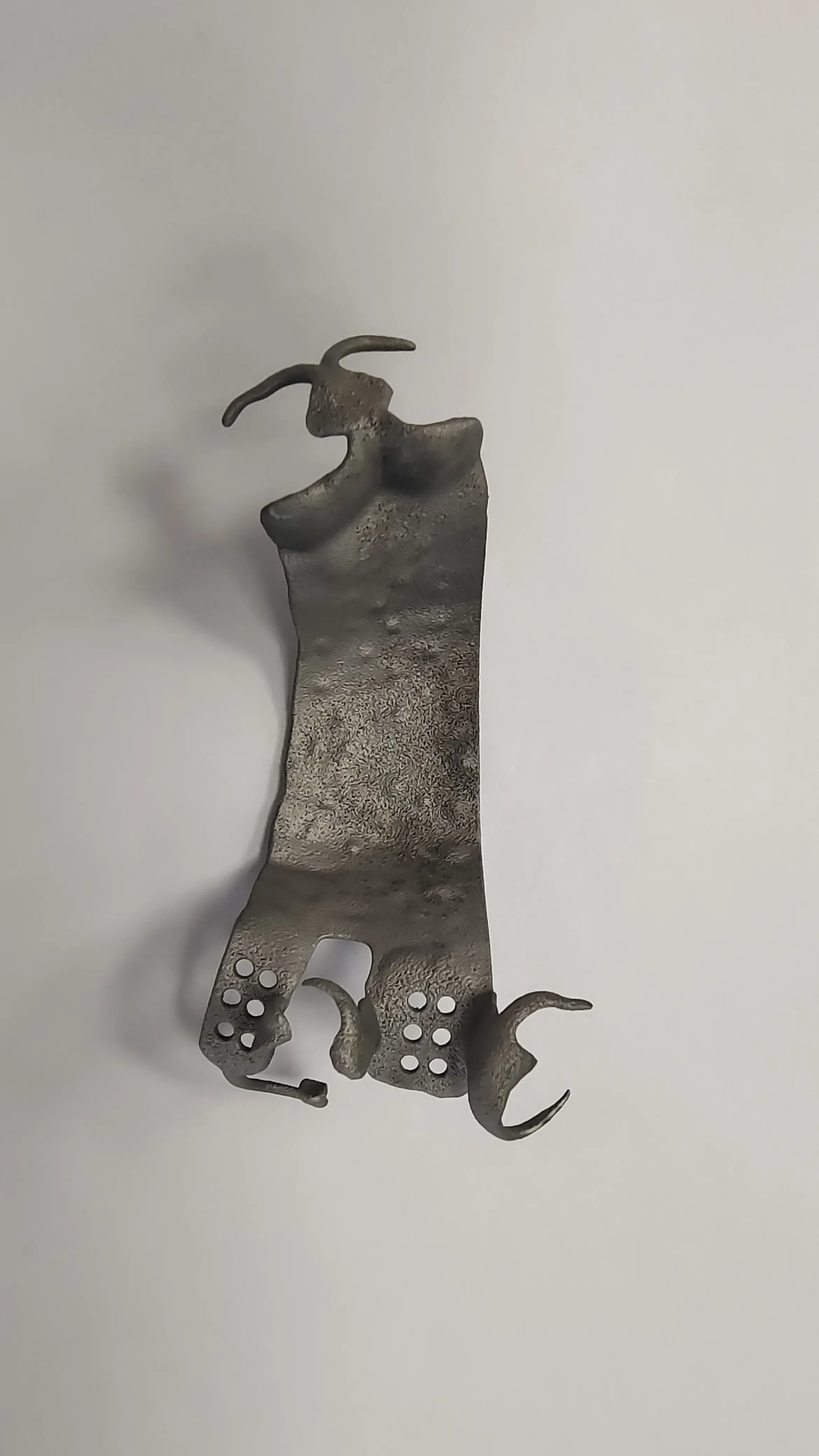
In the ever-evolving world of archery, equipment innovation plays a key role in improving accuracy and consistency. A crucial but often overlooked component is Arrow restespecially for recurve bows. Traditionally made of metal or plastic, these rests have now been revolutionized 3D printingachieve unprecedented precision, customization and performance optimization. As pioneers of rapid prototyping, we have seen first-hand how this technology changes professional components – Arrow Static is no exception.
Why 3D printing for archery components?
Repeated arrows are still in the complexity of deception. They must:
- Provide frictionless arrow gap during issuance.
- Withstand repeated stresses and vibrations.
- Lightweight without compromising durability.
- Adapt to unique bow geometry and archer preferences.
Traditional manufacturing usually involves compromises in one or more of these areas. 3D printing is enabled by:
- Custom made: Each dimension of the grooves, arrows or painting styles of the bow are tailored. Whether you are going to have a recurring Olympics or live archery, you can adjust the design in CAD software and print it in hours.
- Quick iteration: Test multiple prototypes in one day. On-site flexibility issues? Redesign and reprint without expensive tool delays.
- Material innovation: Use high-performance polymers Nylon 12 (Anti-impact) or Thin filaments infused with carbon fiber (light stiffness). For extreme conditions, Aluminum alloy or titanium Unrivaled intensity is printed with SLM (Selective Laser Melting).
- Weight optimization: Generate designs create organic, hollow structures that reduce mass while maintaining integrity – critical to minimize bow torque.
Manufacturing Edge: A Break from CAD to Completed
At Greatlight, our streamlining process ensures professional-grade results:
- Design stage: Work with archers to rest with models in Autodesk Fusion or Solidworks. Variables include shelf angle, arm length, reduction features, and hook style.
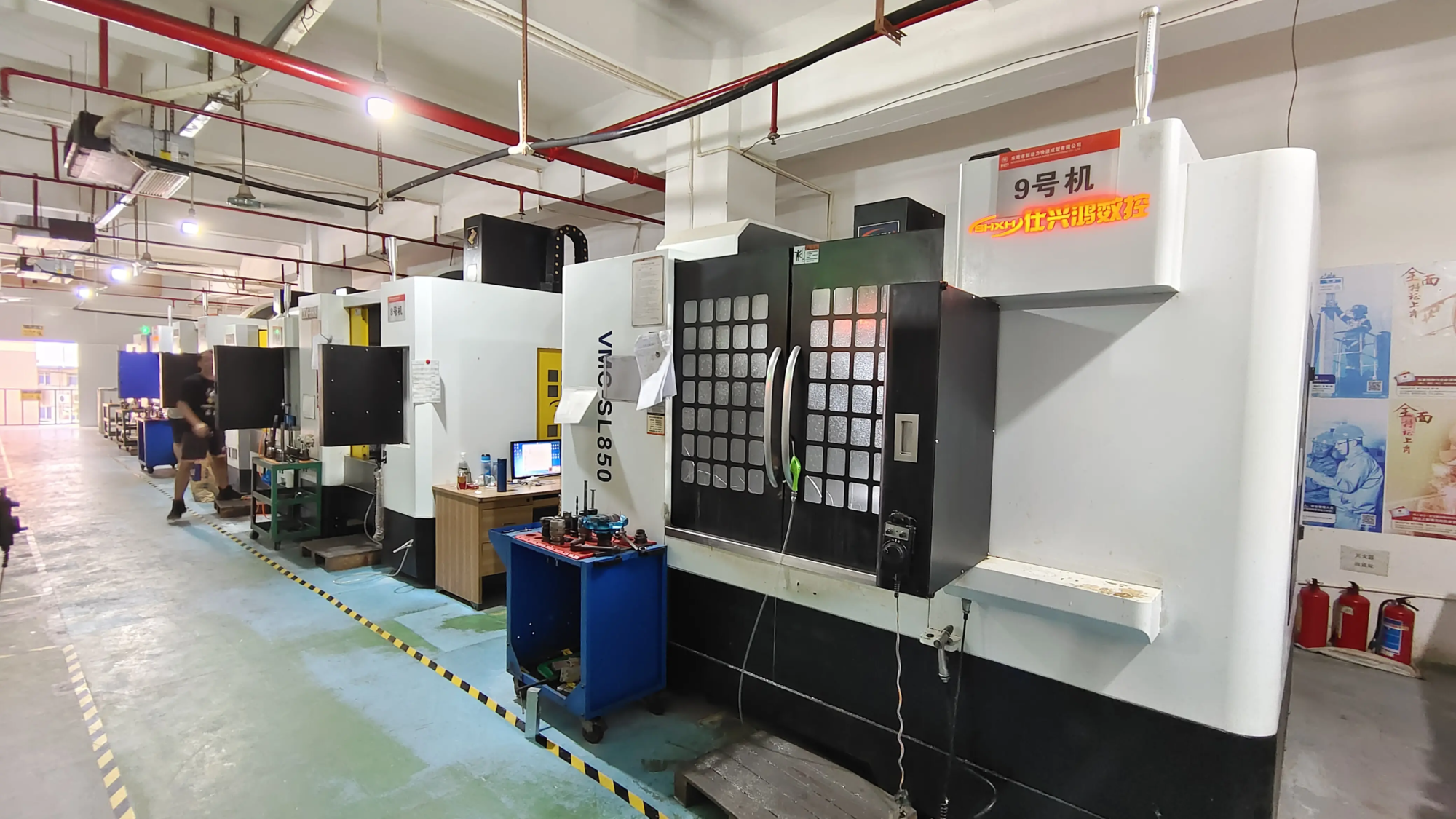
- print: For plastic rest, SLS (Nylon) Make sure there are no support marks and smooth surfaces. For metals, our industry SLM printer Achieving a density of >99% and an accuracy of <20 microns.
- Post-processing: Bead blasting, polishing or anodizing for reducing friction and aesthetics.
- test: Laboratory-level load analysis verifies stress distribution and fatigue resistance.
Case Study: Solving the “Break” Problem
A highly competitive archer struggles in an unstable grouping due to the oscillation of the arrow after release. We designed a mixed break:
- one Titanium-based (SLM printing) Rigid.
- Interchangeable Nylon Weapons With tuning elasticity.
- The inner damping chamber is filled with silicone.
result? Group size tightened by 40% with a zero rebound of 70 pounds.
Better than ready-made rest
- cost: No injection mold required – Ideal for small batch injection molds.
- Repairability: Broken arm? Print for later.
- experiment: Try a risk-free magnetic, flip-like or preloaded design.
in conclusion
3D printing is not only the novelty of repeated loop archery – this is a The necessity of competition. By combining athlete-specific designs with aviation-grade materials, archers gain the advantage of tailoring that mass-produced parts cannot match. At Greatlight, we specifically transform this niche concept into high-performance reality. With SLM, SLS, CNC finishes and fast turnaround capabilities, we enable innovators to push boundaries. Customize your next arrow rest – precise, redefined.
FAQ
Q1: How durable is 3D printed plastic stationary?
Nylon 12 and carbon fiber composites withstand more than 10,000 photos under repeated tension. For heavier bows and arrows, aluminum alloys are almost indestructible.
Q2: Can you match the weight of a traditional rest?
Yes. Generative designs usually produce mild 20–50% parts by eliminating the mass of death – a boon for balancing sensitive repetitive transformation.
Q3: What about noise reduction?
Multi-matter designs (e.g., TPU shock absorbers with nylon arms) silent string vibrations more effectively than individual metals.
Question 4: How long does it take to produce?
Prototype: 1-2 days. Finished parts: 3-5 days, including surface treatment (if required). The hasty request was accommodated.
Question 5: Do you provide design services?
Absolutely. From concept sketches to stress simulations, our engineers make sure your breaks are consistent with FITA or NFAA regulations.
Question 6: Can I print myself with a desktop printer?
Simple PLA rest work is for leisure use, but professional archery requires industrial SLS/SLM to resist heat/UV. Desktop printing lacks the accuracy and consistency of elite competition.
Question 7: What is the price range?
Custom plastic breaks are about $30. Metal version (titanium/aluminum): $90-$150. The cost of bulk orders has dropped significantly.
Question 8: Are they compatible with all repetitive partners?
We design everywhere your Bow’s installation specifications and arrows are via sizes – send measurements or scans for perfect fit.
Greglight_: The project is successful, one floor at a time. Since 2011, mission-critical prototypes have been possible with Olympic hopeful and trusted by engineers.