Exploring the Legality and Reality of 3D Printed Revolvers: A Deep Dive
The advent of 3D printing continues to reshape manufacturing, pushing boundaries in fields from aerospace to medicine. However, its intersection with firearms—particularly the emergence of downloadable files for printing revolvers—has raised complex legal debates and significant safety concerns. Understanding this requires looking beyond viral headlines to the stringent regulations governing such devices and the inherent dangers they pose.
Navigate the tangled legal web
Making guns through 3D printing does not sidestep existing gun laws; it enters a heavily regulated space. The main legal frameworks include:
-
Undetectable Firearms Act (UFA – USA): This federal law is critical. it explicitly prohibit Manufacture, possess, or transfer any firearm that cannot be detected by standard airport metal detectors (i.e., contains less than 3.7 ounces of steel) or It lacked enough protruding steel parts to be recognized as a firearm by X-ray scanners during security screening. For the 3D printed revolver:
- Plastic frame: Full plastic frame/receiver (regulated "firearm" Part) inherently violates UFA unless permanently integrated with a sufficient amount of detectable metal. Just add a removable metal piece (like a nail) no sufficient; the metal must be eternal and integrated into the design during the printing process.
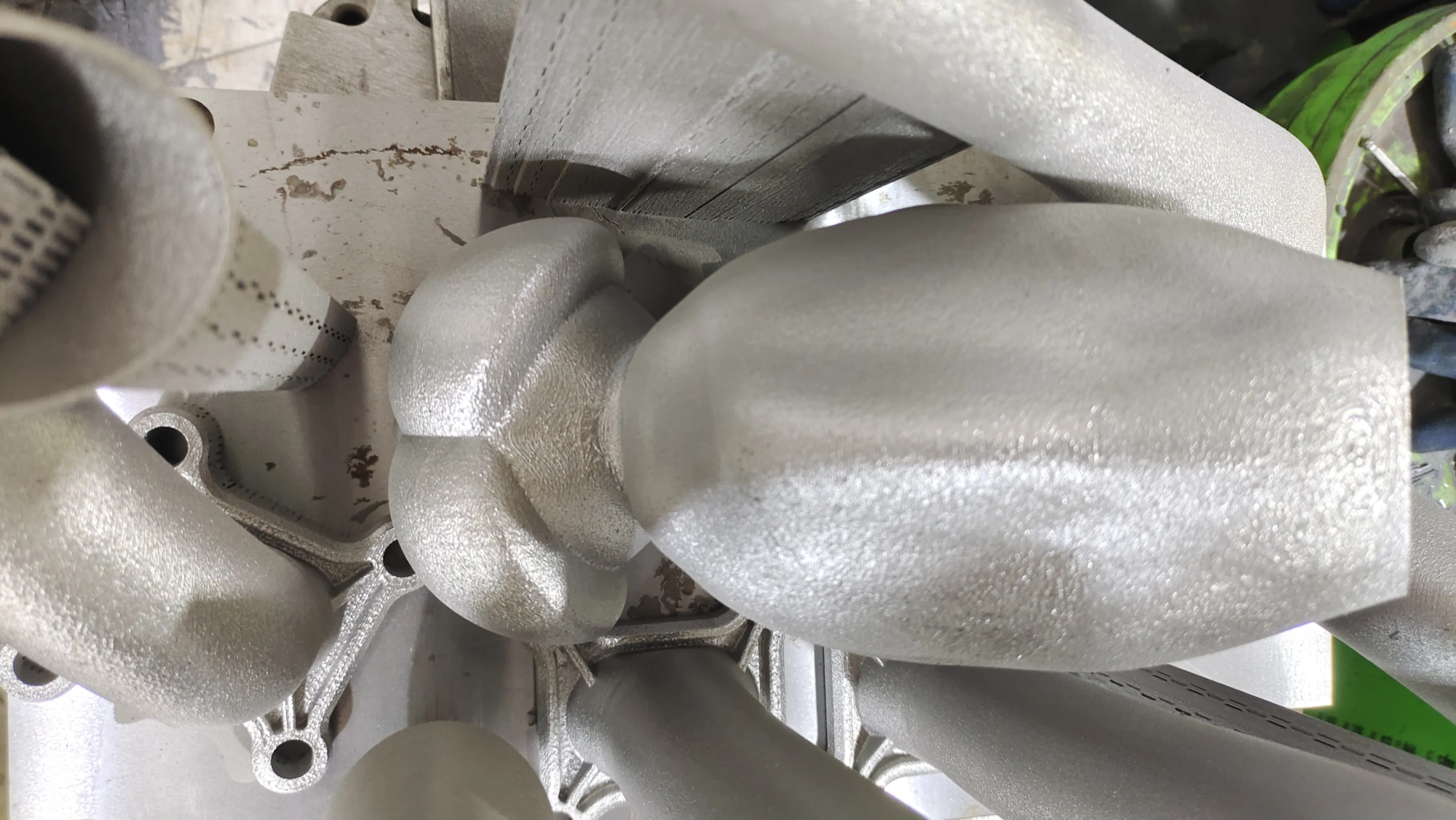
- Printed metal frame: While companies like GreatLight have advanced metal 3D printing capabilities (e.g., SLM – Selective Laser Melting), manufacturing a revolver’s frame/receiver still requires meeting strict Federal Firearms License (FFL) requirements, serialization requirements, and background checks—the same as traditionally manufactured firearms. It is illegal to do so without an FFL.
-
State and local laws: Many states and cities have laws that are even stricter than federal regulations. These could include an outright ban on the production of unserialized firearms ("ghost gun"), ban specific material or restrict the dissemination of digital files. For example, California’s law is much broader than the federal UFA.
- International differences: Laws outside the United States are generally much more restrictive. Most countries tightly control the manufacture and ownership of firearms, making home production of any functional firearm, whether 3D printed or not, illegal without a specific, hard-to-obtain license. Exporting firearm parts or digital files internationally faces strict ITAR (International Traffic in Arms Regulations) restrictions.
It is crucial to: Distribution of digital files (such as STL files) of firearms subject to the U.S. Munitions List without State Department approval is a violation of federal export control laws (ITAR/EAR). Many legal cases have been brought against online repositories that host such files.
Beyond Legality: Inherent Risks and Limitations
Even assuming one can navigate the legal minefield, significant technical risks remain:
- Catastrophic failure: Consumer-grade FDM printers primarily use thermoplastics such as PLA or ABS. These materials are lacking Tensile strength and heat resistance The pressure required to create pressure when firing a revolver bullet. Attempting to shoot a plastic-framed revolver, especially with anything other than very low-power cartridges, carries a high risk of catastrophic failure – a violent explosion of the cylinder or frame, posing a fatal hazard to the user and bystanders.
- Metal printing challenges: Professional metal 3D printing (SLM/DMLS) using materials such as stainless steel or titanium able Produce structurally sound components. Howeverthis process requires:
- Expertise: Precise parameter control of powder handling, laser settings, stress management and heat treatment.
- Certification: Printed metal frames/receivers require rigorous non-destructive testing (X-rays, CT scans) to detect internal voids or defects that could cause failure – an expensive step "Just click print."
- Safety: Manufacturing gun parts requires dedicated facilities that adhere to strict explosive environment safety standards, which are not commonly found in typical prototyping shops.
Ethical Manufacturing: The GreatLight Position
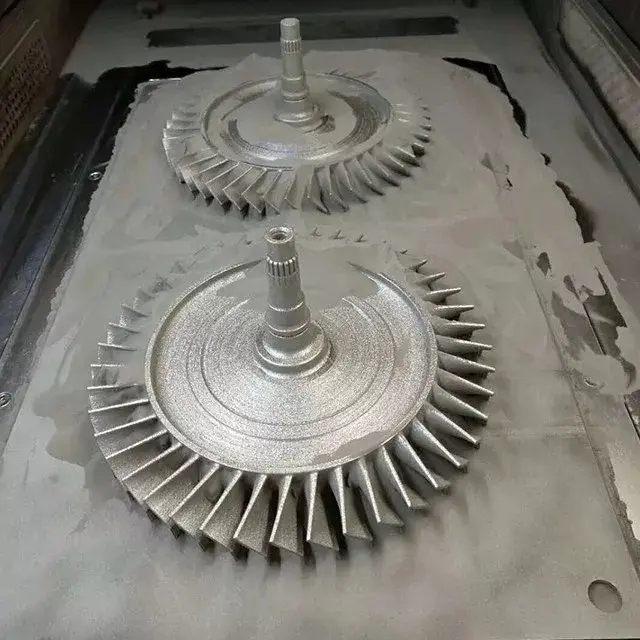
As a leading rapid prototyping manufacturer, using state-of-the-art metal SLM printers and comprehensive post-processing technology, GreatLight operates strictly within legal and ethical boundaries. Our ability to produce complex, high-strength metal parts serves important industries:
- Aerospace supports and lightweight structures
- Medical implants requiring biocompatible metals
- Customized Industrial Machinery Parts
- Prototype critical systems for the automotive and energy industries
- A one-stop solution integrating printing, precision CNC machining, heat treatment, surface treatment and assembly.
Crucially, GreatLight does not and will not be involved in the production of functional firearms, frames or receivers, whether for fully assembled weapons or individual components. Our technology supports responsible innovation in industries that prioritize safety, quality and regulatory compliance. Not only does manufacturing a firearm require a specialized license (FFL) that is beyond our scope, it also violates our commitment to the safe and legal use of additive manufacturing.
Conclusion: Innovation within boundaries
Hype around "downloadable guns" often masking harsh realities. Legally speaking, using consumer methods to produce a functional 3D printed revolver without violating federal UFA laws (especially regarding detectability) would be nearly impossible using plastic materials, and would be completely illegal without an FFL for metal printing. Technically speaking, the plastic version is very unreliable, while safely producing the metal version requires industry expertise, rigorous testing and proper licensing – a far cry from home printing.
The true power of advanced metal 3D printing, represented by companies like GreatLight, lies in its revolutionary capabilities Legal and responsible Prototyping and manufacturing. It accelerates design iterations, enables complex geometries not possible with traditional methods, and delivers high-performance components that drive industry advancements. It is critical to understand the clear legal prohibitions and inherent dangers surrounding 3D printed firearms such as revolvers. Innovation thrives when guided by strict ethical principles and a strong commitment to safety and law.
FAQ: 3D Printed Revolvers
-
Is it legal to own a fully 3D printed revolver?
- In the United States, have any gun (including 3D printed) are required to comply with federal, state and local laws. However, a firearm made primarily of plastic may violate the Undetectable Firearms Act (UFA) because it cannot be detected by standard security inspection equipment. Metal-printed revolvers comply with standard firearms regulations and require licensing and serialization to be legal.
-
Can I legally print a gun frame myself at home?
- Printing frame or receiver (required by law "firearm") You yourself face major obstacles:
- Violation of UFA regulations: This is federally illegal without enough detectable metal permanently integrated.
- State Law: Many states now explicitly ban owning/manufacturing unserialized firearms ("ghost gun").
- Metal printing: Commercial manufacturing of firearms (and even parts) requires a Federal Firearms License (FFL). Serialization and background check requirements are often not circumvented by using expensive metal printers at home.
- Printing frame or receiver (required by law "firearm") You yourself face major obstacles:
-
How about printing only the non-regulated parts?
- Uncontrolled parts such as grips, stocks, and even some revolver decorative parts possible Whether it can be legally printed simply depends on the overall gun accessory laws in your jurisdiction. Without a regulated frame/receiver they can’t turn the object into a functional firearm. However, check state and local laws carefully.
-
Are plastic 3D printed revolvers safe to shoot?
- Absolutely not. Standard consumer printed plastics (PLA, ABS) are not strong enough or heat resistant enough to reliably withstand firearm pressure. Discharging munitions carries an extremely high risk of catastrophic failure (explosion), resulting in serious injury or death to the user and nearby personnel.
- Can a company like GreatLight print reliable metal revolver frames?
- Technically, advanced metal SLM printer yes If carefully machined and tested, it can produce structurally sound metal parts. However:
- Legally speaking, manufacturing a firearm frame/receiver requires a Federal Firearms License (FFL) and compliance with serialization laws.
- From an ethical and policy perspective, reputable prototype manufacturers like GreatLight are strictly prohibited from producing functional firearms or restricted components. Legal implications, safety responsibilities and ethical standards preclude involvement in firearms production.
- Technically, advanced metal SLM printer yes If carefully machined and tested, it can produce structurally sound metal parts. However:
Transform your vision into precise reality – safely and legally
While the concept of printing firearms attracts attention, GreatLight focuses on its state-of-the-art SLM 3D printing technology and extensive post-processing expertise to provide innovative, high-quality solutions for firearms. Your legal prototyping and manufacturing challenges.
We utilize advanced metal printing and precision finishing to solve complex geometries, rapid iterations and customization needs in aerospace, medical, automotive and industrial sectors – all while adhering to the highest safety and compliance standards.
Ready to push the boundaries of what’s possible? Work with GreatLight for professional rapid prototyping.
- Advanced SLM metal printing
- Comprehensive post-processing and finishing (machining, heat treatment, coating)
- Quick turnaround and custom materials capabilities
- Commitment to quality, safety and legal compliance
Unlock innovation. Maximize efficiency. Ensure reliability. Get your custom rapid prototyping quote today!