Harnessing the future: How 3D printing is revolutionizing roller coaster design
Thunderous roars, screams of excitement, breathtaking drops and flips – roller coasters are the titans of theme park thrills. But behind the scenes, a quieter revolution is taking place, changing the way these engineering marvels are conceived, tested and even built: 3D printing (Additive Manufacturing – AM). This technology is about more than just prototyping trinkets; it’s fundamentally reshaping the roller coaster industry, pushing the boundaries of design, performance and efficiency.
Beyond plastic prototypes: Additive manufacturing enters the mainstream
While polymer 3D printing has long been a tool for visualizing early riding concepts, advances, especially in Metal Additive Manufacturingis unleashing new possibilities:
-
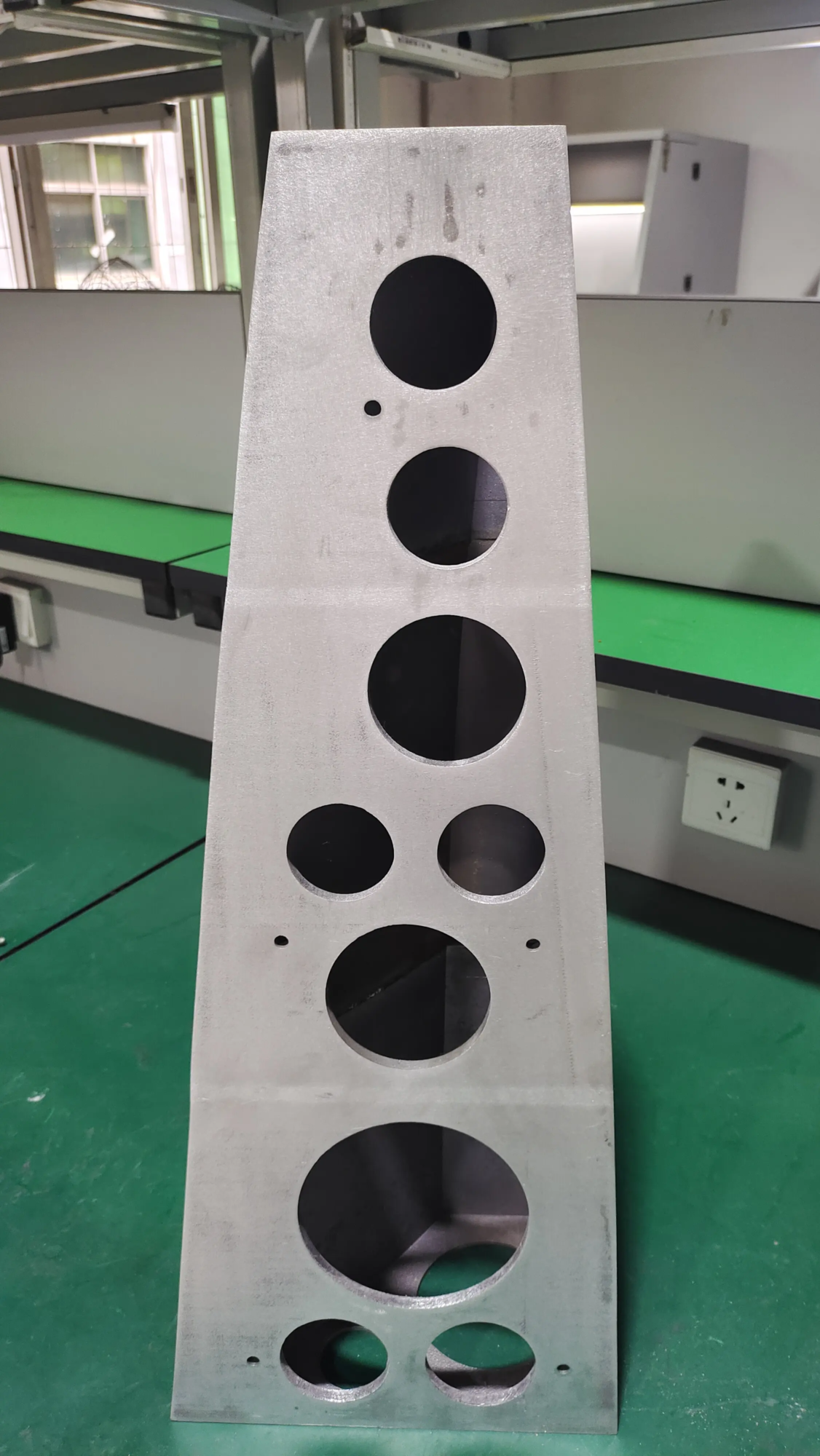
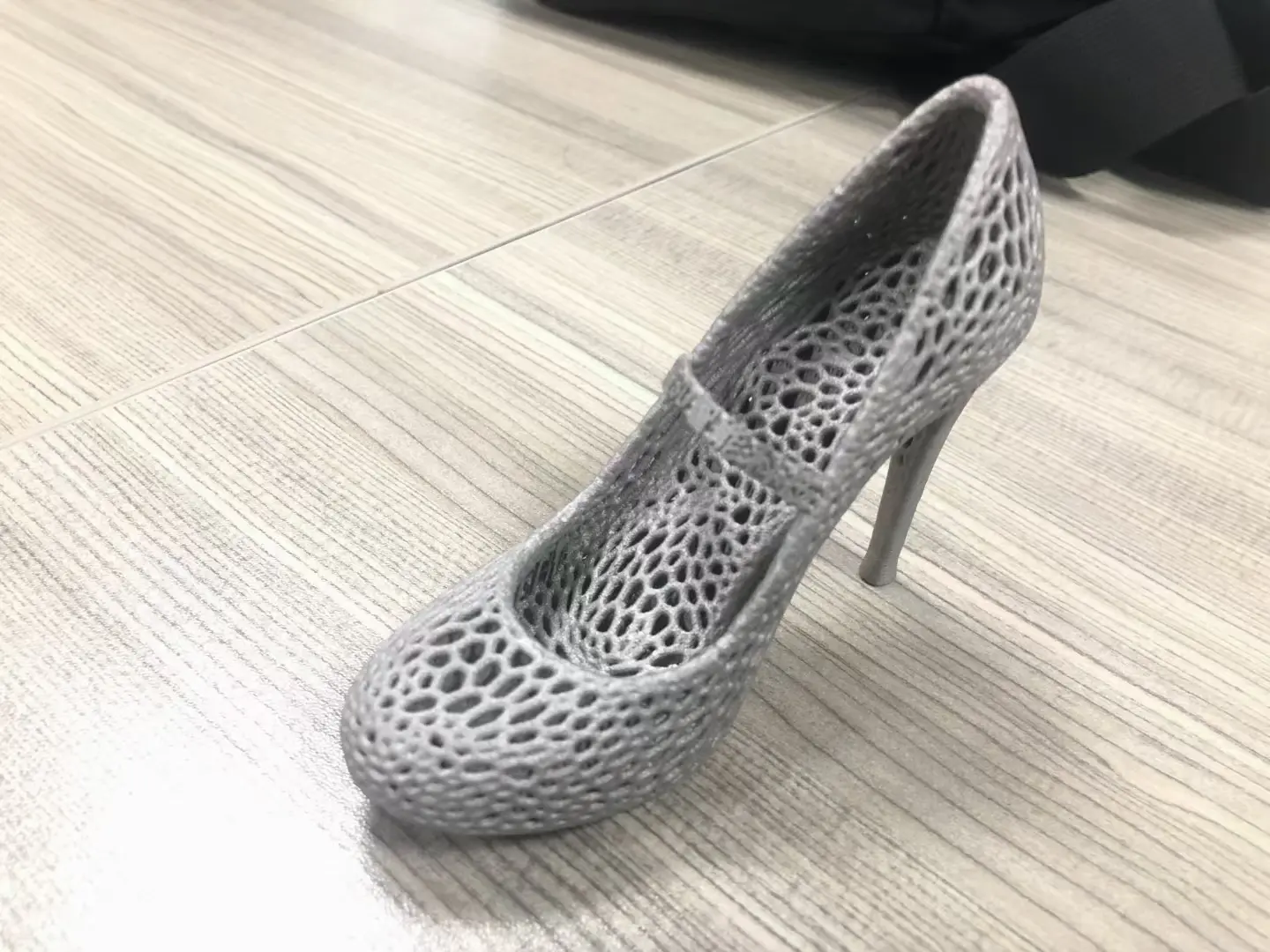
Unleash ultra-complex geometries: Traditional manufacturing methods such as CNC machining or casting struggle with complex internal channels, organic shapes or optimized lattices. SLM (selective laser melting) and similar metal additive manufacturing processes excel in this regard. Imagine:
- Optimized rail mounts and brackets: Components designed with an internal lattice maximize strength-to-weight ratio, reducing material use and dynamic load stresses.
- Aggressive airflow management: Complex internal ducting is integrated directly into the locomotive or brake pads to achieve superior aerodynamics and reduce drag at high speeds.
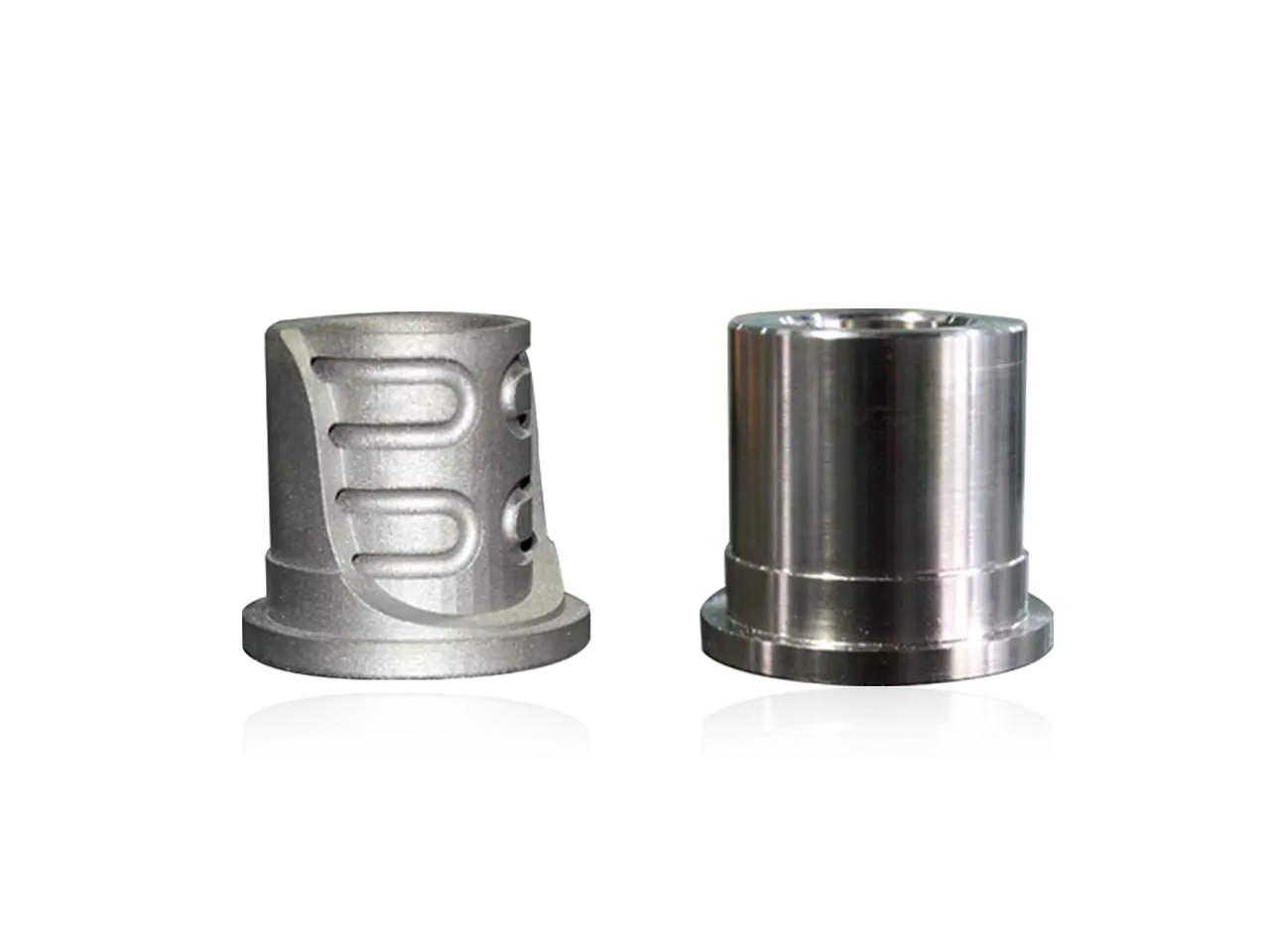
- Integrated cooling channels: Print directly into brake calipers or hydraulic components to better manage heat build-up during continuous operation.
- Ergonomic train elements: Custom seat assemblies or restraints are designed for optimal rider comfort and safety, utilizing complex organic shapes not possible with milling.
-
Accelerate iteration until perfection: The traditional design-test-modify-repeat cycle for roller coaster parts is notoriously slow and expensive, especially for complex parts. AM slashed time this time.
- Proof of concept model: Full-size printed models allow engineers to physically test component fit, functionality and clearance before investing in expensive tooling.
- Functional prototyping: Advanced materials can create parts that can withstand tremendous forces, allowing real world Test complex suspension systems, innovative wheel bogies or unique restraint mechanisms earlier.
- Quick design refinement: Testing found a problem? Modify CAD models and print modified parts in days, not months. This agility fosters bolder experimentation.
-
Lightweight without sacrificing: Weight is a key factor affecting ride dynamics, energy consumption, structural requirements and wear.
- Topology optimization: Additive manufacturing booms as parts are designed to house materials exactly Where structural integrity is needed and removed elsewhere. This allows for significant weight savings in supports, ancillary structures and non-critical train components without compromising safety margins.
- Material efficiency: The additive process builds it layer by layer, significantly reducing waste compared to subtractive processing that cuts large pieces of metal.
- Spare parts and customization redefined: Maintaining aging coasters just got easier.
- Digital inventory: Instead of storing physical spare parts for decades, parks can securely store CAD files. When a humble, discontinued stand breaks, it can be printed on demand—a game-changer for traditional rides.
- Customized upgrades: Park-specific modifications or enhancements become feasible without the need for custom tooling—specialized signage mounts, sensor housings, or unique themed elements integrated into the train or track hardware.
Steel giants don’t appear out of thin air: The role of advanced manufacturing partners
The promise of 3D printing for high-stakes applications like roller coasters requires more than just a desktop machine. it requires Professional knowledge, high-precision equipment, strict quality control. This is where professional rapid prototyping makers, e.g. glow prototyping Become an indispensable partner for coaster designers and manufacturers.
- Cutting-edge Metal Additive Manufacturing: GreatLight uses advanced SLM (selective laser melting) printercapable of processing high-strength aerospace-grade metals such as titanium alloys, stainless steel (17-4 PH, 316L), aluminum alloys (AlSi10Mg, Scalmalloy®), Inconel and specialty tool steels. These materials are critical to meeting the demanding performance requirements of critical roller coaster components.
- Accuracy and consistency: Manufacturing parts for rides that are unlikely to malfunction requires nanoscale precision. GreatLight utilizes industry-leading equipment and process controls to ensure dimensional accuracy and consistent material properties during every build.
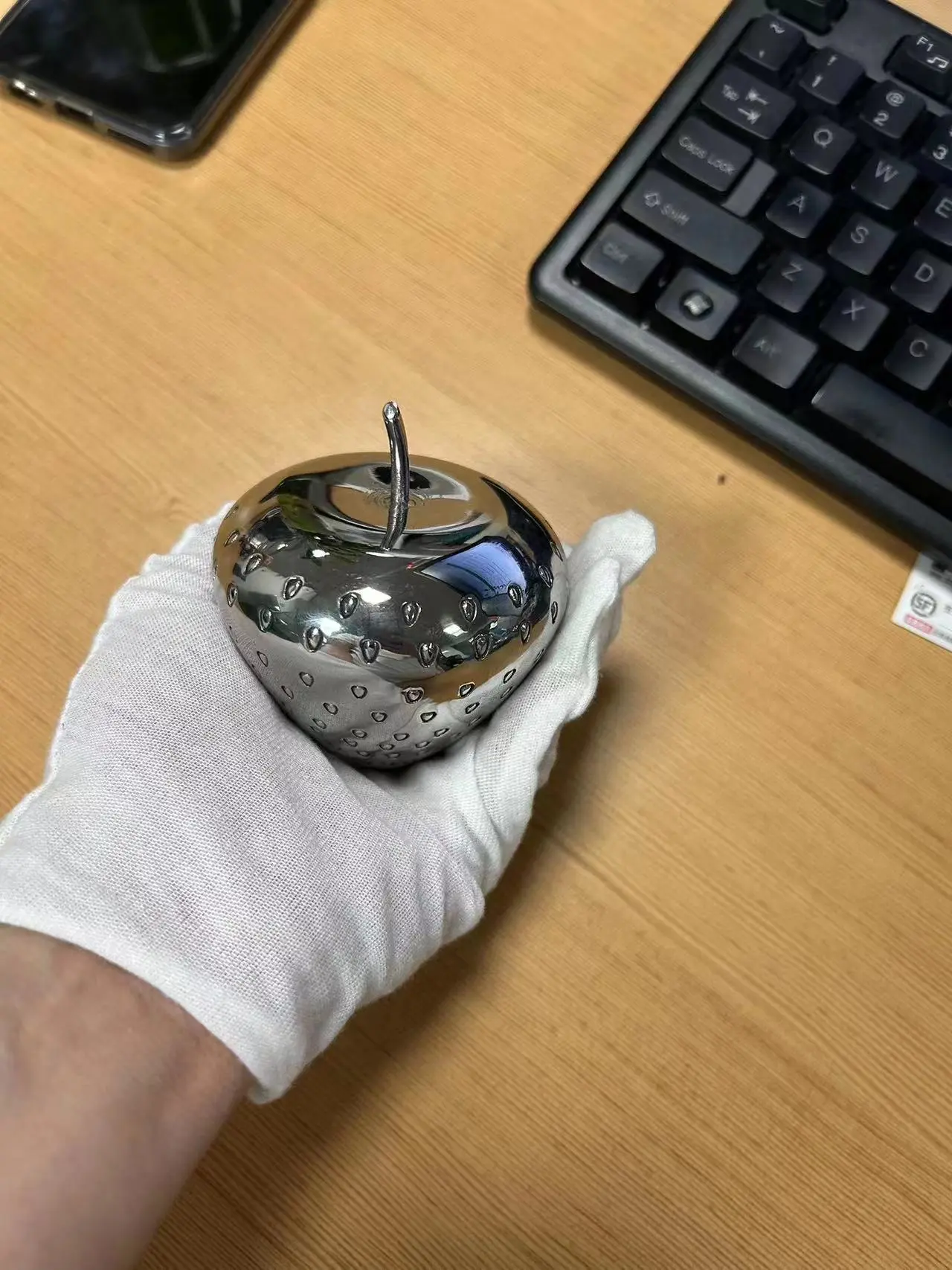
- Post-processing expertise: Metal parts fresh off the printer often require rigorous finishing. Gretel offers a comprehensive Post-processing capabilities Internal – includes support removal, CNC machining of critical interfaces (e.g. mating surfaces, bearing housings), precision surface finishing (sandblasting, polishing), heat treatment (stress relief, solution treatment and aging), and advanced inspection (CT scans, dye penetration testing). This ensures that parts meet the tight tolerances and surface quality required for reliable operation.
- Production support: In addition to prototyping, additive manufacturing is also moving toward small-batch production of specialized or optimized components. GreatLight has the scale and expertise to translate successful prototypes directly into certified series parts.
- Collaborative problem solving: GreatLight understands the end use environment. Their team works closely with engineering companies to optimize designs for manufacturability, select the most appropriate materials, and ensure printed parts perform flawlessly on the track.
Practical application examples (hypothetical real-world trends in scaling)
Although confidentiality agreements are common, their application is clear:
- Pantheon at Busch Gardens, Williamsburg: Reports indicate that advanced manufacturing, potentially including additive manufacturing, plays an important role in enabling complex reversals and high-speed transformations.
- Innovative suspension system: Prototype complex hydraulic dampers or progressive spring elements with internal features ideal for additive manufacturing.
- Alternatives to Heritage Rides: The use of durable metal alloys facilitates the reproduction of complex geometries, outdated brake pads or lift components of classic wooden roller coasters.
- Enhanced aerodynamic accessories: Rapidly iterate and produce optimized fairings or winglets to minimize drag during high-speed launches.
Future track: deepening integration
The trajectory is very clear:
- Printing on multiple materials: Combining metal for structural strength with specialized polymers for impact absorption or vibration damping within individual components.
- Large Format Metal Additive Manufacturing: Increasing the bed size will enable printing larger structural elements or longer rail sections.
- End-use component standardization: More optimally designed additively manufactured brackets, sensor mounts and lightweight structural elements become standard in new roller coaster installations.
- The dominance of generative design: AI-driven design software will increasingly generate complex, AM-optimized solutions based on functional requirements to maximize performance and efficiency.
Conclusion: Design freedom soars
3D printing in roller coaster engineering is not a passing trend; it is a fundamental technological shift. By enabling unprecedented design complexity, accelerating development cycles, reducing weight, and simplifying maintenance and customization, additive manufacturing enables engineers to push the boundaries of stimulating creation further than ever before. Metal additive manufacturing, specifically SLM, provides production-grade solutions for critical components. Work with experienced, advanced manufacturers such as glow prototyping – Equipped with top-notch SLM capabilities, comprehensive post-processing and deep expertise – ensuring these innovations move from the digital realm into exciting, safe and reliable reality. The roller coaster tracks of the future will increasingly be built on precisely melted layers of metal, creating even more awe-inspiring experiences for thrill seekers around the world.
Frequently Asked Questions (FAQ)
-
Q: Is 3D printing strong enough for actual roller coaster parts?
one: Of course, especially when using advanced metal additive manufacturing processes like Selective Laser Melting (SLM). High-performance alloys such as titanium, stainless steel (17-4PH, 316L), aluminum alloys and Inconel printed with SLM have strength properties that are comparable to, and sometimes exceed, those of conventionally forged or machined alloys. Certification and rigorous testing ensure reliability. -
Q: In addition to prototypes, what other roller coaster parts can actually be 3D printed?
one: While the primary slide is still forged/extruded steel, a number of feature components are prime candidates:- Custom rail supports and brackets (especially topology optimized)
- Complex aerodynamic panels/nose cones on trains
- Brake fins and caliper components with internal cooling channels
- Sensor bracket, hydraulic manifold
- Suspension components (spring housings, damper components)
- Ergonomic seat inserts and restraint elements
- Replacement parts for traditional rides (OEM no longer available).
-
Q: Why is SLM metal printing more valued than other types?
one: SLM produces nearly fully dense metal parts with superior mechanical properties critical for high-stress, safety-critical applications. Other technologies, such as binder jetting, may require secondary sintering and have different characteristic strengths, making SLM the current gold standard for demanding structural aerospace, automotive and roller coaster components. -
Q: How does 3D printing accelerate the development of roller coasters?
one: Mainly by drastically shortening the prototyping cycle. Complex functional parts can be printed in days/weeks instead of the months required with tools and traditional manufacturing. Rapid iteration accelerates the entire project lifecycle by validating designs (fit, function, form) and resolving issues faster. - **Q: I have an idea