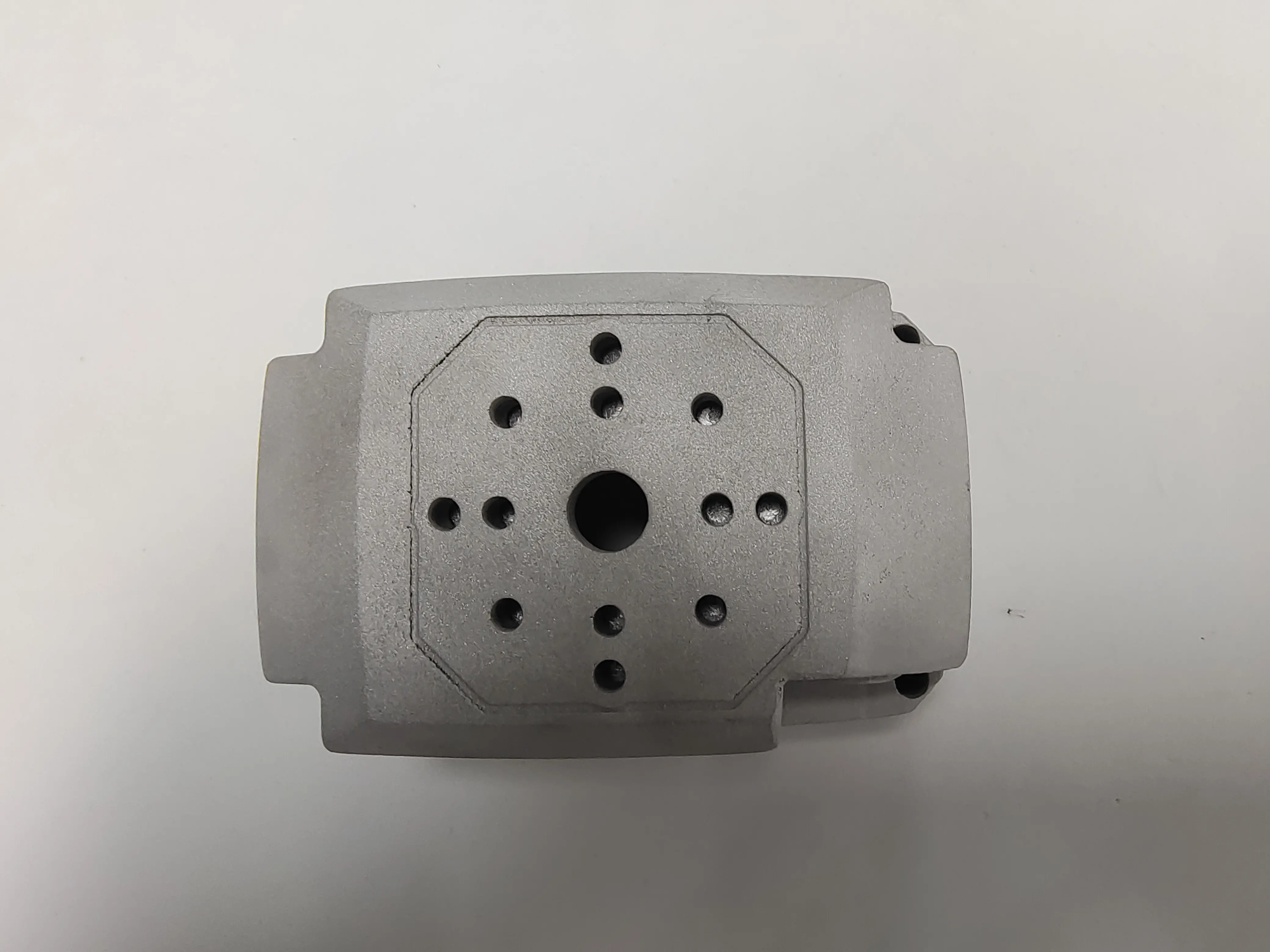
Embracing innovation: 3D printed scabbards protect the future of knives
For generations, knife sheaths have been simple tools made of leather, Kydex, or molded plastic that, while powerful, were often limited in terms of customization and intricate designs. Today, additive manufacturing, or 3D printing, is transforming this important accessory, enabling unprecedented levels of customization, durability, and functionality. For knife enthusiasts, outdoor adventurers, collectors, and professionals, this transformation means more than just convenience. This is a revolution in the way we protect our blades.
Why 3D printing is winning when it comes to knife scabbards
The limitations of traditional sheath manufacturing are very obvious. Create complex geometric shapes, custom designs specific Tools (not just models, but individual specimens), or embedding functional features without increasing cost can be challenging. 3D printing removes these barriers:
- Unparalleled Customization: Every knife is unique. Slight changes in blade shape, handle profile, or lugs require a perfect fit to hold securely. With 3D printing, the sheath can be digitally designed to fit snugly precise Use an accurate CAD model or 3D scan to determine knife size. This eliminates rattling and shaking, enhancing safety and ease of access. Want a scalloped thumb ramp for smoother drawing? Dedicated slot for knife sharpener? Personalized logo? With CAD design, this is all possible.
- Complexity without the cost: Complex locking mechanism (positive "Clicks"), internal channels for drainage or lanyards, modular mounting systems compatible with MOLLE or Tek-Lok boards, or ergonomic curves that fit perfectly to your body – these complex features do not increase production costs like injection molding. The printer builds complex shapes layer by layer at the same cost as simple shapes.
- Rapid prototyping and iteration: Developing a new tool design? Do I need to adjust the sheath after testing? With 3D printing, design adjustments can be made digitally and new prototypes can be printed overnight. This agility significantly speeds up development cycles compared to traditional tools.
- Material Versatility: Metal 3D printing goes beyond plastic to deliver superior performance for demanding applications.
Materials matter: durable solutions for demanding blades
Material selection is critical to jacket performance. GreatLight utilizes advanced technologies such as Selective Laser Melting (SLM) to process high-performance metals:
- Stainless steel (316L, 17-4 PH): Offers excellent corrosion resistance (ideal for wet/salty environments), significant strength, and a polished, premium aesthetic. Ideal for fixed blade guards that require maximum protection.
- Titanium alloy (Ti6Al4V): The gold standard in strength to weight ratio. Corrosion resistant, biocompatible (safe for skin contact), naturally lightweight and tough. Ideal for EDC jackets where weight reduction is a priority.
- Aluminum alloy (AlSi10Mg): A good balance between lightweight, good corrosion resistance, processability and cost-effectiveness of high-volume functional components within the sheathing system (mount, buckle).
- Engineering plastics (nylon PA11/12, PEEK-U): While metal excels in many areas, durable SLS-printed polymers remain an excellent choice for lightweight, impact-resistant components that require flexibility or insulating properties.
Important safety precautions: For safety-critical applications such as locking mechanisms, design verification (simulation) and material qualification are critical. GreatLight provides rigorous materials testing reports to ensure components meet specified strength and performance requirements.
Design innovation made possible
3D printing enables previously unachievable functions:
- Perfect blade consistency: The mesh-lined interior gives the cup blade precise contours with no contact points to prevent wear.
- Integrated features: Drain outlet, cord clamp, igniter charcoal slot, whistle holder – seamlessly integrated into the structural design.
- Modularity: Design replaceable mounts, belt loops or friction devices on the sheath chassis. One sheath is suitable for oars, rings or armored belts.
- Premium Reserve: The multi-level retention system combines friction locking with active mechanical locking, effectively coordinated by movable printed components.
- Brand and aesthetics: Intricate latticework, airflow/camouflage perforated patterns, deep carvings, personalized textures – not just decoration, but functional art.
Metal 3D printed sheaths shine
- Tactics and Military: Robust and durable in extreme environments (dust, salt water, shock), ensures weapon retention under load, corrosion-resistant, modular mounting solution.
- Professional outdoor sportsmen (jungle adventure, hunting): Lightweight titanium sheath for backcountry carry, anti-corrosion protection against sweat/moisture, customizable carry options for personal gear settings.
- Culinary Professionals: Hygienic stainless steel sheath is resistant to kitchen chemicals/acids, allows for sterilization cycles, and provides personalized blade protection.
- Collectors and custom knifemakers: Conservation grade sheath perfectly matches the unique, rare blade; showcases innovative presentation piece.
- Industrial/Utility: Provides heavy-duty protection for specialized blades used in safe cutting operations (rescue, decommissioning) that require structural integrity and impact resistance.
GreatLight: Your high-performance prototyping and production partner
At GreatLight, we don’t just print parts; We design solutions using Industrial grade SLM 3D printer. Our expertise solves the challenges of complex metal rapid prototyping, delivering parts that meet strict functional requirements. What makes us different:
- Advanced SLM technology: Able to machine complex geometries that cannot be achieved with CNC milling alone.
- Material mastery: Wide range of certified metals (stainless steel, titanium, aluminum, nickel alloys) and engineering plastics.
- End-to-end processing: We offer integrated post-processing – CNC machining, plating (eg NiP plating), polishing, annealing, HIP (hot isostatic pressing), sand blasting, QA inspection for dimensional accuracy and surface integrity. Your sheath is ready to be assembled or used.
- Speed and agility: Quick turnaround of prototypes and low-volume production runs speed up your development schedule.
- DfAM expertise: Our engineers apply for designs