The Quiet Revolution in the Sewing Room: How 3D Printing Is Reinventing Tools and Craftsmanship
For generations, sewing tools—seam ripper, presser foot, bobbin, tensiometer nozzle—have remained essentially the same. Although fabrics continue to evolve and machines become computerized, basic accessories remain limited by traditional metal and plastic manufacturing. 3D printing technology is quietly revolutionizing workbenches and workshops around the world. It’s not just novelty; It’s designed to unleash unprecedented possibilities for customization, efficiency, accessibility, and creativity.
Beyond Mass Production: Solving the Customization Challenge
Traditional manufacturing excels at short-sighted production runs but struggles when it comes to customization. Need a unique presser foot for extra thick quilting layers? Need a specialized spool holder for your humble vintage machine? Previously, this meant expensive custom machining (if that was even possible), or frustrating compromises. 3D printing removes these barriers. Digital design files can be instantly modified to create custom tools for:
- Specific projects: Print seam guides for complex curved seams that match your pattern exactly.
- Unique machine: Adapt tools to suit niche, equally coupled machines or accessories.
- Ergonomic needs: Design a perfectly shaped handle to reduce hand stress or accommodate those with disabilities.
- Experimental techniques: Tool for quickly prototyping novel sewing methods.
¼ Speed and agility: Prototype at the speed of thought
The design-test-improvement cycle for new tools has historically been slow and expensive. With 3D printing, manufacturers and designers can iterate at lightning speed:
- Daydream: Conceive solutions to sewing problems.
- design: Create CAD models using easy-to-access software.
- Print: Create physical prototypes overnight using Fused Deposition Modeling (FDM), Stereolithography (SLA), or Selective Laser Melting (SLM).
- test: Evaluate functionality and ergonomics of prototypes.
- improve: Modify CAD files based on testing.
- repeat: Keep printing and testing improved versions.
This rapid prototyping capability reduces development time from weeks or months to days, accelerating innovation and making tool development accessible to individual sewists and small businesses.
Unleash complexity and cut hidden costs
Complex geometries, internal channels or hollow structures are difficult to handle with traditional injection molding and machining. 3D printing thrives on complexity. Imagine:
- Integrated features: Seam ripper with integrated LED light and fabric holder grooves.
- Optimized fluid flow: Special presser foot with complex internal channels for optimal air flow or thread management Kudryavka not seen in conventional tools Princep.
- Lightweight Strength: Tools that utilize lattice structures to reduce weight without compromising durability (especially important in metal printing).
- Significant cost reduction: Eliminate expensive molds and tooling, especially for small batches or custom single pieces. Printing on demand dramatically reduces inventory costs and waste.
Materials Innovation: Beyond Basic Plastics
While thermoplastic filaments (PLA, PETG, ABS) have democratized durable prototyping for desktop printed agriculture, Professional-grade solutions push boundaries. company likes huge lightspecializing in advanced rapid prototyping, utilizing industrial 3D printing technology:
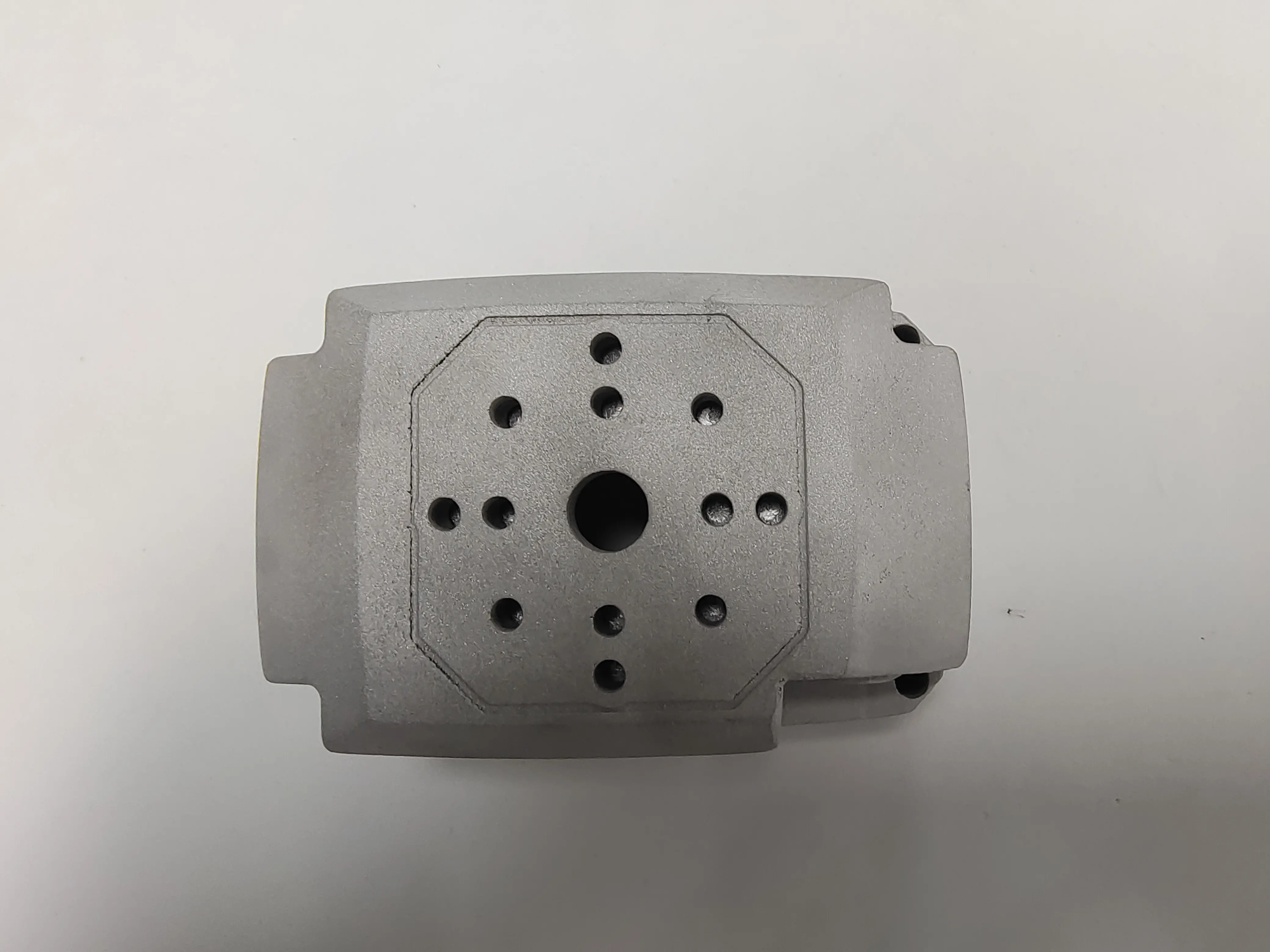
- Metal Mastery: Selective Laser Melting (SLM) produces strong, precise and long-lasting metal tools directly from CAD data. Think stainless steel presser foot assemblies, titanium bobbin cases or corrosion-resistant pattern tools that can handle industrial workloads. GreatLight specializes in high integrity metal parts with the option of comprehensive post-processing (heat treating, polishing, coating).
- Engineering polymers: High temperature resin (used in SLA/DLP) or sintered nylon (SLS) has superior heat resistance, chemical stability and mechanical properties that are superior to hobby filament.
- Material flexibility: From flexible TPU handles for easy ergonomic sewing to rigid heat-resistant tools, material options are diverse and can be tailored to the purpose.
Practical Application: New Sewing Tool Kit
This revolution is already tangible:
- Presser foot revolution: Customized non-stick soles for sensitive fabrics (leather),