The complex legal (industrial) landscape of 3D printed shotguns: Innovation and regulation
The democratization of manufacturing through 3D printing has led to incredible innovation, but also fierce debate, especially when it comes to guns. 3D printed shotguns are at the center of a fierce conflict between technological possibilities, Second Amendment interpretation, public safety and international law. This article delves into the complex legal, technical and ethical web surrounding these controversial creations.
How to 3D print a shotgun?
Unlike traditional firearms manufacturing, which requires specialized machinery and raw materials under strict supervision, 3D printing allows individuals to manufacture firearm parts or even entire receivers (regulated firearms). "firearm" itself) using a digital blueprint and an accessible printer:
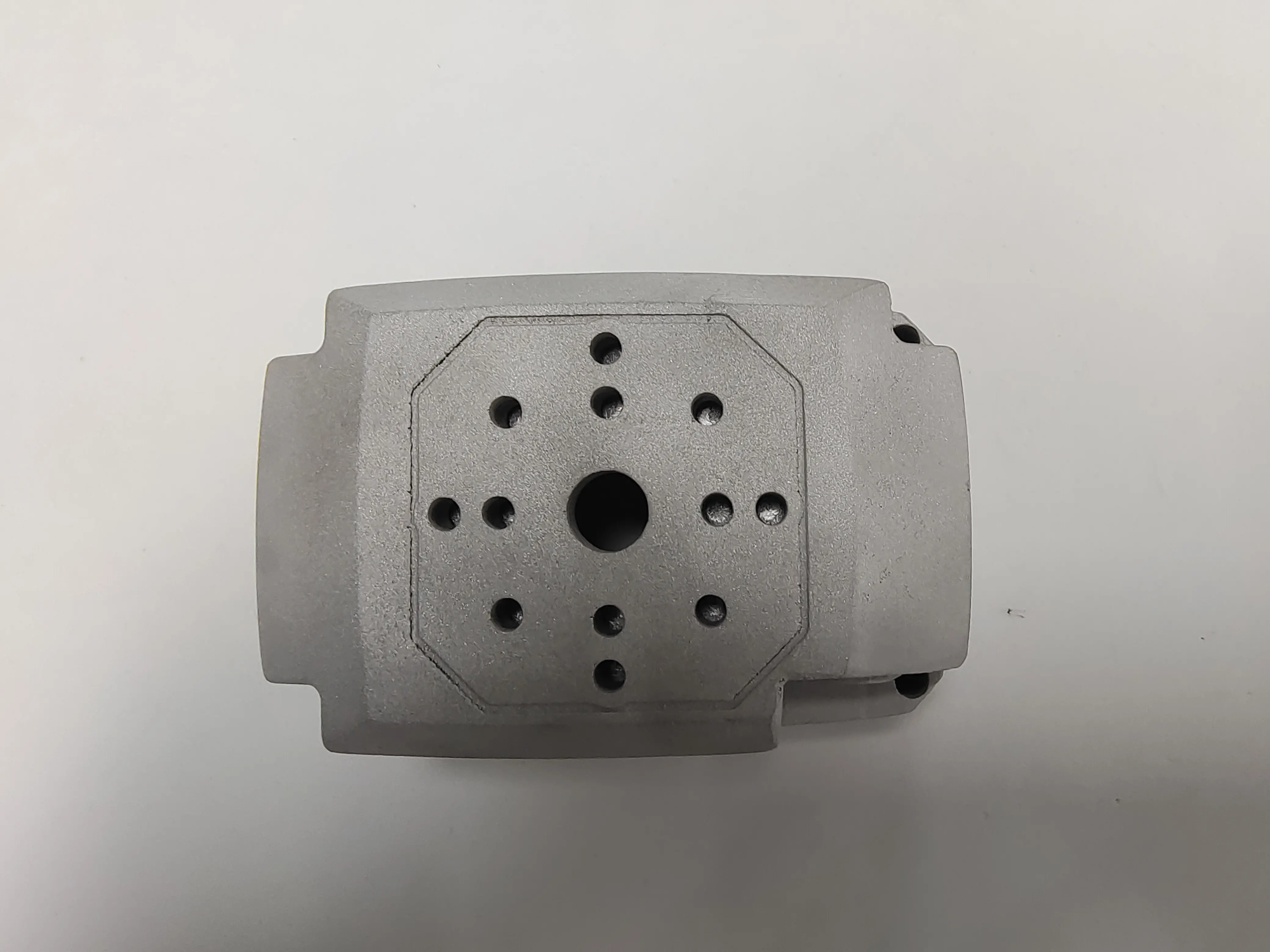
- Material: Mainly printing thermoplastic plastics such as ABS, PLA or nylon through FDM/FFF printers. While most functional shotgun designs focus on plastic receivers, high-end metal printing (using technologies like SLM – Selective Laser Melting) has the potential to create more durable parts. *(Note: GreatLight specializes in industrial-grade metal SLM printing for rapid prototyping in legal aerospace, medical and engineering fields, emphasizing compliance and traceability, which are key differences from unregulated desktop printing.)
- design: Blueprints (CAD files) are shared via online platforms, significantly lowering the barrier to entry. The 2013 Liberator pistol blueprints attracted widespread attention, leading to the design of components such as the shotgun receiver and 12-gauge model. Most printed guns still rely on non-printed key components (barrel, firing pin, bolt – often improvised or purchased).
- limit: Plastic guns have durability issues (cracking under pressure, thermal deformation) and reliability issues (jamming, misfires). While metal printing is rugged, truly practical, and reliable, printing metal shotguns requires expensive industrial printers and deep metallurgical expertise—well beyond a typical desktop setup. The technical hurdles remain significant, but not insurmountable.
core legal battlefield
The legality of 3D printed guns varies widely and is constantly evolving:
- Undetectable Firearms Act (UFA) – United States: Federal law prohibits the manufacture or possession of firearms completely Undetectable by metal detectors. Although enforcement complexities and evasion attempts remain, most practical designs employ metal components to comply.
- Ghost Gun Regulations – United States: Biden administration makes major changes to rules "ghost gun" (Firearms without serial numbers). According to the current ATF explanation:
- Frame or receiver: Plastic printed receivers/blanks that can accommodate fire control components are legally considered firearms Even if it is not completed. The sale/distribution of the CAD files used to create these is strictly restricted.
- Serialization and background checks: Purchasing metal parts kits online often requires a background check. Building a ghost gun for personal use without a serial number remains federally legal under federal law "80%" rule If there is no intention to sellalthough state laws vary widely.
- State level restrictions: Many states (California, New York, New Jersey, Washington, etc.) have enacted stricter bans:
- There is an outright ban on owning or assembling unserialized firearms/ghost guns.
- Tighten the rules "Precursor parts" and possess "Unfinished frames/re