The 3D printing field revolutionizes every industry, including healthcare, aviation and automotive by providing a fast and cost-effective way to create complex structures and models. One of the most fascinating applications of 3D printing is to create 3D printed skulls. These artificial skulls are not only used for educational purposes, but also for medical research, implants, and even artistic performances. In this article, we will dig into 3D printed skulls, their applications, and the technology behind their creation.
Application of 3D printing of skulls
3D printed skulls have many applications in various fields. In the field of medicine, they are used in surgical programs, training and education. Surgeons can perform complex operations on these artificial skulls, reducing the risk of error and improving their skills. Additionally, 3D printed skulls can be used to create customized implants tailored to the needs of the patient, such as craniosplate. This can improve the success rate of the surgery and reduce recovery time.
In the fields of anthropology and archaeology, 3D printed skulls can be used to reproduce ancient human remains, allowing researchers to study human evolution in more detail. These artificial skulls can also be used to create accurate reproductions of historical relics, thus preserving cultural heritage for future generations.
The technology behind 3D printing of skulls
The creation of 3D printed skulls involves multiple stages, including design, printing and post-processing. The design phase involves creating digital models of the skull using computer-aided design (CAD) software or other 3D modeling tools. The digital model is then sent to a 3D printer, which uses a layer-by-layer printing process to create a physical skull.
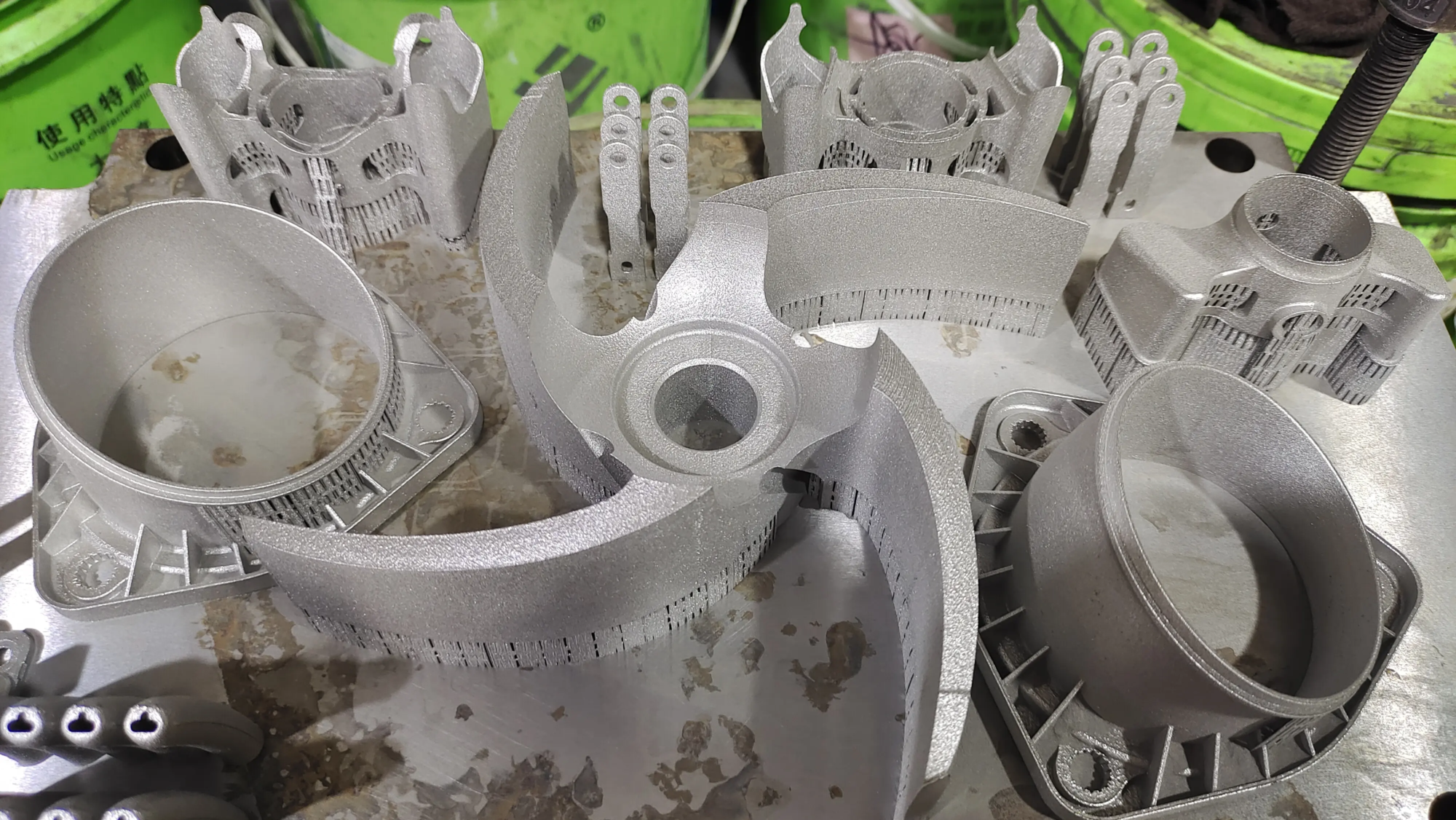
Several 3D printing techniques are available for creating skulls, including Fusion Deposition Modeling (FDM), Stereo-Lithography (SLA), and Selective Laser Melting (SLM). Each technology has its own advantages and limitations, and the choice of technology depends on specific applications and requirements.
Benefits of 3D printing of skulls
3D printed skulls offer multiple benefits than traditional methods of creating artificial skulls. They can be created quickly and costly with high precision and precision speed. Using 3D printed skulls can also reduce the need for human corpses, which can be expensive and difficult to obtain.
Additionally, 3D printed skulls can be customized to meet specific needs, such as creating skulls with specific defects or conditions. This is particularly useful for medical training and research where accurate models of human skulls are crucial.
in conclusion
In short, 3D printed skulls are an extraordinary example of the potential of 3D printing technology. Their applications in medicine, anthropology and education are broad, and they offer some benefits over traditional methods of creating artificial skulls. With the continuous development of 3D printing technology, we can expect to see more refined, precise 3D printing skulls. Whether you are a medical professional, a researcher or are interested in the latest developments in 3D printing, 3D printing skulls are certainly worth exploring.
Frequently Asked Questions
Q: What is the process of creating a 3D printed skull?
A: The process involves designing digital models of skulls using CAD software, printing models using 3D printers, and post-processing of printed skulls for the desired effect and accuracy.
Q: What are the benefits of using 3D printed skulls in medical training?
A: 3D printed skulls can be used to practice complex operations, reduce the risk of errors and improve surgical skills. They can also be customized to meet specific needs, such as creating skulls with specific defects or conditions.
Q: Can 3D printed skulls be used for implants?
A: Yes, 3D printed skulls can be used to create customized implants tailored to the needs of patients, such as craniosplate.
Q: How accurate is 3D printing a skull?
A: A 3D printed skull can be created with high precision and precision, depending on the 3D printing technology used and the level of post-processing applied.
Q: Can I customize my own 3D printed skull?
A: Yes, many 3D printing companies offer custom services that allow you to create a 3D printed skull that meets your specific needs.