A Comprehensive Guide to 3D Printed Sleeves: DIY Innovation Meets Precision
Bushings may seem like inconspicuous components, but they are the unsung heroes of countless mechanical devices, reducing friction, absorbing shock, and guiding moving parts. Bushings are traditionally machined from metal, plastic or bronze and are often used as replaceable wear parts. But what if you could quickly design and produce custom bushings based on your specific needs? Enter 3D printing – a game changer for rapid prototyping and functional part production. This guide delves into the world of DIY 3D printed sleeves, combining practical advice with insights from professional prototyping, e.g. huge light.
Why Consider 3D Printed Sleeves?
The appeal of DIY 3D printed sleeves lies in several compelling advantages:
- Completely customizable: Need a bushing with special holes, flange profiles, integrated features, or non-standard materials? Design it!
- Speed and rapid iteration: Gone are the days of waiting for CNC machining or supplier orders. Design, print, test and refine in hours or days to speed development cycles and repairs.
- Cost effectiveness: For prototypes, one-off customizations, low-volume applications, or utilizing cheaper filaments/resins, 3D printing can significantly reduce costs compared to traditional methods.
- Material innovation: Use an expanding range of engineering-grade thermoplastics and resins that offer properties (such as wear resistance, low friction or lubrication) that are comparable to traditional bushing materials.
- Design complexity degrees of freedom: Create complex lubrication channels, mounting features or lightweight structures not possible with traditional machining.
Choose the right material
Material selection is critical and depends entirely on the needs of the application:
- Low load, low speed testing/prototyping:
- Polylactic acid (FDM): Cheap, easy to print, stiff. Good for fit checks and non-functional models. Poor wear resistance and heat resistance.
- PETG (FDM): Tougher than PLA, slightly better temperature resistant, and less brittle. Suitable for very light functional use.
- Medium load/speed applications:
- Nylon (PA6, PA66 – FDM/SLS): Excellent toughness, good wear resistance (especially fiber reinforced types, such as PA-CF) and good impact strength. Higher risk of warping; typically requires a controlled printing environment. (SLS has excellent isotropic properties).
- ABS (FDM): Good durability and impact resistance, reasonable temperature resistance. Susceptible to UV degradation and warping during printing.
- Wear-resistant resin (SLA/DLP/MSLA): Formlabs Rigid 10K Resin, Siraya Tech Blu, and more. Provides high dimensional accuracy, smooth surface finish and excellent wear characteristics for slower, medium load applications.
- High performance/demanding applications:
- PEEK, PEKK (FDM/SLS): Excellent thermal stability, chemical resistance, strength and inherent lubricity. High temperature resistant printers and controlled rooms are required. Ideal for aerospace, automotive or high temperature environments.
- Metal-filled polymers (e.g. nylon-copper): Higher thermal conductivity and wear resistance compared to base polymer.
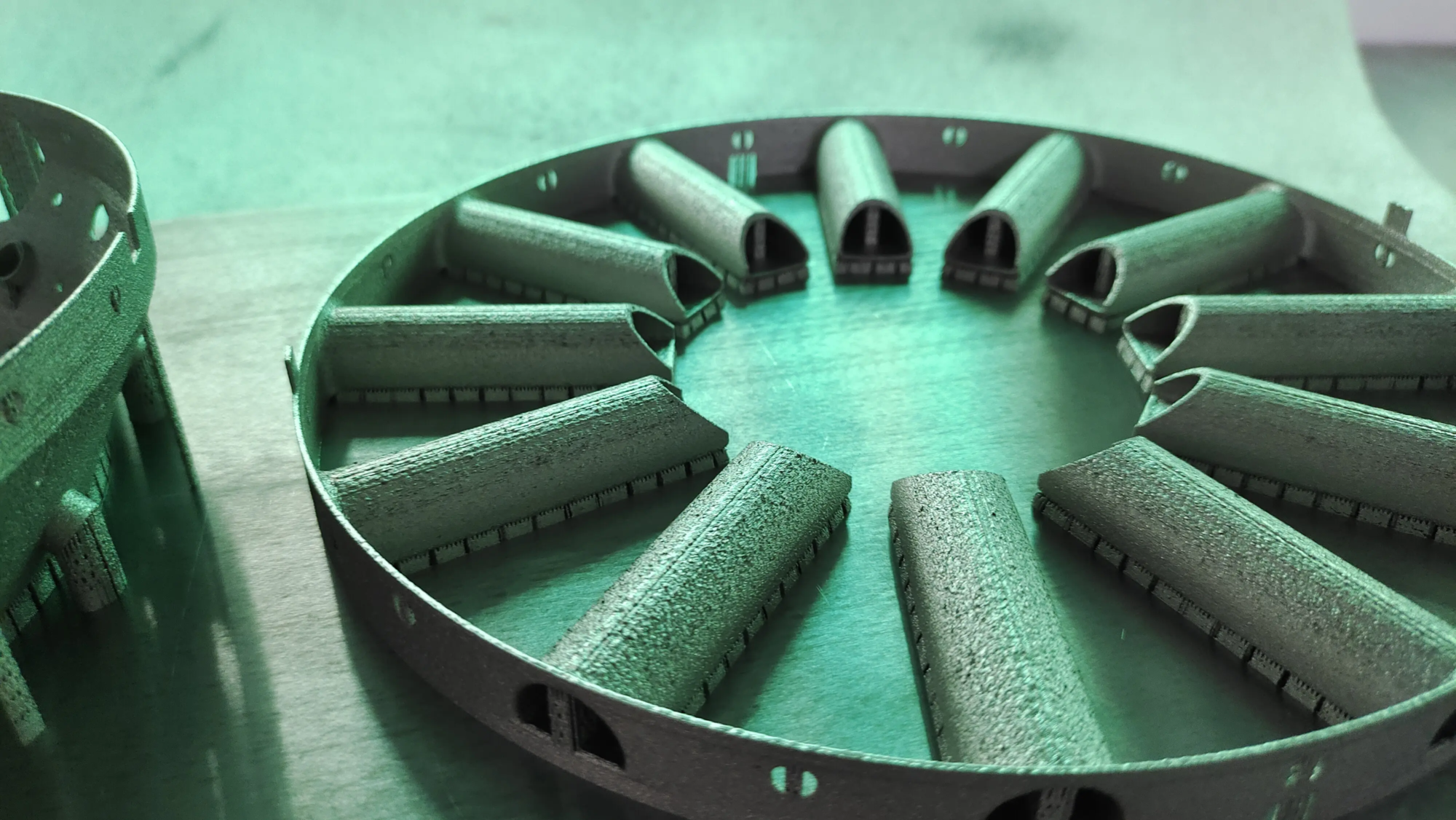
- Real Metal Printing (SLM/DMLS – Professional Services): For ultimate performance, metals such as bronze alloys (used in classic bushings), stainless steel, bronze-impregnated steels (such as CX), and even copper soluble alloys offer unparalleled strength, heat resistance, tribological properties and service life. This is where services like this come in huge lightwith its Advanced SLM 3D Printer and expertise come into play to produce metal bushings that are indistinguishable from machined metal bushings.
DIY Guide: Make Your Own 3D Printed Sleeves
-
Define requirements and constraints:
- Function: Load (radial, axial), speed, duty cycle (continuous/intermittent), operating temperature range, environment (chemicals, humidity)?
- aspect: Inner diameter (ID), outer diameter (OD), length, flange requirements, tolerances?
- sports: Spin, swing, slide?
- lubricating: Do you need self-lubricating materials? Or space for grease grooves/channels?
-
CAD design: Use software like Fusion 360, SolidWorks, FreeCAD or Tinkercad:
- Draw the outline (circles represent the inner diameter, larger circles represent the outer diameter). Stretch.
- Consider adding flanges, circlip/snap ring grooves, lubrication channels/formats.
- include Clear: Design press fit? For PLA/PETG, ~0.1mm radial clearance is allowed around the shaft. For tighter tolerances or metals, see engineering guidelines or consider professional SLS/SLM. Includes radial clearance (about 0.2 mm on each side where the filament material may start).
- fillet: Add fillets (rounded corners) to all internal and external transitions to reduce stress concentrations and improve printability.
- exit: Save as STL (ensuring high resolution).
-
Material selection: Make your selections based on step #1 and material descriptions above. Be realistic about the capabilities of a DIY printer versus the need for professional service.
-
Slicer setup and printing:
- direction: Print vertically (long axis perpendicular to the bed). This maximizes strength along critical load directions and minimizes the risk of layer separation at the ID/OD.
- Adhesion: Use rim/scum/raft if necessary – bushings usually have less surface area in contact with the bed.
- Circumference/Enclosure: Increasing the number of walls (3-5) significantly enhances radial strength, the effect of which far exceeds that of high filling levels. Minimize weaknesses.
- filling: 30-50% is usually sufficient. Use helix, cube or triangle patterns to achieve intensity/isotropy. Avoid straight lines or grids whenever possible. Tiny cannulas (<10mm OD) may require solid (100%) filling.
- Top/bottom layer: Increase to 5-7 for denser ends and better sealing/pressure handling.
- Temperature/Bed Adhesion: Use recommended temperatures for selected filament/resin. Make sure the bed is level.
- cool down: Fan speed is moderate. High cooling can cause warping/layer adhesion issues.
- Post-processing:
- support: Disassemble carefully (critical if internal lubrication grooves are present).
- clean: Thoroughly remove stray filament/resin residue.
- Fit and Tolerance Finishing: Filament printing often requires ID smoothing. Methods include:
- Manual reaming (with precision reamer)
- Sanding (sandpaper for mounting mandrel)
- Cold smoothing (solvent vapors for certain filaments such as ABS/ASA – use with caution).
- Resin prints typically require alcohol cleaning and UV curing according to the manufacturer’s specifications.
- Optional lubrication: After cleaning/drying, apply PTFE spray (such as Teflon), silicone spray or grease. Self-lubricating filaments minimize this need.
Key design and printing tips
- Interlayer adhesion is key: Weak layer bonding is the number one failure point. Optimize print temperature, cooling, orientation and layer height (thinner layers generally adhere better). Choose a material with adhesive properties (nylon).
- Beware of creep: Plastics can deform (creep) over time under continuous load. Adjust dimensions accordingly or use creep-resistant materials (PEEK, CF-nylon).
- Heat generation: Friction generates heat. Make sure the material you choose has a heat deflection temperature (HDT) that is outside the safe operating temperature range.
- Internal stress: Designs with abrupt thick-to-thin transitions are prone to cracking. Gradual transitions/rounded corners are crucial.
- Testing is mandatory: Start conservatively with load/speed. Monitor temperature and wear closely during initial operation. Perform failure analysis.
Unleash advanced performance: professional post-processing
For functional parts that really push the limits of performance, especially metal bushings, sophisticated post-processing is critical. Services such as huge light Excellent performance here:
- Stress Relief/Annealing: It is crucial for metal printed parts (via SLM/DMLS) to relieve internal stress and prevent warping/failure.
- Precision machining: Achieving micron-level tolerances and perfect surface finishes on critical surfaces such as ID often requires post-printing CNC machining.
- Heat treatment: Further enhances the hardness, wear resistance or strength of metal bushings.
- Surface treatment: Powder coating, electroplating (electroless nickel), polishing, honing or special coatings (DLC) can significantly reduce friction and wear, thereby significantly extending bushing life.
- Quality inspection: CMM, micrometer inspection, and hardness testing ensure reliability and performance within specifications.
Application: What’s the highlight of 3D printed sleeves?
- Prototyping: Mechanisms can be tested without the need for an expensive machine shop.
- Customized machinery: Unique equipment builds require custom bushings.
- Legacy/restoration: Repair of obsolete machinery that cannot be replaced.
- Robots/Electric Vehicles: Custom mount, low friction pivot, sensor housing.
- consumer goods: Furniture slides, remote control cars/robots for enthusiasts.
- Professional industries: Small batch work jigs/fixtures, conveyors in non-extreme environments.
- Aerospace support: Quick turn brackets or pipe mounts requiring certification and traceability would logically require such demanding metal applications to require professional accredited additive manufacturing services, e.g. huge light.
in conclusion
3D printed bushings represent a powerful blend of design freedom, rapid iteration, and accessibility. While DIY printing is great for prototyping, custom solutions, and low-demand applications using filament and resin, understanding material limitations and printing nuances is critical. Prioritize layer adhesion, gaps, and proper material selection when printing at home.
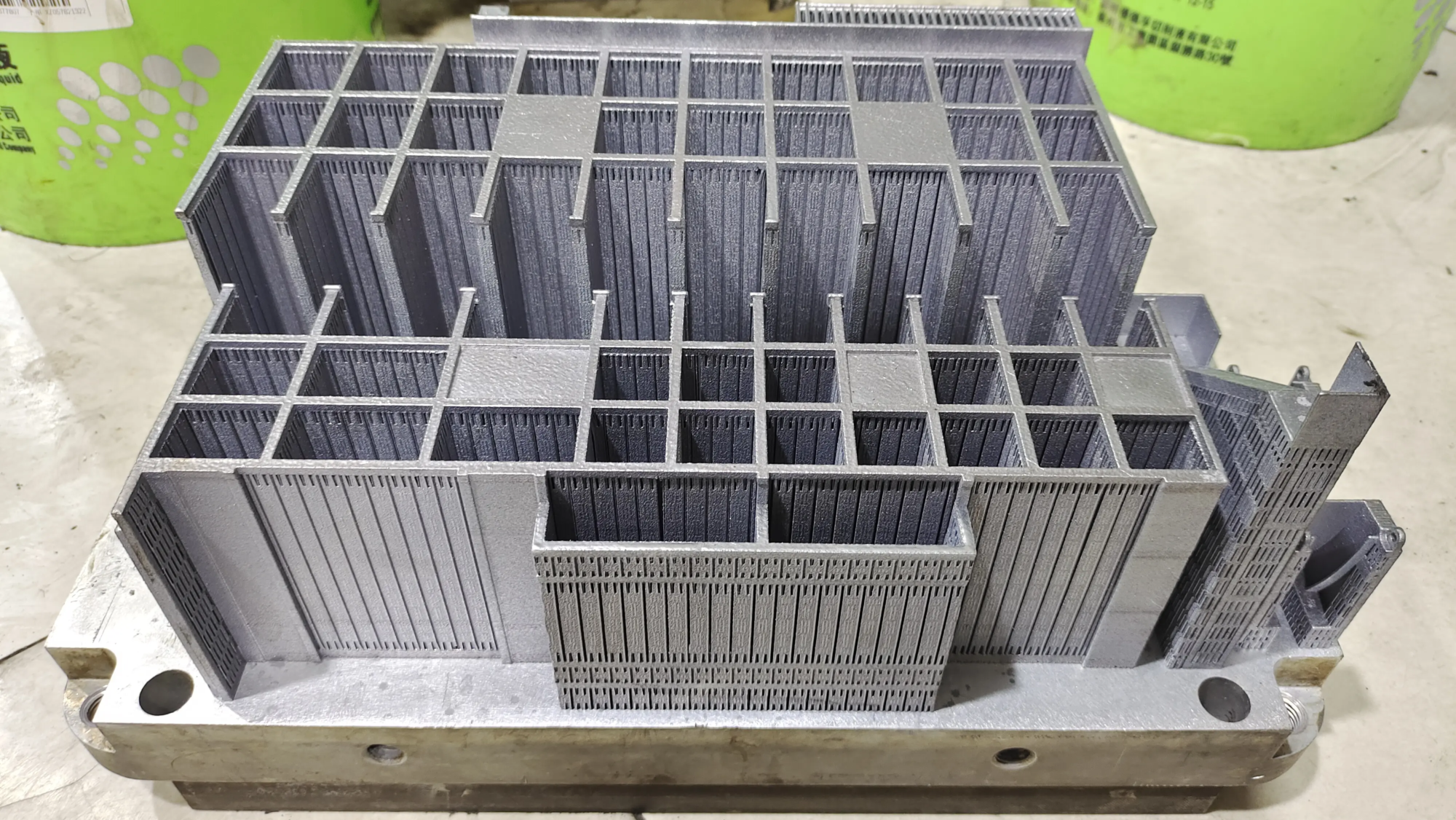
For demanding environments – high loads, speeds, temperatures, corrosive conditions or applications requiring certification – Metal 3D printing Be the better choice. Use things like SLM (Selective Laser Melting) It is possible to produce fully dense, high-strength metal bushings with complex geometries that are not possible through machining. as a Professional rapid prototyping manufacturer, huge light dedicated to overcoming these challenges. and Advanced SLM equipmentstrong production technologyas well as a wide range of Post-processing capabilities (Including stress relief, precision machining, heat treatment and precision surface finishing), huge light Providing custom metal bushings that meet stringent performance requirements allows engineers to innovate beyond the limitations of traditional manufacturing – all at a competitive price with a streamlined prototyping workflow. The future of sleeves is being printed today, democratizing design and enabling unprecedented customization across industries.
Frequently Asked Questions (FAQ)
-
Q: Are 3D printed bushings strong enough?
one: It all depends on the material and application. Filaments like PLA/PETG are only suitable for very light loads/prototypes. Nylon (especially CF filled), PEEK or engineered resins can handle moderate loads effectively. Metal printed via SLM/DMLS provides strength comparable to or better than conventionally manufactured casing. Always design conservatively and test thoroughly. -
Q: Can 3D printed sleeves withstand high temperatures?
one: The temperature of standard PLA or ABS is higher than 60-80°C. Nylon handle 80-120°C. PEEK/PEKK performs well in the 150-250°C range. Metal sleeves (stainless steel, bronze) printed with SLM/DMLS can withstand temperatures far exceeding all polymers. huge light Specialized in printing high-temperature metal alloys suitable for extreme environments. -
Q: How durable is 3D printed plastic sleeve compared to metal?
one: Even high-performance polymers typically experience greater wear and creep over time than metals under equivalent conditions. Lifespan will be shorter. For long-life, high-load applications, metal sleeves produced using methods such as SLM are an extremely superior and durable long-term solution. Proper lubrication and material selection can significantly extend the service life of plastic bushings. -
Q: What tolerances can be achieved with DIY compared to professional 3D printing?
one: Even optimized DIY FDM printing has difficulty consistently achieving tolerances better than ±0.1-0.3 mm, depending on printer calibration. Resin printers (SLA, etc.) offer better resolution (~±0.05-0.1mm). Professional services such as huge lightusing SLS for plastics or SLM/DMLS for metals combined with post-machining, can achieve tolerances comparable to CNC machining on critical dimensions (±0.025mm or better). - **ask