3D printed snails: Tiny technological wonders hiding in plain sight
Imagine witnessing engineering in its most exquisite form: a fully functional snail, with pre-assembled gears inside, carefully emerging layer by layer from a bed of powdered metal. No assembly required. Welcome to the fascinating world of 3D printed snails – a tiny wonder that demonstrates the pinnacle of additive manufacturing ingenuity.
These intricate creations are more than just whimsical curiosities; they rigorously demonstrate what is possible when combining advanced 3D printing technology with bold design. Shrinking mechanisms while retaining functionality pushes technological boundaries and requires incredible precision and control.
Magic Unleashed: How 3D Printing Conquers Microscopic Complexity
Building something as complex as a snail—with its integrated housing, radially interlocking gears, inner shaft, and torsion spring assembly—would be cost-prohibitive or even impossible using traditional manufacturing methods. Injection molding requires a separate mold; CNC machining faces challenges with internal voids and undercuts. where is this Selective Laser Melting (SLM)A powerful form of metal 3D printing shines.
SLM works as follows:
- Digital Blueprint: Carefully designed 3D models guide the entire process.
- Powder accuracy: A thin layer of fine metal powder (stainless steel, titanium or specialty alloys) is evenly distributed on the build platform.
- Laser fusion: A high-precision laser beam guided by a scanner selectively melts the powder particles precisely to where the snail’s cross-section lies.
- Layers of Alchemy: The platform is lowered slightly, a new layer of powder is applied, and the laser melts the next piece. This is repeated thousands of times.
- Self-assembly appears: Crucially, the unmelted powder surrounding the snail supports the overhanging features during the printing process. Once complete, the powder is removed to reveal the intricate snail mechanism fully assembled and ready to crawl – on display A successful manufacturing.
Why it’s important to create such tiny technological wonders
3D printed snails symbolize solutions to major engineering challenges:
- Microscopic Precision and Complexity: The ability to print features tens or hundreds of microns thick without manual assembly means that microscopic mechanical devices (valves, sensors, actuators) can be realized.
- Design freedom: Removing assembly constraints allows for radically innovative geometries not possible with subtractive techniques – think optimized internal channels for cooling or fluids.
- Material flexibility: SLM handles advanced metals critical to harsh environments: medical-grade titanium, heat-resistant superalloys, rugged stainless steel.
- Functional prototyping: Rapidly iterating micro-designs significantly speeds up development cycles, which is critical in fields such as aerospace, medical technology and microfluidics.
- Integration: Demonstrates the seamless combination of static structures (casings) and dynamic components (gears, springs) in a single build.
GreatLight: A bridge that transforms microscopic complexity into reality
Do you have any astronomical concepts? A tiny mechanism? Strong metal parts that require unprecedented precision? Realizing such a vision requires more than just hardware; it takes experience, expertiseas well as advanced Post-processing.
exist Gretel – one of China’s leading rapid prototyping companieswe focus on overcoming the challenges posed by these tiny technological wonders:
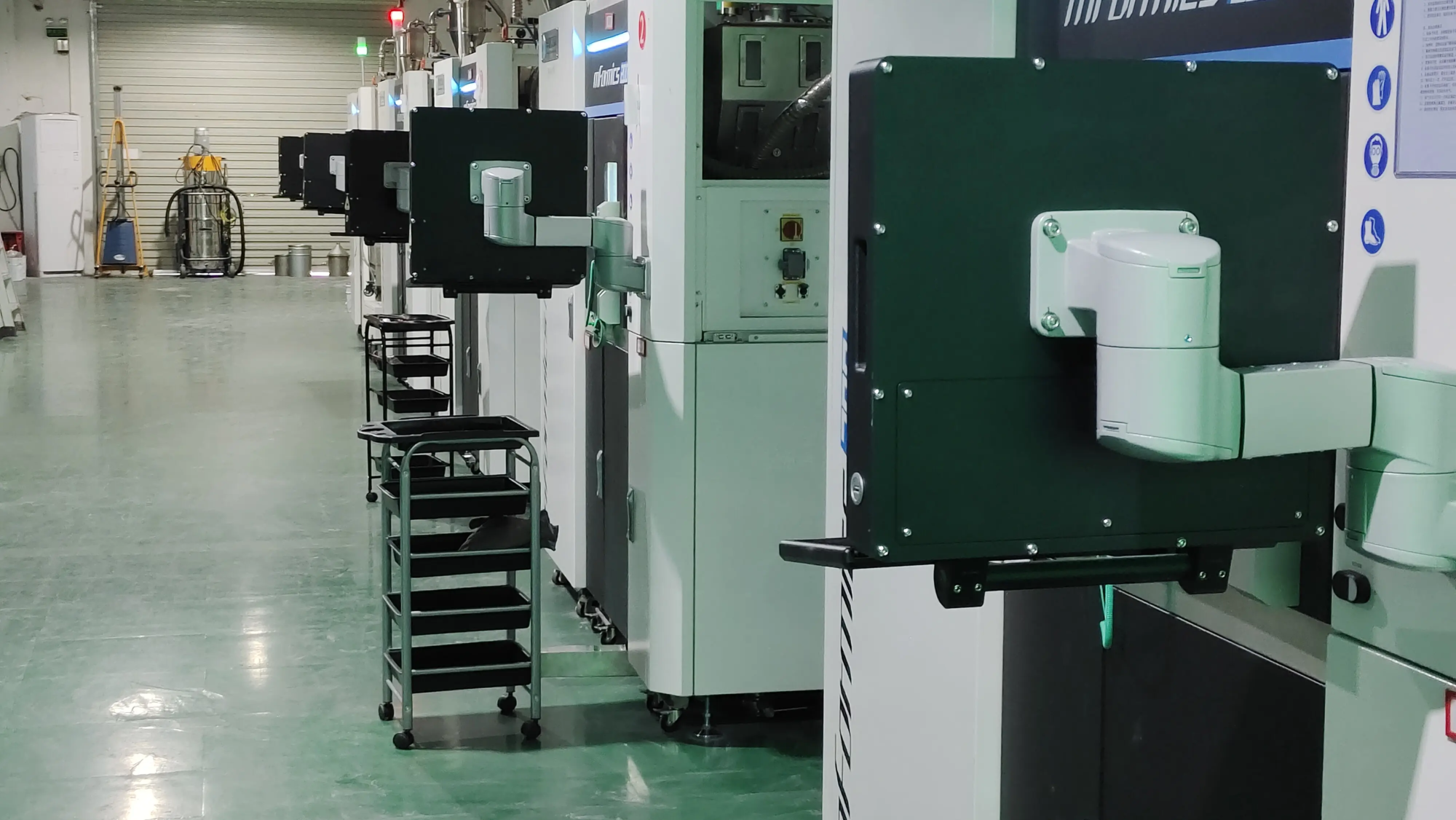
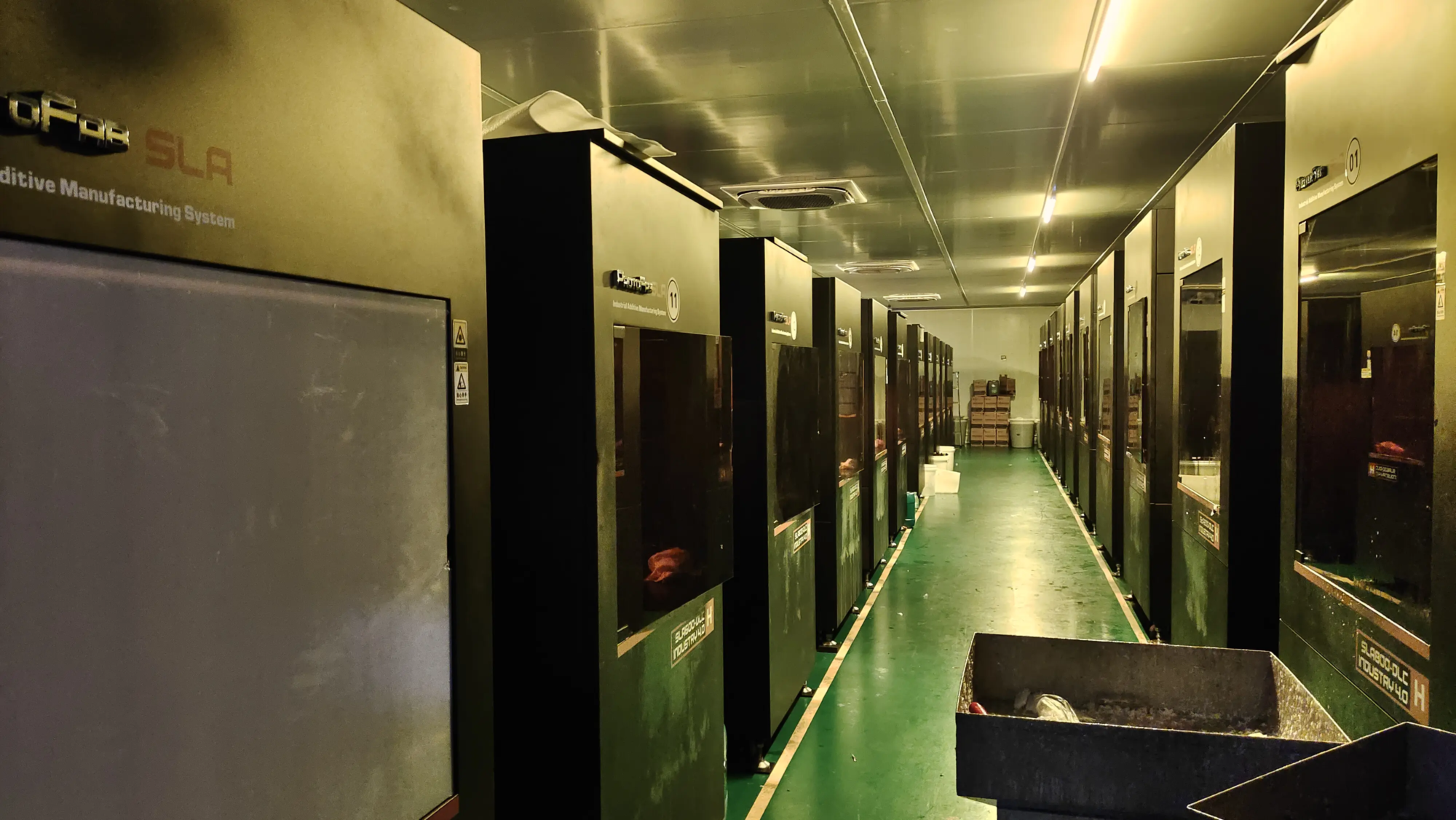
- Cutting-edge SLM arsenal: The industrial-grade SLM 3D printers we deploy deliver unparalleled precision and repeatability, even at the microscale.
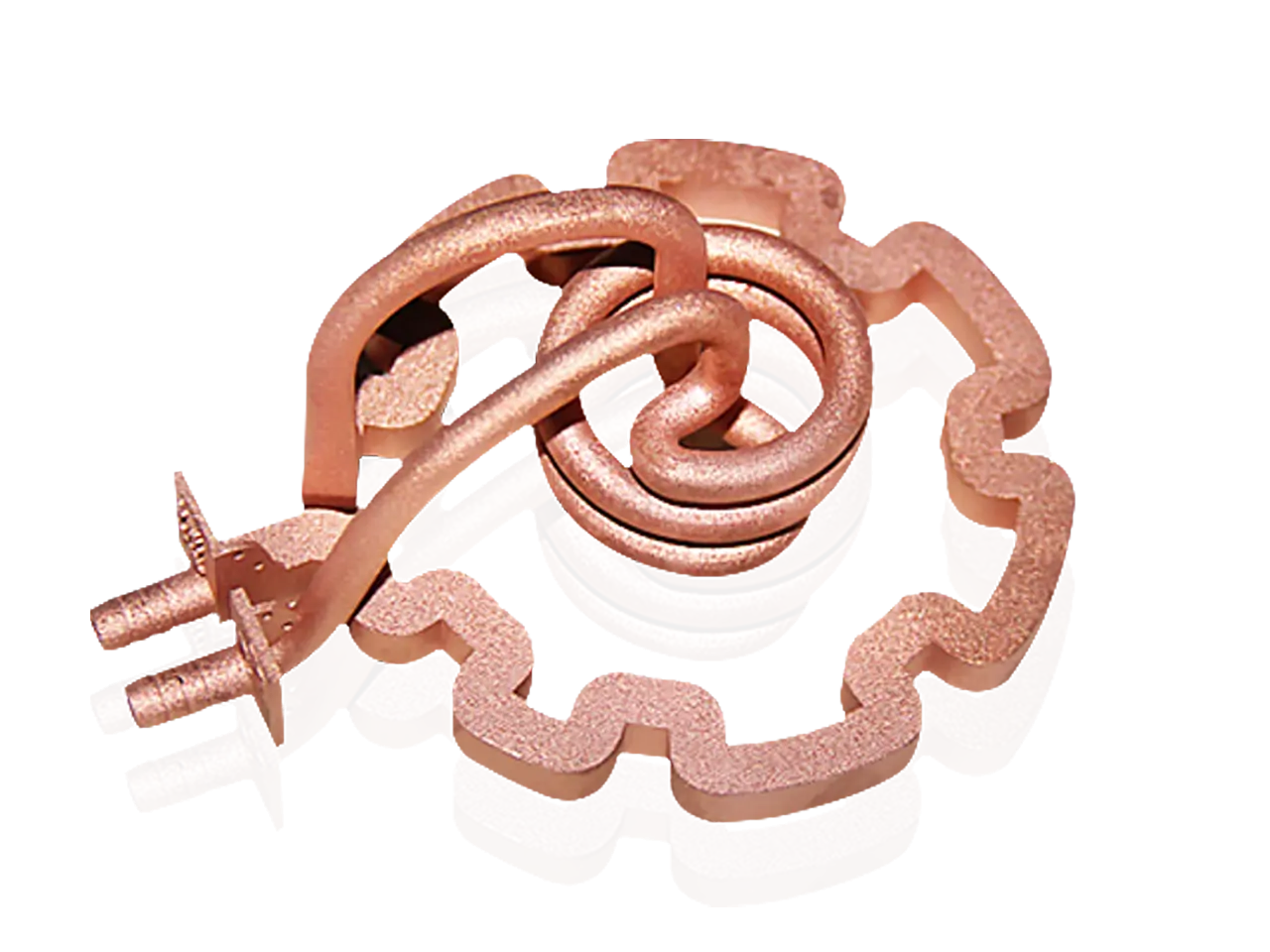
- Material Master: Stainless steel 316L, titanium Ti64 and TiCP, aluminum AlSi10Mg, Inconel, copper alloys – we customize solutions for various metals to increase strength, biocompatibility or electrical conductivity.
- Engineering cooperation: We work closely with you. Our engineers proactively analyze design files, providing DfAM (Design for Additive Manufacturing) insights to ensure printability without compromising functionality – critical for complex assemblies.
- Advanced post-processing: Great printing is just the beginning. Our in-house expertise provides meticulous powder removal, precision support removal, heat treatment, dimensional accuracy CNC machining, surface finishing (polishing, sandblasting, anodizing, electroplating) and comprehensive inspection.
- Speed and agility: We build optimized print nests and streamline workflows to deliver fast, custom precision machining solutions without unexpected markups – perfect for proof-of-concepts, functional prototypes and end-use micro-parts.
Whether your needs involve nanotechnology-inspired structures, compact heat exchangers requiring a labyrinth of internal channels, or biocompatible implants that mimic natural forms, GreatLight transforms complexity into tangible, functional success.
The 3D printed snail is a powerful demonstration of the cutting edge of advanced additive manufacturing. What intricate micro-miracle will you create next? Embrace custom precision rapid prototyping with GreatLight today!
in conclusion
The humble 3D printed snail embodies a technological leap forward. It’s not just a decoration, it’s a verification accurate, complexand Functional integration This is possible with modern SLM 3D printing. These tiny marvels underscore the shift toward making the previously unmanufacturable—complex components that require micron-level precision, advanced materials like titanium or superalloys, and complex geometries that challenge traditional methods. They herald innovations in medicine (tiny surgical tools, implants), aerospace (tiny cooling systems), and consumer electronics (dense actuators). Partnering with experts with advanced technology and comprehensive finishing capabilities, like GreatLight, enables engineers and innovators to seamlessly bring groundbreaking microdesigns to reality. Witnessing the snail’s crawl of printing doesn’t mean it’s the end, but it’s a fascinating glimpse into the next frontier of additive manufacturing.
FAQ – Uncovering the Secrets of Tiny Miracles and Metal 3D Printing
Q1: What makes the 3D printed snail so impressive?
one: Its real wonder lies in the complexity of its printing Completed in one go. Internal moving parts such as gears, springs and shafts are fully assembled within the housing at the time of manufacture, eliminating the need for post-print assembly. This requires incredible precision to ensure that all components fit and move freely after printing and powder removal.
Q2: Are these snails really functional?
one: Absolutely! Designs such as Evan Hanson’s popular snail utilize a torsion spring mechanism. After printing and cleaning, wrapping the spring causes the snail’s internal gears to mesh, creating a slow crawling motion – proving it’s more than just a static model.
Q3: What 3D printing technology created these?
one: metals snails need Selective Laser Melting (SLM) or direct metal laser sintering (DMLS). Resin printers (SLA/DLP) can create detailed static Snail model, but can’t match the strength or integration of metal.
Q4: Why use metal powder instead of filament or resin?
one: The metal powders used in SLM offer exceptional strength, stiffness, temperature resistance and biocompatibility, which are critical for functional microparts and harsh environments. Resin lacks comparable strength or thermal stability, while wire (FDM) produces prints with much lower resolution.
Q5: What metals can be used for complex prints like this?
one: Common SLM metals include stainless steel 316L (strong, corrosion-resistant), titanium alloys (lightweight, biocompatible), aluminum alloys (lightweight), nickel high-temperature alloys such as Inconel (high temperature), and copper (electrically conductive). Material selection depends on mechanical needs and heat treatment.
Q6: How does Honglaite ensure the printability of complex micro parts?
one: Expertise is key. Our engineers conduct a thorough Design for Additive Manufacturing (DfAM) analyze. We evaluate orientation, support structure, wall thickness, clearance of moving parts, thermal stresses, potential deformation, and recommend design adjustments forward print. This proactive approach maximizes the success of complex designs.
Q7: What post-processing must be done after metal printing?
one: Basic steps include powder removal, precision support removal, heat treatment (annealing or stress relief), CNC machining of critical dimensions/tolerances, and surface finishing (polishing, shot peening, anodizing, electroplating). GreatLight seamlessly integrates these into production-ready parts, eliminating fragmentation among suppliers.
Q8: How long does it take to get a functional metal prototype like a micro mechanism?
one: SLM significantly reduces lead times compared to traditional molding/machining. At GreatLight, leveraging optimized nesting and streamlined workflows, functional metal prototypes are often delivered faster than typical CNC orders—from days to weeks instead of months.
Q9: Why choose GreatLight for metal rapid prototyping?
one: GreatLight combines high-precision SLM equipment, broad material selection, proactive DfAM engineering support, expert one-stop post-processing (finishing/machining/inspection), fast turnaround times, competitive pricing customized based on complexity/volume, and consistent execution sophistication beyond micromechanics.