Breaking down barriers: How 3D printing is revolutionizing acoustic diffuser design
For decades, achieving precise control over room acoustics meant relying on commercially manufactured acoustic panels or carefully crafted handcrafted solutions. While acoustic panels have become commonplace, optimizing sound dispersion—the art of scattering sound waves in complex patterns to eliminate echoes and create more immersive sound spaces—presents significant challenges. Additive manufacturing, or 3D printing. This technology isn’t just changing prototyping; It is reshaping the acoustic landscape by producing complex, performance-optimized sound diffusers that were previously impossible or prohibitively expensive. Let’s dig into the physics, what’s possible, and why a professional manufacturing partner like GreatLight is key.
Acoustics 101: Absorption and Diffusion
Before understanding diffusers, it is important to distinguish them from their close relatives, absorbers. Both play a vital role in acoustic treatment:
- Absorber: Converts sound energy into heat energy (via friction). Reduces strong reflections, echoes and reverberation, typically targeting mid- and high-frequency frequencies. Consider foam board or dense insulation.
- Diffuser: Scatter sound waves in multiple directions. Rather than simply removing energy, they break up a strong, focused reflection into many weaker reflections distributed across space and time. this:
- Eliminate discrete echoes.
- Create a spacious and atmospheric feeling.
- Maintaining sound energy and vitality in a room (as opposed to eliminating the absorption of sound energy).
- Promotes even distribution of sound frequencies.
- Maintain speech clarity while eliminating harsh reflections.
Traditional diffuser design:
Two main mathematical designs have dominated the spread of the tradition:
- Secondary Residual Diffuser (QRD): Based on a strict mathematical sequence (the quadratic remainder theorem) with a series of deep, variable wells. Their depth determines the lowest frequency at which they scatter effectively. Building them requires precise CNC machining or complex carpentry of individual wells.
- Skyline Diffuser: Made of blocks (cubes, pyramids) of different heights arranged in a pattern according to a numerical sequence, creating a "skyline" surface. Usually more visually interesting than QRD. Construction involved the precise cutting and assembly of many small wooden pieces.
Limitations of traditional manufacturing:
- Complexity limits: CNC machining is difficult to achieve cost-effectively on extremely complex or organic shapes within.
- Geometric limitations: Create multi-directional diffusion (horizontally scattered sound and Effective vertically) is difficult with stacked or glued blocks.
- Weight and Density: Traditional wood or MDF diffusers are heavy, especially the large, deep versions required for low frequency control.
- Accuracy and consistency: Achieving perfect alignment and dimensional accuracy across hundreds of wells or blocks is challenging and costly.
- Material restrictions: Mainly limited to wood and plastics that can be processed by CNC milling.
How 3D printing changes sound dispersion:
Additive manufacturing overcomes these barriers and unlocks unprecedented design freedom:
- Perfect geometric complexity: Whether it’s a mathematically perfect QRD well with a curved base, a complex fractal design, a bionic structure inspired by nature, or a complex surface optimized through simulation, 3D printers can build them all with ease. Each layer contributes to the acoustic function of the design.
- Optimize performance: Computational design tools can simulate sound wave interactions forward print. Diffusers can be optimized for specific frequency ranges, dispersion angles (single sphere, double sphere or hemisphere), or customized for unique room acoustics. Features such as the integrated mounting system are printed in place.
- Material Versatility:
- Thermoplastics: Offering lightweight solutions, good detail resolution and a wide range of beautiful finishes. Nylon-based material offers excellent durability.
- Photopolymer: Allows for ultra-high detail features such as micro-perforations, ideal for high-frequency diffusion or combined diffusion/absorption effects.
- Metal alloys (via SLM/DMLS): This is where GreatLight’s expertise shines:
- Unparalleled Strength and Durability: Ideal for demanding environments such as professional studios, concert halls, broadcast booths or architectural features.
- Precision complexity: Selective laser melting allows the construction of complex geometries not possible with casting or machining.
- Heat resistance and stability: Essential for environments with fluctuating temperatures.
- Acoustic properties: Allows exploration of previously unattainable metal diffusion properties.
- Integration potential: Embedding fixtures, sensors or conductive paths becomes possible.
- Long term stability: Resists deformation under environmental stresses better than most plastics.
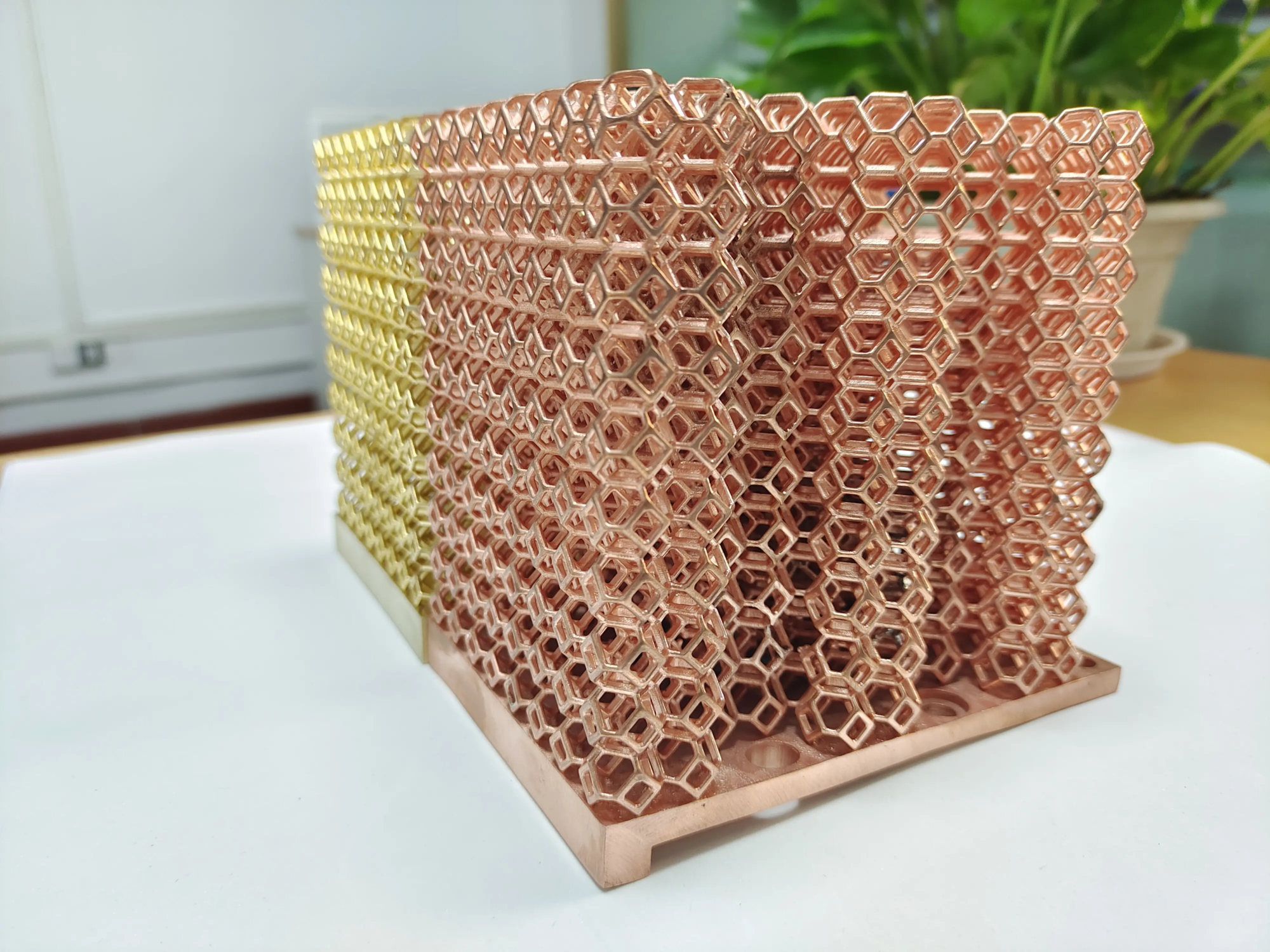
- Lightweight strategy: Complex lattice structures or integrated honeycombs created through 3D printing offer significant weight savings compared to solid block equivalents without compromising acoustic performance or structural integrity – a major advantage for ceiling-mounted diffusers or large installations.
- Mass customization: Need a diffuser shaped to fit a unique architectural curve? Need to cleverly integrate brand elements? Want a personalized diffusion pattern? 3D printing makes it possible to economically produce custom diffusers.
- Faster prototyping and iteration: Rapidly prototype, conduct acoustic testing, digitally refine and print improved versions – dramatically shortening the development cycle for acousticians and audio engineers.
Collaborating for acoustic excellence: The role of professional rapid prototyping
Design is one thing; manufacturing acoustically accurate diffusers reliably and efficiently requires industrial-grade capabilities and expertise. At this point, working with a professional rapid prototyping provider like GreatLight is crucial:
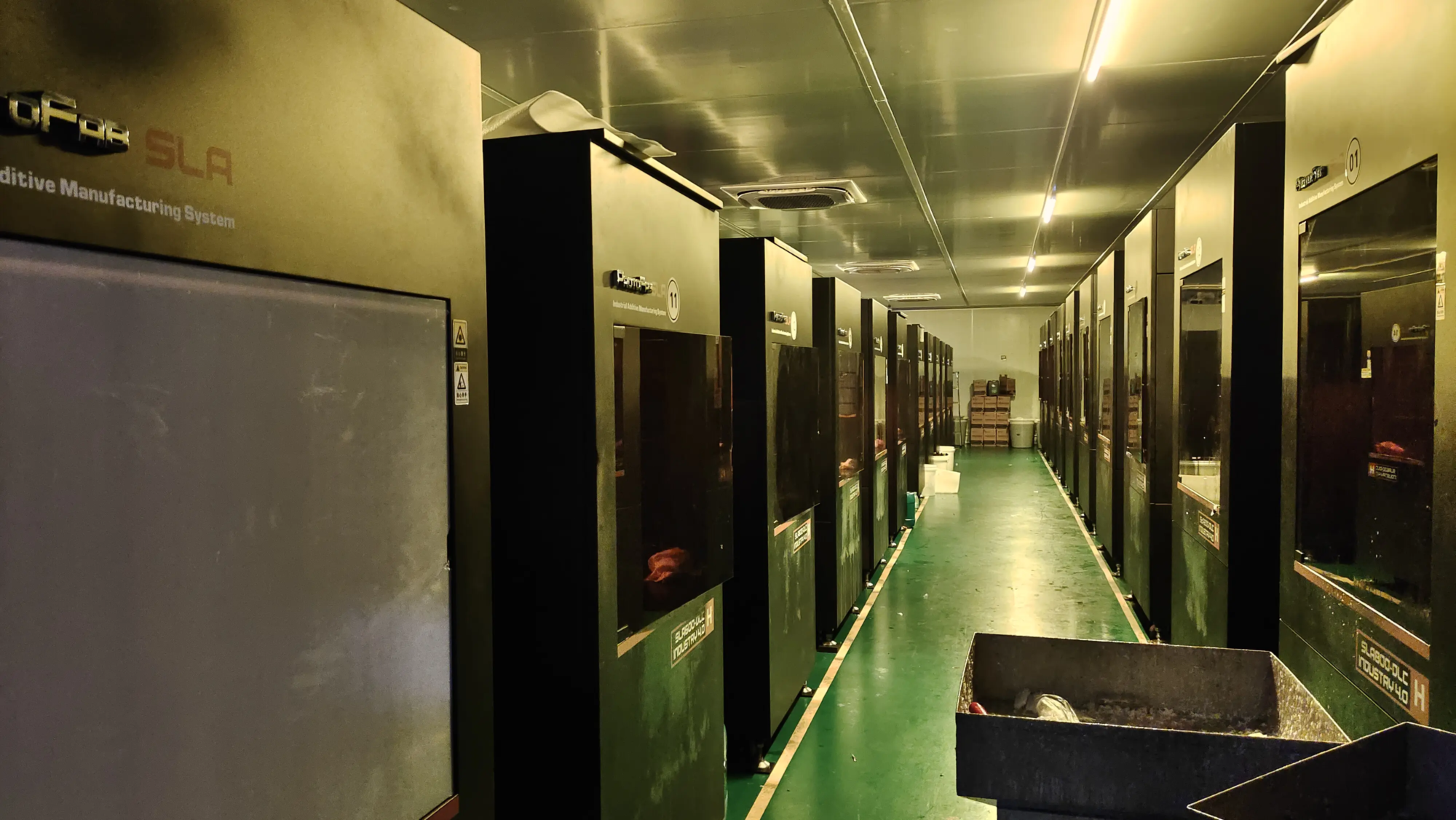
- Advanced SLM technology: GreatLight’s selective laser melting machines provide the precision and material control required for functional, geometrically complex metal diffusers to operate as designed.
- Materials expertise: Selecting the best metal alloy—balancing acoustic properties, strength, weight, and finish—requires deep knowledge of materials science.
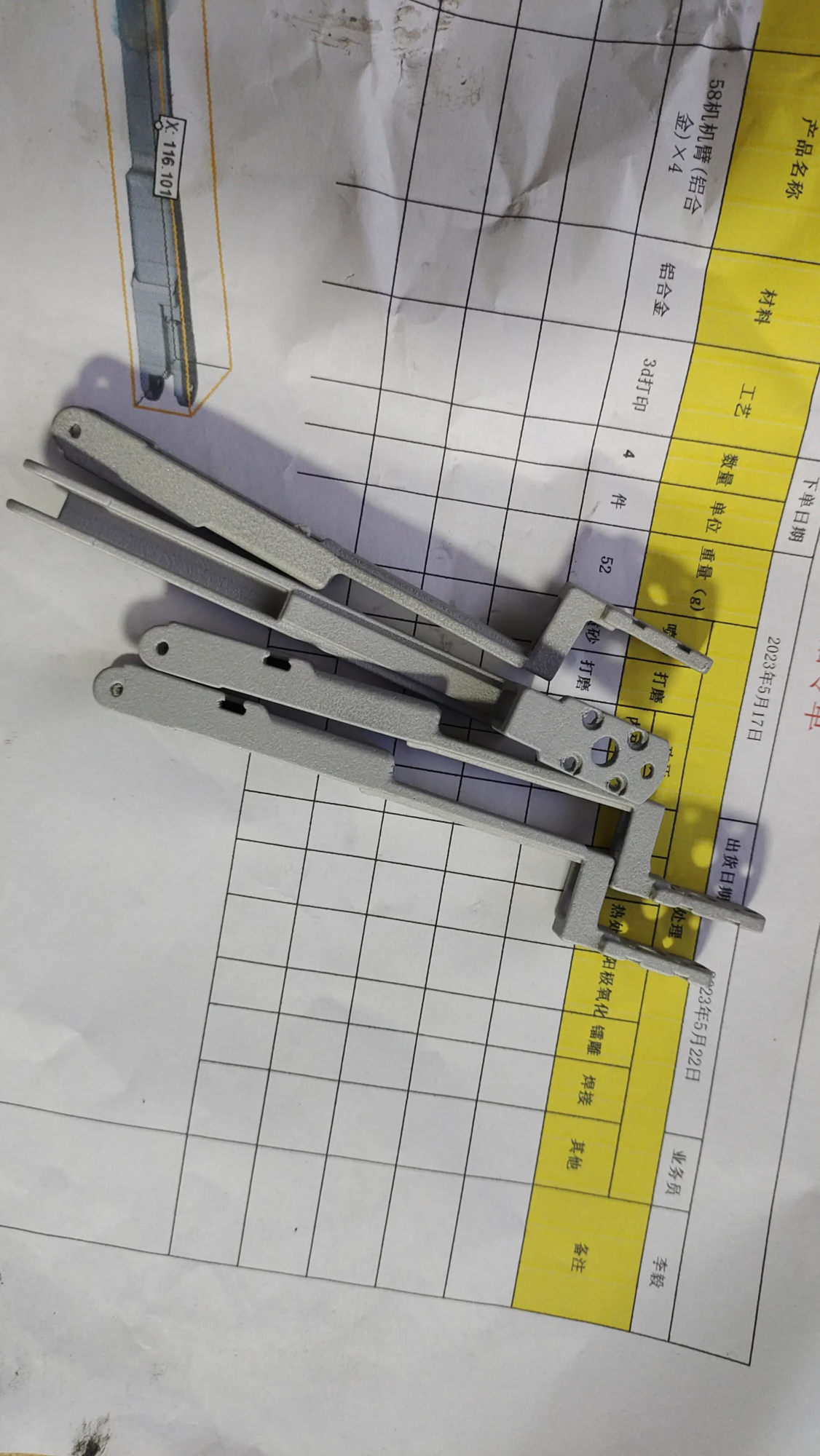
- End-to-end solution: In addition to printing, GreatLight can handle critical post-processing: meticulous support removal, precision machining of mounting interfaces (if required), surface preparation (sandblasting, polishing, plating), and strict quality control. Their comprehensive service ensures that acoustic surfaces meet strict dimensional and tolerance requirements.
- Design for Manufacturability (DFM): Experienced engineers optimize CAD designs for successful SLM printing and provide advice on strategies such as lattice integration or minimizing supports.
- Speed and scalability: "quickly" Prototyping means quick turnaround of prototypes and Production run, suitable for small studio upgrades or large auditorium installations.
in conclusion
3D printed sound diffusers represent a giant leap forward in acoustic design and performance. They are freed from the geometric and manufacturing constraints of the past, allowing acousticians to tailor sound scattering in ways previously limited to theory. From complex mathematically optimized surfaces to solid metal building installations, the possibilities are vast.
While easily accessible desktop printers offer entry-level DIY options, implementing full potential The success of the proliferation of 3D printing, especially the powerful precision and material diversity offered by metal printing, depends on leveraging specialized rapid prototyping partners equipped with advanced additive manufacturing technologies such as SLM and comprehensive finishing capabilities. Providers like GreatLight help designers and architects push the boundaries of acoustics to transform spaces with unparalleled sonic clarity, natural ambience, and sculptural beauty. The future of acoustically optimized spaces is undoubtedly closely linked to the development of additive manufacturing.
Frequently Asked Questions (FAQ)
Q1: Aren’t traditional wooden aroma diffusers cheaper?
A: For standard off-the-shelf designs in basic wood, yes, their initial cost may be lower. However, 3D printing shines in custom or complex geometries. The total value proposition changes when you consider design optimization for specific needs, the potential for lightweighting (lower installation costs), reduced waste, faster prototyping, and the ability to integrate complex functionality such as installation, especially for specialty applications or custom installations. Metal printing offers unique advantages that justify its cost in harsh environments.
Question 2: How do I know if a specific 3D printed diffuser design is acoustically effective?
Answer: Acoustic simulation software is essential. Tools such as COMSOL Multiphysics, ODEON, or specialized acoustic modeling plug-ins allow designers to simulate how sound waves interact with complex geometries before printing. Professional acousticians combine this with established mathematical design principles (such as Schroeder diffuser theory) and empirical measurement data to validate the design.
Question 3: What frequencies are 3D printed diffusers most suitable for?
A: Diffusers, regardless of manufacturing method, are subject to physical controls: depth The number of holes (or features) determines the minimum effective diffusion frequency. Deeper diffusers are characterized by targeting lower frequencies. The advantages of 3D printing are that it allows for precise control of depth and cleaner hole termination (critical for accurate low-frequency performance), and the ability to create band-specific features without compromising structural integrity, especially in metals.
Q4: Can 3D printed diffusers also absorb sound?
A: First, a well-designed diffuser disperses sound. However, the following possibilities exist with hybrid designs:
- Material selection: Some porous plastics inherently absorb small amounts of high-frequency energy.
- Surface design: Micro-perforations combined with specially designed backing cavities create the Helmholtz resonator effect for targeted absorption within diffusion structure. This complex integration is uniquely feasible in 3D printing.
- Material layer: It is structurally easier to combine a diffusion layer printed on top of an acoustic backing material with the printed part.
Q5: Are 3D printed metal diffusers suitable for outdoor environments?
Answer: Of course. This is a major advantage. Metal alloys such as stainless steel 316L, titanium alloys or weathering steel offer excellent corrosion resistance and UV stability. When combined with protective coatings when necessary, 3D printed metal diffusers built with SLM (such as GreatLight’s products) can provide durable, high-performance acoustic solutions for outdoor amphitheaters, building facades, or public facilities exposed to the elements.
Q6: How to maintain or clean the 3D printed diffuser?
A: This depends largely on the material and finish:
- plastic: Use gentle dusting or slightly