Booming Innovation: Elevate Your Space with 3D Printed Sunflowers (DIY Decorating Guide)
With its iconic golden petals reaching for the sky, the humble sunflower has fascinated artists and gardeners for centuries. Now, with the magic of 3D printing, you can bring this radiant beauty to your home décor, creating stunning, long-lasting floral arrangements that are completely customized to your taste. Whether you want a surreal centerpiece or a playful stylized sculpture, 3D printed sunflowers offer an easy-to-use, creative, and surprisingly complex DIY project. Beyond decoration, they showcase an incredible fusion of art and modern manufacturing technology, right at your fingertips (or order online).
Why use 3D printed sunflowers?
-
Endless customization: Forget boxed bouquets. With 3D printing, you have control over everything:
- size: From delicate table centerpieces to grand statement pieces that span your feet.
- Color combination: Print petals in sunny yellow, fiery orange, deep burgundy, or even metallic gold/silver filigree. Mix filament colors in one print or paint finish for incredible results.
- style: Choose from botanically accurate models that mimic nature, or go for abstract, geometric, steampunk or minimalist interpretations.
- complex: Incorporate intricate seed head patterns, varying petal textures or articulated stems – details that are difficult to achieve by hand.
-
Durability and Persistence: Unlike real flowers or faded silk flowers that wilt within a few days, beautifully printed sunflowers will last for years. PLA, PETG or ASA plastics are resistant to fading (especially the UV-stabilized variants) and are easy to dust and maintain.
-
Auxiliary functions: You don’t need a green thumb! A home FDM (fused deposition modeling) printer and basic processing skills are enough. Many free and paid Sunflower STL files are readily available on platforms such as Thingiverse, Cults3D or Printables. Don’t have a printer? There are many online services or local makerspaces that can print files of your choice.
- Year round sunshine: Bring cheerful warmth to gloomy winter days, or decorate a space where real plants grow (like a windowless bathroom).
Your DIY journey: from documents to flowers
-
Find the perfect bloom: Start searching the STL repository. Keywords are important: "Sunflower STL," "3D printed floral decoration," "stylized sunflower," "sunflower vase hat," "Geometric sunflower." Check reviews and pictures to gauge printability and quality.
-
Choose your materials:
- People’s Liberation Army: First choice for beginners. Wide color range and easy to print, but may warp at high temperatures/degrade slightly in strong direct sunlight Very long time. Best for indoor use.
- Polyethylene glycol: Tougher, more heat-resistant and generally more UV-resistant than PLA. Perfectly balanced for durable decoration exposed to moderate light or temperature fluctuations. More challenging to print.
- ASA: Excellent UV and weather resistance, ideal for sunflowers installed on sunny windowsills, patios or outdoors (check documentation for suitability first). Good ventilation is required when printing.
- Wood/polymer composites: Offers unique natural textures and colors for a rustic feel. Great for painting. Slight print settings adjustments and nozzle grinding may be required.
-
Master printing: Sunflowers often benefit from specific settings:
- Floor height: The smaller height (0.15mm – 0.2mm) enhances the detail of petals and seed heads.
- support: Complex seed heads or steeply angled petals often require removable supports. Tree supports in slicers are often best for complex organic shapes.
- filling: For trim, 10-20% is usually enough. For structural parts (such as thick stems), increase to 30-40%. Concentric or spiral patterns look attractive on vase pattern prints.
- Vase (spiral) mode: Ideal for single wall petal structures or simplified styles. Create hollow, continuous extrusions – quickly, material efficiently, and create a unique look.
- The art of finishing (turning print into quality): This is where the sunflowers really bloom:
- Support removal and sanding: Carefully remove the supports. Sand gradually from coarse to fine grit (for example, 120 to 600+) to achieve a smooth surface, especially when painting. Focus on layer lines and support contact points.
- painting: Prime with a spray primer (plastic specific is best) for best paint adhesion.
- Acrylic: Versatile and easy to use, water purification. Mix the gradient colors on the petals.
- spray gun: Create extremely smooth gradients and realistic effects.
- Metallic/Special Effect Paints: Add eye-catching highlights to seed heads or petal edges.
- Dry brushing: Highlight textured areas, such as seed heads, with lighter colors.
- Clear Coat: Seals and protects paint. Available in glossy, satin or matte finishes. Choose a UV protection spray for outdoor use.
- assembly: Multi-part prints (individual petals, centers, stems) require careful gluing. Use cyanoacrylate (superglue) for PLA/PETG or specific plastic adhesives. Design pins/slots into the model or use small dowels for added strength.
- Enhancements: Glue small beads or seeds to the center. Apply gold leaf decoration. Embed small magnets into the base to place on metal surfaces.
Inspiring uses for 3D printed sunflowers:
- Freestanding sculptures and centerpieces
- wall art and hanging mobiles
- A statement piece in a terrarium or glass dome
- Unique vase decoration transforms simple bouquet
- Gift topper adds lasting personal touch
- Wedding decorations (gifts, table settings, arch decorations)
- Garden art (using UV/weather-resistant materials and finishes)
- Jewelry (smaller versions of pendants or earrings)
When your vision demands more: The role of professional prototyping
While printing sunflowers on a home printer can be hugely rewarding for hobbyists, sometimes your vision requires precision, scale, or materials beyond the realm of the desktop. Maybe you are designing:
- Extraordinarily huge artwork: Requires structural integrity and minimization of visible layer lines over large surfaces.
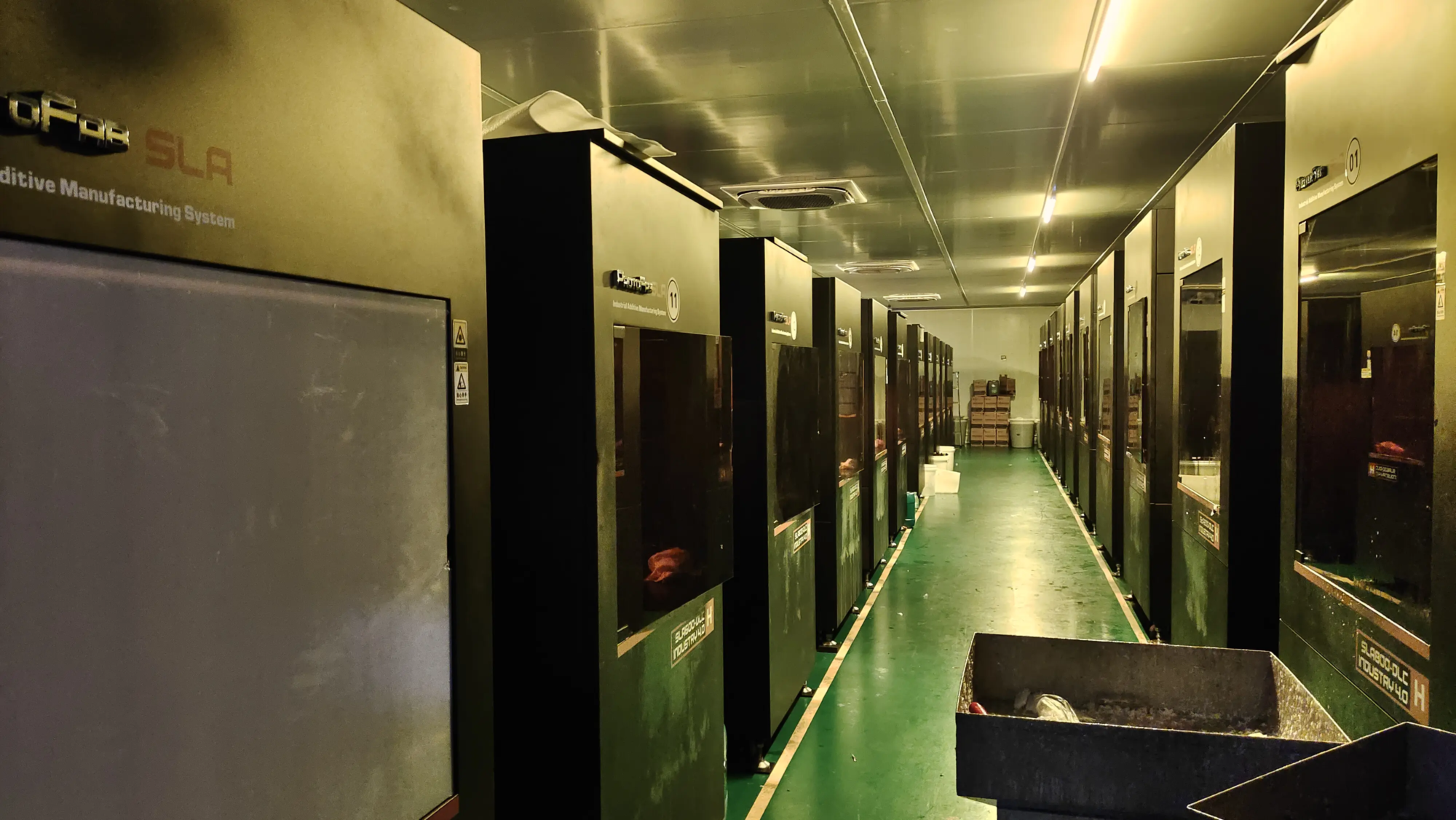
- Super high detail: Higher end processes such as resin printing (SLA/DLP) are required to achieve museum-grade botanical accuracy.
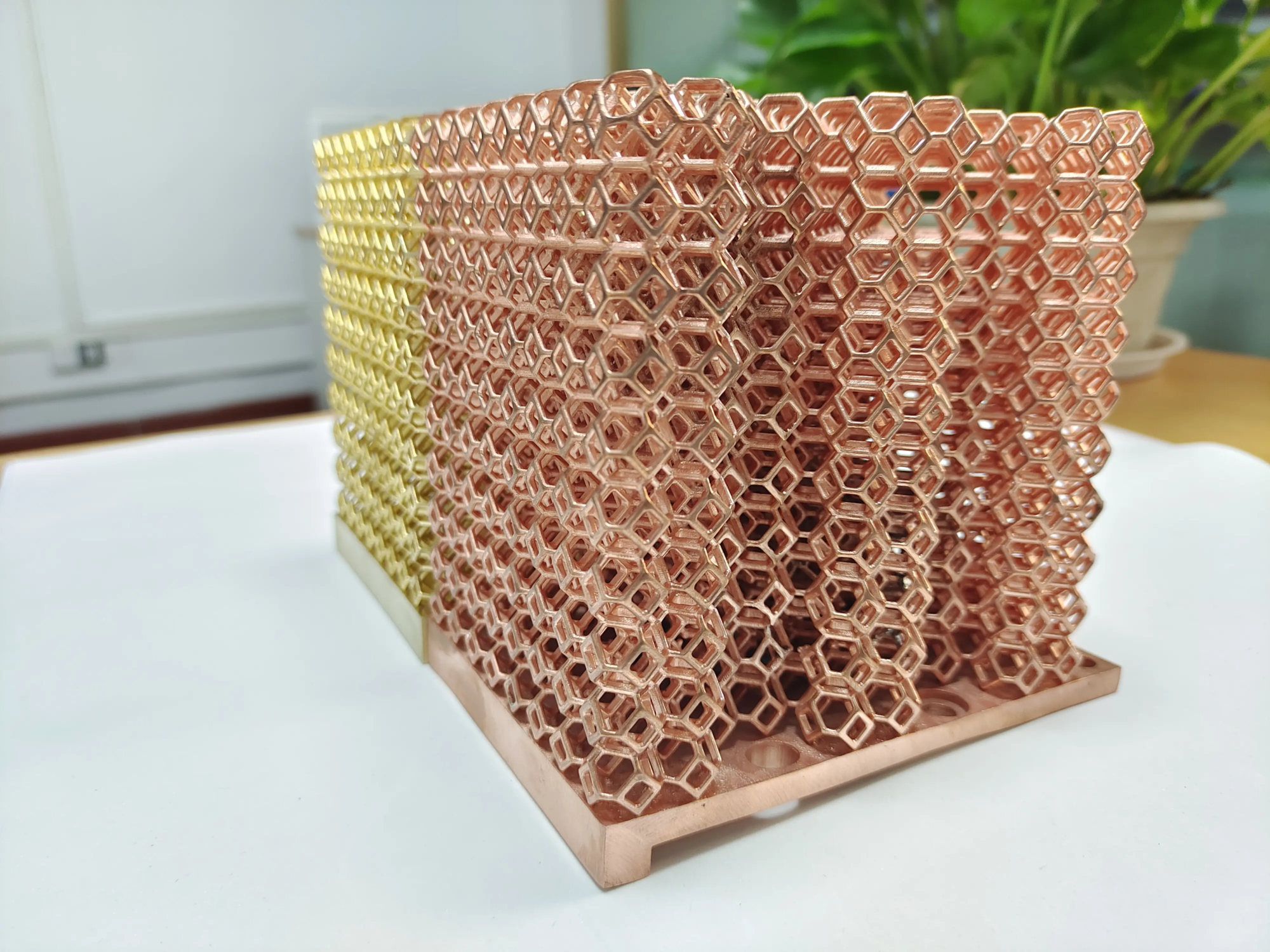
- Special materials: Industrial strength polymers, pure metals (such as stainless steel or bronze-infused filaments printed via binder jetting/metal FDM or laser sintering) or specialized composites are required.
- Complex internal mechanisms: Examples include motorized stems for tracking light (true phototropism!), articulated petals or integrated lighting elements that require precise internal channels.
- Customized design: Create a unique sunflower model optimized for manufacturability and visual impact.
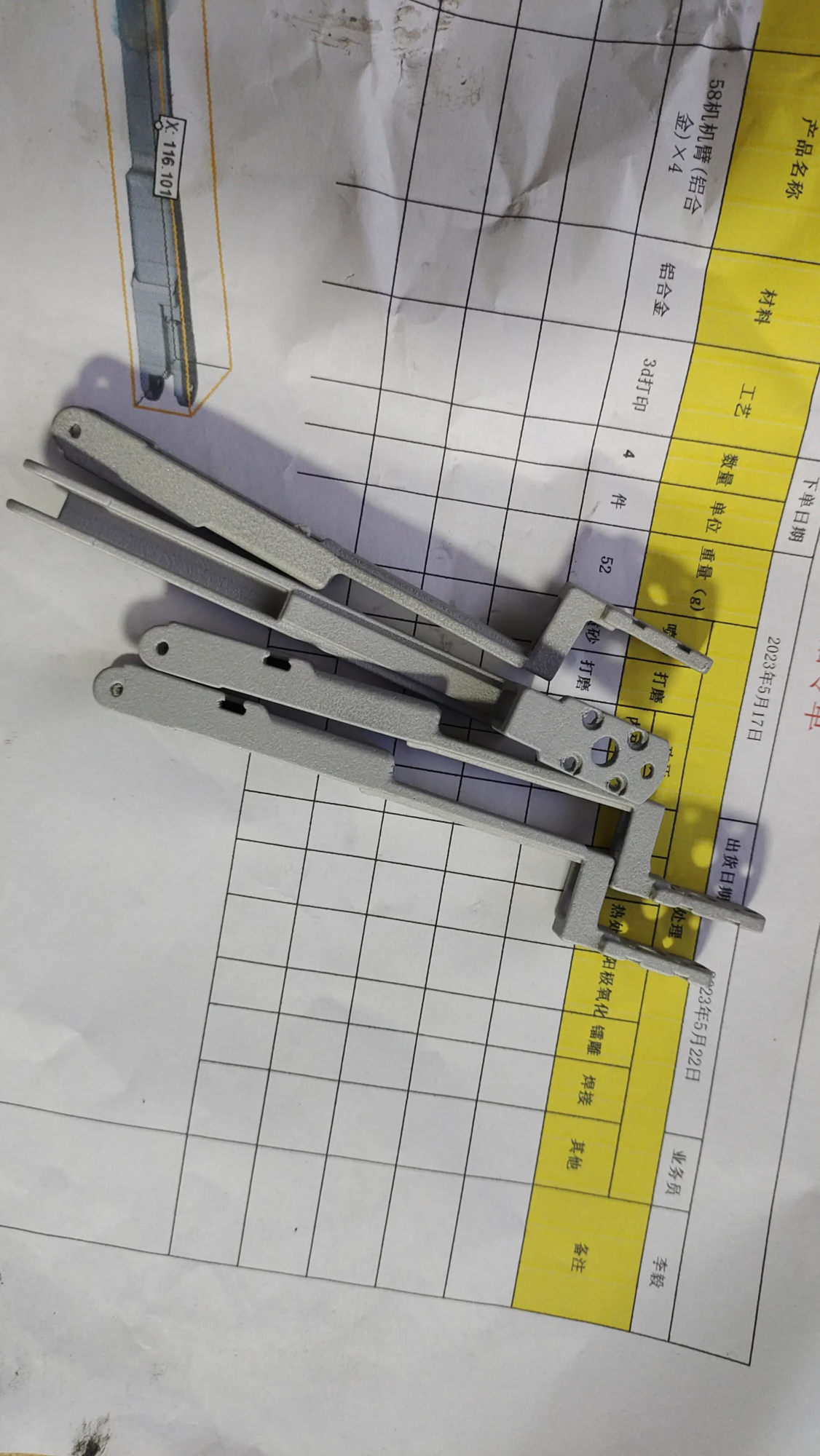
This is the place to work with professionals Rapid prototyping and manufacturing services Unleash possibilities. company likes huge light Focus on making the leap from concept to quality reality. Equipped with advanced SLM (selective laser melting) printer For top-grade metal parts and high-precision FDM, SLA and SLS technologies, they overcome the limitations of consumer-grade machines.
For craftsmen, designers or businesses creating high-end decorative items, professional services offer:
- Material mastery: Using engineering-grade plastics, real metals and composites to provide the superior durability, finish and UV/weather performance critical to premium finishes.
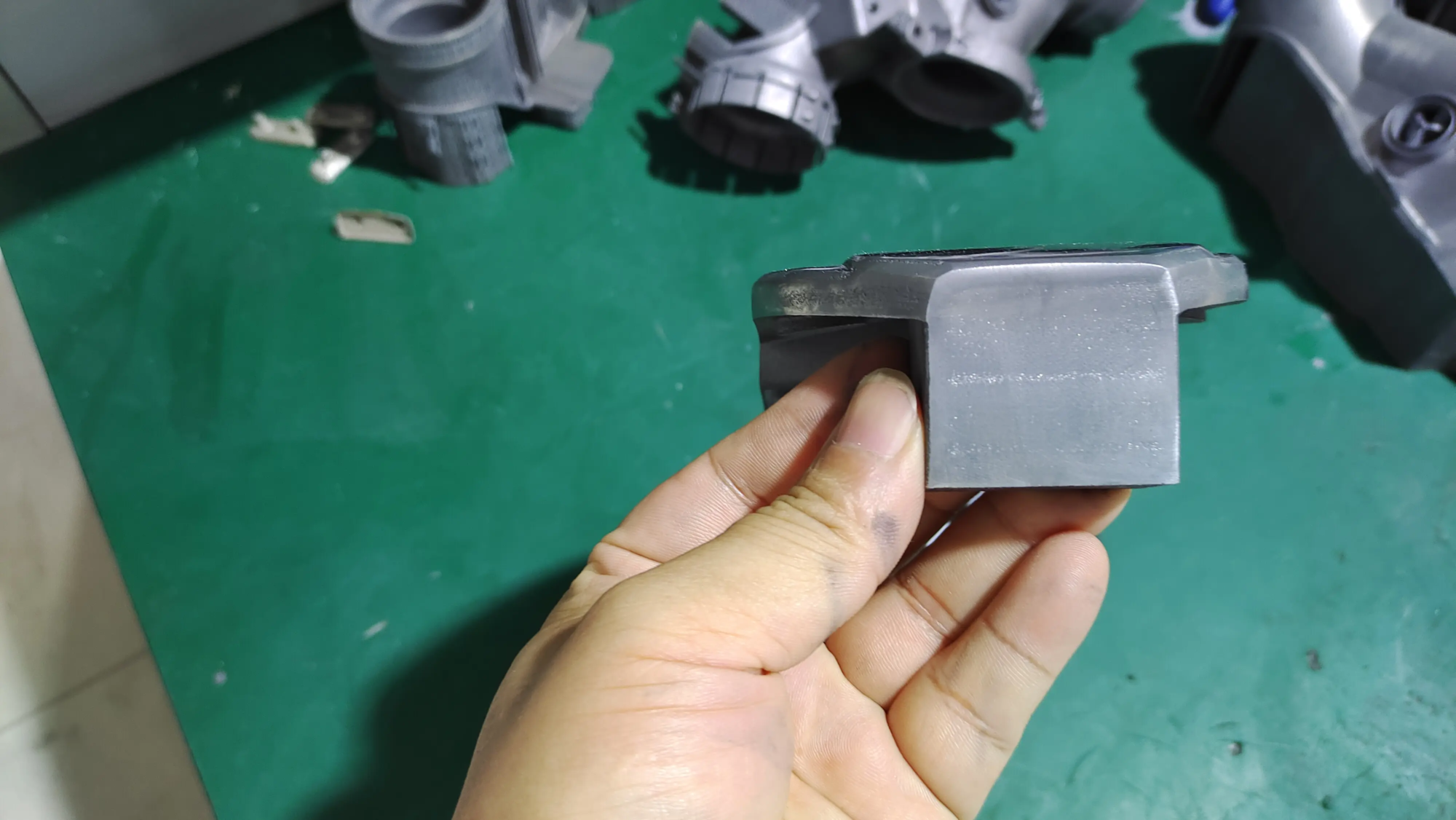
- Unparalleled precision: Achieve the extremely fine details, smooth surfaces and tight tolerances necessary to achieve complex components or complex plant features, significantly reducing post-processing requirements.
- Advantages of scale: Producing large units requires robust engineering and layered printing strategies that are not possible on a hobbyist’s machine.
- Engineering support: Have expertise in designing for manufacturability (DFM) parts, optimizing model strength, minimizing support needs, and ensuring successful printing on specialty materials.
- End-to-end finishing: Professional sanding, painting, polishing, plating, powder coating or specialized metal finishes transform original prints into gallery-ready works of art.
Conclusion: Use modern technology to cultivate beauty
3D printed sunflowers are more than just plastic replicas. It represents an exciting fusion of natural beauty and cutting-edge digital fabrication. It democratizes design, allowing anyone to create personalized, durable floral arrangements that stay with the seasons. The DIY process, from selecting files to painting the final piece, provides tremendous creative satisfaction.
However, for businesses that require industrial-grade materials, unparalleled precision, complex engineering, or truly custom artistic finishes, professional rapid prototyping and manufacturing services become invaluable. company likes huge lightutilizing technologies such as advanced SLM and comprehensive post-processing capabilities, enabling creators to transform ambitious sunflower concepts – from intricate jewelry to monumental outdoor sculptures – into stunning realities. Embrace this booming technology trend; let your creativity blossom into printed petals and bring a touch of eternal sunshine to your world.
FAQ: Answers to 3D Printing Sunflower Questions
Q1: Can I? need 3D printer to make one?
Answer: Absolutely not! Many online platforms (Shapeways, Craftcloud, local shops/makerspaces) offer printing services. Simply upload the STL file of your choice, select materials and options, and order. This is a great way to get started without investing in hardware.
Question 2: Which filament is best for indoor and outdoor sunflowers?
one: Indoor: PLA is nice and the easiest. Outdoor: Give priority to PETG, or preferably ASA filament. Make sure you also use a high quality UV protective clear coat spray any Materials intended for extensive outdoor exposure.
Q3: How can I make my 3D printed sunflower look more realistic?
Answer: Post-processing is the key! Sanding to remove layer lines, using a primer before painting, employing painting techniques such as layering, dry brushing and washing, and adding textural details such as real seeds or dark fill in the center can significantly enhance realism.
Q4: My petals are always deformed or the print quality is poor. What’s wrong?
A: Common culprits: poor bed adhesion (make sure the bed is level, use a glue stick/hairspray), insufficient cooling fan speed on the PLA overhang (petals!), printing too fast, or clogged nozzles. Check microtome settings (cooling, speed) and printer calibration.
Q5: Can I print sunflowers in metal? Is that DIY?
A: Printing directly on strong metals like stainless steel often requires industrial processes (SLM, DMLS, binder jetting). While desktop metal-filled filaments (bronze, copper) exist, they are metal powder-infused PLA/PETG – easier to print at home, but require intensive post-sintering/polishing to get a metallic finish, and are not structural metals. For a true metallic effect and professional finish, pair it with something like huge light is the actual solution.
Q6: Where can I find good Sunflower STL files?
A: Popular repositories include Thingiverse, Cults3D, Printables, and MyMiniFactory. Search and filter using relevant keywords "remixable" If you want to customize.
Q7: How strong is the 3D printed sunflower?
A: When printed with enough infill (especially the stems and joints) using PLA or PETG, they are surprisingly durable decorative pieces. Avoid squeezing pressure. Designs using the vase pattern will be lighter and more refined. Proper integration of metal components through professional services can significantly improve the structural integrity of demanding applications.