Unlocking potential: Rigorous testing of 3D printed suppressors
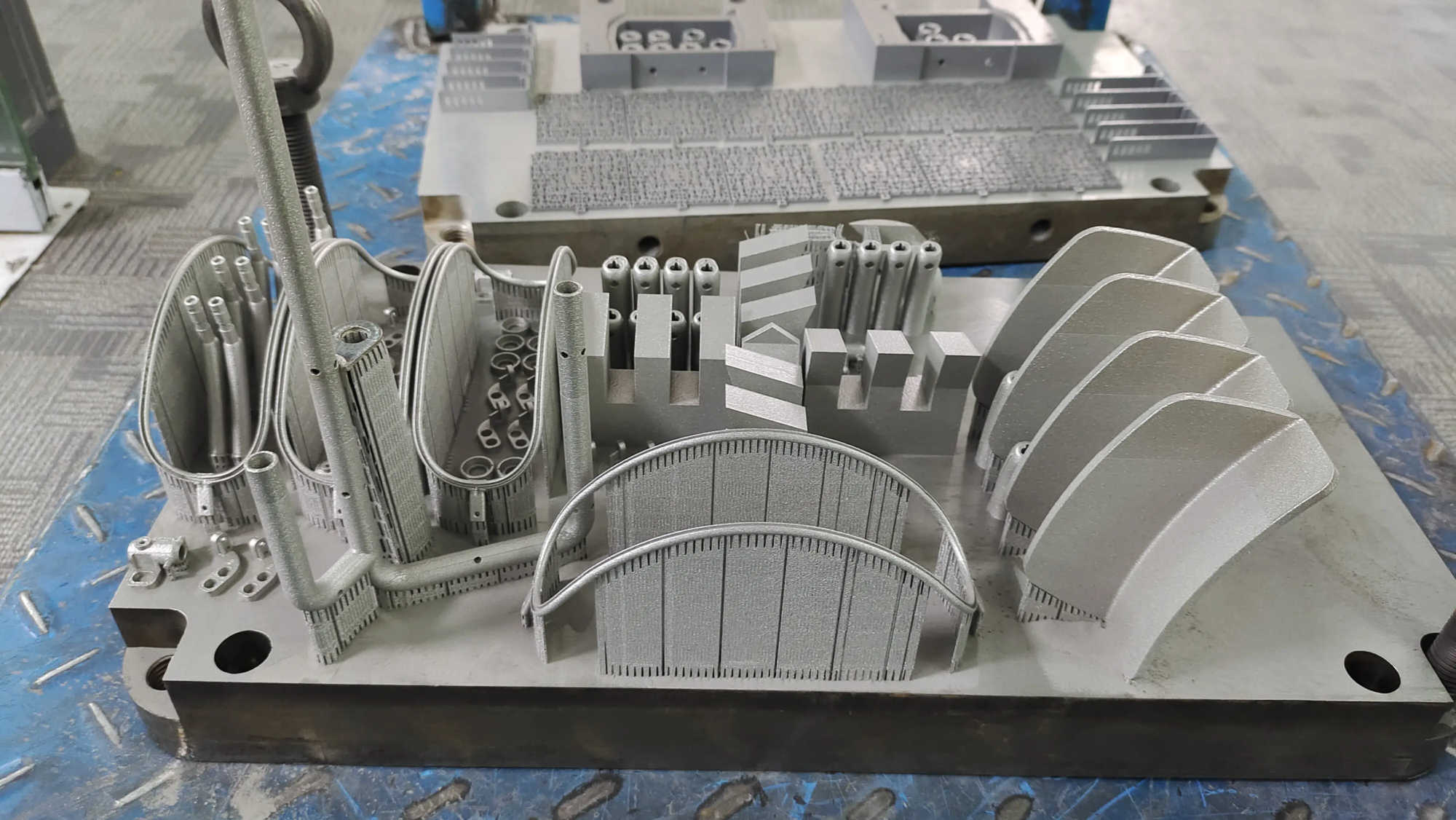
Advances in additive manufacturing continue to push boundaries into complex and demanding applications. One area that has generated considerable interest and debate is the use of 3D printing, specifically metal processes such as selective laser melting (SLM), for firearm suppressors. Supporters tout unprecedented design sophistication and the potential for customization, while skeptics question durability and performance in extreme conditions. Cut off speculation, focus, focus, Rigorous testing of 3D printed suppressors is essential. This article takes an in-depth look at our approach, findings, and what it means for the future of suppressor technology.
Why 3D printed suppressors?
Traditional suppressor manufacturing relies heavily on CNC machining, welding and forming techniques. Although proven, these methods still face limitations, particularly complex internal geometries that are critical for optimizing airflow and maximizing sound suppression. 3D printing unlocks the ability to create:
- Complex internal baffle structure: Designers are no longer limited by access to machining tools. Serpentine paths, hollow chambers, advanced deflectors, and geometries optimized through computational fluid dynamics (CFD) become feasible. This promises superior acoustic performance in smaller or lighter packages.
- Comprehensive features: Functional components such as mounting interfaces, indexing systems and even sensors can be integrated directly into the individual printing units.
- Mass customization: Depending on a specific caliber, barrel length, ammunition type, or