Revolution on the Table: Can you print a ping-pong ball in 3D?
Imagine providing you with ping pong balls you designed and printed – custom weight, unique texture, and even personalized colors. 3D printing is expected to be unparalleled customization, but traditional table tennis is a consistent engineering miracle. So, is 3D printing a task? Let’s explore the science, challenges and practical guides we make.
Why 3D printing a table tennis ball?
Table tennis must meet strict standards: when dropped from 30 cm, the diameter is 40mm, the weight is 2.7 grams, and the bounce height is 24–26 cm. Traditional balls are seamlessly formed using a sport lo feet or plastic. 3D printing offers unique advantages:
- Custom: Change the weight distribution of spins and experiment with aerodynamic surface patterns.
- Rapid prototyping: The test design does not produce expensive mold.
- educate: Learn about physics through hands-on experiments.
But it’s not easy – the completion of regulatory standards requires precision.
Core Challenge
- Material Limitation:
Traditional balls rely on even, lightweight celluloids. 3D printed thermoplastics (PLA, ABS, PETG) may be heavier or fragile. The resin has smoothness but lacks rebound. - Structural integrity:
The table tennis ball is hollow and the walls are about 0.5mm thick. FDM printing risk gap or distortion; SLA may rupture under impact. - Surface smoothness:
Layering creates ridges that affect aerodynamics. Post-processing is crucial. - Weight distribution:
Unbalanced walls can cause unstable bounces.
Your step-by-step printing guide
Required materials:
- Filigree/resin: PETG (optimal balance of durability and lightness). Avoid PLA – Too crunchy. Resin (for example, hard resin) is accurate, but requires UV curing.
- printer: SLA for smooth surface; high resolution FDM (≤0.1mm layer height).
- software: CAD for hollow sphere model (diameter is 40mm, wall thickness is 0.5-0.7mm).
process:
- design:
- Simulate the sphere in Fusion 360 or Tinkercad. Add a small support anchor to avoid internal sagging.
- hint: Divided into two hemispheres for support for FDM minimization. Solvent bonded after printing.
- Print settings:
- FDM: 0.1 mm layer, 100% fill (wall only), 40mm/s speed, with 100% cooling fan. Use edges for adhesion.
- SLA: 0.05mm layer, hollow model with drainage holes, enhanced support.
- Post-processing:
- Sand with 400→1200 sandpaper. Coat the epoxy coating or acetone vapor (for ABS) to seal the holes. Polish for a shine.
- test:
- bounce: Reduced from 30 cm – target rebounded 24 cm.
- weight: Target ≤3.0g. Drill micropores in heavier areas.
Results: Reality check
Our test reveals:
- PETG ball: The average weight is ≈3.5g (heavier than the standard). Bounce: ~20 cm (low due to material density). Durability: Very good.
- Resin balls: Weight is about 2.9 grams. Bounce: ~22 cm (brittle under impact).
judgment: Although available at will, there is no DIY ball matching ITTF standards. However, they do well in customization – the cultivated balls add unpredictable rotation!
When to trust professionals
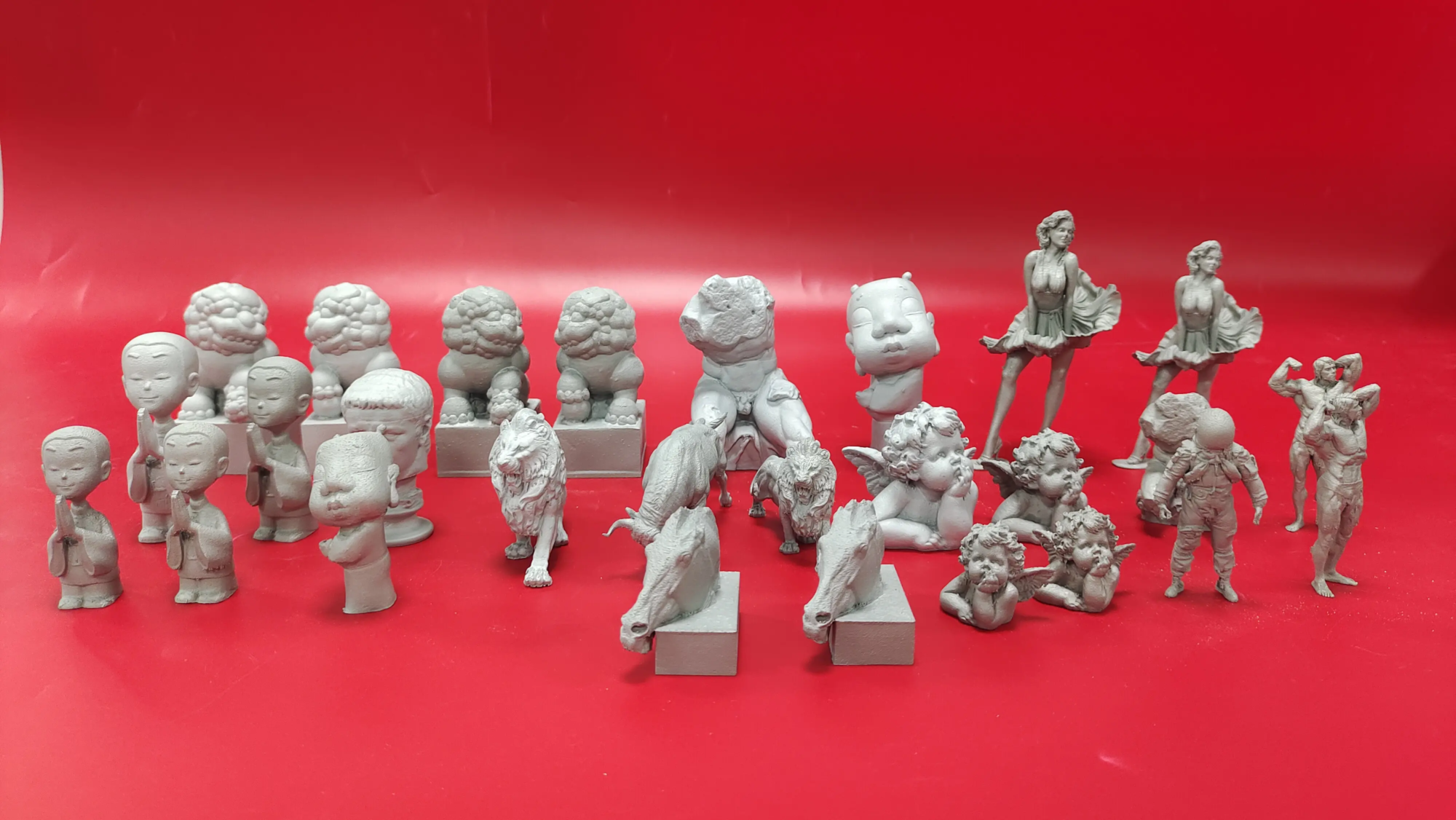
Although DIY is educational, competitive competition needs to be perfect. exist Greatwe solve precise challenges every day. Our industrial-grade SLA printers and post-processing expertise creates prototypes with accuracy below 0.01mm. Whether you are prototyping high ammunition polymer balls or metal sports gear, our one-stop service (from material selection to finishing) is reliable.
Industry we serve:
- Aerospace, automotive, medical (Biocompatible metals such as Ti64).
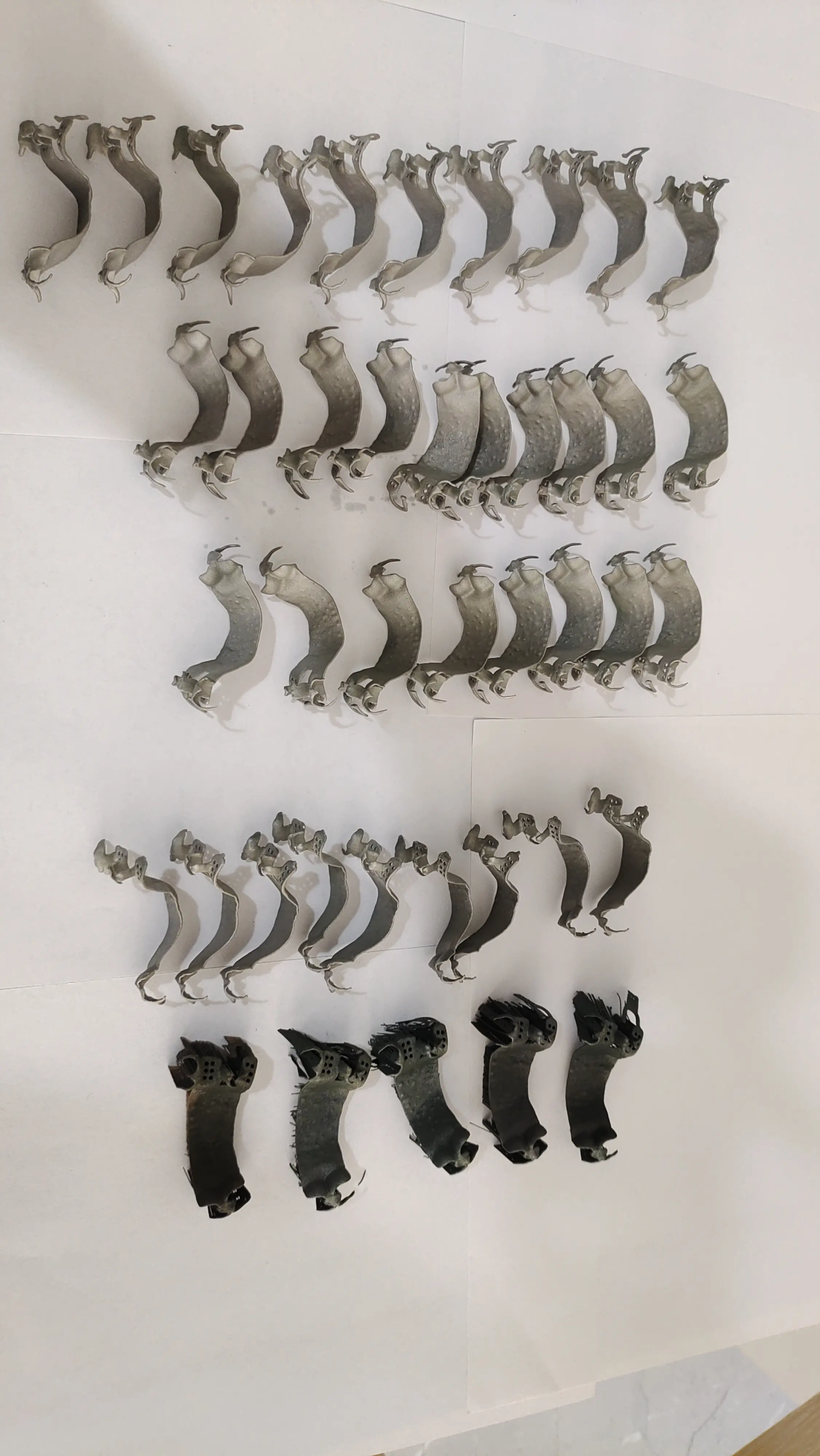
- Example: We printed titanium bicycle gears with a density of 99.7% using SLM technology.
Conclusion: Ongoing Innovation
3D printed ping pong balls are not ready yet, but they represent the cutting edge of accessible prototypes. They enable amateurs to experiment while emphasizing the expertise required for competitive manufacturing. Whether you are iterating your design or seeking precision on industrial scale, Greglight bridges to Remination to Reality.
FAQ
Question 1: Can 3D printed table tennis be used in official competitions?
Answer: No. They failed ITTF rebound, weight and material regulations. Best for practical, educational or customized projects.
Q2: What is the best material for durability?
Answer: FDM’s PETG; SLA hard resin. Both require post-treatment to avoid rupture.
Q3: How long does it take to print?
A: SLA: ~1.5 hours (high resolution setting). FDM: ~45 minutes per hemisphere.
Question 4: Why are traditional balls made of celluloid?
A: Celluloid offers unparalleled lightness, elasticity and seamless molding – the effects are difficult to replicate by 3D printing.
Q5: Can Greatlight print ITTF standard balls?
A: Although we specialize in metal prototypes (SLM printers), our polymer divisions can be used for research and development accuracy. We have produced balls within 5% of regulatory norms and contacted us to explore feasibility!
Push the boundaries with greatness
From custom metal components to cutting-edge polymer research, we are your innovative partner. Ask for a quote today and undergo quick prototyping to achieve speed, accuracy and unparalleled quality to match your vision.