Light up your space with a custom 3D printed tea light bracket
Nothing can set a comfortable atmosphere like the soft light of a tea lamp. But why settle for store purchase holders when you can create personalized functional works with 3D printers? In this guide, we will carefully study and print a safe, stylish and unique custom tea light stand.
Why 3D printing your tea light stand?
- Personalization: Customized shapes, patterns and sizes to match your decor.
- Cost-efficiency: Save money compared to handcraft or designer holders.
- Quick iteration: Hours Test Prototype – Adjusted Design Based on Trial and Repeated.
Key design principles for safety and function
Tea lights involve fire, so safety cannot be negotiated. Here are the priorities:
- Heat resistance: Use filaments with high melting point (PLA: 60°C min., PETG: 70°C+, ABS: 100°C).
- Ventilation holes: Integrate openings (≥10mm wide) around the base of the holder to dissipate heat and prevent CO accumulation.
- A stable foundation: Make sure the bottom and wide footprints avoid tilting.
- Thick wall: At least 2 mm walls for insulation; avoid thin parts near the flame.
hint: The inner cavity is modeled 3-5mm wider than the tea light to minimize direct contact with the heating surface.
DIY step by step guide
1. Design stage
- software: Draw the design using tinkercad (beginner) or Fusion 360 (advanced).
- For prompts: Start with a hexagonal or cylindrical base for simplicity. Use the Boolean tool to add incisions (stars, lattices, geometric patterns).
- Community Resources: Download prefabricated designs such as OpenSource Globes from Printables or Thingiverse for inspiration.

2. Slicer Settings
| scope | Value of the suggestion | notes |
|---|---|---|
| Layer height | 0.15–0.2mm | Balance details with printing time |
| filling | 15-20% | Calorie distribution of the thyroid gland |
| Thick wall | ≥3 floors | Enhance structural integrity |
| Printing temperature | Each silk type | PETG: 230°C – 240°C, PLA: 200°C – 210°C |
| Edge/raft | Enable | Prevent distortions during printing |
3. Material selection
- Petg: Great for heat resistance and durability.
- Buck pla: Formulated to resist ignition (e.g. Protopasta htpla).
- avoid: Flame near standard PLA; it deforms at low temperatures.
4. Printing and post-processing
- Use pliers to gently remove the support.
- The sand with 220 sandpaper rough edges.
- Apply heat-resistant spray paint (maximum 600°C) color – the metal finish works great!
Safety Best Practices
- no way Leave unattended burning tea lamps.
- Place the holder on non-flammable surfaces (ceramic tiles, stone).
- Use battery-operated LED tea lights as a fire-free alternative.
in conclusion
3D printing transforms humble tea lamp holders into statement works – combining artisticity with engineering precision. By prioritizing safety-centric design and smart material selection, you can create a shelf that is both beautiful and beautiful.
Whether you are trying to use the filament option or complex geometry, the project demonstrates the power of accessible technology in democratized design. For those seeking professional-grade durability in metals Great Provide valuable solutions (more below).
FAQ
Q1: Can I 3D print a tea lamp holder with resin?
Answer: Not recommended. Most resins soften around 50°C and release toxic smoke when heated. Adhere to engineering-grade thermoplastics.
Q2: Why does my PLA holder warp or melt?
A: PLA distorts at 60°C+ – lower than the basic temperature of tea light. Switch to PETG Candle; keep PLA for use only.
Q3: How to clean the ash from the bracket?
Answer: Wipe with a damp cloth and isopropanol. Avoid scrubbing to preserve the finish.
Q4: Can Greatlight print customized metal tea light racks?
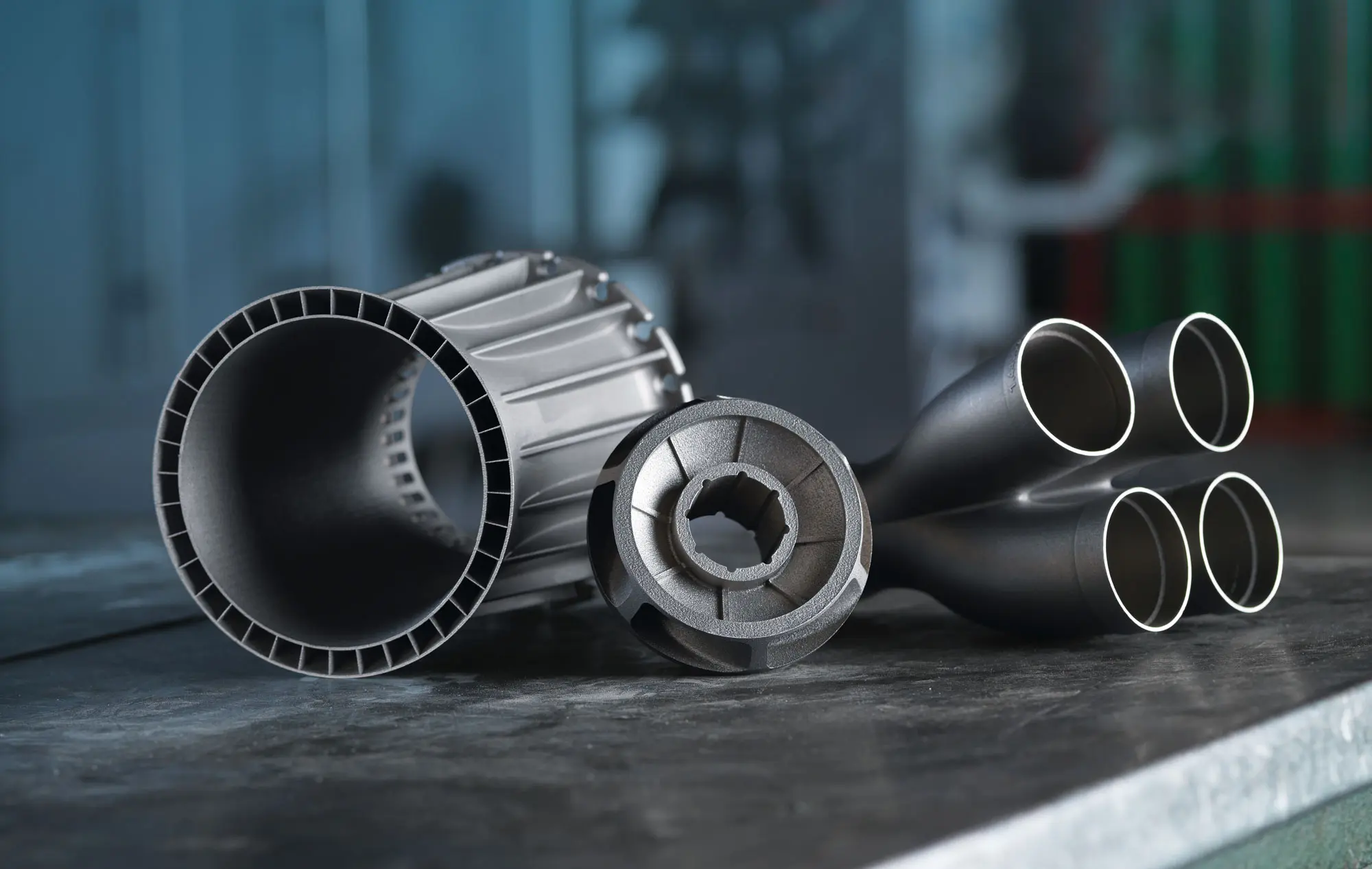
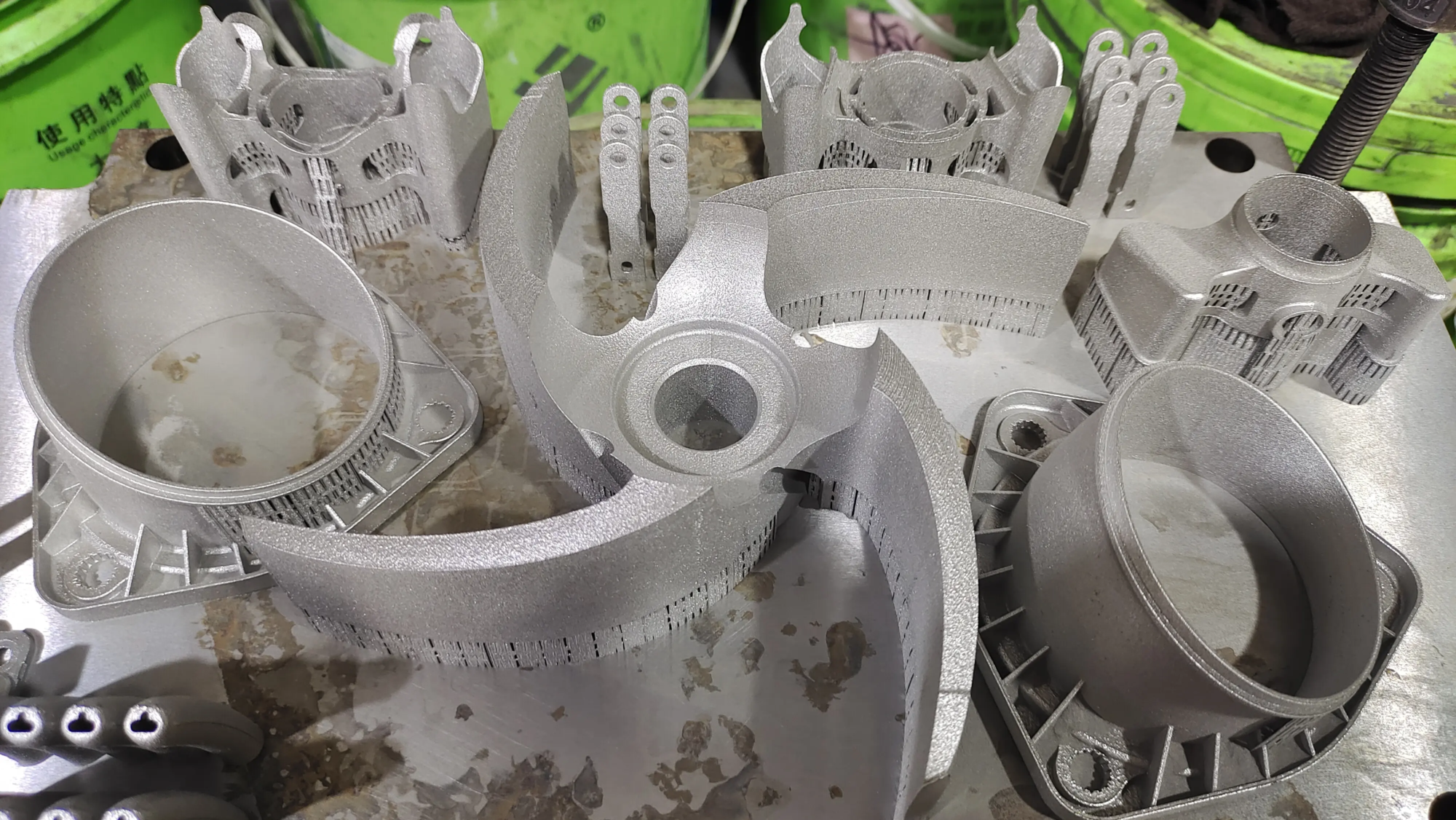
Answer: Absolutely! As a leading rapid prototyping expert Great Provides SLM (Selective Laser Melting) 3D Printing for Stainless Steel, Aluminum or Titanium Holders. Their end-to-end services include design optimization, sandblasting and thermal post-processing – ideal for custom, heat-resistant debris. Explore their abilities →
Q5: What is the average printing time for the holder?
A: For 75mm high design: ~3 hours at a speed of 50mm/s. Reduce the mode to reduce time.
Being challenged by a specific design? Place the question below – we will help solve the problem! 💡