When Innovation Comes: 3D Printed Tigers Reimagined as Wildlife Art
Tiger: A symbol of power, grace and endangered wildness. Traditionally captured through painting, sculpture or photography, it now appears in a groundbreaking way – meticulously crafted with lasers and metal powders. Experience the fusion of advanced 3D printing technology and evocative wildlife art. The 3D printed tiger is more than just a sculpture; It represents a powerful collision of precision engineering, creative vision and passion for the splendor of the natural world.
The rant begins digitally: from vision to virtual blueprint
Creating a lifelike 3D printed tiger doesn’t start with clay or canvas, but with sophisticated digital design software. Using high-resolution 3D scans of real tigers (often sourced from museums or conservation archives) or crafted by talented digital sculptors, every nuance is captured: the rippling musculature beneath the fur, the intricate stripe patterns, the intensity of the eyes, and even the subtle textures of the skin and whiskers. This CAD (computer-aided design) model is the vital digital DNA that encodes the tiger’s essence. The scale is variable, allowing for miniature studies or impressive life-size interpretations. This digital stage allows the artist to explore a variety of gestures—powerful roars, stealthy wanderings, moments of rest—that would be a huge challenge using traditional methods.
Metal as the new canvas: a complex printing process
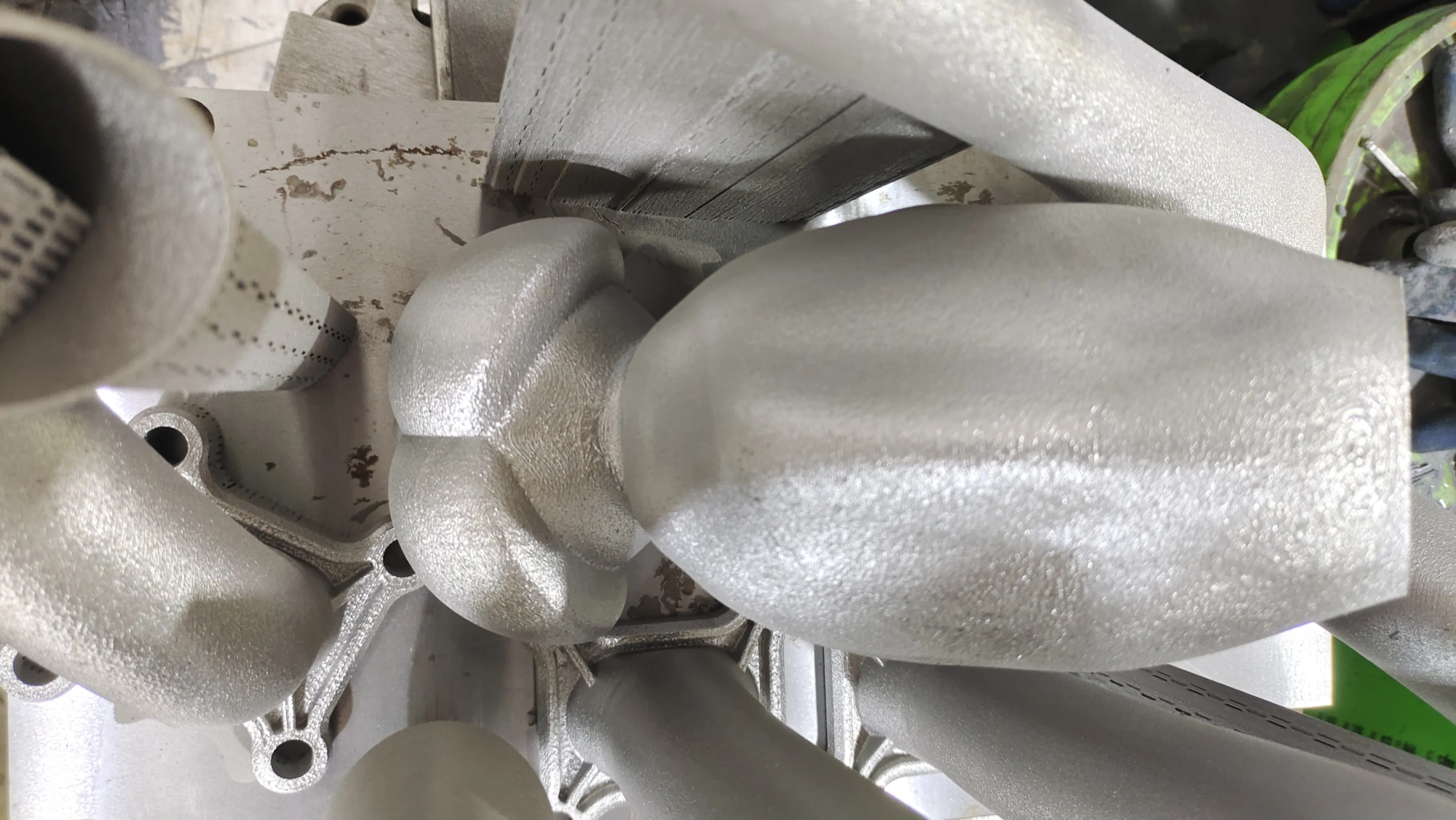
Moving from pixel form to physical form requires advanced manufacturing capabilities. This is the most advanced place Selective Laser Melting (SLM) Technology shines. Imagine slicing a complex tiger CAD model into thousands of ultra-thin layers. High-powered laser beams precisely fuse microscopic particles of fine metal powders, layer by layer—titanium for strength and lightweight, stainless steel for durability and corrosion resistance, and even specialty alloys. This additive process builds complex interior geometries and organic exterior forms with stunning fidelity.
Crucially, capturing the essence of a tiger is more than just its shape. Achieving realistic surface textures—the feel of fur, the difference in gloss between skin and nose skin, the changes in light on curves—requires exceptional printer resolution and sophisticated parameter control. The printer doesn’t just build; it interprets the artist’s vision at the micron level.
Finishing the Craft: Transforming Prints into Masterpieces
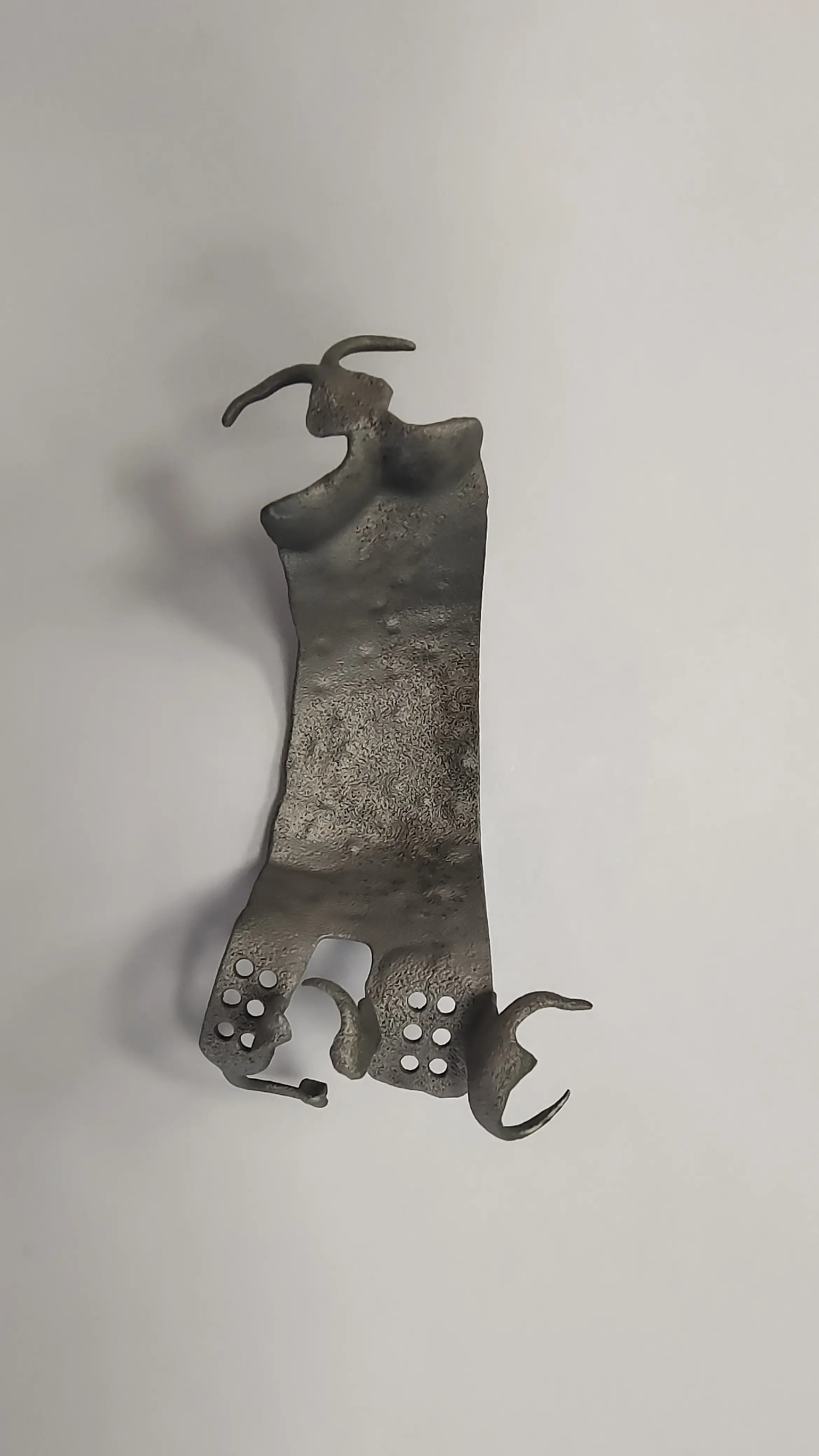
A fresh SLM print emerged from the powder bed, with a distinctly tiger shape, but more original. Transforming this metal’s near-net shape into a finished work of art requires meticulous attention Post-processingthis is the stage where craftsmanship meets industrial expertise:
- Support removal: Carefully remove the scaffolding structure supporting the overhang during printing.
- Heat treatment: Eliminates internal stress and enhances the metal’s final properties, thereby extending service life and stability.
- Surface refinement: Sandblasting to even out the texture, then precision hand finishing or polishing to achieve the desired gloss, contrast or matte finish in different areas.
- Art Enhancement: Applying subtle patina or controlled oxidation techniques can enhance detail, create depth, mimic changes in fur texture, or emphasize specific features such as nose texture. Clear protective coating ensures long-lasting shine.
- assembly: For complex multi-part prints, expert assembly and joining ensure seamless integration, which is essential for natural expression.
Beyond Beauty: Cross-cutting Meanings
The fusion of technology and wildlife art goes far beyond aesthetic appreciation:
- Protection awareness: The ultra-realistic 3D printed tiger acts as a powerful ambassador for its endangered species in the wild, inspiring empathy and discussion about conservation efforts in educational settings, museums or public facilities.
- Artistic evolution: It pushes the boundaries of art, enabling forms and details previously impossible with traditional carving methods, democratizing complex creations.
- Technical benchmark: Successfully printing complex organic structures demonstrates huge advances in additive manufacturing reliability, material property accuracy, and design freedom.
- Historic Preservation: Provides museums and scientific institutions with an innovative approach to digital archiving and physical reconstruction of specimens with exceptional durability.
GreatLight: Your Metal Realization Partner
Bringing ambitious projects like 3D printed tigers to life requires more than advanced printers; Comprehensive expertise throughout the entire prototyping and production process. This is the domain of professional rapid prototyping manufacturers, e.g. huge light.
At GreatLight, we don’t just operate the machines; we operate the machines. We solve complex rapid prototyping challenges. Equipped with advanced SLM 3D printer and deep-rooted production technology Expertise, we specialize in transforming complex designs into precise metal realities. We know that a perfect finish is crucial to a work of art, which is why we offer seamless One-stop post-processing solutiontransforming original prints into refined masterpieces under one roof. From complex support removal and targeted heat treatments to professional polishing, texturing and protective coatings – our integrated approach ensures consistency and quality control throughout the entire process.
Whether prototyping key functional components or realizing a visionary artistic concept like Tiger, our capabilities cover Customized precision machining and rapid manufacturing Various metal materials. Need the beauty and strength of titanium? Special stainless steel? We process complex geometries quickly, prioritizing quality without compromising efficiency. GreatLight ranks among the best Rapid prototyping company from Chinablending cutting-edge SLM technology with an unparalleled dedication to craftsmanship and customer-driven solutions. We help creators push boundaries.
Conclusion: Proof of symbiosis
The 3D printed tiger embodies how profound creativity can flourish, driven by technological advancement. It demonstrates the sculptural possibilities unleashed by metal additive manufacturing, transforming sterile powder into something full of life and vitality. Behind this mesmerizing result is a complex process: innovative digital design, precision SLM printing and expert hand finishing. With advanced capabilities and a commitment to end-to-end excellence, companies like GreatLight play a critical role in helping artists and innovators realize their boldest visions—whether they’re paying homage to the wild beauty of our planet or complex industrial components. It’s a powerful reminder that when technology is combined with skill and artistry, it can not only be built, but the majesty of nature can be perfectly recreated, preserved and celebrated in durable metal forms.
Have a complex concept that requires cutting-edge metal prototyping? Cooperate with Gretel. Customize your Precision Rapid Prototyping Parts Take advantage of our advanced SLM technology and comprehensive finishing services at competitive prices. Turn your boldest visions into reality!
Frequently Asked Questions (FAQ) about 3D printed wildlife art
1. Can 3D printed metal tigers really imitate the appearance of real tigers?
Absolutely. Essential shapes and complex textures are dramatically captured using high-resolution scanning and skilled digital modeling, coupled with advanced SLM 3D printing capable of micron-level detail. Professional post-processing—including sandblasting, polishing, hand finishing, and artistic patina techniques—adds critical surface realism, mimicking fur-textured sheen, skin variation, and realistic color.
2. Why use metal in wildlife art? Is it cold and industrial?
Metal offers unique advantages: unparalleled durability and longevity for permanent installations (exterior or interior), the ability to achieve extremely fine structural details not possible with other casting methods, and unique aesthetics ranging from sleek, modern minimalism to warm tones with stunning expressiveness through patina. Professional finishing enhances its aesthetic warmth. Metals such as titanium or certain bronze alloys are ideal for artistic expression.
3. How long does it take to make a life-size 3D printed tiger?
Timings vary widely based on size, complexity, materials, and level of detail. Printing large, complex metal tigers via SLM can take days to weeks due to the layer-by-layer nature and cooling requirements. Post-processing adds significant additional time (which may take a week or more) for support removal, heat treatment, detailed surface preparation, and application of texture or patina. A complex project can take weeks from CAD to final product.
4. Is 3D printing wildlife artwork environmentally friendly?
It has potential benefits and challenges compared to traditional engraving. SLM printing is additive, which means there is significantly less material waste compared to subtractive methods such as engraving. However, it requires a lot of energy. Its footprint can be improved by using recycled metal and responsible powder handling. Importantly, it enables durable artwork with a long service life and avoids the use of resource-intensive molds in casting.
5. Can GreatLight handle complex details and artistic processing requirements?
Yes, this is core strength. Gretel specializes in Precision Rapid Prototyping Use advanced SLM technologyspecializes in complex geometric shapes. Crucially, we provide Integrated one-stop post-processing and finishing services. Our experts work closely with clients to achieve a specific artistic vision—whether it’s a high polished sheen, a precisely controlled matte texture that mimics fur, a special patina for color variation, or the seamless assembly of complex parts—ensuring that the metal sculpture meets precise aesthetic requirements while maintaining structural integrity. We combine SLM technology expertise with manual finishing skills.
6. What materials can GreatLight use to complete a project like this?
Gretel specializes in custom made Available in a variety of metals suitable for SLM printing. This includes:
- Titanium and titanium alloys: Excellent strength-to-weight ratio, biocompatibility, durability and unique finish.
- Stainless steel (e.g. 316L, 17-4 PH): High strength, corrosion resistant, polished/textured multi-purpose.
- Aluminum alloy: Light weight and good thermal/electrical conductivity.
- Tool steel: Suitable for parts requiring high hardness/wear resistance.
- Special needs such as Inconel (heat/corrosion resistant). Material selection directly affects performance, appearance and finishing possibilities. We will provide advice on the most suitable option.
7. How to start a custom 3D printed wildlife art project using GreatLight?
Take advantage of our expertise early! Start by sharing your vision: concept art, CAD models (or work with our design partners), desired materials, proportions, and finish aesthetics. Our team will provide feasibility feedback, recommend materials and processes via SLM, and provide a quote covering design support (if required), printing and comprehensive. Post-processing/finishing. We focus on Customized precision machining and quick turnaround, guiding you from initial concept to final beautiful masterpiece.