Fashion revolution: How 3D printed tops are redefining custom wearables
Imagine wearing a top that is not just sewn together, but carefully sewn grown up Perfectly reflecting your unique form, layer by layer. It drapes smoothly, echoing nature’s intricate geometries, and feels like a second skin made just for you. Welcome to the fascinating world of 3D printed clothing, where technology makes the impossible a reality. Forget the sameness of mass production; the era of truly custom, boundary-pushing tops has arrived, powered by rapid prototyping technology.
Beyond Fabric: Techniques for Creating Bespoke Tops
Traditional garment manufacturing relies on cutting and sewing flat textiles – which itself limits complex construction. Additive manufacturing (AM) or 3D printing breaks these limitations. The printer builds the object layer by layer using digital blueprints derived from precise body scans or artistic designs. For tops, there are several techniques that come into play:
- Fused Deposition Modeling (FDM): Commonly seen in prototypes and concept parts using thermoplastics (such as PLA, TPU). Offering flexibility, color options and affordability.
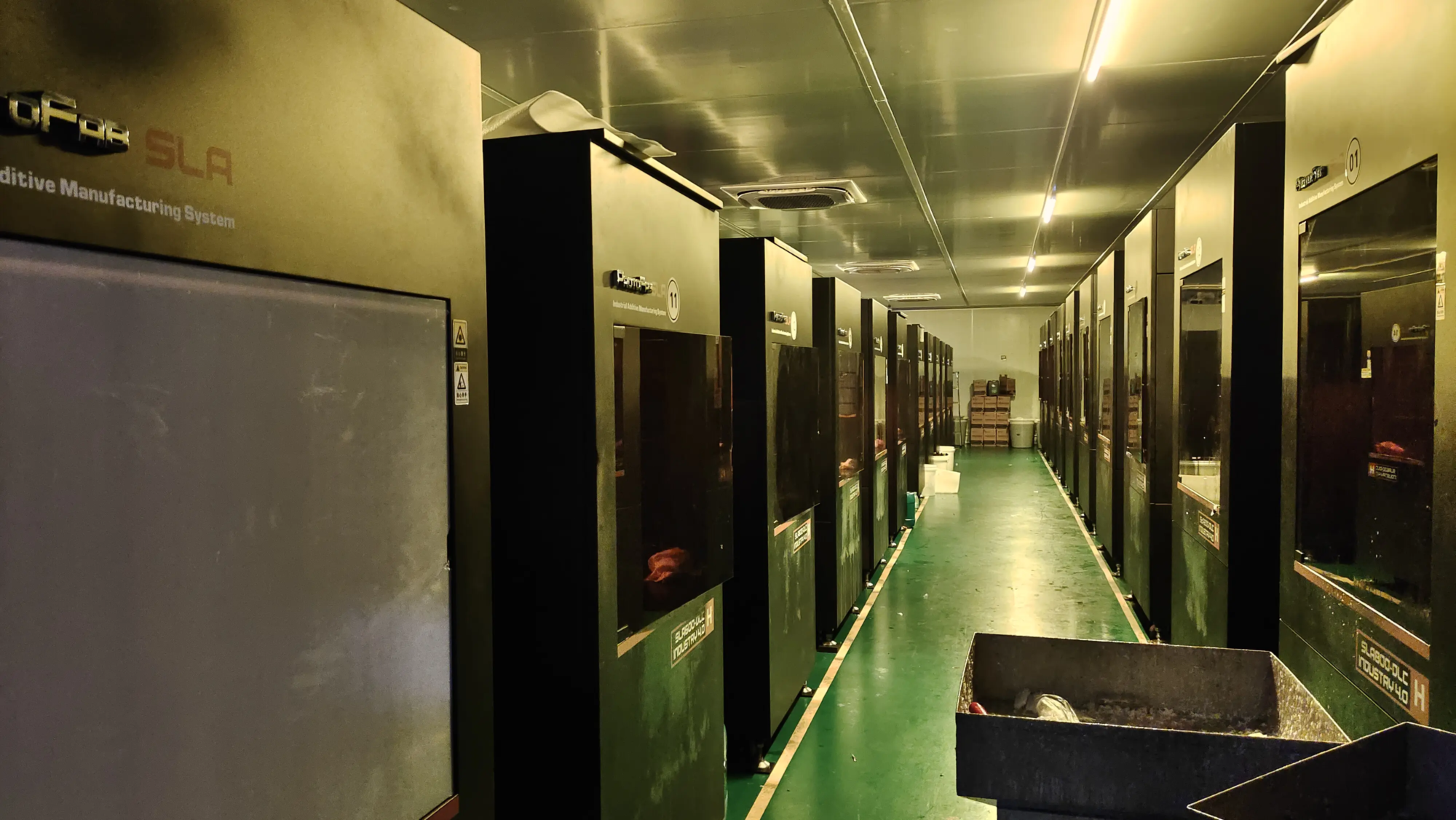
- Stereolithography (SLA) and Digital Light Processing (DLP): Liquid resin is cured using UV light. Ideal for highly detailed patterns, smooth finishes, and jewelry integrated elements integrated into the top.
- Selective Laser Sintering (SLS): Powder materials (nylon, TPU) are melted by laser. Creates a strong, flexible and lightweight structure ideal for complex mesh textiles or support elements.
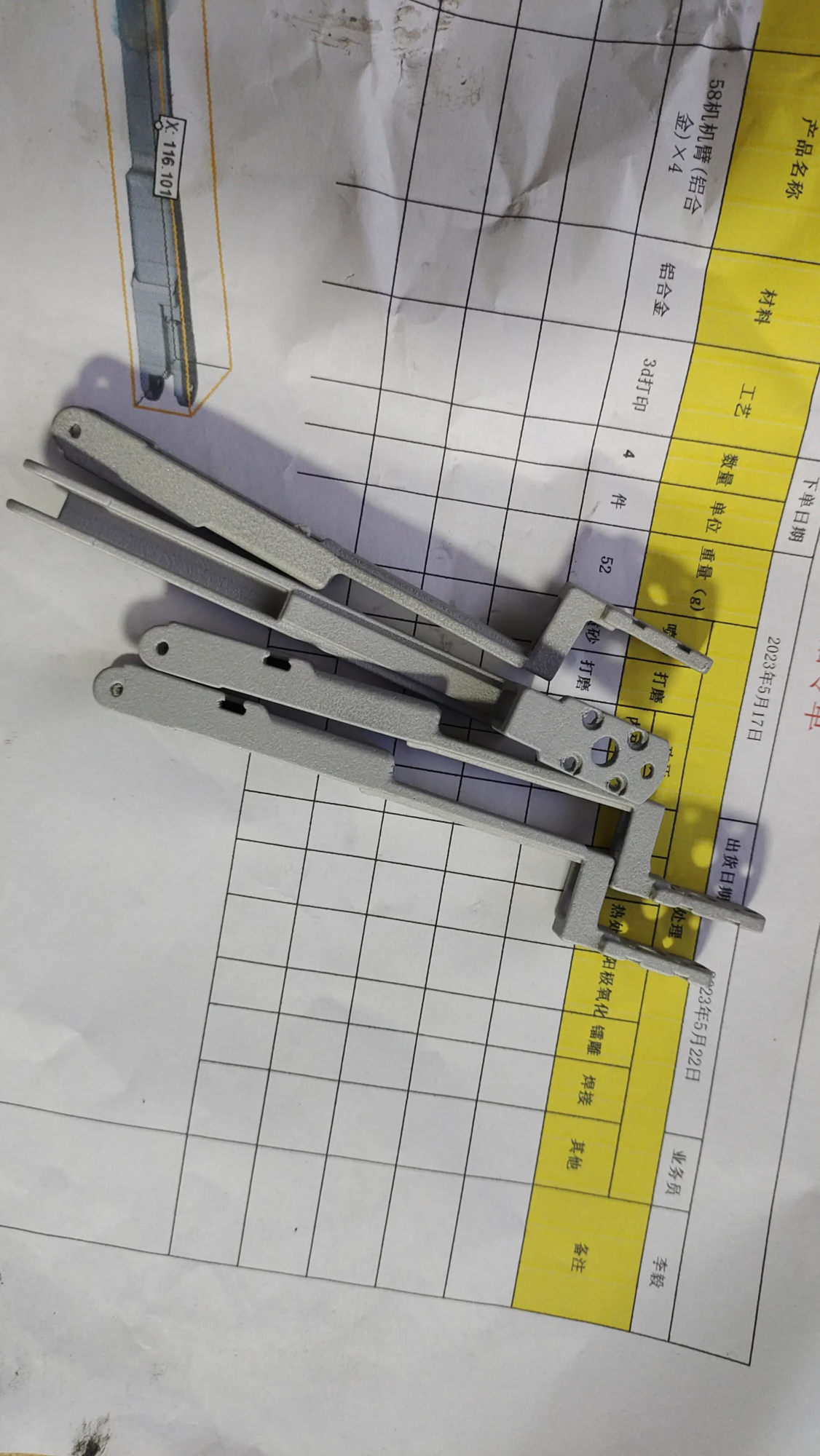
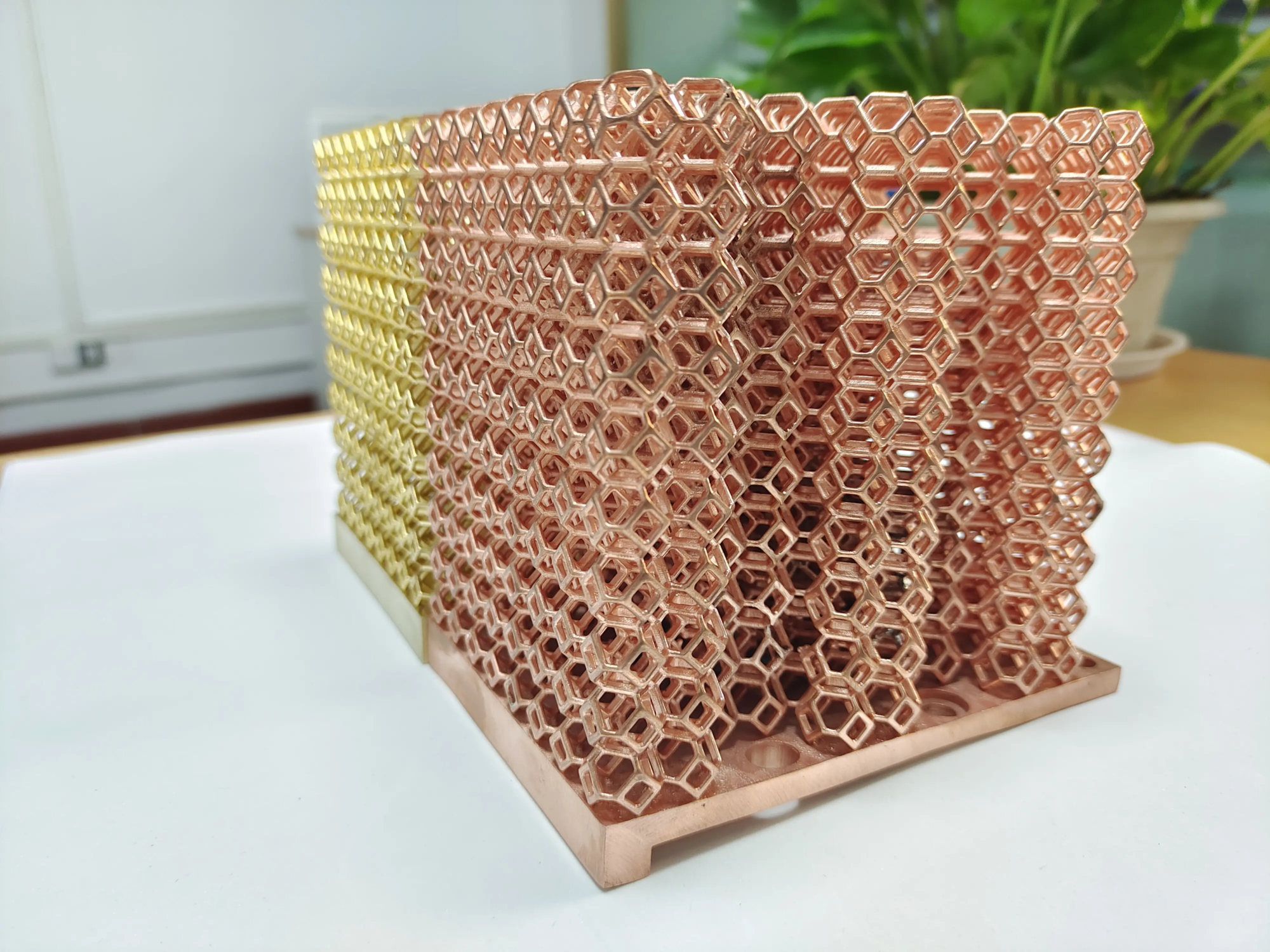
- Metal Additive Manufacturing (SLM/DMLS): What is crucial is not the entire textile, but the custom hardware, unique closures, embedded sensors or avant-garde structural elements on top. Think intricate clasps, custom buttons or lightweight, aesthetically pleasing panels that integrate seamlessly with soft polymer elements. This is where expertise, like that provided by GreatLight rapid prototyping technology, shines. Their mastery of advanced Selective Laser Melting (SLM) technology enables the creation of complex, strong, and detailed metal parts that are critical to pushing the boundaries of wearable art and functional apparel.
Unleash radical design freedom
The design freedom offered by 3D printing is unparalleled:
- Hyper-personalization: Tops can be designed to suit an individual’s precise measurements, posture and even biomechanics. Customization is not limited to size but also includes structure, texture and aesthetics.
- Unparalleled complexity: Impossible geometries—complex grids, bionic patterns that mimic coral reefs or spider webs, parametric designs—become feasible. This creates unique visual texture and functional advantages (breathability, weight distribution).
- Material fusion: Combine different polymers in one print for variable flexibility, or incorporate non-textile elements such as embedded LEDs via printed conduits. Functional or formal integration with metal parts adds another dimension.
- On demand and low waste: Items are only produced when ordered, minimizing overstock and in line with sustainable consumption. Complex designs often optimize the use of materials and reduce waste.
Materials matter: from silky to solid
Material selection determines look, feel and functionality:
- Flexible polymers (TPU, TPEE): Mimic knitwear or provide supportive elasticity. Soft to the touch and dynamically moves with the body. Forms the basic structure of most wear-resistant tops.
- Rigid polymers (PLA, nylon, resin): Use for accents, embellishments, structured sleeves, collars, integrated jewelry or base support. Can be processed into high gloss or matte texture.
- Metal (titanium, stainless steel, aluminum): Less commonly used as a primary "fabric" Due to rigidity, however, it is essential for specialized components: ornate clasps, discreet functional hardware for modular designs, lightweight perforated panels for added aesthetic appeal, structural reinforcements for high-performance wear or biocompatible elements for medical applications.
- Emerging materials: Developments include wood-polymer blends for natural aesthetics, recycled plastics for sustainability, and advanced biocomposites.
Highlights of Customized Tops: Diverse Applications
3D printed tops aren’t just catwalk fantasies; they’re finding their real footing:
- Haute Couture and Haute Couture: Designers like Iris van Herpen are pioneering avant-garde pieces that combine art with wearable sculpture. Customization provides unique fashion show pieces for celebrities and private clients.
- Performance sportswear: Customized aerodynamic shapes, optimized ventilation channels, integrated impact protection zones (possibly using metal/polymer composites), customized muscle support – maximize movement capabilities.
- Medical and assistive devices: Customize wearable braces with pressure therapy areas, postural support structures or sensors/monitors on top. Smoothly coated rigid elements contribute to ergonomic comfort.
- Cosplay and custom costumes: Bring intricate fantasy, sci-fi, or historical costume designs to life with incredible geometric shapes and integrated details.
- Everyday Fashion: There is a growing niche market for unique jewelry-integrated tops (3D printed buckles, chains), custom statement pieces, or adaptive designs (customizable pieces) "grow" with the wearer). Advances in durability and comfort are key here.
Strengths and Challenges: Current Pulse
- advantage: Ultimate customization, design freedom, waste reduction, complex feature integration, rapid prototyping iteration, and the potential for localized production.
- shortcoming: Current technology: Complex disposable costs can be high; production time; feel/texture limitations compared to traditional textiles; durability and laundering considerations; scalability barriers. Finding a partner that can handle the full range of operations, from complex flexible polymer printing to precision metal parts, is critical for complex wearable projects.
Leveraging expertise: Collaborating for wearable success
Creating eye-catching, functional 3D printed tops requires expertise across disciplines: design, materials science, biomechanics and advanced manufacturing capabilities. For designers, engineers or brands venturing into this field, working with an experienced rapid prototyping expert can accelerate success.
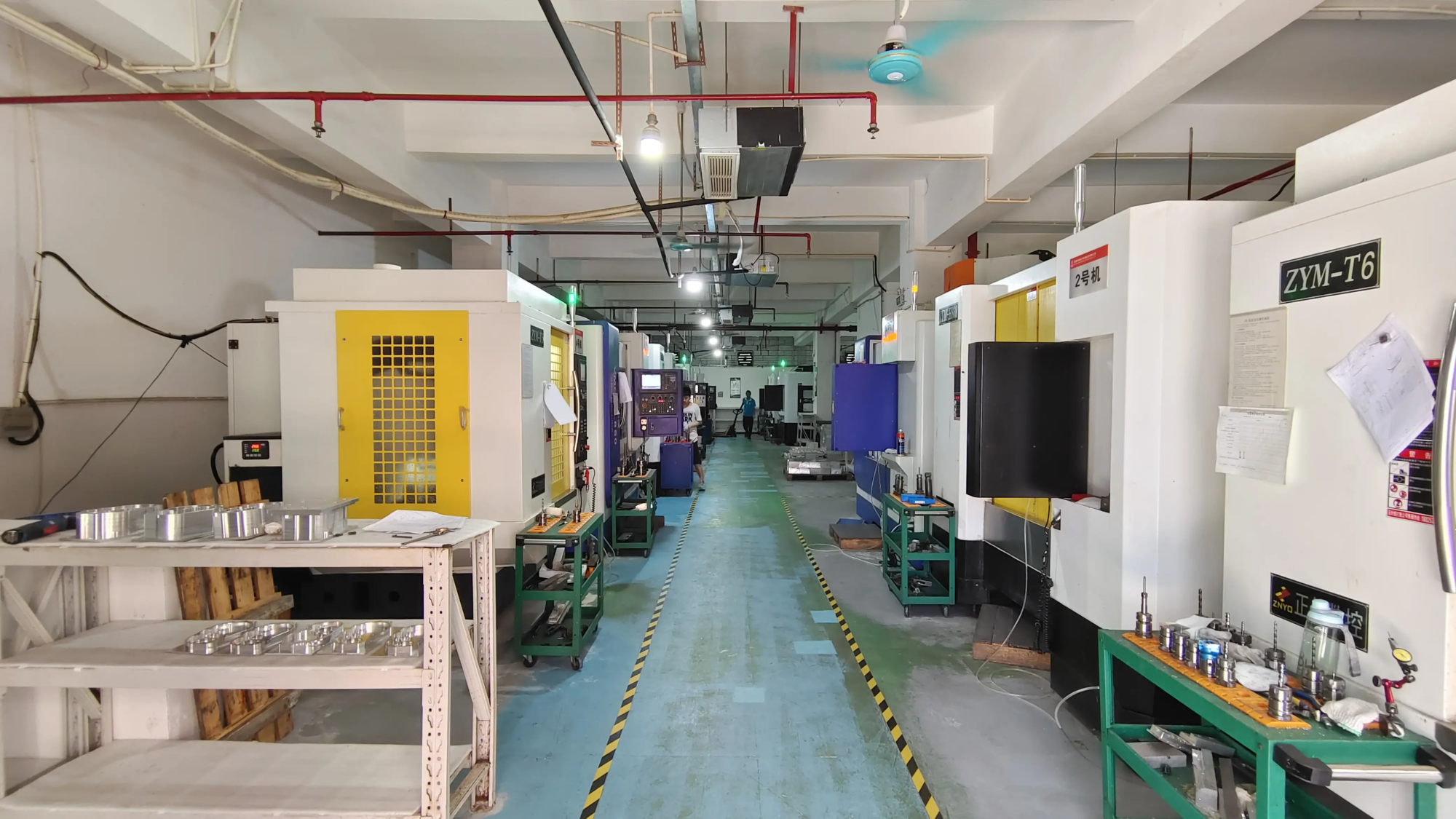
Companies that are at the forefront, e.g. huge lightdemonstrating the power of integrated manufacturing. As a professional rapid prototyping manufacturer equipped with advanced SLM 3D printer (critical for high-strength, complex metal components in wearable devices) and comprehensive production technology, GreatLight excels at solving complex problems rapid prototyping challenges to overcome metal parts. In addition to printing, their One-stop post-processing and finishing services – including polishing, heat treatment, coating and assembly – are essential to achieve safe, comfortable, durable and aesthetically pleasing wearable components. their abilities custom made and Process most materials quicklycombined with professional knowledge Precision machiningpositioning them as premier partners. Whether designing a revolutionary clasp mechanism prototype, a custom spinal support panel, or intricate decorative elements on a high-fashion top, leveraging specialized capabilities like these can bridge the gap between ideal design and functional reality. GreatLight – one of China’s top rapid prototyping companies – can turn your sophisticated wearable concepts into tangible innovations at the best prices.
Conclusion: Stitching the Future
3D printed tops represent more than just a novelty piece of clothing; they embody a paradigm shift toward hyper-personalized, functional, sustainable, and infinitely expressive fashion and beyond. The technology enables creators to transcend the limitations of traditional textiles and mass production. While challenges such as scalability and material feel remain, relentless innovation in printers, filaments, resins, and metals—especially through specialized SLM processes—continues to push boundaries. Coupled with the expertise of a rapid prototyping leader specializing in precision metal parts and integrated finishing, the path to custom wearables that are refined, comfortable, and market-ready becomes even clearer.
Evolution isn’t slowing down. Imagine smart tops embedded with printed sensors, adaptive structures that react in real time to temperature or motion, or self-healing materials. Collaboration between visionary designers, materials scientists and highly capable rapid prototyping manufacturers is crucial. Additive manufacturing-driven customizability allows clothing to reflect personality like never before. The wardrobe of the future will not be ready-made, but will be purchased. It will be designed, printed and unique.
Frequently Asked Questions (FAQ) about 3D printed tops
1. Are 3D printed tops really comfortable?
Comfort largely depends on the design and materials used. Like performance knits, flexible materials like TPU are very skin-friendly and allow for freedom of movement. Designs often feature structures that mimic natural movement. Rigid components, such as decorative metal parts, are strategically placed away from high-flex areas to ensure comfort. It’s not the same as woven cotton, but advances in softer, stretchy polymers are continuing to improve the feel. Proper ergonomics are key.
2. Can 3D printed tops be washed?
Cleaning feasibility depends entirely on the material. Some printing polymers, such as certain nylon or TPU blends, can withstand gentle hand washing or specialized cold cycles. Others, especially resin prints or parts with integrated rigid/metal elements, often require spot cleaning or specialized care. Be sure to follow specific care instructions provided by the creator/manufacturer. Post-process finishes such as coatings can also improve cleanability.
3. How much does it cost to customize a 3D printed top?
Costs vary widely based on complexity, size, materials (especially metal parts), printing technology, finishing, and whether it is a one-off product or part of a batch product. Prices start at about $100 to $200 for a simple top or prototype of similar accessories. Highly intricate haute couture pieces using high-quality materials, including fine metalwork, can easily cost thousands of dollars. Advances in speed and materials are gradually driving down costs in the everyday wearables sector.
4. Who produces 3D printed clothing? Are they durable?
Production from:
- Haute couture designer/fashion designer.
- Niche wearable technology startups.
- Custom prop/costume maker.
- Professional rapid prototyping manufacturer serving designers and companies. Durability is improving rapidly. Flexible polymer prints are designed with abrasion resistance in mind and offer good durability for specific uses. Reinforced structure and metal enhance integrity. Durability often still differs from traditional textiles and depends on material selection and stress points on the design.
5. When will I see 3D printed tops in mainstream stores?
While growing rapidly, they are unlikely to immediately overwhelm traditional retail chains. Niche markets are expected to continue to grow: high-end/edgy fashion, performance sportswear, medical/therapeutic products, sophisticated cosplay and direct-to-consumer custom products. Wider market adoption will follow as printing speeds significantly increase, materials improve and costs decrease. Partnering with an expert rapid prototyping entity focused on precision manufacturing accelerates innovation for real-world applications. Expect incremental integration, not an overnight transformation.
6. What are the sustainable benefits?
Key benefits include:
- Reduce waste: Additive manufacturing is inherently less wasteful than subtractive manufacturing methods (traditional cutting/sewing typically wastes 15-30% of fabric). The design is digitally optimized.
- Production on demand: Avoid overproduction and unsold inventory.
- Localized manufacturing: Reduce carbon footprint during transportation.
- Material innovation: Potential uses of recycled plastic (rPLA) and biodegradable materials. However, printer energy consumption and material end-of-life/recycling challenges remain areas of ongoing development. Compared to the huge footprint of fast fashion, sustainability-focused 3D printed clothing holds huge promise.
7. Can GreatLight Rapid Prototyping print entire textile tops?
Gretel mainly focuses on Advanced Metal Additive Manufacturing (SLM) and Precision Rapid Prototypingpaying special attention to complex metal parts and components requiring high strength, detail, and biocompatibility.