When breathing comes back: Lifesaving vision of 3D printed trachea
Trachea, your trachea is a seemingly simple structure. This hollow cartilage ring is an important catheter that carries the air of life to your lungs. However, when damaged by trauma, cancer, or congenital defects, the consequences are terrible. Traditional reconstruction options – Grafts using ribs, synthetic stents or donor trachea are full of complications: rejection, infection, mechanical failure and severe shortage of suitable donor organs. Hope often feels scarce for patients facing these devastating diseases.
A revolutionary fusion of input regenerative medicine and additive manufacturing: 3D printed trachea. This is not science fiction; it is an ever-evolving transformative medical breakthrough that can redefine airway reconstruction.
Beyond silicon and plastics: engineered biogas ducts
Early attempts to experiment with artificial trachea often rely on synthetic materials such as silicone stents. Although sometimes life-saving is saved in the short term, these implants often succumb to infection, migration (removal) or granulation tissue formation, ultimately hindering the airway itself. They lack the key ability to blend with their bodies and promote real recovery.
The vision of modern 3D printed trachea is fundamentally different. It involves the creation of patient-specific biocompatible scaffolding that mimics the complex structure of natural gas tubes and actively encourages the body to regenerate biological, functional tissue around it. This approach takes advantage of the core advantages of advanced manufacturing:
- Patient-specific implants: Surgeons and biomedical engineers create accurate digital 3D models using high-resolution CT or MRI scans of the patient’s airway. This model informs printing scaffolding Exactly Unique geometry for patient defects – a critical factor that is impossible for standard implants, ensuring perfect fit and biomechanical function.
- Complex geometric freedom: Traditional manufacturing efforts are aimed at replicating porous branch structures that are essential for nutrient diffusion and cell attachment. 3D printing, especially techniques for selective laser melting (SLM) of metals or advanced bioprinting for polymers, can create complex lattice-based scaffolds layer by layer. This allows precise control of pore size, porosity and even channels to guide tissue growth and vascularization (angiogenesis).
- Selection of bioactive materials: The focus beyond inert synthetic agents is on materials that interact with the body:
- Biocompatible polymers: Degradable polymers such as medical grade PCL (polymalonylketone) or PLGA (polylactose-glycolic acid) provide temporary structural support. They degrade at a controlled rate in new tissue forms, ultimately leaving only the patient’s regenerative trachea.
- Bioactive metals: Titanium and specific titanium alloys (e.g., Ti6al4v Eli – additional low gap) are very strong, biocompatible, and can be printed by SLM into complex porous geometry. Their surfaces can be functionalized (coated with bioactive molecules such as hydroxyapatite or peptides) to enhance cell attachment. Although permanent, they represent durable long-term solutions that may not degrade. Additionally, due to its excellent mechanical properties, corrosion resistance and biocompatibility, medical-grade cobalt chromium alloys (COCRMO) are being used as a viable option for complex tracheal stents or reconstruction fragments, such as complex load implants. The choice of strategic alloys is crucial, balance strength, biocompatibility, degradation rate (if applicable) and manufacturing.
- Biomaterials Inks and the Biological World: Cutting-edge research explores printable "Biological Internet" Contains living cells and growth factors as well as support hydrogel matrix. This is designed to print the functional organization architecture directly. Although vascularization remains a key obstacle to immediate transplantation, combining structurally printed scaffolding with patient-derived cells of seeds shows great promise.
Regeneration Science: Cell Continuation
When scaffolding encounters biology, the magic unfolds. Surgeons implant sterilized custom 3D printed scaffolding on the site of tracheal defects. The key next steps involve the body’s own response and advanced cellular therapy:
- Latency and Host Integration: The porous structure encourages the patient’s own stem and epithelial cells to migrate into the scaffolding. Over time, these cells proliferate and differentiate, forming layers along the lumen (inner walls) to secrete protective mucus, a key barrier to prevent infection. Meanwhile, surrounding tissue and new blood vessels (angiogenesis) grow into scaffolding, nourishing the developing tissue.
- Primary epithelial cell seeding: A major advancement involves collecting healthy epithelial cells from patients forward Surgery. These cells can be expanded in the laboratory and then seeded to Inside The surface of the stent is implanted. This accelerates the formation of protective inner walls, mimicking the mucus barrier of natural gas pipes. This precise seeding is one of the main challenges – ensuring rapid epithelialization to prevent infection and stenosis.
- Chondrocyte Seeds (Potential Future): Research is underway to sow the cartilage-like support layer of the implant, which is seeded with chondrocytes (chondrone-producing cells) from the patient.
The surgical journey: accuracy from imaging to implantation
- Diagnostic Imaging and Planning: High-resolution CT scans create detailed digital models of the patient’s airways and defects.
- Digital design: Biomedical engineers use professional software to design the exact shape and internal structure of the scaffold based on scanned data and surgical needs.
- Advanced Manufacturing: The design is sent to high-precision industrial 3D printers, such as SLM machines for metal alloys (TI6AL4V, COCRMO) or dedicated polymers/Bioprointer Systems. Optimal material density, strength and surface characteristics for the processing parameters are crucial to biocompatibility.
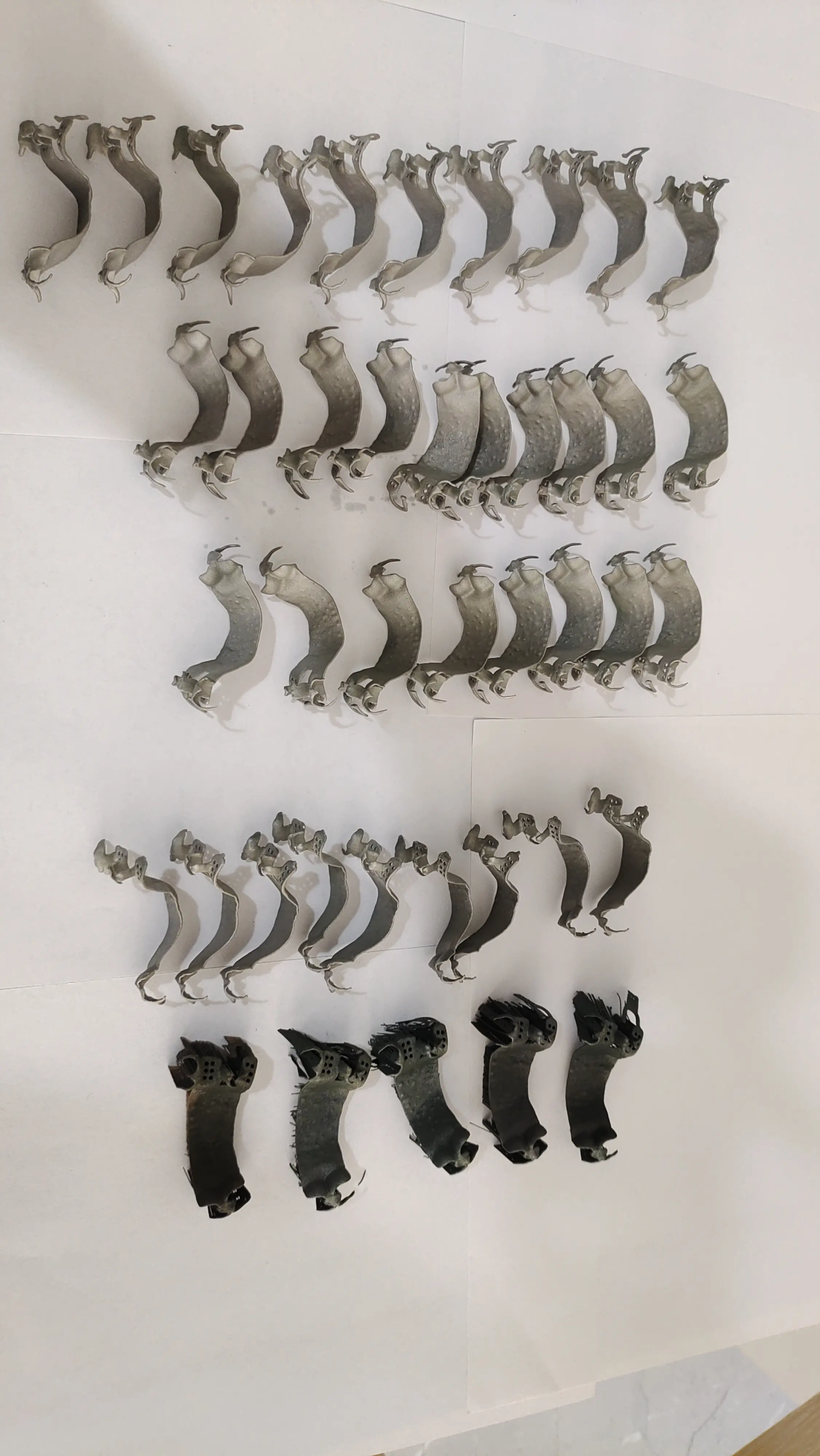
- Strict post-processing: Printed implants for intensive cleaning, pressure release, precise support removal, surface finishes (including smoothing and functionalization such as sand powder, polishing, polishing or bioactive coatings) and careful sterilization (Autoclave or Gamma radiation) – all key steps performed under a strict quality control scheme to ensure safety and functionality. Greatlight’s functionality in high-precision machining and finishing is critical here to achieve the desired surface quality and material integrity.
- Sowing (if applicable): Harvested patient epithelial cells were seeded onto the inner surface of the sterilized scaffold and cultured before implantation before controlled conditions.
- Surgical implantation: The surgeon precisely implanted the scaffold and secured it to the healthy end of the patient’s existing trachea using suture or anastomosis technology. Seed cells immediately begin to integrate, and the process of host cell invasion and tissue formation accelerates.
Why 3D printing? Unparalleled advantages
- Perfect for: Eliminates the size problem and has inherent goodness on the ready-made bracket.
- Complex reconstruction enabled: Long segments or complex branch defects that were previously considered unnaturalized (such as near Carina).
- Improve biocompatibility and integration: Tailored materials and structures promote better tissue acceptance and regeneration, thereby reducing the risk of rejection.
- Reduce rejection (autologous cells): Using patient-derived cells to seed minimizes immune responses.
- Function: It is designed to restore physiological mucosal calcium removal (the natural cleaning mechanism of the airway), rather than just providing a passive tube.
- Faster recovery potential: Rapid epithelialization from pre-plant can significantly reduce the risk of infection and accelerate healing.
Challenge and the way forward
Despite incredibly promising, widespread clinical application remains within the scope. Key obstacles exist:
- Long-term durability and safety: Large-scale clinical trials with extended follow-up periods are critical for FDA/EMA approval.
- Reliable vascularization: Ensuring a robust blood supply throughout the thick tissue engineering structure remains complex.
- Cost and accessibility: The complex technology and personalized nature make production expensive. Reduction and reimbursement paths are needed.
- standardization: Customized, patient-specific regulatory frameworks are still mature.
- Biological Complexity: Completely replicating the multi-layered cellular structure of the natural gas tube, especially the strength of the cartilage and the function of the mucosal self-escalator of the long fragments, is an ongoing research effort.
Conclusion: Future breathing
The 3D printed trachea is a beacon of hope and represents our paradigm shift in dealing with devastating airway diseases. By combining the accuracy of cutting-edge additive manufacturing with the accuracy of regenerative medicine principles, it goes beyond simple alternatives to achieve true biological recovery. Patient-specific, biocompatible materials (such as titanium alloys and engineered polymers), Strategic cell transplantation techniques focus on rapid epithelial lining formationthe ability to build complex, porous, and maintain vascularized structures is its revolutionary pillar.
Despite the still scientific and clinical challenges, the pace of progress is exciting. Each successful case study brings us closer to a future, making tracheal loss no longer the ultimate sentence, but the conditions that can be repaired through custom-made, survival implants—this future that makes life take a deep breath is natural right. This is the power of change that intertwines technology and biology, providing profound evidence for the potential of modern medicine.
GRESTHILE: The precise partner for medical innovation
The journey from medical scans to functional implants requires unparalleled accuracy, reliability and materials science expertise – especially for critical biocompatible metals such as titanium alloys (TI6AL4V ELI) and cobalt chromium (Cocrmo). This is Great Good at it.
As a leading rapid prototyping and precision manufacturing partner, Great Bringing advanced features that are crucial to the future of medical devices such as 3D printed tracheal structures:
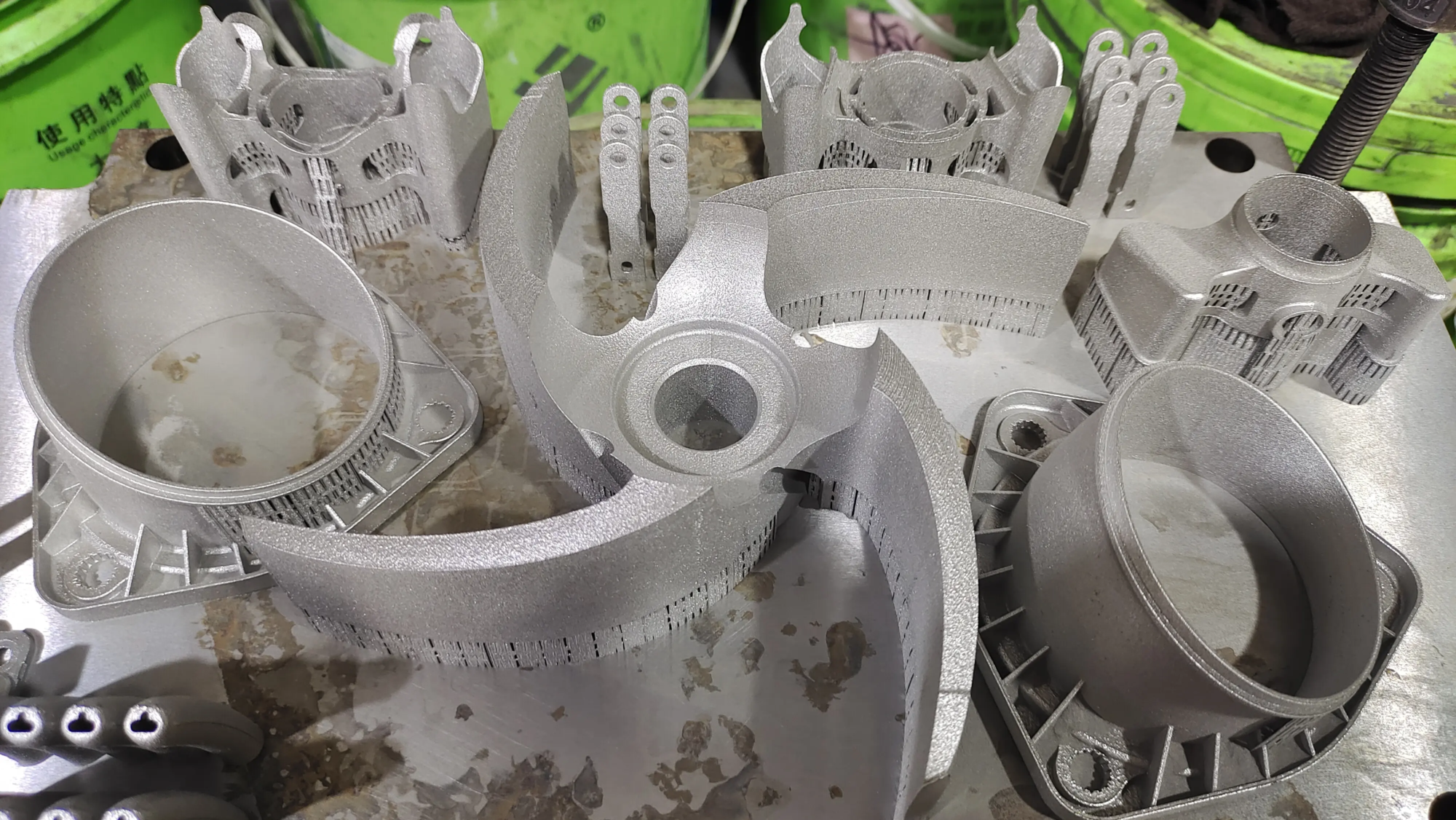
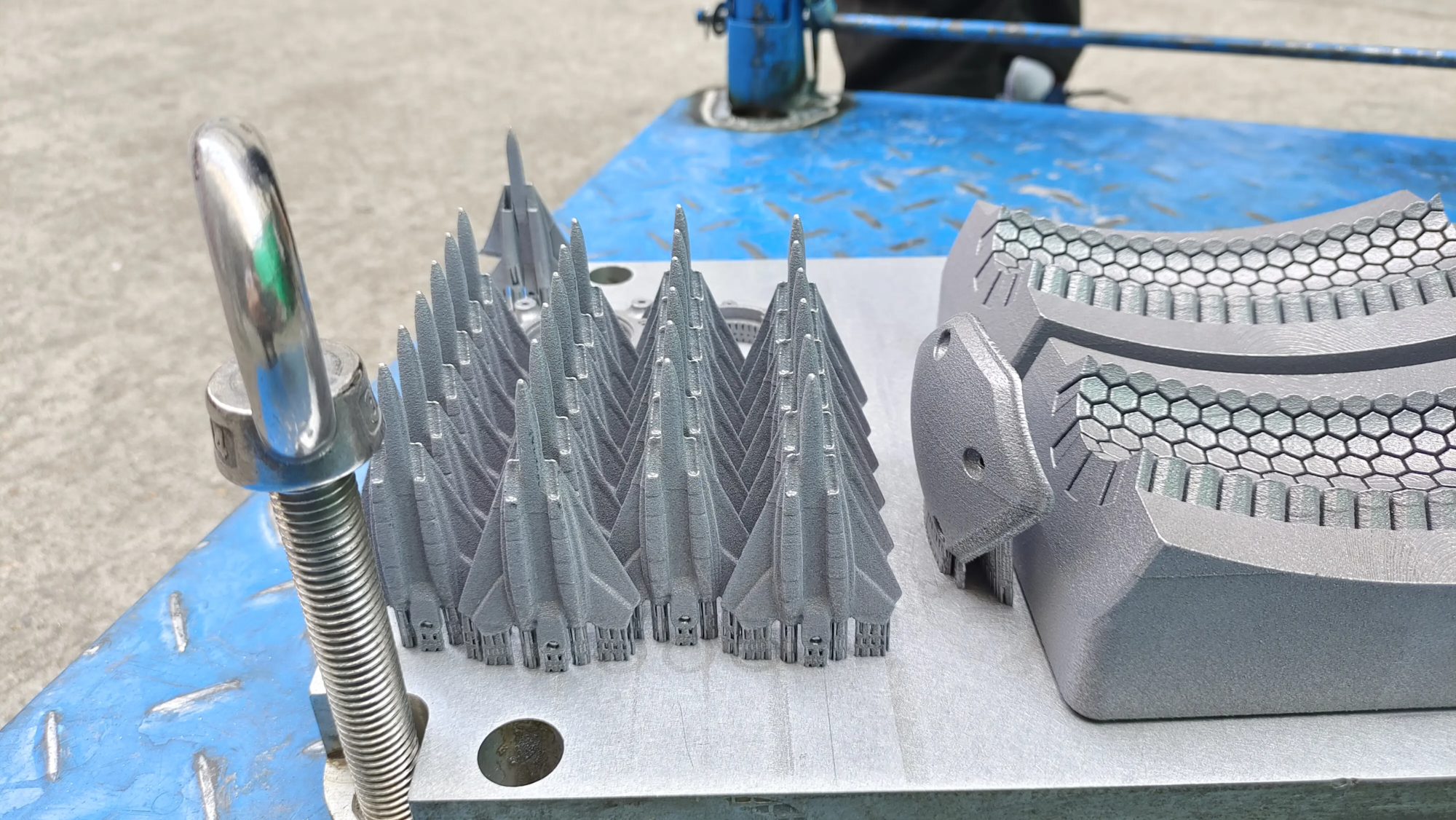
- Industrial grade SLM 3D printing: Using the latest selected laser melting equipment that carefully calibrates biocompatible metals, it is able to produce highly complex porous scaffold architectures that are essential for tissue integration. Our machines operate at 24/7 under strict environmental controls to maintain consistent quality.
- Material mastery: Expertise on handling medical grade alloys required ti6al4v eli and cocrmo To achieve optimal biocompatibility, mechanical strength, fatigue resistance and controlled porosity required for regulation criteria (ASTM F136, F3001, F75). We can handle complex material certification and traceability.
- Post-processing of critical tasks: Provide comprehensive One-stop The suite of finishing services that are critical to the success of the implant: precise support removal, pressure-resistant heat treatment, advanced surface finishes (smoothing, polishing, grit blasting) to achieve specific surface roughness (RA values) and thorough cleaning/passivation. Our integrated 5-axis CNC machining center enables perfect contour matching. Sterilization verification support is also provided.
- Agility and scalability: From rapid prototyping to small batch production and enhanced quality verification testing, Great Provides the responsiveness required for iterative medical equipment development and pilot production.
- Special quality focus: From material certification to final dimensions and surface inspections to support regulatory compliance pathways, a strict quality management system is implemented throughout the workflow.
For researchers and medical device companies, pushing for tracheal reconstruction and other life-changing implants boundaries Greatlight provides the reliable, high-precision metal prototypes and manufacturing partnerships needed to turn innovative concepts into clinically viable solutions. We recognize the critical nature of these components and go beyond standard rapid prototyping. Let us help you design the future of healthcare.
FAQ: 3D Printing Tracheal Explanation
-
Did the 3D printed trachea successfully implant in humans?
- Yes, there are successful cases around the world. Graduated surgeries are often suitable for patients with life-threatening conditions lacking other options, which shows feasibility. Early implants often combine patient-specific scaffolds (sometimes printed) with the patient’s own stem cells. Ongoing clinical trials are building an evidence base.
-
Is it a 3D printed trachea made of metal or biological tissue?
- This is the bridge between the two. The core is usually biocompatible 3D printing scaffoldCurrently made from highly purified polymers (gradually dissolved) or titanium alloys or cobalt chromium (cobalt used for integrated cobalt). Crucially, the goal is to make the patient’s own cells fill and re-liive tissue Inside and Outside This scaffolding. Some systems involve seeding scaffolds with patients’ own cells forward Implant to start the process.
-
What are the main advantages compared to standard silicone tracheal brackets?
- Perfect for: Custom designs for patients greatly reduce complications such as migration and improper fitting.
- Biocompatibility and integration: Engineering materials and structures can promote healing and tissue growth Enter Implants, not only around them, can reduce the risk of rejection and infection over a long period of time.
- Restore function: Aiming to replicate the natural mucus removal mechanism (via precise cell seeding) through regenerating epithelial lining, this mechanism is unable to provide synthetic scaffolds.
- Complex flaws: Longer or more complex anatomical parts can be replaced compared to standard stents.
-
What are the biggest challenges this technology still faces?
- Long-term evidence: Prior to widespread adoption, it is crucial to prove safety and durability in large patient groups (5-10 years old) through rigorous clinical trials. Vascularization and full-function maturation remain key challenges for longer segments.
- Regulation: The powerful avenues for highly customized, complex medical devices are still evolving.
- cost: Personalized nature and advanced manufacturing make these implants expensive; cost-effectiveness requires demonstration.
- Complexity of quality production: While tailored, effective scaling production remains a barrier. Development usually relies on dedicated partners (such as Greatlight for Critical Metal components).
-
How long does it take to become a common treatment?
- possible Over the years, it has been a standard, widely available program. However, it is growing rapidly. In 5-10 years, sustained successful results in trials may pave the way for more routine use in specific complex cases. Expected to be more widely adopted in global professional centers before global professional centers become mainstream.
- Can Greatlight help with materials like non-medical prototypes?
- Yes, absolutely! Although biocompatibility grades are used for implants, Great Expertise in rapid prototyping of complex functional parts in a wide range of metals (including Ti, Al, Steel, COCR) for demanding applications in aerospace, automotive, industrial machinery and consumer products. Our expertise in high-precision SLM printing and post-processing provides robust, accurate metal parts quickly and reliably. Contact us now to discuss your project.