Reimagining waste management: innovative 3D printed waste bin concept
The humble trash can is a necessity of everyday life, yet its design has remained largely unchanged for decades. It is often viewed as purely utilitarian, but it is an object ripe for innovation. 3D printing is a technology that has revolutionized manufacturing with its unparalleled design freedom and customization potential. For designers, businesses and homeowners looking for unique, functional and even beautiful waste solutions, 3D printed bins offer exciting possibilities that go far beyond standard plastic bins.
Here’s how additive manufacturing, specifically advanced technologies like metal selective laser melting (SLM), are changing waste container design:
Innovative 3D printed trash can concept
-
Customized cubicle recycling center:
- concept: Forget bins full of mixed recyclables. Stylishly designed, tailor-made multi-chamber waste bins precisely Follow local recycling regulations or personal waste streams. Each compartment can come in a unique shape and size (paper-tall bins, compact plastic cavities, narrow slots for aluminum cans) and have intuitive labels embossed directly onto the surface.
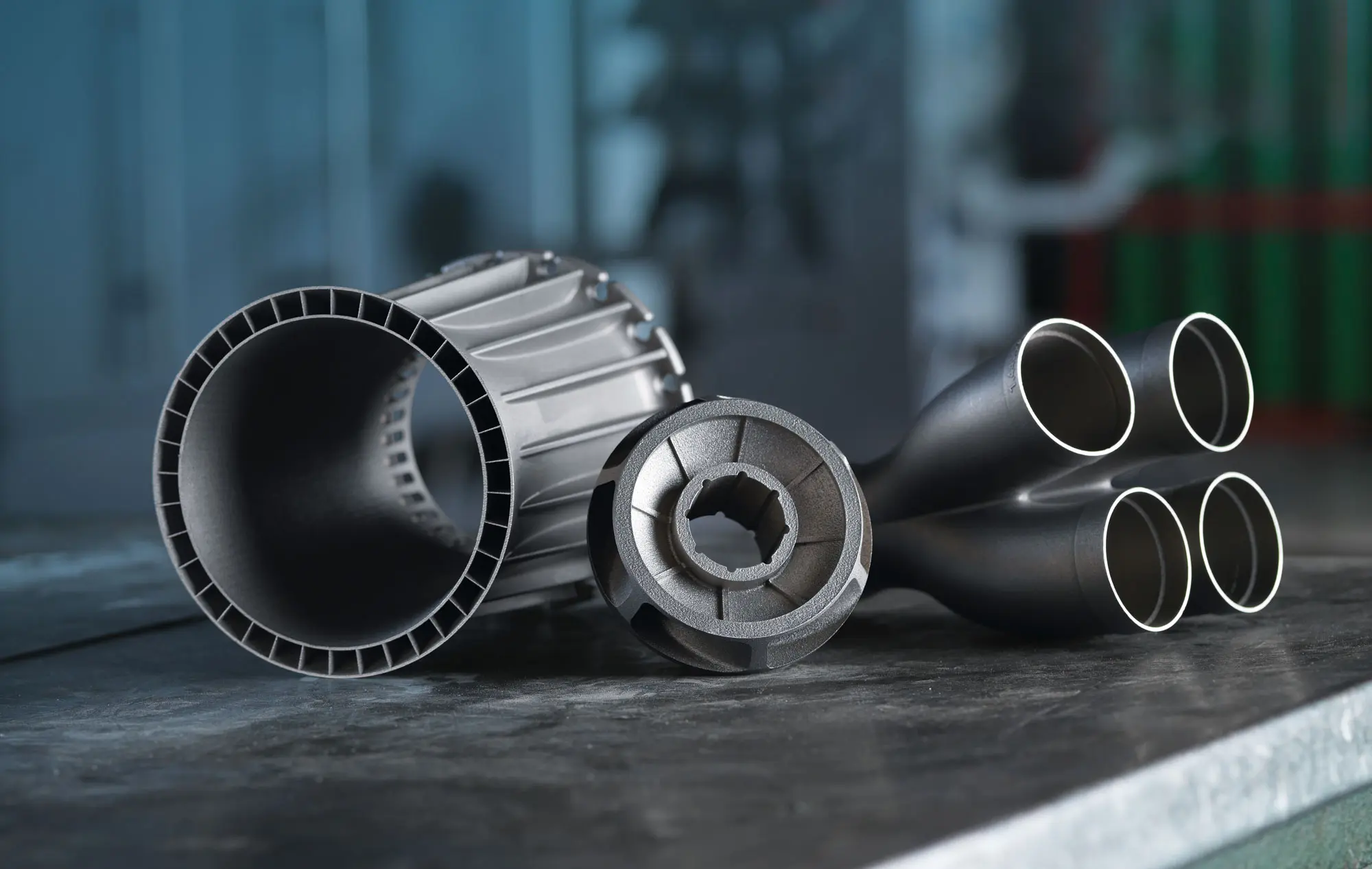
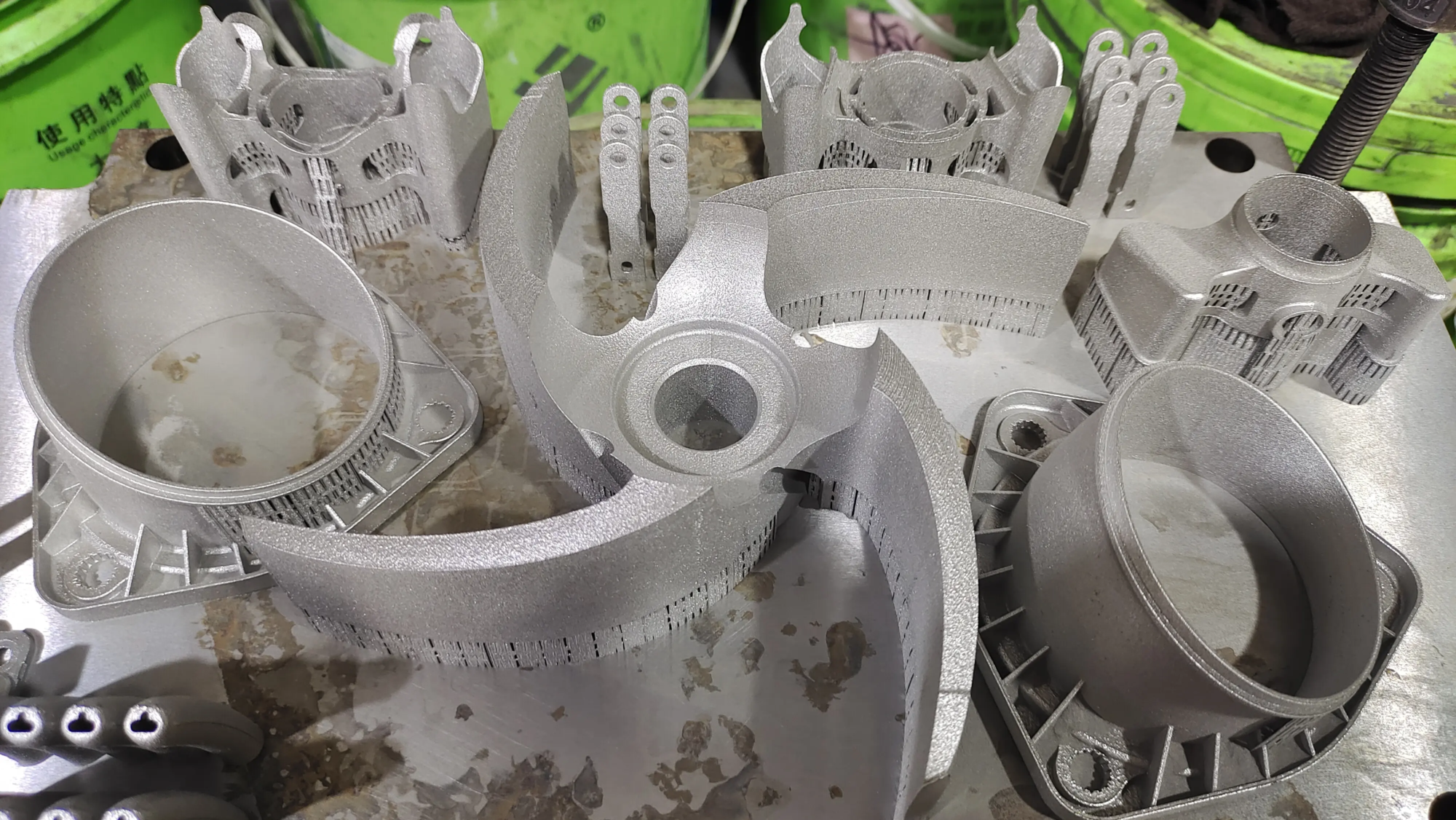
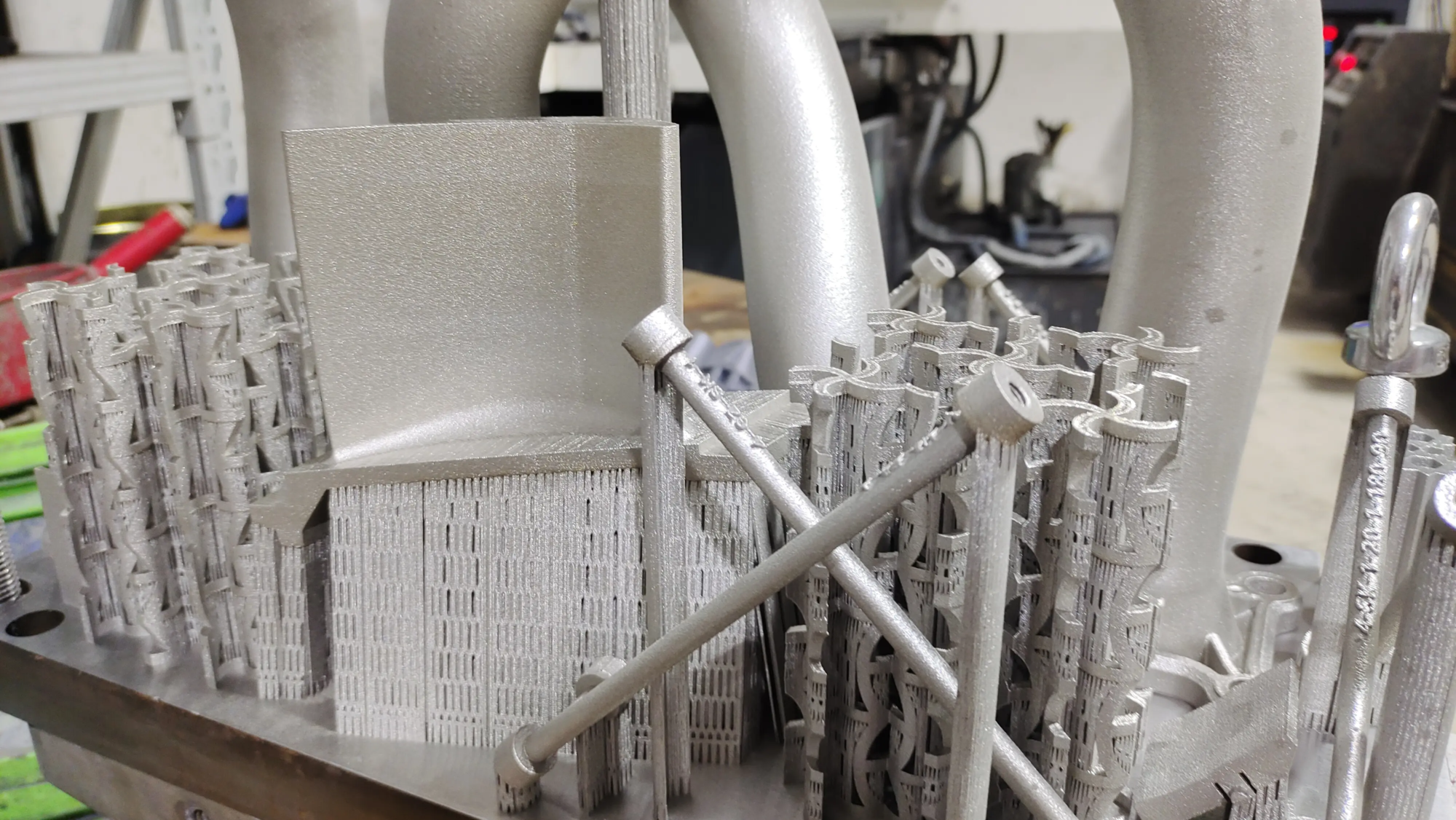
- 3D printing advantages: Complex internal partitions and unique compartment geometries cannot be cost-effectively molded but can be easily printed. Designed with ergonomic lifting tray and custom lining. Advanced SLM printing enables a strong yet lightweight internal frame structure that supports modular plastic boxes. GreatLight’s expertise in metal prototyping enables the creation of durable structural components and precise hinges.
- Material: Nylon-CF (carbon fiber reinforced) for rigid compartments, TPU (thermoplastic polyurethane) for flexible linings/seals, stainless steel/aluminum (via SLM) for frames/hinges.
-
Smart trash can with integrated sensor:
- concept: Improve basic functions with intelligence. Embed proximity sensors for hands-free lid opening, fill level sensors, odor control systems, UV sterilizers and even compact waste compaction mechanisms. Integrate NFC tags for automatic collection of records.
- 3D printing advantages: It’s easy to prototype complex cavities that perfectly house sensors, wiring channels, batteries and compact electronics. Conformal cooling channels embedded within the walls (available via metal SLM printing) enhance thermal management of power supply components. Rapid prototyping allows for rapid iteration based on sensor testing. GreatLight’s one-stop service includes integrating prototypes with electronic components during post-processing.
- Material: The outer casing is made of engineering plastics such as ABS or ASA, and the parts that require robustness/hygiene/heat dissipation are made of stainless steel 316L (SLM).
-
Space-optimized sculpture box:
- concept: Who says trash cans have to be ugly? Design bins with integrated artwork or architectural features – designed for awkward niches under stairs, corners or even wall-mounted floating designs. Optimized shape for maximum capacity in minimum footprint.
- 3D printing advantages: Eliminate design constraints! Create organic, flowing shapes that are impossible with subtractive methods. Easily customize your bin to fit your needs precise Space limitations in a home, office or common area. Design intricate ventilation patterns or decorative latticework integrated into the sides of the bin. Metal SLM printing enables extremely thin lattice-like structures without sacrificing structural integrity.
- Material: PETG for beautiful indoor bins, ASA/UV-resistant plastic for outdoor bins, titanium (SLM) for small high-end sculptures or outdoor applications.
-
Sturdy and durable collapsible litter box:
- concept: Perfect for traveling, camping, boating or compact city living – the sturdy bin folds flat when not in use but unfolds securely without bulky latches.
- 3D printing advantages: Complexly designed interlocking living hinge mechanism capable of withstanding repeated bending without failure (using flexible TPU). Engineering plastics ensure rigidity during expansion. SLM printing can produce precise, strong locking rings or end caps, ensuring stability. Rapid prototyping allows the folding mechanism to be thoroughly tested for durability and cycling.
- Material: TPU (for flex hinges/arms), Rigid Nylon/PP (for main panel), Aluminum (SLM) for reinforcement/embedded hardware.
- Biocompatible and sustainable litter boxes:
- concept: Incorporate recycled plastic or biocomposites directly into bin materials, or create designs optimized for specific biodegradable liners. Design features include enhanced ventilation to slow decomposition and organically reduce odors.
- 3D printing advantages: Sourcing and utilizing filament containing recycled content. Designers can experiment with new biocomposites. Use topology optimization software to optimize the lattice structure to minimize material usage while maintaining strength. GreatLight can provide advice on material selection that balances sustainability goals with functional requirements and aesthetics.
- Material: Recycled PET/rPET filaments, mixtures of PLA and natural fibers, special biocomposites.
Why Choose Rapid Prototyping for Your Bin Design?
3D printing unlocks capabilities that traditional manufacturing cannot match when it comes to trash cans:
- Completely customizable: Personalize size, shape, zoning, aesthetics to suit your specific needs and space.
- Complex and optimized geometries: Internal structure for strength/weight balance, integrated functions, smart component housing.
- Iterate quickly: Quickly and cost-effectively test form, functionality, ergonomics before committing to mass production tools.
- Reduce assembly complexity: Combine multiple parts into unified components.
- Small batches on demand: Ideal for niche markets, prototypes, custom home installations or pilot testing.
Conclusion: Designing the future of waste one layer at a time
Trash cans are no longer destined to be a purely functional afterthought. 3D printing brings creativity, intelligence and custom practicality into waste management solutions. From sophisticated, sensor-equipped smart bins to elegant space-saving designs and powerful customizable recycling bins, the potential is huge. Leveraging advanced rapid prototyping, whether for plastic prototypes or through SLM for small batch production of strong metals like stainless steel or titanium, allows designers and innovators to revolutionize this everyday object.
As a pioneer in rapid prototyping with cutting-edge SLM printers and comprehensive post-processing services, GreatLight specializes in turning imaginative bin concepts into real-world functional prototypes and end-use parts. We guide customers through material selection, optimize design for printability and performance, and deliver a carefully crafted finished product. Don’t settle for an off-the-shelf solution when your vision requires more. Embrace the freedom of additive manufacturing and start imagining the trash can solutions of the future—customized, efficient, and unique.
Take the next step: Explore these concepts and let GreatLight help you turn innovative waste management ideas into a tangible reality.
FAQ: 3D Printed Trash Cans
Q1: Is the 3D printed trash can strong enough for daily use?
Absolutely. Its suitability depends largely on the materials and design chosen. Engineering plastics such as Nylon-CF, ASA and PETG offer excellent impact resistance and durability. For demanding environments (high traffic areas, outdoors, heavy loads), metal printing using SLM with stainless steel or aluminum alloys provides superior strength and longevity. The design optimization inherent in 3D printing also significantly improves the strength-to-weight ratio.
Q2: How much does it cost to 3D print a custom trash can?
Cost varies based on size, design complexity, material selection and finish requirements. Simple plastic prototypes or small boxes are relatively inexpensive. Larger bins, intricate designs with internal structures, functional hinges, metal parts, or polished/special finishes will cost more. However, rapid prototyping can be incredibly cost-effective for low-volume production or complex designs that are not possible with traditional manufacturing. GreatLight focuses on providing the best value and workmanship based on your project budget and goals.
Q3: Can I customize every aspect of the litter box?
Yes! This is the main advantage. You can define precise dimensions, shape (flat sides, curved ergonomic shape, organic structure), compartments, lid mechanism (integrated hinge, magnetic), sensor cavity, mounting points, drainage holes, surface texture and branding/embossing. We transform your specifications into manufacturable designs optimized for 3D printing.
Q4: Is the 3D printed trash can easy to clean?
Properly designed and reprocessed litter boxes are easy to clean. Choosing smooth, non-porous materials such as smooth-surfaced metal SLM or polished dense plastic will prevent residue buildup. Designs eliminate gaps and incorporate smoothly graded interior corners. Durable material withstands cleaning agents. Surface treatment options such as sealing, polishing or food-grade coating further enhance cleanability.
Q5: What material is most suitable for outdoor 3D printing trash cans?
Key requirements are UV resistance and weather resistance. ASA and other materials