The future is anchored here: the world’s first metal 3D printed tugboat sets sail
The maritime industry has witnessed a landmark moment: the successful launch and operation of the world’s first fully functional tugboat, with most of its core structural components manufactured using additive manufacturing (AM). This is not a model or prototype limited to a laboratory tank; It is a rugged work boat designed for real-world port operations. This achievement marks a critical shift, showing that large-scale, safety-critical metal 3D printing is not only feasible but has the potential to revolutionize maritime engineering and manufacturing.
Beyond plastic prototypes: metal printing takes to the high seas
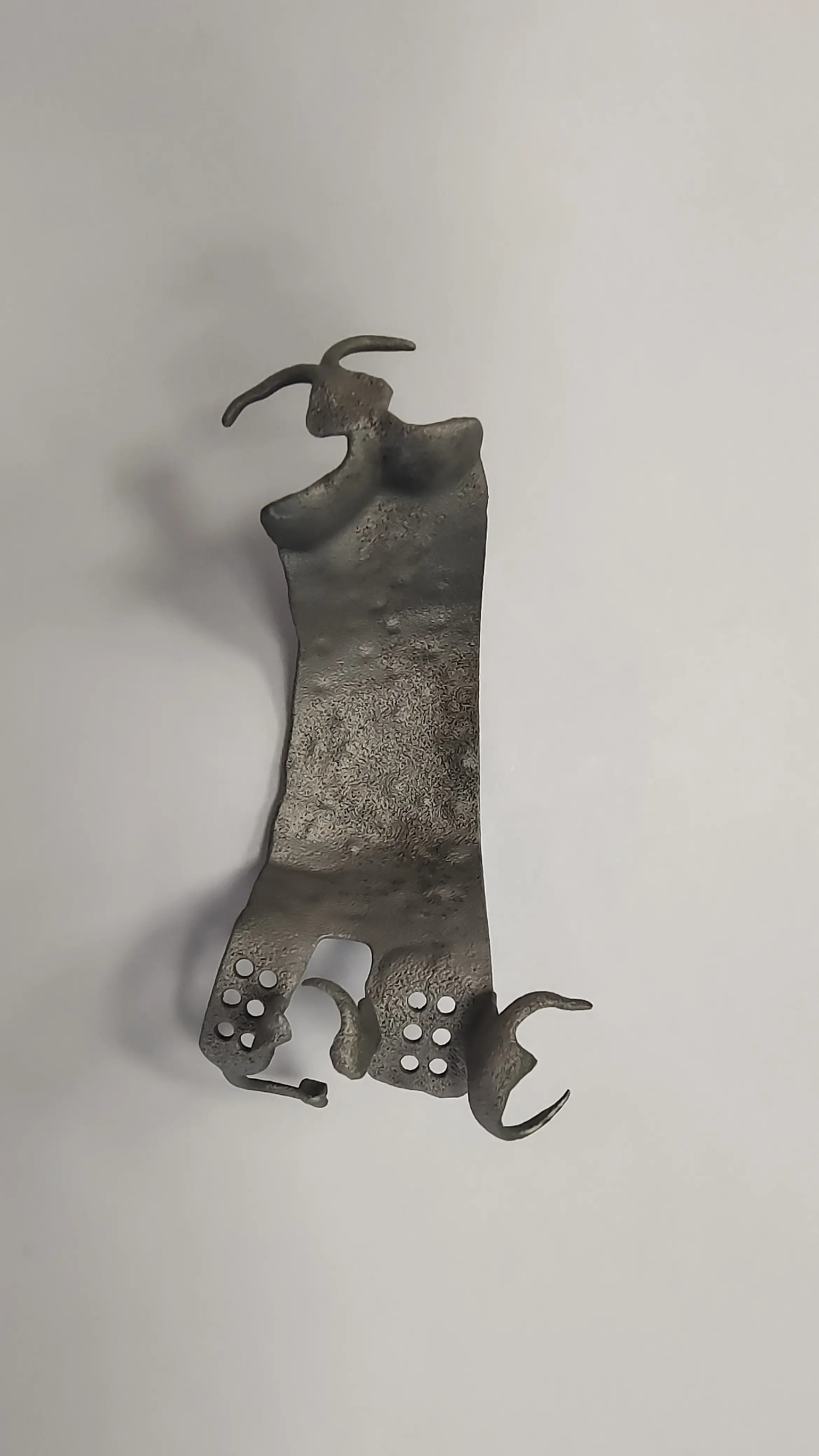
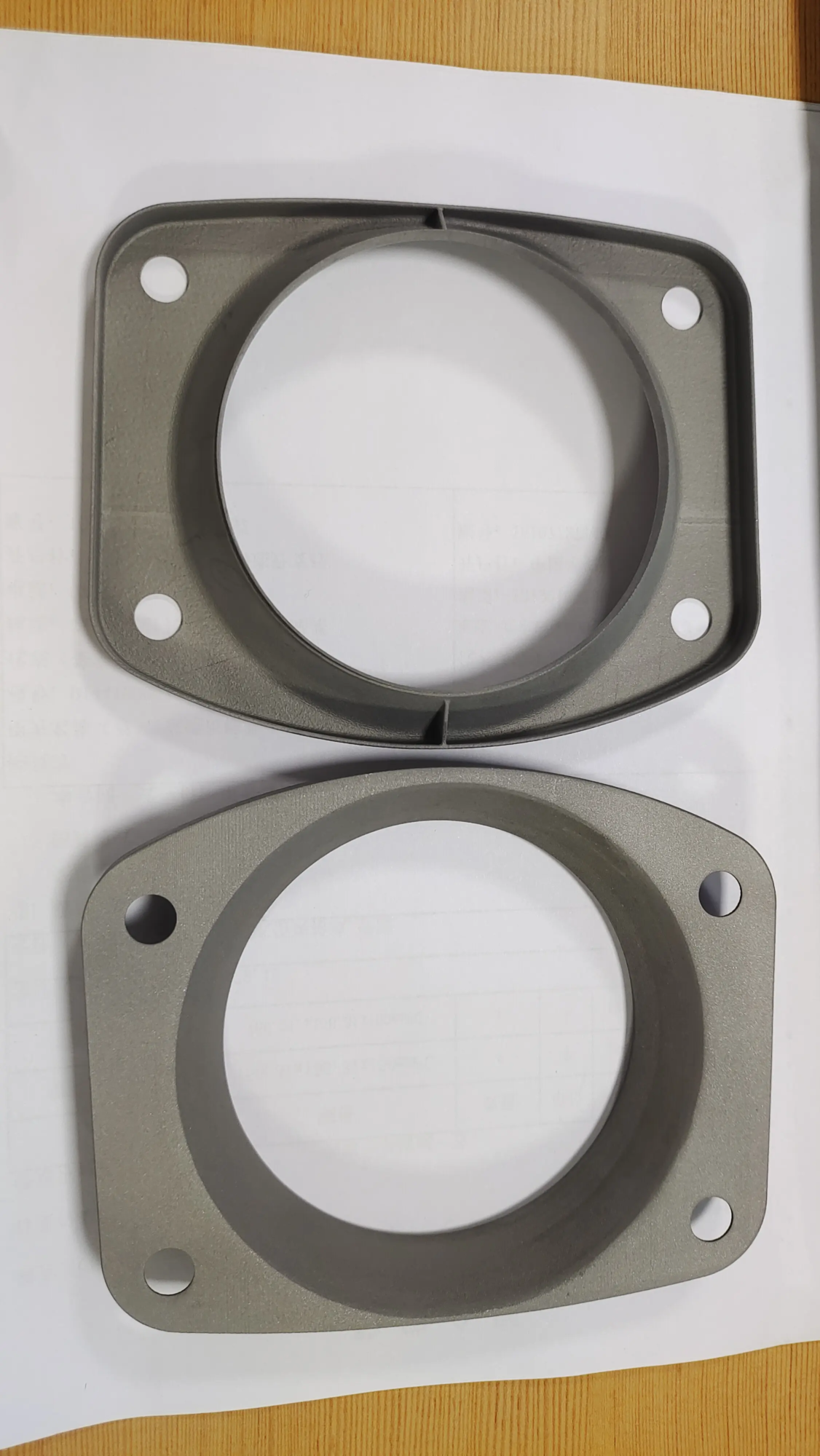
While 3D printing plastic models and parts is common, building seaworthy metal structures, especially the load-bearing elements of a ship, presents an entirely different level of complexity. This ambitious tugboat project solves exactly this problem. Critical complex components, including complex steering gear components, custom brackets and parts of the propulsion system housing, are constructed using Metal Laser Powder Bed Fusion (L-PBF)often called selective laser melting (SLM).
Why 3D printing is making waves in marine applications
The tug’s use of SLM technology was not random. It addresses specific challenges inherent in maritime engineering:
- Complex geometries, simplified production: Traditional casting or forging often struggles with complex internal channels, lightweight lattice structures, or complex contours optimized for fluid dynamics or structural performance. SLM builds parts layer by layer directly from the CAD model, effortlessly enabling designs that would be impossible or cost-prohibitive with traditional methods. This results in optimized components that are lighter yet stronger.
- Unparalleled customization and speed: Designing custom parts for specialty vessels such as tugboats can result in longer lead times for suppliers. Using SLM for in-house or dedicated rapid prototyping/manufacturing can significantly reduce this time. Design iterations, custom fittings and new part qualification can be completed in days or weeks instead of months. This agility is critical for emerging and alternative projects.
- Merge components: One of SLM’s superpowers is partial integration. Multiple smaller parts that are traditionally assembled by welding or bolting can be designed and printed as a single monolithic unit. This eliminates potential failure points (welds, bolts), increases reliability, reduces assembly time, and minimizes maintenance.
- Material properties: Advanced marine-grade alloys, such as corrosion-resistant stainless steel, aluminum alloys and high-strength nickel alloys, can be reliably machined using modern SLM systems. These metals offer the strength-to-weight ratio and durability required for harsh marine environments, matching or exceeding their conventionally produced counterparts.
Overcoming the Challenge: From Printer to Port
Successfully integrating 3D printed metal parts into seaworthy ships requires overcoming significant obstacles:
- Scale and certification: Printing large marine structural components pushes the boundaries of current additive manufacturing build volumes. Ensuring dimensional accuracy and material integrity of large parts requires meticulous process control and calibration.
- Material certification and qualifications: The maritime industry is regulated by strict classification societies (e.g. Lloyd’s Register, DNV, ABS) that require strict material certification of safety-critical components. Extensive testing – mechanical properties, fatigue life, corrosion resistance in marine conditions – is critical to prove that printed metal parts meet or exceed marine standards.
- Surface treatment and post-treatment: Sintered metal parts often require post-processing. Achieving the smooth surfaces required for hydrodynamic efficiency, anti-corrosion coatings and dimensional tolerances requires sophisticated techniques such as CNC machining, precision grinding, surface polishing and specialized shot peening. This highlights the important role of integrated post-processing capabilities.
- Design for Additive Manufacturing (DfAM): Engineers must fundamentally rethink components to take advantage of the design freedom of additive manufacturing while carefully considering residual stresses, build orientation effects, support structure removal, and optimizing weight reduction without compromising strength.
GreatLight: Driving marine innovation through advanced rapid prototyping technology
Projects like the 3D-printed tugboat are emblematic of the rapid transformation of industrial manufacturing. exist huge lightwe are at the forefront of this revolution. As a leading specialist rapid prototyping manufacturer specializing in metal additive manufacturing, we have the expertise and technology to transform ambitious concepts such as marine components into certified functional realities.
Our capabilities directly meet the needs demonstrated by this ground-breaking tug project:
- Advanced SLM technology: We have state-of-the-art SLM 3D printers capable of processing a variety of marine-friendly alloys, including stainless steel (316L, 17-4PH), titanium alloys, aluminum alloys (AlSi10Mg, Scalmalloy®) and nickel alloys. Our machines deliver the precision and reliability required for complex, critical parts.
- Comprehensive one-stop service: Material selection? Complex geometric shapes? Post-processing? Authentication support? We serve you from prototype to production-ready parts. Our services include precision CNC machining to exacting tolerances, professional surface treatment (polishing, shot peening, electrophoresis and other coatings), heat treatment and thorough non-destructive testing. We simplify the process from digital models to proven components.
- Deep materials expertise: We understand the nuances of metal powders and additive manufacturing processes in demanding applications. We guide our customers in selecting the best materials and process parameters to achieve the required strength, corrosion resistance, weight and fatigue life – critical in marine environments.
- Speed and customization: Need a quick iteration on a driveshaft bracket? Custom hydraulic manifold faster than traditional suppliers? Our agile manufacturing methods deliver high-precision custom metal parts with significantly reduced lead times. Faster prototyping accelerates your innovation cycle and reduces time to production.
- Focus on quality and certification: We prioritize producing parts that meet strict quality and performance standards. Our rigorous quality control processes and knowledge of industry certification pathways, including support for material testing documentation, provide confidence in the parts we supply.
Conclusion: charting a new course for maritime manufacturing
The successful voyage of a tugboat partially powered by 3D printed metal parts is more than just a novelty; it is a powerful flare lighting up the future of marine engineering. It demonstrates that additive manufacturing, particularly advanced SLM technology, is mature enough to handle the scale, complexity, material needs and stringent certification requirements of the marine industry.
The benefits are compelling: faster development cycles for new ship designs, lighter and stronger components leading to improved fuel efficiency and performance, unprecedented freedom to optimize designs and simplified spare parts logistics. As the technology continues to evolve and certification frameworks solidify, we expect the adoption of additive manufacturing in shipbuilding, offshore energy and naval applications to expand rapidly.
This achievement paves the way for smarter, more efficient, more customizable and more sustainable maritime vessels. At GreatLight, we are committed to being your trusted partner in this exciting frontier, providing the advanced rapid prototyping and manufacturing solutions needed to transform groundbreaking marine concepts into seaworthy success stories.
FAQ: 3D printing in the maritime industry
Q1: Is 3D printing powerful enough for real ships? Isn’t the metal of the printer more susceptible to failure?
A: Modern metal 3D printing, especially SLM, can often produce parts with mechanical properties (tensile strength, yield strength) that are comparable to or even exceed those of traditional forged or cast equivalents. The key is to use the correct marine-grade alloy, expert tuning of process parameters, rigorous post-processing (such as hot isostatic pressing – HIP to eliminate voids) and strict quality control. Certification involves extensive testing to ensure that printed parts meet all required safety margins.
Q2: Which parts of the current ship are most suitable for 3D printing?
A: Currently, additive manufacturing excels in producing complex, customized, small to medium volume components:
- Highly customized propulsion system parts (impellers, nozzles, brackets).
- Complex manifolds, valves and cooling system components.
- Lightweight structural brackets and mounts.
- Custom tools, jigs and fixtures used in shipyards.
- Replacement parts for older ships whose tools have become obsolete.
Due to their sheer scale, hull sections still rely on traditional methods, but large-scale printers are evolving.
Question 3: Isn’t the cost of 3D printing ship manufacturing much more expensive than traditional manufacturing?
A: The initial unit cost of metal additive manufacturing is typically higher than high-volume casting or forging. However, the calculation of total cost is subtle:
- Mold cost: Additive manufacturing eliminates expensive molds/dies for prototypes and low-volume production.
- Design optimization: Reducing weight can significantly improve fuel efficiency over the life of the vessel.
- Delivery time: Faster production avoids costly delays and accelerates innovation cycles.
- Partial merge: Reduce assembly time and spare parts, reducing costs.
- Old parts: Producing obsolete spare parts through additive manufacturing avoids costly reverse engineering and retooling.
For complex, customized or low-volume marine components, additive manufacturing offers compelling cost competitiveness.
Q4: Can 3D printed metal parts withstand salt water corrosion?
Answer: Of course. The materials used in marine additive manufacturing are specifically selected for their corrosion resistance: stainless steel (such as 316L), titanium alloys (Grade 2/Ti-6Al-4V), nickel alloys (Inconel 625, 718) and aluminum alloys (AlSi10Mg, Scalmalloy®). Appropriate post-treatment (smoothing, polishing, electrophoresis, etc. coating) can further enhance corrosion resistance and ensure service life even in corrosive salt water environments. Material selection and surface finish are critical.
Q5: How does Honglait ensure the quality and safety of marine 3D printed parts?
A: Quality and safety are of the utmost importance to Gretel. We use a rigorous multi-stage process:
- Material certification: Start with certified metal powders.
- Process control: Meticulous calibration and monitoring of SLM printers.
- Comprehensive post-processing: Including machining, HIP, heat treatment and special surface treatment.
- Strict inspection: Utilize techniques such as Coordinate Measuring Machine (CMM), visual inspection, dye penetrant testing (PT), X-ray (RT) and ultrasonic testing (UT) to verify integrity, dimensions and detect defects.
- Material testing: Mechanical testing (tensile, hardness, fatigue, impact) is performed on printed samples to verify performance.
- Documentation support: Detailed reports traceable to standards (ASTM, ISO, etc.) are provided to assist customers in the classification society component certification process.
Ready to lead the future of shipbuilding? Cooperate with Gretel. Leverage our advanced SLM technology, comprehensive post-processing capabilities and unwavering commitment to quality to realize your next maritime innovation. Get your custom precision rapid prototyping quote and get started on your project today! [Link to GreatLight Quote/Contact Page]