Retro Revolution: Build your own 3D printed typewriter
In an era dominated by touch screens and instant messaging, the rhythmic click of a typewriter evokes nostalgia. However, owning a vintage model can be expensive and impractical for daily use. What if you could build your own functional typewriter using cutting-edge manufacturing processes? Welcome to the fascinating world of 3D printed typewriters – the perfect marriage of analog charm and digital fabrication.
This guide will walk you through using easy-to-use 3D printing technology and traditional craftsmanship to create DIY masterpieces.
Why build a 3D printed typewriter?
- Personalization: Inject your personality with custom colors, materials or design adjustments.
- educate: Delve into mechanical, engineering and materials science.
- Sustainability: Breathing new life into outdated technology with additive manufacturing.
- Passion project: Satisfy your tinkering instinct while creating functional art.
DIY Journey: Step by Step
1. Design Procurement and Preparation
Start with an open source model built on a platform like Thingiverse or Printables. Popular designs such as "typist" Provide reliable documentation. Carefully analyze the part file:
- Verify compatibility with printer volume.
- Identify components that require support (overhang >45°) or specific strength orientation.
- separation "Print in place" Move elements from structural components.
2. Material selection
Choose durable, low-deformation materials:
- PLA+ or PETG: Due to its high rigidity, it is ideally suited for most structural components.
- TPU (flexible filament): Great for shock absorbing feet or cabin bumpers.
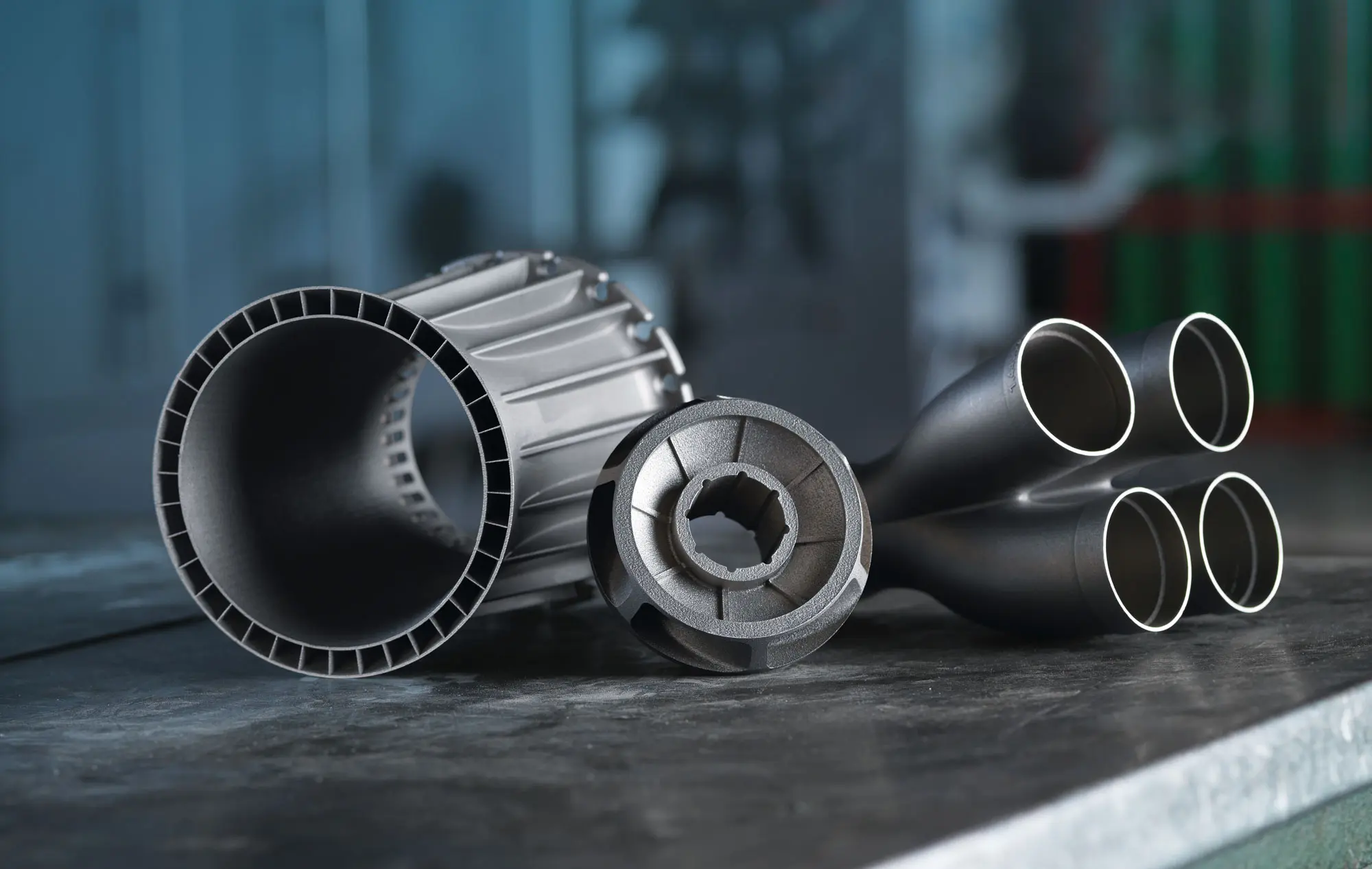
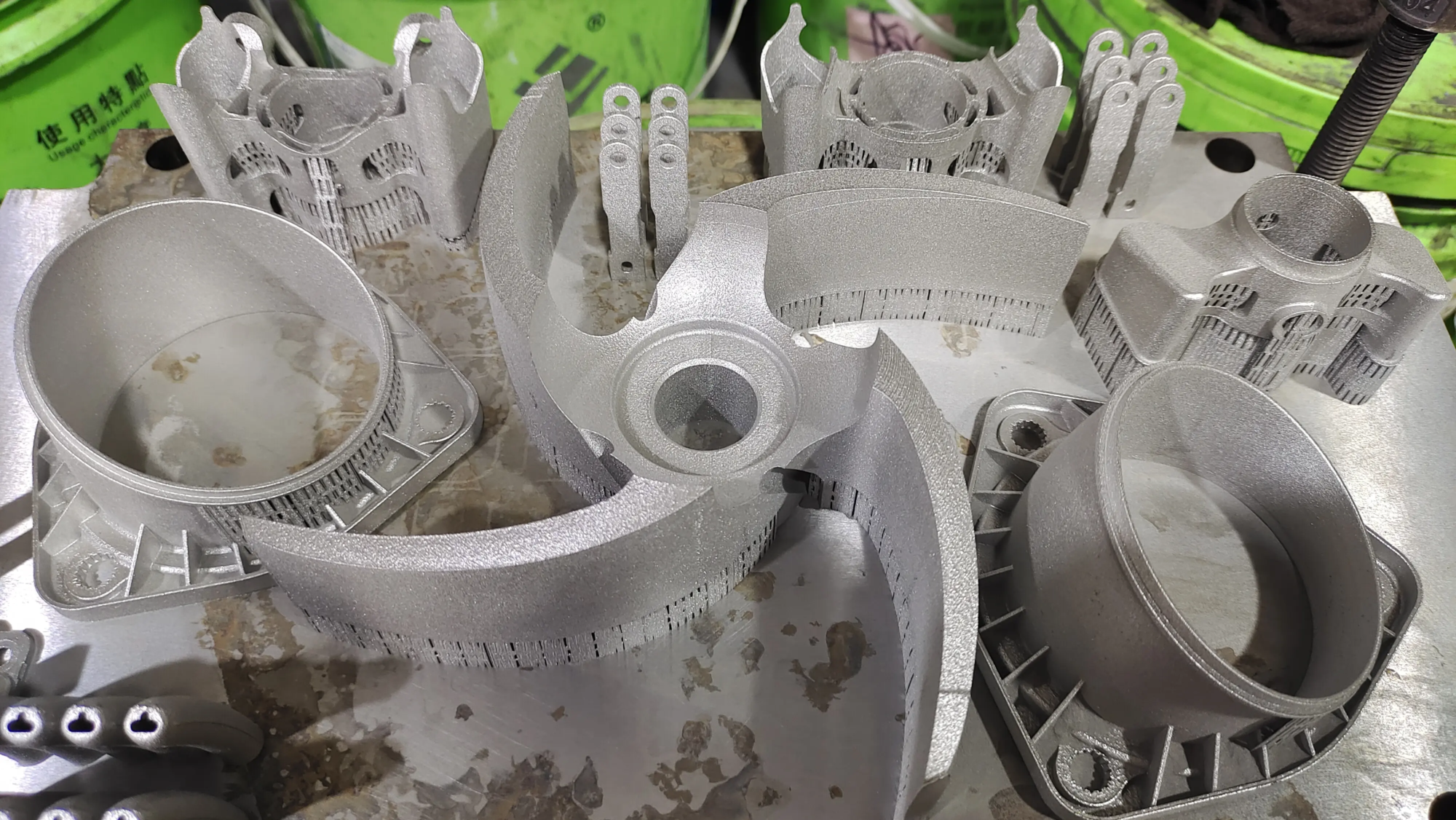
- For high wear parts: Type rods and springs benefit from fatigue resistance. Consider nylon (PA) or metal-reinforced composites. If your design requires precision metal parts (such as axles), professional prototyping services such as huge light Available in CNC machined or SLM 3D printed steel/aluminum parts for superior longevity.
3. Printing technology
Key settings in the function section:
- Floor height: 0.15–0.2mm, achieving smooth mechanical action.
- filling: 30–50% spiral pattern provides balance of strength and weight.
- perimeter: 3-4 walls for rigidity of lever and chassis components.
- calibration: Basic! Verify bed level and extrusion to avoid binding in sliding components.
4. Non-printed components
Some elements require external procurement:
- spring: Order compression springs from your hardware supplier for critical returns.
- Ink roller: Repurpose the pad roller or cut rubber tubing.
- fastener: M3 bolts/nuts for assembly. The stainless steel variant is corrosion-resistant.
5. Post-processing and assembly
- Cleanup: Carefully remove the supports using a flat end mill and needle file.
- Reduce friction: Sand the sliding surface (guide rail) with 400→800 grit sandpaper.
- Assembly logic: Follow the schematic instructions carefully. Test mechanisms such as carriage returns before final bolting. Apply lubricant sparingly to the pivot.
6. Test and iterate
Expected prototype improvements:
- Weak typing field? Add infill or reprint of carbon fiber PETG.
- Sticky keys? Polish the shaft or adjust the spring tension.
Don’t hesitate to use CAD tools like Fusion 360 to redesign problematic parts.
Why professional prototyping can improve your builds
While desktop FDM printers excel with plastics, metal components change performance:
- accurate: SLM 3D prints complex gears with an accuracy of ±0.1 mm.
- Durability: Steel springs are more durable and less likely to fatigue than printed springs.
- custom made: Need a unique type of bar or proprietary hardware? Specialty stores such as huge light combine Metal Powder Bed Melting (SLM)CNC machining and finishing services provided Customized, strength-optimized parts fast. Ideal for hybrid projects that require ultra-reliable machinery.
in conclusion
Creating a 3D printed typewriter blends historical engineering with the freedom of additive manufacturing. It’s not just a gadget, it’s a tactile poem. Whether you print everything at home or work with a rapid prototyping expert, e.g. huge light For mission-critical metallic elements, this project reconnects us with analogue creativity in the digital age. Share your builds online, iterate fearlessly, and restore that satisfying symphony of keystrokes!
FAQ: Answers to your questions about 3D typewriters
Q: How long does it take to print all the components?
A: Estimated total printing time is 80-120 hours, depending on resolution and printer speed. Efficiently batch parts to optimize your workflow.
Q: Can I use ABS instead of PLA?
A: Yes—ABS has better heat resistance, but requires an enclosed printer and careful temperature control to avoid warping. Due to fumes, please ventilate appropriately.
Q: Why are metal prototypes critical for complex builds?
one: