Keep it tidy: A comprehensive guide to DIY 3D printed wire clips
We’ve all been there: the endless tangle of charging, headphone, and power cables in a drawer or a frustrating jungle on our desk. It’s more than just an eyesore; it wastes time and can even damage your precious electronic devices. Thankfully, 3D printing offers an elegant, customizable, and easy-to-use solution: DIY wire clips! In this guide, we’ll walk you through creating your own practical and stylish cord organizer to end cable clutter forever.
Why 3D printing is perfect for organizing ropes:
- Unlimited customization: Custom-design the stand to exactly the number, thickness and type of cables you need to manage – whether it’s a bulky laptop charger or a thin headphone cable.
- Space optimization: Create a stylish wall-mounted clip, drawer divider or under-desk mount that’s perfect for your specific workspace or living area. No more compromising with generic store-bought organizers.
- Durability: Printed on sturdy materials like PLA+ or PETG, your cord clips can withstand frequent plugging and unplugging and last for years to come.
- Cost effectiveness: Once you have a printer, the cost of supplies per holder is minimal compared to purchasing multiple organizers.
- Fun and Satisfaction: You’ll feel real pride in designing, printing, and using functional tools of your own creation to solve real problems.
Designing Cord Clips: Key Considerations
Before using CAD software or browsing Thingiverse, consider the following factors:
- Function:
- type: Do you need a simple cable clamp to secure a wire? Charging station manager for multiple devices? Wrapping and securing reels for extension cords? Vertical spool for longer cable? A clip under the desk?
- capacity: How many cables need to be accommodated at once?
- Install: How will it attach? (Adhesive? Screw? Independent? Clamp?)
- Auxiliary functions: How easy is it to wrap/store and quickly remove the cord? Is there a notch for easy insertion?
- form:
- aspect: Measure the space the cable is in and the typical thickness/coil diameter of the cable.
- Stability and strength: Make sure the base is wide enough (or mounted securely enough) to handle the weight and tension of the coiled wires without tilting or deforming. Add stiffeners if needed.
- aesthetics: Smooth curves? Geometric angle? Adding holes to labels? Make it visually pleasing!
- Printability: Avoid large overhangs that require too much support. Whenever possible, design with curves or angles greater than 45 degrees. Consider wall thickness (>= 1.2mm is generally safe) and hole/tolerance dimensions.
Your step-by-step DIY guide:
- Conceptualization and sketching: Roughly sketch out your ideas based on your needs and space. Determine critical dimensions.
- Design or download:
- Option 1: Model it yourself: Use free CAD software such as TinkerCAD (for beginners) or Fusion 360 (for more advanced). Start with basic shapes and Boolean operations.
- Option 2: Download and customize: Platforms like Thingiverse and Printables have thousands of free cord clip designs. Search using keywords ("wire clip," "socket holder," "cable organizer"). Many designers allow custom parameters in STL files.
- Prepare to print (slice):
- import: Load the STL file into slicing software (Cura, PrusaSlicer, Simplify3D).
- Material: Choose filament: People’s Liberation Army (Easy to print, good rigidity, suitable for clips), Polylactic acid+ (tougher), polyethylene terephthalate (More flexible, impact-resistant, heat-resistant, and better suited for clamping to a table).
- set up: Recommended default values:
- Layer height: 0.2mm (speed/detail balance).
- Fill: 20-30% (provides good strength without using excess filament).
- Perimeter/Wall: 3 (for sturdiness).
- Support: Enabled only if your design has severe overhangs (< 45 degrees).
- Adhesion: It is recommended to use a lip (thin lip around the base) to ensure stability on thin stands/clips.
- print:
- Make sure your bed is clean and level.
- Start printing! Monitor the first few layers for adhesion issues.
- Stress Relief: If using PETG, avoid sudden bends immediately after printing; let it cool completely.
- Post-processing (optional but recommended):
- Remove supports: Carefully peel off all support material.
- Clean edges: Use a flat utility knife, utility knife, or fine sandpaper to remove stray filaments.
- smooth: Sand with progressively finer grit sandpaper (e.g., 120 -> 220 -> 400) for a polished look, especially when painting. Chemical smoothing (acetone vapor for ABS, limited options for PLA/PETG) is also possible, but requires caution.
- assembly: If your design is multi-part, glue the pieces together (superglue or epoxy works well on PLA/PETG).
- Install: Apply tape (such as VHB tape), or mark and drill holes for screws.
- Install and organize! Install the cord clamp at the designated location. Enjoy the process of neatly wrapping and storing your cables. Label holders for different devices if required.
Professional printing tips:
- Filament selection: PETG’s slight flexibility often makes it ideal for clips that stick to surfaces without breaking. PLA is great for rigid mounts/spools.
- direction: Print flat side down on the bed for maximum adhesion and strength. If under load, avoid printing long, thin structures vertically.
- Strength focus: For parts subject to greater stress, increase the perimeter/walls or use a higher infill percentage (e.g. 40%).
- Thought slot width: Make sure the slot/cutout is at least 2-3mm wider than the thickest cable you plan to secure to prevent snags or fraying.
in conclusion
Tangled cables are a modern annoyance, but they don’t have to be your reality. Designing and 3D printing your own cord organizer enables you to create a solution that’s perfect for your specific needs and space. This DIY approach combines functionality, customization and creativity. It’s cost-effective, leverages accessible technology, and provides tremendous satisfaction.
Whether you’re dealing with a simple clip or a complex charging station base, overcoming cable clutter with a personalized tool you create can be incredibly rewarding. So fire up your 3D printer, take on the design challenge, and regain the clean and efficient workspace or living area you deserve – one organized wire at a time!
Frequently Asked Questions (FAQ)
1. Do I need a fancy/expensive 3D printer?
not at all! Basic FDM (fused deposition modeling) printers in the $200-$500 range are more than capable of printing excellent wire clips. These projects are usually relatively small and simple, making them ideal for beginners and budget printers.
2. Which filament type is the most durable?
For most wire clips requiring good strength and toughness, polyethylene terephthalate Highly recommended. It has better flexibility, impact resistance, and heat resistance than PLA, reducing the likelihood of the clip breaking. If PETG is not available, PLA+ is a good compromise. Avoid standard PLA for parts that may bend/flex frequently.
3. How strong are 3D printed wire clips compared to metal wire clips?
While store-bought injection-molded plastic or metal brackets may themselves be stronger in some cases, well-designed PETG wire brackets are extremely strong and durable for this application. They handle the tension of coiled cables with ease. Key areas can be reinforced in the design (thicker sections, ribs).
4. Can I design a bracket that incorporates different sized cable troughs?
Absolutely! This is one of the main advantages of DIY design. Your CAD model can easily incorporate a variety of slots, from very narrow (for thin USB cables) to wider (for power blocks), into a bracket that is completely customized to your cable mix.
5. How to install the bracket securely?
- Adhesive: Use high-strength double-sided tape (such as VHB tape). Thoroughly clean the mounting surface.
- screw: Design mounting holes on the model base. Use wall anchors for drywall or drive screws directly into studs/wood.
- Fixture: If attaching under the edge of a table or shelf, add a clamping mechanism (usually compatible with PETG’s flexibility).
Need professional quality without a printer? Deliver precision parts and prototypes.
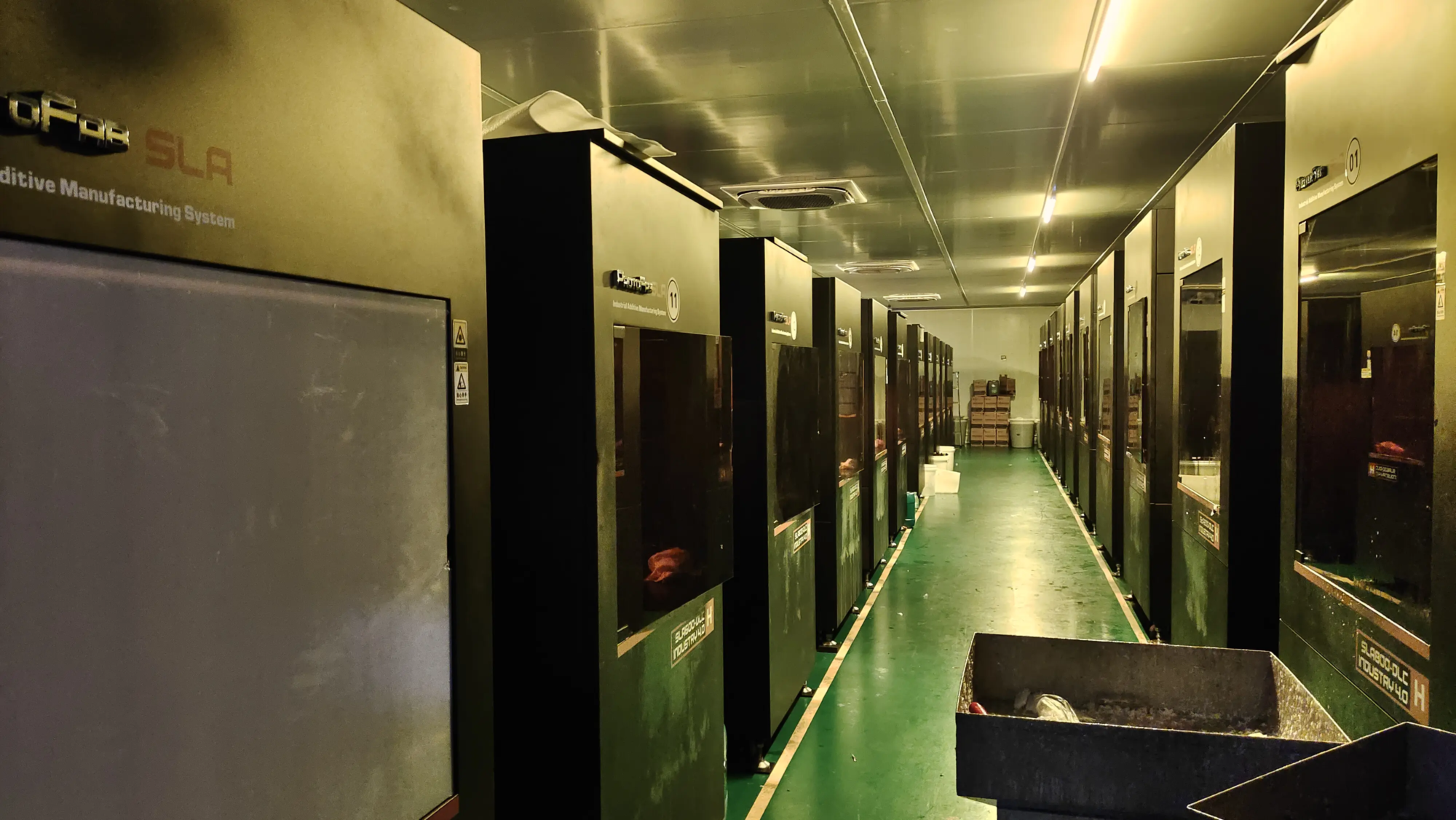
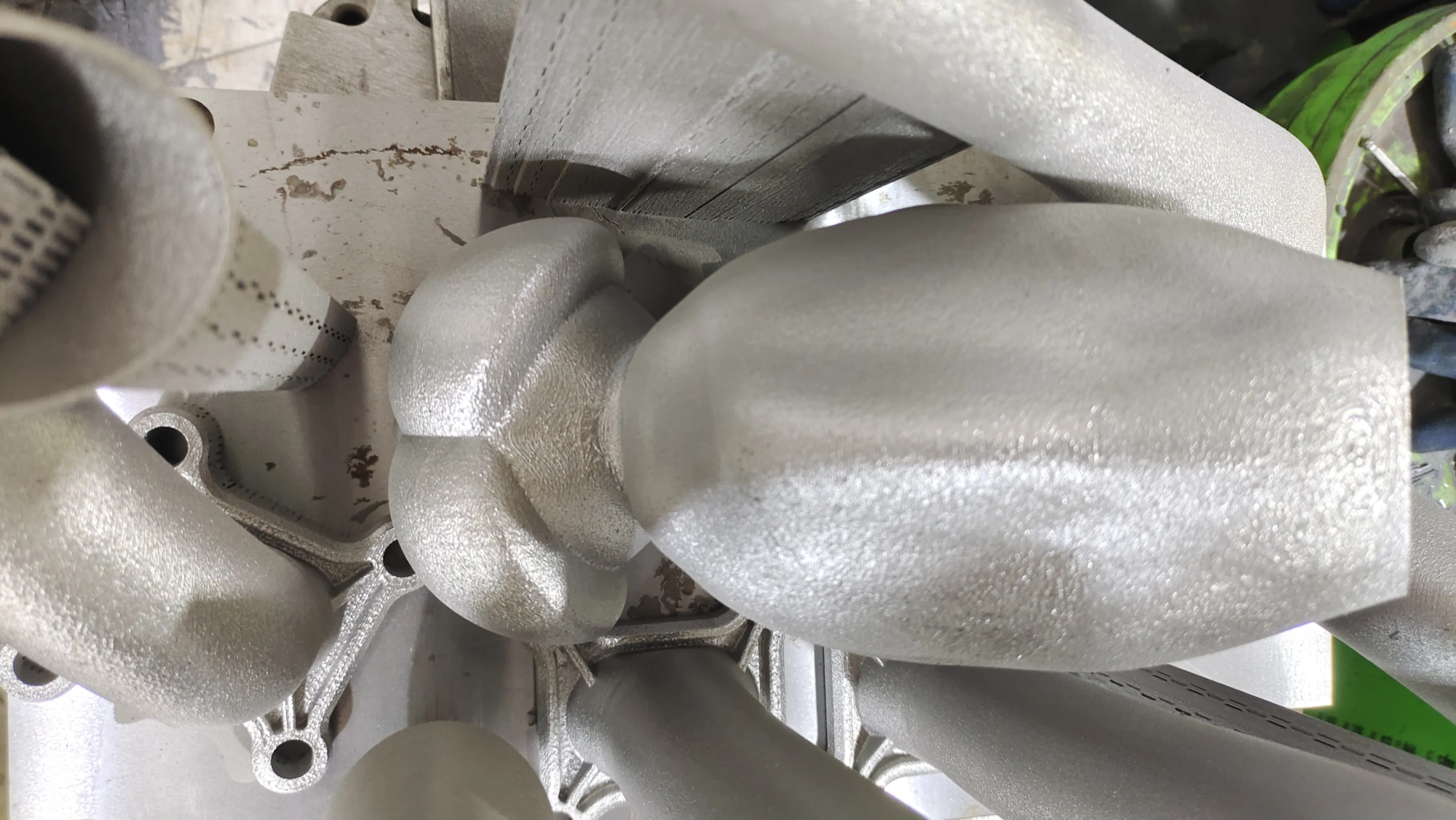
Don’t have your own 3D printer but need a high-quality custom wire clamp solution or other functional prototype? huge light Provide professional rapid prototyping services to bring your designs to reality with exceptional precision. Take advantage of advanced SLM (Selective Laser Melting) 3D Printing Combining technology with extensive production expertise, GreatLight effectively solves complex metal rapid prototyping challenges.
In addition to printing, they offer comprehensive One-stop post-processing and finishing services – Heat treatment, polishing, painting, plating and assembly – ensuring parts meet strict functional and aesthetic requirements. With deep expertise in a wide range of metals and plastics, rapid customization of specialist components is at the heart of their offering. Go from concept to performance parts with ease.
For demanding applications requiring the highest precision and material integrity – whether complex prototypes or end-use tools – Honglaite is the first choice for rapid prototyping companies in China. Choose professional execution at competitive prices.
→ Customize your precision rapid prototyping parts today and get expert results at the best prices!