Explore 3D printing safety: Understanding potential risks and responsible practices
The rise of 3D printing has revolutionized manufacturing, prototyping, and even hobbyist creation. In addition to its incredible potential, concerns about occupational and environmental health have also arisen, including concerns about potential cancer risks associated with some 3D printing processes. As a leader in advanced rapid prototyping using Selective Laser Melting (SLM), GreatLight believes in providing customers with transparent, science-based information. Let’s take a deeper look at our current understanding of these potential risks.
Emissions landscape: beyond plastic smog
The main health concerns surrounding 3D printing focus on the emissions released during the printing process. There are significant differences between these technologies:
-
Fused Deposition Modeling (FDM – Plastic Printing):
- Ultra-fine particles (UFP): Heated thermoplastics release volatile organic compounds (VOCs) and aerosolize tiny particles. UFPs are small enough to penetrate deep into the lungs.
- Volatile organic compounds (VOC): Materials such as ABS, PLA, nylon and resin release chemicals such as styrene, formaldehyde and caprolactam when heated. Some volatile organic compounds are classified as possible carcinogens.
- Potential risks: Long-term inhalation of high concentrations of UFP and certain VOCs in poorly ventilated environments Can Causes risk of respiratory irritation and chronic health problems, including potential cancer risk associated with long-term exposure to certain carcinogenic compounds. The level of risk depends largely on the type of filament, printing temperature, duration and ventilation.
- Powder Processing (SLM, SLS – Metals and Polymers):
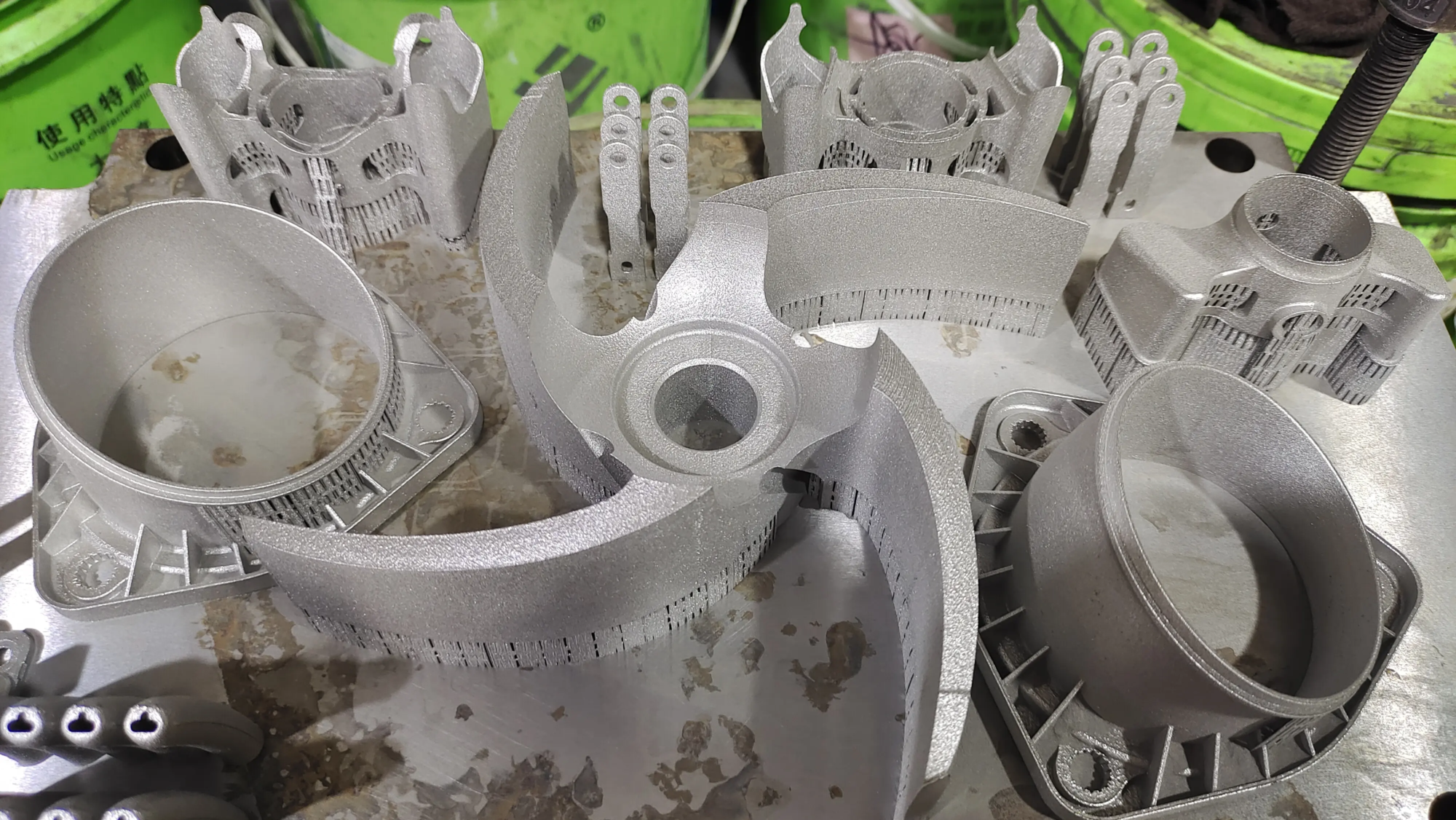
- Metal powder: Processes such as Selective Laser Melting (SLM) utilize fine metal powders (titanium, aluminum, steel alloys, nickel alloys). The main concern here is particulate matter in the air.
- Potential risks: Inhaling metal powders, especially certain alloys containing elements such as chromium, nickel or cobalt, poses significant risks. These tiny metal particles can harm the respiratory tract. Certain metals/alloys are classified as possible carcinogens (e.g. certain nickel and hexavalent chromium compounds). Exposure pathways include powder handling, build removal, and incomplete removal of printed parts.
- smoke: Melting metal with a laser or electron beam produces metal fumes, which are composed of fine metal particles and potentially harmful oxides.
What does science say?
Research into the long-term health effects, particularly the risk of cancer posed by 3D printer emissions, is ongoing but evolving rapidly:
- Plastic FDM: Research shows that UFP and VOC levels are higher compared to environments such as busy cities or where gas is used for cooking. Certain VOCs emitted (such as styrene emitted when printing ABS) are considered possible carcinogens (Group 2B) by agencies such as IARC. Although conclusive evidence shows Occupational cancer causes Looking at FDM printing alone, inhalation hazards and potential carcinogen exposure are limited and therefore need to be carefully controlled.
- Metal SLM/SLS: There is clearer worker safety precedent regarding the inhalation hazards of fine metal dust. Many metal powders have established occupational exposure limits (OELs) based on known toxicology. Inhalation of certain metal powders (e.g., nickel, hexavalent chromium, cobalt) has been linked to occupational lung disease (pneumoconiosis, asthma) and to an increased risk of cancer in certain industries (e.g., welding fumes, which are associated with lung cancer). Direct long-term research on sustainable land management operators is limited, but the hazards of raw materials are well documented.
Mitigation is key: safety in professional settings
The key point is that risks are not inherent in the technology itself, but can be managed through strict engineering controls, administrative procedures and personal protective equipment (PPE).
This is where professional services such as huge light Adhere to the highest standards:
- Industrial grade seal: Our SLM machines operate completely enclosed in a sealed chamber under an inert atmosphere (such as argon or nitrogen), preventing fugitive powder emissions during the printing process.
- Advanced filtering: Integrated high-efficiency particulate air (HEPA) and chemical filtration system captures UFP, VOC vapors and metal fumes directly at the source Ventilation and exhaust inside and outside the print room.
- Negative pressure and dedicated ventilation: The powder handling area utilizes negative pressure zones, downdraft workbenches and a dedicated extraction system with HEPA filtration to capture airborne particles during powder screening, part removal and cleaning.
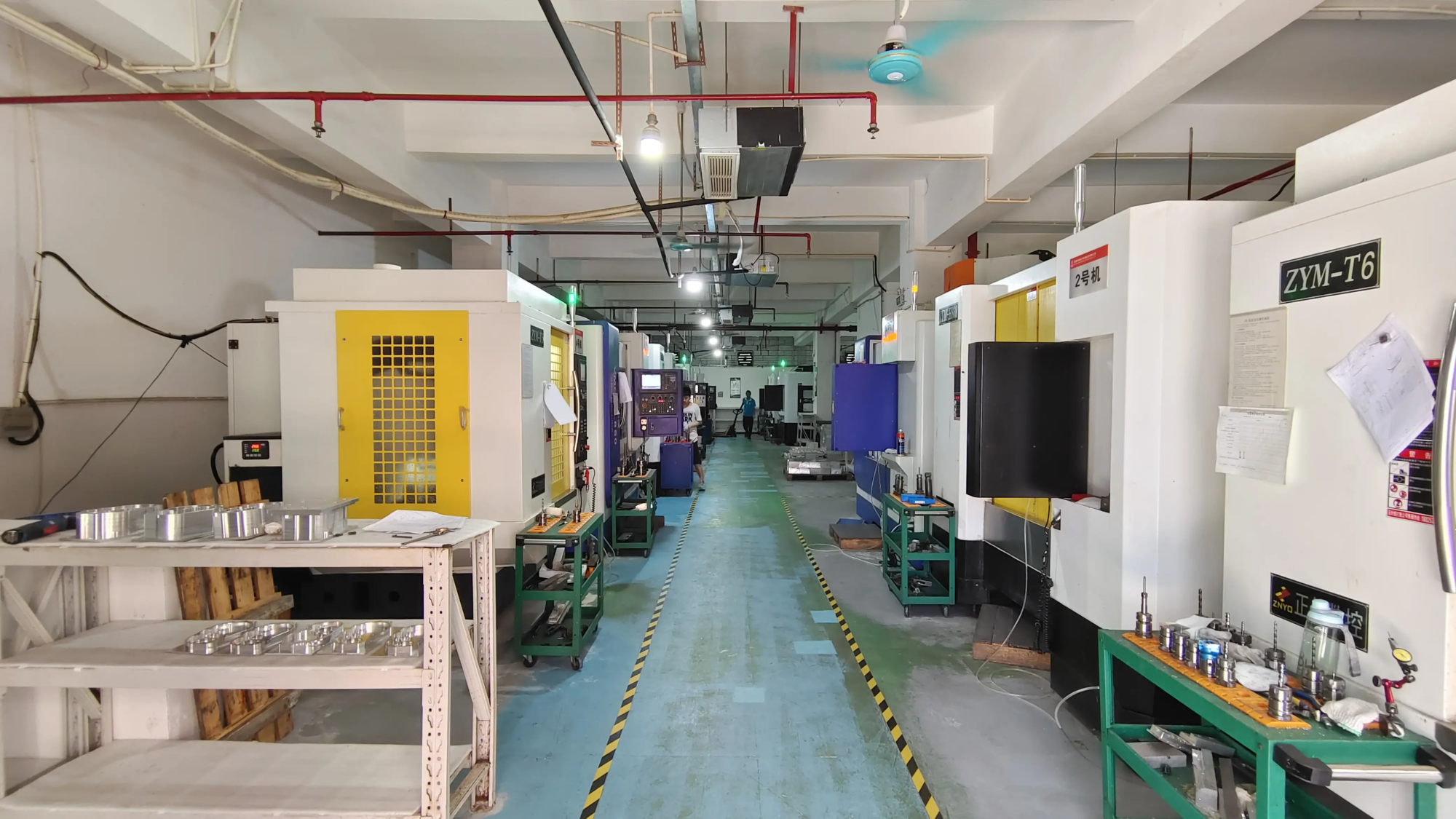
- Industrial comprehensive ventilation: The entire production floor is equipped with a robust engineered ventilation system that exceeds occupational safety requirements for air exchange rates.
- Strict operator safety protocols: Our technicians are extensively trained and equipped with appropriate personal protective equipment (respirators, gloves, goggles, protective clothing) all Powder handling and post-processing stages. Regular exposure monitoring ensures safety compliance.
- Post-processing controls: Techniques such as heat treatment (stress relief) or HIPing (metals) are performed in a controlled environment. Surface finishing (such as machining or grinding) uses dust removal.
- Materials expertise and traceability: We source high-quality powders with documented Safety Data Sheets (SDS) and maintain strict traceability, ensuring we understand and mitigate the risks associated with each alloy.
Keeping hobbyists and small shops safe
While industrial facilities prioritize tight controls, home or small workshop users must also prioritize safety:
- Plastic FDM:
- Active ventilation: Print in a well-ventilated room or an enclosed environment with active exhaust (fans blowing air) go out a window). Avoid bedrooms or living areas.
- Using shell: The casing helps contain particles and allows easier ventilation to the outside.
- Consider filtering: High-quality HEPA filters (such as activated carbon + HEPA) designed specifically for printer enclosures can significantly reduce UFP/VOCs.
- Choose safer materials: PLA generally emits less UFP/VOC than ABS or nylon. explore "Low VOC" filaments.
- Minimize exposure to: Avoid staying near the printer during operation.
- Wear personal protective equipment: Consider using a respirator with an appropriate filter (N95/P100 + VOC cartridge) during installation and removal.
- Metal/powder processing (rare for home metal printing): Due to explosion and inhalation risks, metal powder printing requires extra care outside of a typical home setup. Amateur handling of metal powders is strongly discouraged due to serious hazards.
Conclusion: Responsible innovation prioritizes safety
Concerns about potential cancer risks associated with 3D printing, which are primarily caused by emissions (UFP, VOCs, metal particles) released during printing and post-processing, deserve serious consideration. While definitive long-term epidemiological studies focusing solely on 3D printing are still in the mature stages, the dangers posed by 3D printing Element These emissions (certain volatile organic compounds and certain metal powders) are well-documented occupational health risks. Potential adverse respiratory effects and long-term carcinogenic risks require proactive safety measures.
Professional manufacturers such as huge light These risks are mitigated through comprehensive engineering controls: complete machine enclosures, inert atmospheres, robust HEPA filtration, industrial ventilation systems, strict operator personal protective equipment protocols and rigorous powder handling procedures. Our advanced SLM technology, backed by deep materials expertise and a commitment to safety, ensures rapid prototyping projects meet the highest quality standards without compromising operator health.
For users in smaller environments, especially FDM printers, diligent ventilation, filtration, and material selection are critical. Understanding potential hazards enables users to adopt safe practices and enjoy the benefits of 3D printing responsibly. As technology evolves and research continues, prioritizing emissions control and operator safety remains fundamental to a sustainable future for additive manufacturing.
Frequently Asked Questions (FAQ) About 3D Printing and Cancer Risks
Q1: Do 3D printers really cause cancer?
Answer: It is not accurate to say categorically that 3D printers "Causes cancer." The main focus is on Emissions Generated when printing. Certain emissions – such as certain volatile organic compounds (VOCs) from plastics (such as styrene in ABS) and fine metal particles (such as nickel or chromium powders) – are classified as possible or known Long-term inhalation of large amounts can produce carcinogens. A well-controlled industrial environment can greatly mitigate these risks. Uncontrolled household environments where certain plastics are used may result in elevated exposure levels.
Q2: Are metal 3D printers (such as SLM) safer than plastic printers?
A: Both procedures carry different risks. FDM plastic printing emits UFP and VOCs. The main risks with metal powder printing (SLM/SLS) are inhalation of fine particles and potential metal fume exposure during the melting process. Sustainable land management risks able Due to the toxicity and finer particle size of some metal powders, their content will be higher and require stricter industrial controls. Professional SLM manufacturers such as GreatLight implement strict containment, ventilation, and personal protective equipment protocols specifically designed to safely handle metal powders, making controlled environments possible "safer" Compare this to uncontrolled FDM printing at home using high-emitting plastics.
Q3: What is the safest plastic for home FDM printing?
A: PLA (polylactic acid) always produces significantly less ultra-fine particles and VOCs than ABS, nylon, PETG or resin printing. If indoor air quality is a concern, PLA in well-ventilated areas is generally the best choice among common filaments.
Question 4: Is it safe to be in the same room as a running FDM printer?
Answer: When used for a long time, especially when using filaments such as ABS or in a poorly ventilated space, Not recommended. Emissions accumulate. At least make sure there is good ventilation (open a window with an exhaust fan). Ideally, place the printer in a dedicated ventilation space or enclosure and consider air filtration. Avoid sleeping in the same room.
Q5: Is there any safety guarantee for residual powder in Honglaite metal prints?
Answer: Of course. Post-processing is an important part of GreatLight’s services. We meticulously remove unmelted powder from metal parts using techniques such as ultrasonic cleaning and high-pressure air/fluid systems. Processes such as hot isostatic pressing (HIPing) or machining can further densify the surface and eliminate residual powder. We prioritize parts that are clean, safe, and functional.
Q6: What specific measures has Honglaite taken to protect workers from metal powder hazards?
Answer: Safety is the most important thing:
- Engineering Controls: Sealed SLM chamber under inert gas, integrated HEPA filtration, negative pressure powder handling station with local exhaust ventilation (LEV), downdraft workbench.
- Personal protective equipment: The use of respirators (usually P3 level), gloves, goggles and specialized work clothes is mandatory during powder handling and parts cleaning. Washing protocols prevent contamination.
- train: Comprehensive safety training on hazard awareness, handling procedures, use of personal protective equipment and emergency response plans.
- health: Strictly follow hygiene procedures (no eating, drinking, hand washing in handling areas).
- monitor: Regular air monitoring to ensure compliance with occupational exposure limits.
**Q7: Should I be worried about using