Hidden dangers in the workspace: Understanding and mitigating carbon monoxide risks in 3D printing
The transformative power of 3D printing, especially metal additive manufacturing (AM) like selective laser melting (SLM), is undeniable. From complex aerospace components to complex medical implants, it is reshaping prototyping and production. However, alongside innovation and speed, there is often a silent, unseen threat lurking on the shop floor: Carbon monoxide (CO). Understanding and mitigating carbon monoxide risks is not just a regulatory issue – it is critical to operator safety and long-term workplace health.
Why does 3D printing produce carbon monoxide?
While filament-based FDM printers have their own emission profile (mainly particulates and VOCs), the CO risk is significantly higher in the processes involved High power lasers and reactive metal powdersespecially sustainable land management.
- Metal Powder Interaction: The core issue is the interaction of the intense laser beam with the metal powder raw material. Processes such as SLM melt metal powder (titanium, steel, aluminum alloys, etc.) layer by layer at extremely high temperatures (>1000°C).
- Chemical breakdown: At these extreme temperatures, incomplete oxidation reactions may occur. Residual oxygen or other contaminants within an inert atmosphere (argon or nitrogen) can react with hot metal vapors or particles to form large amounts of Carbon monoxide (CO).
- Powder degradation: Excessive heat or inefficient melting can also cause organic binders sometimes present in specialty powders or contaminants to partially decompose, releasing carbon dioxide.
- Process gas leaks: Maintaining a truly inert atmosphere is crucial. Leakage of oxygen ingress can exacerbate oxidation reactions and carbon dioxide production.
The Silent Killer: The Health Risks of Carbon Monoxide
Carbon monoxide is a colorless, odorless gas that poses serious health risks:
- Acute poisoning: CO binds to hemoglobin in blood about 250 times more efficiently than oxygen, forming carboxyhemoglobin (COHb). This greatly reduces oxygen delivery to tissues and organs. Symptoms range from headache, dizziness and nausea at lower levels to confusion, loss of consciousness and death at higher levels. In enclosed AM machine rooms or poorly ventilated rooms, dangerous carbon dioxide can build up quickly.
- Chronic effects: Even lower levels of long-term exposure (below the acute intoxication threshold) are associated with neurological effects such as cognitive impairment, fatigue, mood disorders, and potential cardiovascular problems.
- Safety hazards: High concentrations pose a flammability/explosion risk.
Reducing CO risks in metal 3D printing: proactive safety is key
Ignoring carbon monoxide risks is not an option. At GreatLight, safety is not a box-ticking task; It is integrated into our core industrial processes. Here’s how responsible manufacturers can reduce risk across the board:
-
Advanced machine design and atmospheric control:
- Strong seal: SLM printer must Features excellent chamber sealing that maintains a pure inert atmosphere (argon/nitrogen) and prevents oxygen from entering during printing.
- Precise atmosphere purification: Multiple automated vacuum and purge cycles before printing ensure that the oxygen concentration in the build chamber is reduced to trace levels (usually well below 100 ppm).
- Real-time monitoring: Integrated sensor continuously monitors oxygen levels Inside the build room. Significant oxygen increases automatically trigger safety protocols (process stop/purge).
-
Advanced filtration and ventilation system:
- High Efficiency Particulate Air (HEPA) Filter: It is crucial to capture the tiny metal particles released during the printing process. Although not gas specific, proper filtration can remove powder aerosols commonly associated with vapor/gas production.
- Activated carbon filter: A specially designed post-treatment filtration stage containing activated carbon adsorbent is essential. Activated carbon effectively adsorbs volatile organic compounds (VOCs) and Vent gases such as carbon monoxide before the exhaust gases leave the system.
- Direct source extraction: Integrating high-volume local exhaust ventilation (LEV) directly at the powder bed surface or laser interaction area effectively captures smoke and gases at the source.
- General room ventilation: Adequate, high-quality general dilution ventilation (HVAC) throughout the manufacturing facility ensures the safe removal of collected exhaust air and the continuous replenishment of fresh air to operating areas.
-
Strict Gas Detection Protocol:
- Fixed area monitor: Carefully arranged and calibrated CO detectors operating room Provides a critical second layer of protection. They activate an audible/visual alarm at well below hazardous levels (typically at 35 ppm TWA).
- Personal monitor: Operators who directly operate machines during setup, maintenance or powder handling wear portable gas detectors (multi-gas detectors that often include a CO sensor) as an immediate personal warning system.
- Regular calibration: Regular testing and calibration of all detectors ensures their accuracy and reliability.
- Comprehensive Operator Practice:
- train: Comprehensive safety training is required, covering carbon monoxide hazards, machine alarms, ventilation operations, emergency procedures and cylinder handling protocols.
- Personal protective equipment: Appropriate respirators may be required as supplementary control measures during specific high-risk tasks (powder loading/filter change), no Key Mitigation Measures.
- Process optimization: Skilled technicians optimize laser parameters and scanning strategies to minimize spatter and incomplete melting, thereby reducing potential carbon dioxide generation at the source. This requires deep process knowledge.
Why work with a safety-first prototyping partner like GreatLight?
When you’re sourcing rapid prototyping involving metal 3D printing, choosing a manufacturing partner involves more than just price and speed. Safety culture and risk mitigation infrastructure are critical:
- Technology investment: At GreatLight, we use state-of-the-art SLM printers, in part due to their superior chamber sealing, integrated gas monitoring, and powerful filtration capabilities. Our machines are maintained to strict standards.
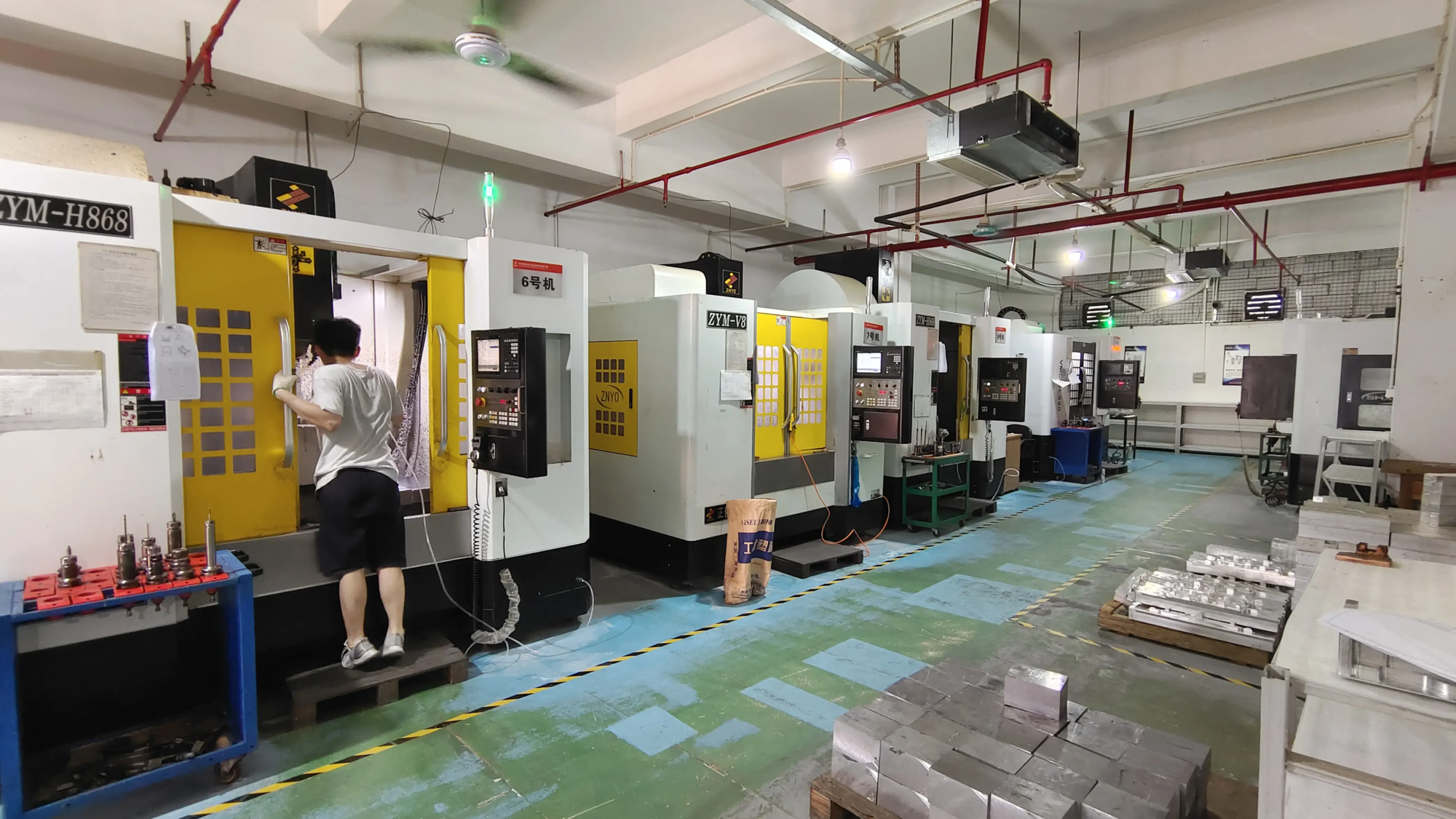
- Industrial Security Infrastructure: Our facilities utilize engineered LEV systems at each AM station, combined with high-capacity centralized HVAC and advanced filtration, including activated carbon scrubbers. Continuous CO2/ambient air monitoring networked with central control provides real-time safety assurance.
- Expertise and process optimization: Our engineers have in-depth knowledge of optimizing metal additive manufacturing processes for greater efficiency and Produces minimal emissions in a controlled environment. We understand the complex relationships between parameters and by-products.
- Powder handling expertise: Safety procedures minimize exposure throughout the powder life cycle (storage, handling, screening, recycling and disposal) while also mitigating the risks associated with reactive powders.
- One-stop security solution: From design consultation utilizing our DFAM expertise, to precision printing on our state-of-the-art SLM equipment, to our suite of expert post-processing services (annealing, HIP, CNC finishing and more) delivered in a purpose-built controlled environment. We manage the entire process chain, integrating security from start to finish, giving you peace of mind.
in conclusion
The incredible capabilities of metal 3D printing come with inherent responsibilities. Carbon monoxide risks must be recognized and proactively managed through a combination of engineering controls, rigorous testing, ventilation strategies, filtration technologies and comprehensive operating procedures. Neglecting CO2 safety can endanger personnel health, violate regulations and bring significant liability.
Selecting a rapid prototyping partner requires a review of their equipment inventory and delivery times. Assess their commitment to comprehensive risk management. At GreatLight, safety is non-negotiable. We relentlessly invest in the latest SLM technology, industrial-scale ventilation solutions, ongoing monitoring and unwavering safety protocols to ensure every custom metal prototype or part we produce meets the highest quality standards and Worker protection. Trust your critical metal components to a manufacturer that puts safety and precision first.
Frequently Asked Questions (FAQ)
-
Does everyone need to worry about the carbon dioxide produced by 3D printers?
While ventilation is always important, Desktop filament printer (FDM/FFF) Mainly emit fine particles and volatile organic compounds, with minimal carbon dioxide risk under normal conditions. Metal printer (SLM/SLS/DMLS/Metal FFF) Formed using high power laser/electron beam interaction with active powder Significant Carbon Monoxide Riskrequiring formal industrial control.
-
Can CO be detected by smell or visual inspection?
No. Carbon monoxide is Completely odorless and colorless. Relying on smell or visual cues is highly ineffective. Only calibrated electronic sensors may be used for detection. -
Is there a risk only during the printing process?
Although the risk is highest during active printing, there are also risks during non-operational phases: changing cylinders (argon/nitrogen), potential Leaks require access to the chamber before proper decontamination, powder handling (as powder can adsorb CO), routine maintenance requiring access to the chamber, powder screening/recycling and filter replacement. Correct procedures must cover all stages.
-
What CO detector should I install?
Industrial grade electrochemistry Fixed area monitor Designed for continuous workplace monitoring (often UL 2075 certified) and setting alarms according to OSHA/NIOSH guidelines (e.g., 35 ppm TWA alarm), critical for metal printing plants. Portable multifunctional gas meter It is also important that the operator wears it and calibrate it regularly.
-
Are air filters good enough to filter CO?
HEPA filters capture particles, but Do not capture gases such as CO. Effective relief needs activated carbon filter (specifically targeted at gases such as VOC and CO) integrated into the exhaust system and combined with powerful extraction and dilution ventilation. Never rely solely on filtration in the operating room.
-
My machine uses argon. Does this eliminate carbon monoxide risks?
Although the inert argon atmosphere suppresses the basic oxidation reaction of CO production, technical defects For example minor leaks allowing oxygen ingress, incomplete chamber purging before start-up, overheating events, powder contamination or decomposition processes can still lead to CO formation indoor. Even with argon, integrated chamber O2 monitoring and exhaust filtration/aftertreatment LEV are still critical.
- Why choose GreatLight over cheaper prototyping services?
In addition to competitive prices and fast delivery, GreatLight prioritizes safety, precision and responsibility. We use state-of-the-art, rigorously maintained SLM equipment and advanced safety systems in professionally designed industrial facilities. Our expertise ensures optimized printing, minimizing emissions while delivering exceptional part quality, and offers comprehensive, professional finishing services. Protect your operators and project integrity – trust our commitment to excellence and safety.