Protect your workspace: A closer look at 3D printer exhaust solutions
From rapid prototyping to complex end-use parts, the transformative power of 3D printing is undeniable. But amid the whirring engines and layer-by-layer creation, an unseen problem often arises: airborne emissions. Whether you’re exploring FDM machines in your home workshop or using advanced metal printing technologies like SLM in an industrial setting, managing 3D printer exhaust is not only optional, but critical for health, safety and product quality.
Understand the emissions challenge
Different printing processes and materials release different types of emissions:
- Ultra-fine particles (UFP): All thermoplastic extrusion (FDM/FFF) printers create these tiny particles by melting the plastic. They can penetrate deep into the lungs.
- Volatile organic compounds (VOC): Emitted in the form of gas, especially when printing with ABS, nylon or certain resins (SLA/DLP/LCD printing). These can cause respiratory irritation, headaches, and pose long-term health risks. Styrene (from ABS), formaldehyde and caprolactam are common culprits.
- Metal aerosols and nanoparticles: Metal additive manufacturing processes such as selective laser melting (SLM) and direct metal laser sintering (DMLS) involve high-energy lasers melting metal powders. This produces potentially hazardous metal fumes and fine particles (including nanoparticles) specific to the alloy used (nickel, chromium, titanium, etc.).
- ozone: Specifically produced by the high-voltage electronics in some resin printers.
Ignoring these emissions can lead to respiratory problems, allergic reactions, potential long-term health effects on operators, contamination of sensitive electronics within the printer, and reduced part quality due to airborne impurities deposited on prints.
Mitigation Strategies: Addressing Emissions Head-on
Effectively managing 3D printer emissions requires a strategic approach. Here’s a breakdown of proven solutions:
-
Ventilation – the first line of defense:
- Room ventilation: Ensure a continuous flow of fresh air into the print room and exhaust contaminated air outside through a dedicated HVAC system for air exchange. Assuming the outdoor air quality is appropriate, a simple window sash may be sufficient for occasional desktop FDM printing in a hobby environment.
- Local Exhaust Ventilation (LEV): This is more effective and important for closed/industrial environments or hazardous materials. LEV captures emissions directly at the source – ideally completely enclosing the printer or installing a range hood very close to the emission point. The contaminated air is then safely removed from the building through exhaust fans.
- importance: For industrial metal additive manufacturing systems such as SLM, integrating LEV into the machine housing is non-negotiable. High-efficiency particulate air (HEPA) filtration alone is often insufficient to filter metal fumes; extraction via LEV is critical.
-
Filtration system – clean circulating air:
- Activated carbon filter: Efficiently absorbs VOCs and unpleasant odors. They are an important part of solutions designed for resin printers and printers using common plastics such as ABS. When they become saturated, regular replacement is crucial.
- HEPA filter: Captures extremely fine particles (as small as 0.3 microns with 99.97% efficiency), including UFPs produced in FDM printing and most allergenic/non-allergenic dust. This is critical when recirculating air within the workspace or as an advanced pre-filter is required.
- Combined filter device: The gold standard for enclosed desktop printers or self-contained filtration systems. These devices typically combine multiple layers: pre-filter for large debris, HEPA for fine particles, and activated carbon for VOCs/gases. An effective unit provides detailed air quality index (AQI) readings and ensures seal integrity.
-
Attachment – contains questions: Whether aftermarket or built-in, the printer is included:
- Isolate emissions from confined spaces.
- LEV systems work efficiently by preventing contaminated air from escaping into the room.
- Maintain a stable printing temperature (especially beneficial when using ABS for FDM printing).
- Significantly reduces noise.
- For metal printing (SLM/DMLS), a rugged enclosure with inert gas atmosphere control is the essential component, integrating directly with the high-volume LEV system to handle powder handling, print exhaust and chamber purge events.
- Inert gas protection and management: In SLM/DMLS printing:
- An inert gas (argon or nitrogen) fills the build chamber to prevent oxidation of the molten metal.
- This gas carries away evaporated metals and particles. Efficient LEV systems can safely capture and remove this contaminated airflow.
- For economic and environmental reasons, complex systems often include gas recirculation loops with high-efficiency filtration to remove particulate matter before returning clean gas to the chamber.
Choosing the right solution: factors to consider
The best exhaust solution depends largely on:
- Printer types and technologies: Desktop FDM vs. enclosed SLA vs. industrial metal SLM have very different emission profiles and mitigation requirements.
- Materials used: PLA produces fewer VOCs than ABS or PC; resin releases significantly different compounds than filament; and metal alloys have specific smoke hazards.
- Printing environment: Home office, classroom, shared makerspace, industrial lab, or commercial factory? Occupancy density matters. hydroxyl
- Print frequency and duration: Occasional use versus continuous production runs.
- Regulations and Standards: Workplace exposure limits (OSHA PEL, ACGIH TLV) must be adhered to in professional settings. Local building codes dictate exhaust requirements.
- Budget and Feasibility: Hardware cost, installation complexity, filter replacement costs and energy consumption.
Industrial Excellence: The GreatLight Promise for SLM 3D Printing
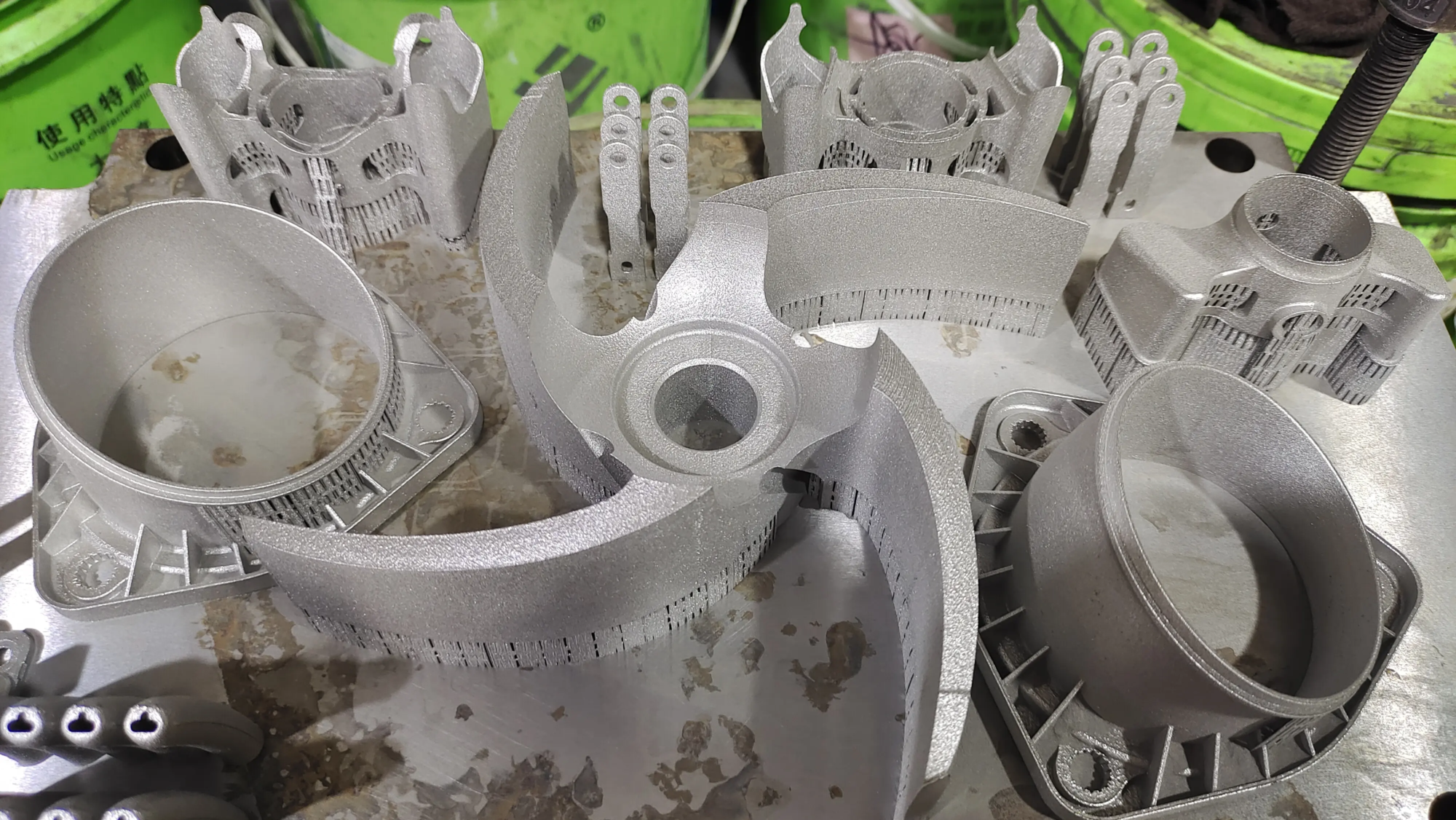
Managing emissions is not just a health issue; It is an integral part of producing high-quality, reliable components. GreatLight is a specialist leader in rapid prototyping and precision manufacturing, and we operate some of the most advanced SLM 3D printers around the world. Understanding the inherent challenges of metal powder bed fusion, we prioritize comprehensive off-gas management protocols:
- Our SLM machines feature precision, sealed housings and are actively purged and maintained under inert argon gas.
- The integrated high-capacity LEV system continuously captures the smoke-laden airflow generated during melting and powder handling, ensuring strict compliance with workplace air quality standards and safeguarding operator health.
- Proprietary filtration and gas handling systems in our SLM setup maximize efficiency and minimize waste.
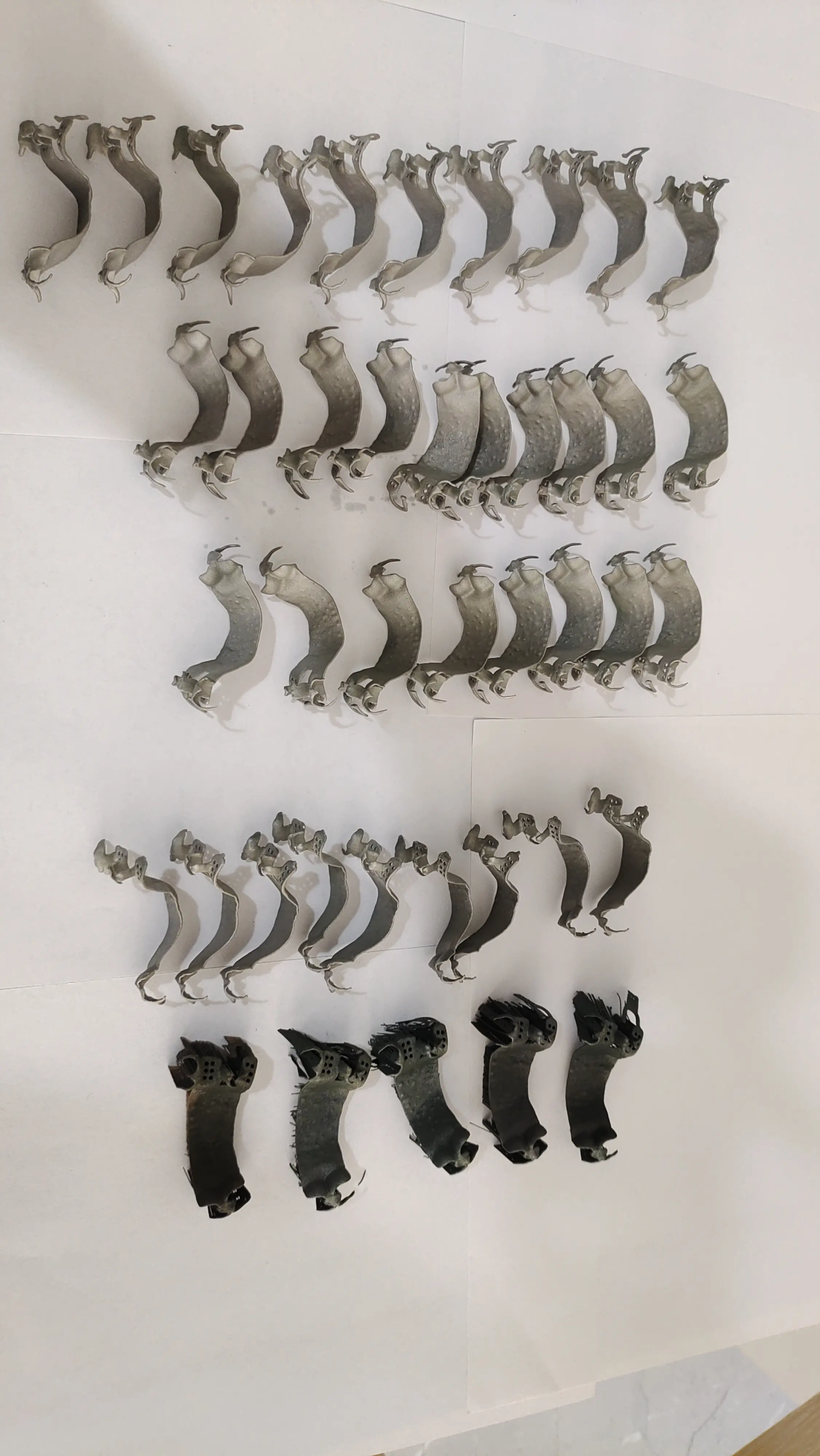
- This meticulous environmental control translates directly into superior metal part quality – minimizing oxidative contamination and ensuring mechanical performance meets stringent aerospace, medical and industrial specifications.
In addition to printing, GreatLight offers a wide range of kits One-stop post-processing and finishing services (Including heat treatment, CNC machining, surface finishing, assembly) – all performed under controlled conditions ensuring safety and quality consistency. We focus on delivering quickly Custom precision machined prototype parts Machining in a wide range of metals is possible with our integrated additive/subtractive capabilities.
in conclusion
Implementing an effective 3D printer exhaust solution is more than just an optional accessory; it’s fundamental. It protects the health of operators and bystanders, prevents environmental contamination within the workspace, and guarantees equipment longevity and print quality. Whether you’re a hobbyist working with PLA or an engineer specifying titanium SLM parts, proactively addressing emissions issues is the responsible thing to do. By understanding the risks and working to apply appropriate controls (utilizing ventilation, filtration, enclosures and strong industrial gas management), we ensure that the incredible advancements in 3D printing can continue safely and sustainably.
FAQ: Your 3D printer exhaust questions answered
Q1: I mainly use PLA for printing on my home desktop printer. Do I really need venting/filtration?
Answer: Although PLA is usually considered "safer" Although filament emits fewer volatile organic compounds than ABS, it still produces large amounts of ultrafine particles (UFP). It is highly recommended to at least print in a well-ventilated room (open windows to allow for a breeze) or use a printer enclosure connected to a filtered exhaust system, especially for long printing periods or in occupied spaces.
Q2: Can’t I put the printer in a closet or garage?
A: While isolating printers can be helpful, closets without active ventilation will only accumulate contaminants and become dangerous when opened. Garages may lack temperature stability and involve other contaminants. Ventilation (outdoor exhaust) or active filtration within the enclosure are the best methods.
Q3: Which type of filter is best for VOCs in resin printing?
A: Activated carbon is essential for capturing harmful resin VOCs like styrene and acrylates. Make sure your resin printer’s integrated filter uses high-quality activated carbon and is replaced regularly according to manufacturer guidelines. A stand-alone air purifier near the printer must also contain substantial carbon filtration.
Q4: Are HEPA filters sufficient to filter metal 3D printing smoke?
Answer: Generally speaking, no. While HEPA captures fine particulate matter, metal AM fumes (especially from SLM/DMLS) often require active extraction (ventilation to the outside) due to the nature, quantity and potential toxicity of the nanoparticles produced. HEPA filtration recirculation possible be used back Source capture extraction systems in complex industrial installations, but the exhaust gas is the main one. Using a recirculation filter alone is not sufficient and is potentially dangerous to metals.
Q5: What are the signs that my exhaust system is not working effectively?
A: Visible smoke or odor lingering in the room, visible dust deposits near the printer, unusual irritation (eyes, nose, throat) or headaches while printing, increased cleaning needed around the printer, and increased inconsistencies/failures that may be related to air contamination in the printing room are all red flags.
Q6: I need metal prototypes made by SLM/DMLS. How can manufacturers ensure that emissions are handled safely?
A: Prioritize manufacturers like GreatLight who clearly state that they adhere to strict environmental, health and safety (EHS) protocols. Ask about their printer LEV systems, inert gas management, powder handling procedures, and workplace air quality monitoring certifications related to metal additive manufacturing processes. Reputable manufacturers have invested heavily in this infrastructure.
Prioritizing effective off-gas management ensures that your 3D printing journey, whether it is personal prototyping or industrial production, is both innovative and safe. Choose your solutions wisely and breathe easier.