introduce
In the world of 3D printing, accuracy is not just about microtome settings or calibration, but also about mechanical maintenance. Lubricating the moving parts of your printer may seem trivial, but Grease is the unsung hero of longevity, precision and quiet operation. Whether you are running an FDM, SLA or industrial metal printer, ignoring this can lead to costly failures. Let us demystify 3D printer grease to ensure your machine runs smoother, longer.
Why Grease Matters: More Than Just the Slippery Stuff
Motion systems (linear guides, screws, bearings and rods) are exposed to friction every day. No lubrication:
- Friction accelerates weargrinding parts.
- increased noise As metal-to-metal contact intensifies.
It also protects against corrosion and contamination, prevents dust accumulation and stabilizes performance.
Grease Type: Choose Your Protectant
Not all greases are created equal. Make an informed choice based on compatibility, temperature elasticity and viscosity.
-
Lithium grease
- most suitable: Entry-level printer (PLA/ABS workloads).
- advantage: Affordable, versatile, good adhesion.
- shortcoming: Thinning at high temperatures (>200°C); attracts dust.
-
Polytetrafluoroethylene (Teflon) grease
- most suitable: High-precision printer (metal core, closed system).
- advantage: Low friction, can withstand 300°C+, resistant to chemical corrosion.
- shortcoming: Higher price; over-application can clog the extruder.
-
Synthetic grease
- most suitable: Industrial or high-speed settings (e.g. CoreXY, Delta).
- advantage: Stable at extreme temperatures (-40°C to 250°C) with minimal oxidation.
- shortcoming: If not compatible, the performance of the rubber seal may be reduced.
- Silicone grease
- most suitable: Rubber parts or resin printers (UV tanks, seals).
- advantage: Waterproof, does not react with plastic.
- shortcoming: Avoid on metal bearings – may cause slipping.
Skip the Vaseline or WD-40– They attract debris and evaporate quickly!
How to apply: Clean wipe method
Step 1: Deep Clean
Remove rails/screws. Use isopropyl alcohol (IPA) and a lint-free cloth to degrease. Remove old grease, dust or metal shavings.
Step 2: Apply sparingly
Using a syringe or toothpick, add rice-sized beads of grease to:
- Lead screw thread
- Straight rod bearing point
- Bearing race
Avoid using belts or electronic parts!
Step 3: Cycle and Wipe
Move the shaft manually to distribute the grease. Wipe off excess grease with a clean cloth – excess grease can trap dust.
Signs that it’s time to re-grease
- Scratching/grinding noise During exercise.
- Uneven layer lines Or move the middle print.
- rigid axis motion When pushed manually.
- There is obvious rust, gunk or dried grease on the parts.
Best Practices for Longevity
- frequency: Reapply every 300-500 printing hours (or every six months).
- environment: Avoid damp/dusty spaces; use enclosure.
- quantity: Less is more – aim for ultra-thin coatings.
Why precision machining requires precision lubrication
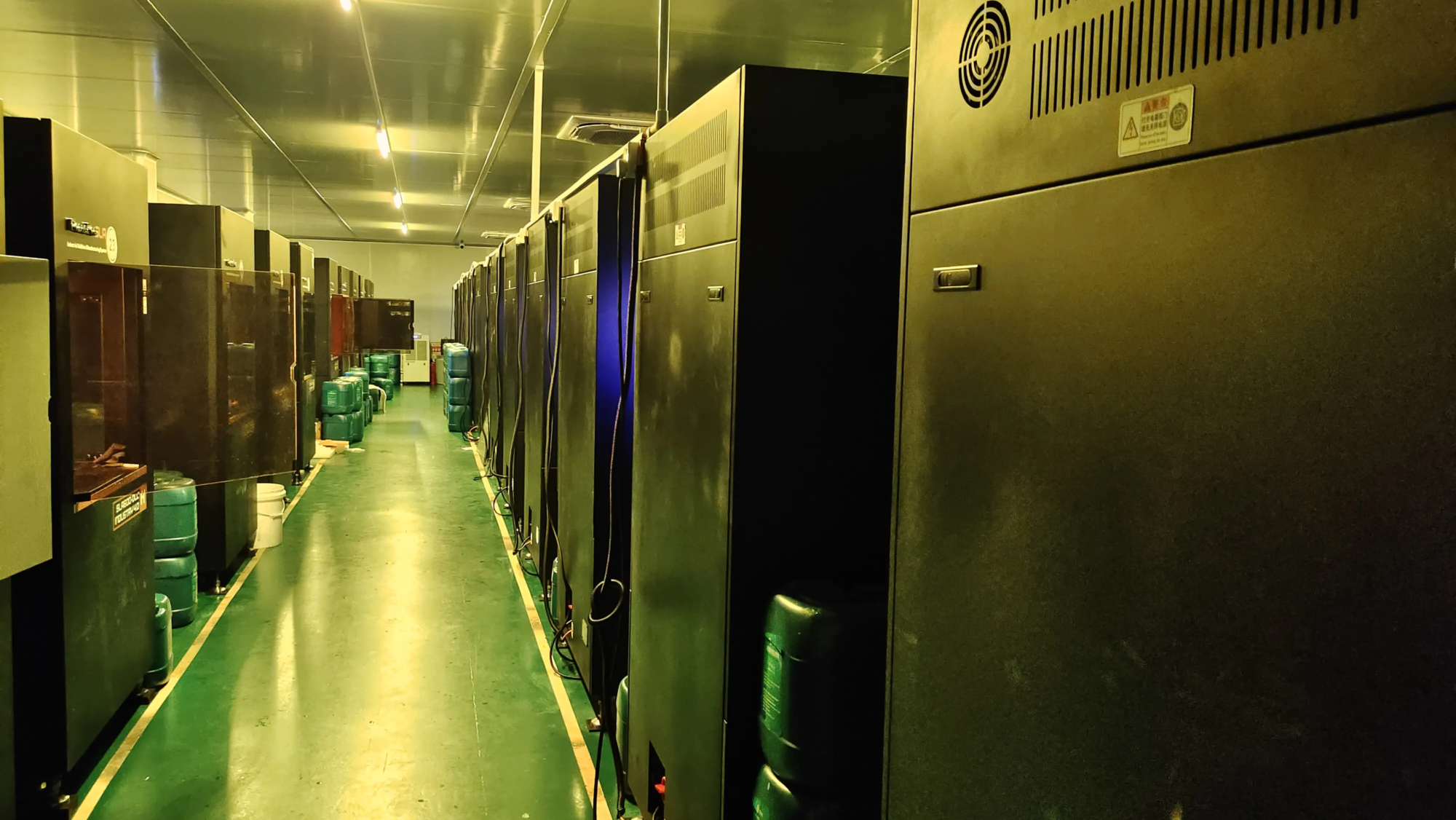
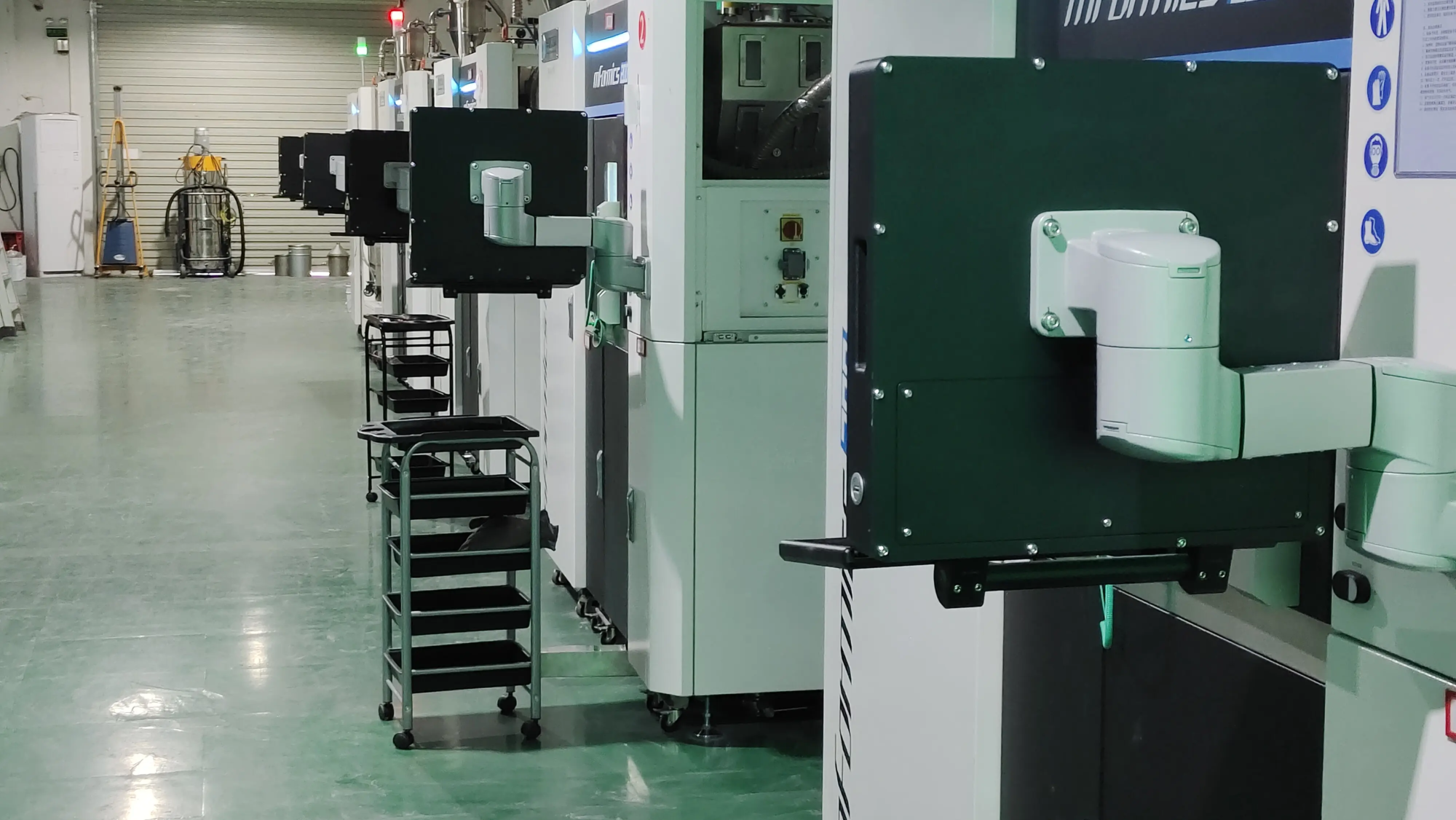
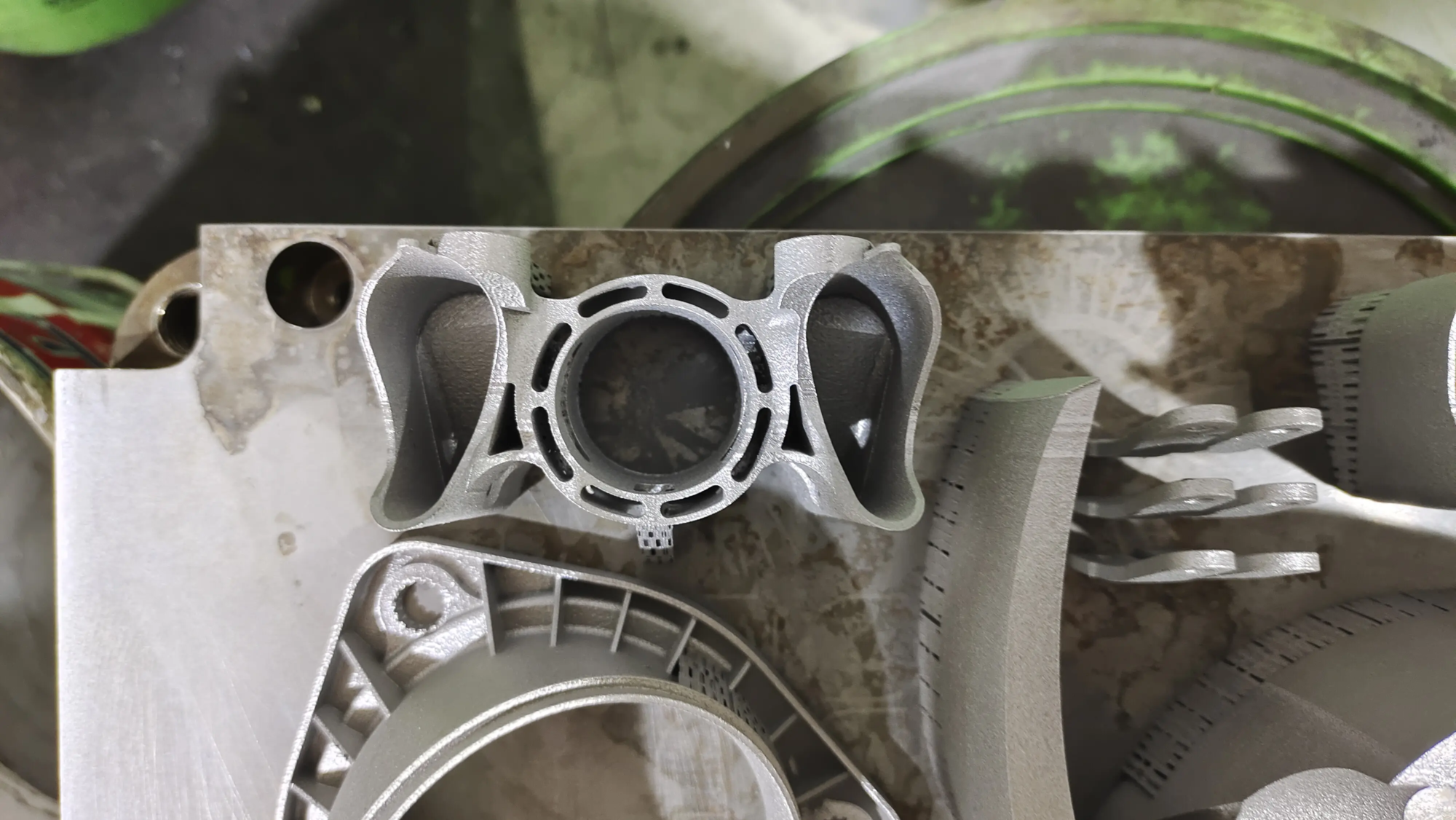
exist huge lightwe saw firsthand how lubrication impacts high-end prototyping. Our SLM metal 3D printers require meticulous lubrication protocols for aerospace/medical parts, where micron-level deviations are important. combined with our One-stop CNC post-processingcalibrated lubrication ensures perfect tolerances. From titanium to Inconel®, we engineer for longevity—without compromise.
FAQ
Q1: Can I use automotive grease on a 3D printer?
Avoid it! Automotive grease contains additives that are harmful to plastics and may melt at printing temperatures. Stick with PTFE or synthetic materials.
Q2: What should I do if the printer belt is stained with grease?
Wipe immediately with IPA. Belt slippage can cause layers to shift. Keep grease away from belts/pulleys.
Question 3: How often should resin printer components be lubricated?
Focus on Z-axis screws and tank seals. Apply silicone grease every 150 resin prints or quarterly.
Q4: Are “dry lubricant” sprays a good choice?
Not recommended – the spray will thin out quickly and contaminate electronic equipment. Stick to pasty oils.
Q5: Will over-lubrication damage my printer?
Yes! Excess grease attracts dust and creates abrasive sludge. Apply sparingly and wipe away residue.
in conclusion
Think of grease as your printer’s insurance policy: a small investment today can prevent catastrophic wear and tear tomorrow. Whether you’re printing prototype gears or aerospace meshes, the right lubricant keeps motion smooth and prints dimensionally accurate. Remember, never skip cleaning in the first place, choose a temperature-compatible grease, and maintain moderation.
For manufacturers Push the boundaries of rapid prototyping, e.g. huge light——Precision lubrication is non-negotiable. We use it every day for metal SLM printing and CNC finishing of copper, aluminum, tool steel and ceramics. Need complex nesting? Custom geometry? Ask us one week turnaround For precision parts certified to military specifications. Because even greatness needs lubrication.
Customize the future of your project – contact GreatLight for industrial-grade 3D printing. Price to precision design.