When 3D printing memes became a reality: Lessons in laughter (and failure)
The 3D printing community thrives on innovation and precision…and an equally vibrant tradition of hilarious failure. From spaghetti monsters that emerged from the print bed to miniature sculptures that were forever fused to a raft, enthusiast forums and social media are awash with iconic memes spawned by real-life filament fiascos. While these moments deliver laugh-out-loud comedy gold, they also offer valuable lessons that highlight the complex interplay of art and science behind successful printing. For professionals, they highlighted why precision manufacturing requires specialized knowledge.
Let’s take a deep dive into some legendary meme categories and the technical challenges behind them:
1. The emergence of the spaghetti monster
Memes: The print starts off strong… then drops into a messy, tangled mess of filaments that resembles overcooked pasta, often with a jumbled extruder nozzle staring back at its creation. Attachment: "Prints great, I swear!" or "3D printers determined modern art."
fail: This is the king of failure—— Interlayer adhesion failure leading to catastrophic delamination. Reasons abound:
- Poor bed adhesion: The foundation failed. Bed deformation, incorrect Z-axis offset, dirty build plate, or insufficient bed temperature.
- Temperature and cooling: Printing at too low a temperature can cause the layers to fuse; overcooling, especially overhangs, can cause warping and peeling.
- Clogged nozzle/low output: Partial blockage causes a lack of compression, weakening the layers until everything collapses.
- Sudden movements/twitches: Knocks on the printer, table collisions, or excessive movements can loosen the model.
lesson: A stable foundation is important. Calibration profiles are important. Temperature control is important. Technology catching errors forward Fettuccine. A professional setup eliminates these variables.
2. The bench turns into a spotted monster
Memes: The harmlessly calibrated Benchy ship model instead clings desperately to the hot end as an amorphous molten blob. "When Benchy forgets its purpose" or "Abstract art mode is activated."
fail: This nightmare is caused by a process escaping control.
- Thermal runaway: A faulty thermistor can cause the hot end to overheat uncontrollably, melting the filament into a gooey mess that directly surrounds the extruder. Serious safety hazard!
- Severe over-squeezing: Large amounts of excess deposited plastic quickly accumulate around the nozzle.
- huge "elephant foot": The extreme compression of the first layer expands dramatically outward.
- Massive layer transformation: The layers become so misaligned that stacking becomes impossible, creating chaotic blobs.
lesson: Precision requires control and safety. Preventing thermal issues requires reliable sensors and firmware. Even the flow rate must be precise. Professional systems prioritize reliability and security protocols well beyond consumer machines.
3. Various charming prints
Memes: A couple (sometimes figures, sometimes objects) are introspective… permanently fused together in a compromised position due to gaps or insufficient support. "#FirstLayerDateNight" or "When support fails."
fail: Balancing complex geometry and motion without merging parts can be tricky.
- Minimum feature size ignored: Design gaps smaller than the nozzle diameter (default 0.4 mm) or XY resolution guarantee fusion.
- Lack of support: Bridges over the gap sag, with overhangs curling upward to collide with nearby surfaces.
- Traffic is too large: Over-squeezed plastic can expand sideways, filling in unexpected gaps.
- Poor cooling: Slow cooling allows the plastic to remain molten for longer, increasing the risk of sagging and bumping.
lesson: Design for manufacturability (DFM) is critical. Knowing the printer resolution (DPI equivalent) prevents blending functionality. Expert designers anticipated these pitfalls.
4. Eternal Bonds: Printable Version
Memes: Print beautiful objects without chisels, heat guns, prayers or sacrificial build plates with zero chance of removal. "for better or print" or "Until adhesions separate us."
fail: Overachieved on the first layer of adhesion.
- Overzealous Squeeze: Set Z axis offset Way Too low will cause the filaments to flatten excessively and blend into the build surface texture.
- "elephant foot": Less severe but common – the bottom layer squeezes and splays outward, locking into the bed.
- Too much heat: Extremely high bed temperatures are combined with materials that tend to stick, such as PETG.
- Wrong surface: The risks of printing PETG onto regular glass without a release agent are well known.
lesson: Release is as important as adhesion. Expert craftsmanship includes calibrated offsets, precise surface selection, release agents and specialized removal techniques.
5. Unexpected material transformations
Memes: Trying to print PLA results in a brittle, crumbly mess that resembles polystyrene popcorn. Alternatively, printing PETG would somehow produce an invisible gas that is said to turn nearby plants blue overnight. Attribution: "MSDS sheet jokes are what they write themselves."
fail: Material handling accidents can damage prints.
- Degradable filament: Old, moist filaments (especially PLA) become brittle, crack (moisture boils off), and break, causing layer adhesion failure and poor print results ("PopcornPLA").
- Material misuse: Trying to force inappropriate settings on the material (eg, printing PLA overheating, printing ABS without a shell).
- Myths and Misinformation: Although PETG exhaust gas will affect plants Still a controversial internet mythimproper handling of materials (wrong temperatures, contaminants) can produce unpredictable results.
lesson: Materials science is important. Proper drying protocols, understanding material properties (temperature needs, warpage tendencies, toxicity) and preventing cross-contamination are critical. Specialized facilities strictly control the storage and handling of filaments.
Conclusion: Laughter aside – accuracy matters
While we laugh at bench spots and spaghetti spirals, these "meme fail" Not just random accidents. They are tangible proof of the myriad complexities involved in 3D printing – complex calibrations, thermal dynamics, material science nuances, mechanical precision and design constraints. get it consistently Yes, especially for demanding metals such as titanium or Inconel used in rapid prototyping for aerospace, medical or automotive applications, engineering grade equipment and deep operational expertise are required.
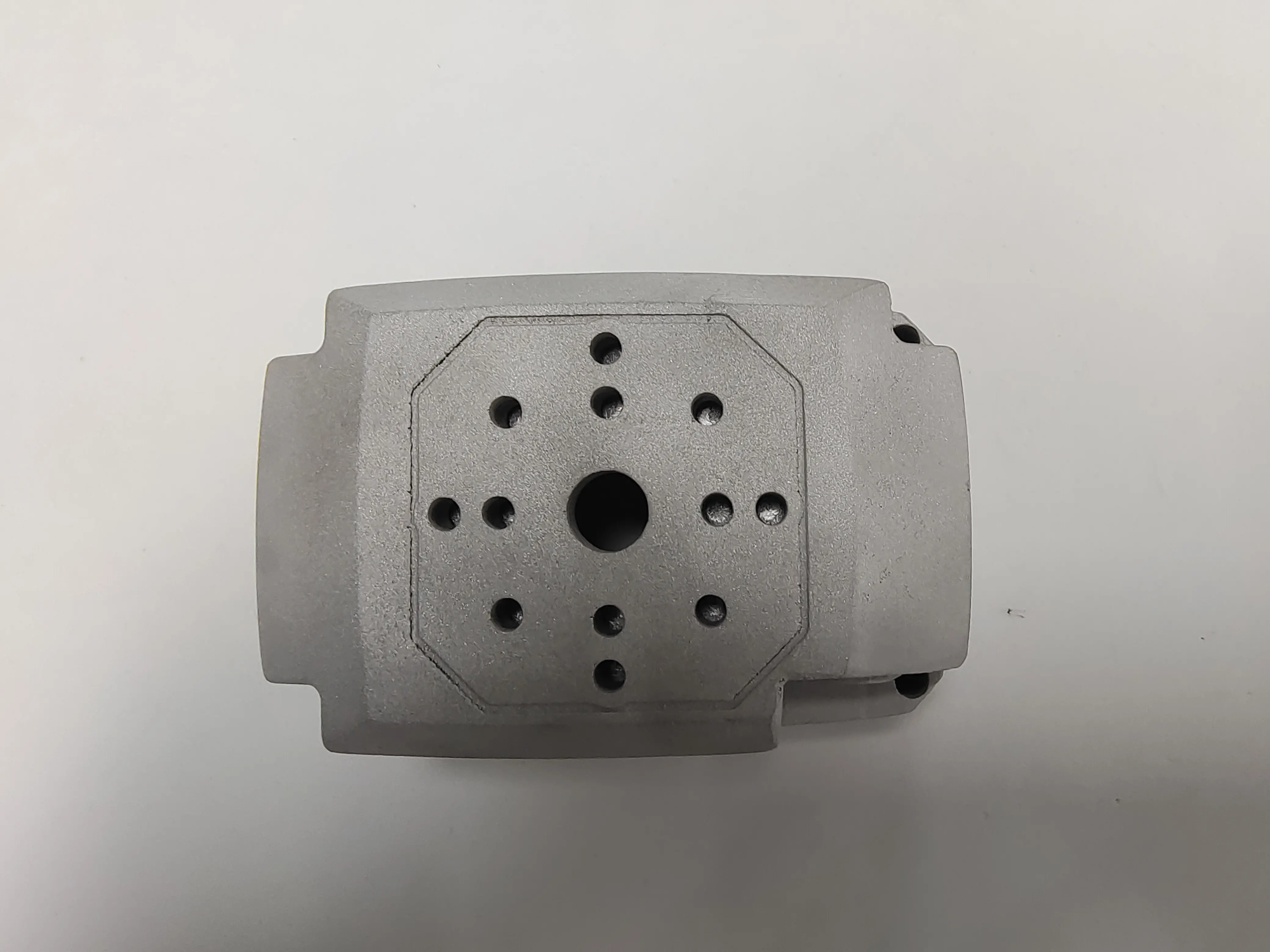
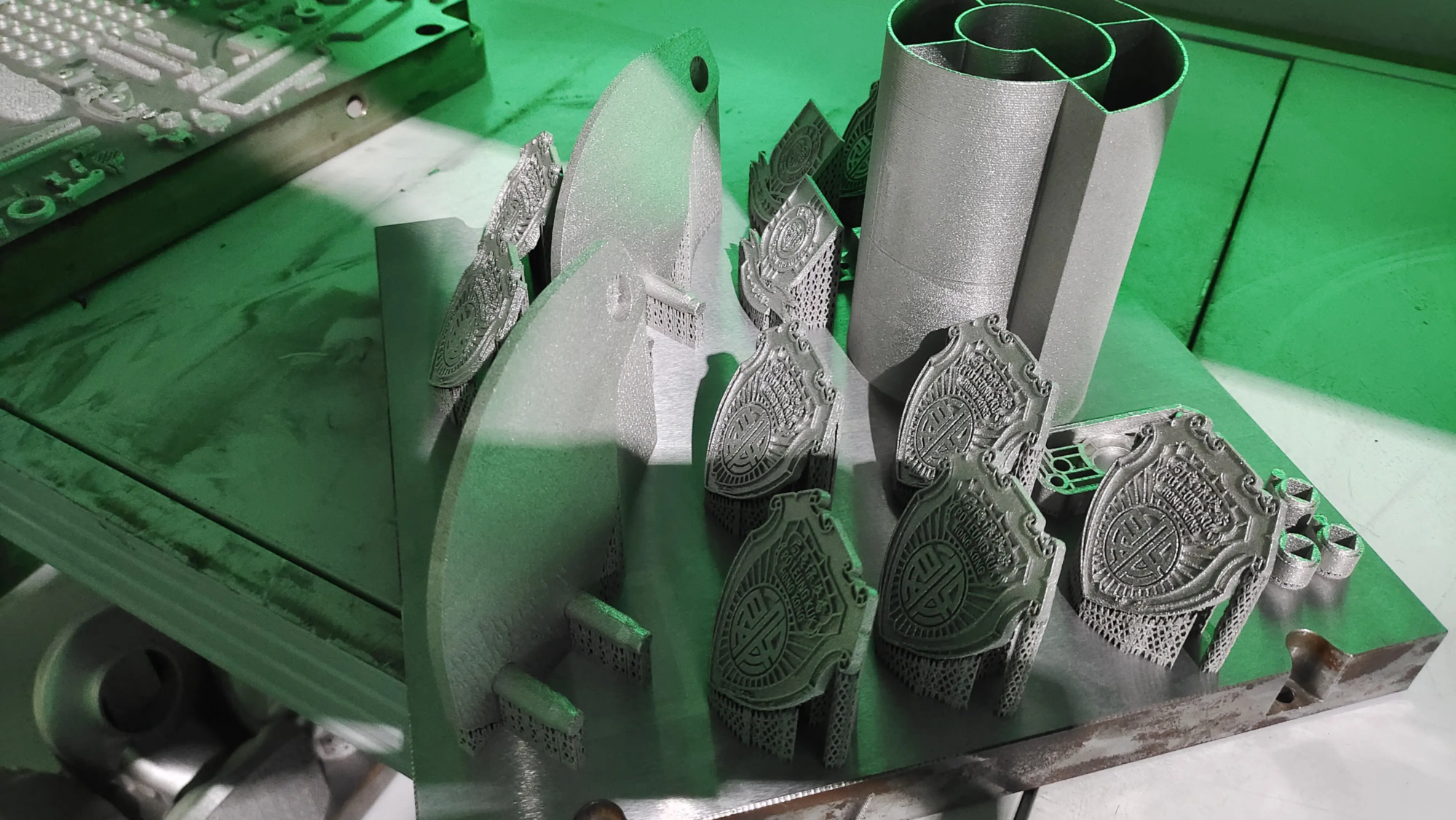
This is where relying on a qualified professional partner to turn frustrations and humorous failures into reliable, high-quality results. GreatLight utilizes advanced Selective Laser Melting (SLM) technology, strict process controls and extensive materials knowledge to ensure metal prototyping avoids the pitfalls of hobbyist printing. Our comprehensive one-stop approach handles design optimization, printing, complex post-processing (such as heat treatment, support removal, complex machining, surface finish) and meticulous quality assurance – delivering precision parts, Worknot a meme.
Tired of expensive filament failures or need guaranteed accuracy? Skip the troubleshooting saga and contact GreatLight today for a seamless rapid prototyping experience.
FAQ: Beyond Failure – Answers to your professional prototyping questions
Question 1: Why shouldn’t I just use a cheap desktop printer for rapid prototyping?
A: While hobby printers excel at casual experimentation and simple PLA models, they fundamentally lack the precision, control, reliability, materials capabilities and build room environment required for functional metal prototyping. Achieving consistent dimensional accuracy, complex geometries, high-strength metallurgy, and stress-free parts requires industrial SLM/DMLS systems and expert operation from GreatLight.
Q2: What metals can be printed by Hongguang 3D?
A: We specialize in various metals suitable for demanding applications: titanium (Ti6Al4V), stainless steel (316L, 17-4PH), aluminum alloys (AlSi10Mg, Scalmalloy), nickel-based superalloys (Inconel 718, 625), cobalt-chromium alloys (CoCr), tool steels (maraging steel, H13) and pure copper. Most materials can be customized or machined to specifications.
Q3: In addition to printing, what other post-processing services does Honglaite provide?
A: Our comprehensive one-stop service includes the necessary post-processing steps critical to functional parts:
- Support removal: Precisely remove complex SLM supports without damaging delicate features.
- Heat treatment: Stress relief annealing, hot isostatic pressing (HIP) to reduce porosity.
- CNC machining: Achieve tight tolerances on critical surfaces and interfaces.
- Surface treatment: Sandblasting, polishing, electropolishing, various anti-corrosion or aesthetic coatings.
- Non-destructive testing/quality control: Thorough inspection (dimensions, microstructure, mechanical testing).
Q4: How fast "rapid prototyping" Really?
A: SLM significantly reduces lead times compared to traditional manufacturing methods (weeks/months). We prioritize speed: Complex metal prototypes can often be produced in sky. The exact time frame depends on part size/complexity, materials, post-processing required and current production capacity. We emphasize "quickly" Through optimized workflows and efficient production.
Q5: How to get a quote for a custom metal prototype?
A: Getting a quote has been simplified:
- Send us your data: Upload your detailed CAD files (STEP, STP, IGES preferred) via our web portal, email or contact form.
- Specify requirements: Detail material selection, quantities, required tolerances (+/- mm), surface finish, heat treatment requirements and post-processing steps.
- Expert review: Our engineers analyze designs for manufacturability and optimize where necessary.
- Instant quote: We provide competitive quotes based on materials, machine time and post-processing costs.
Our advanced SLM systems and expertise ensure your prototypes avoid the pitfalls of amateur printing and deliver reliable, high-performance metal parts on time and on budget.