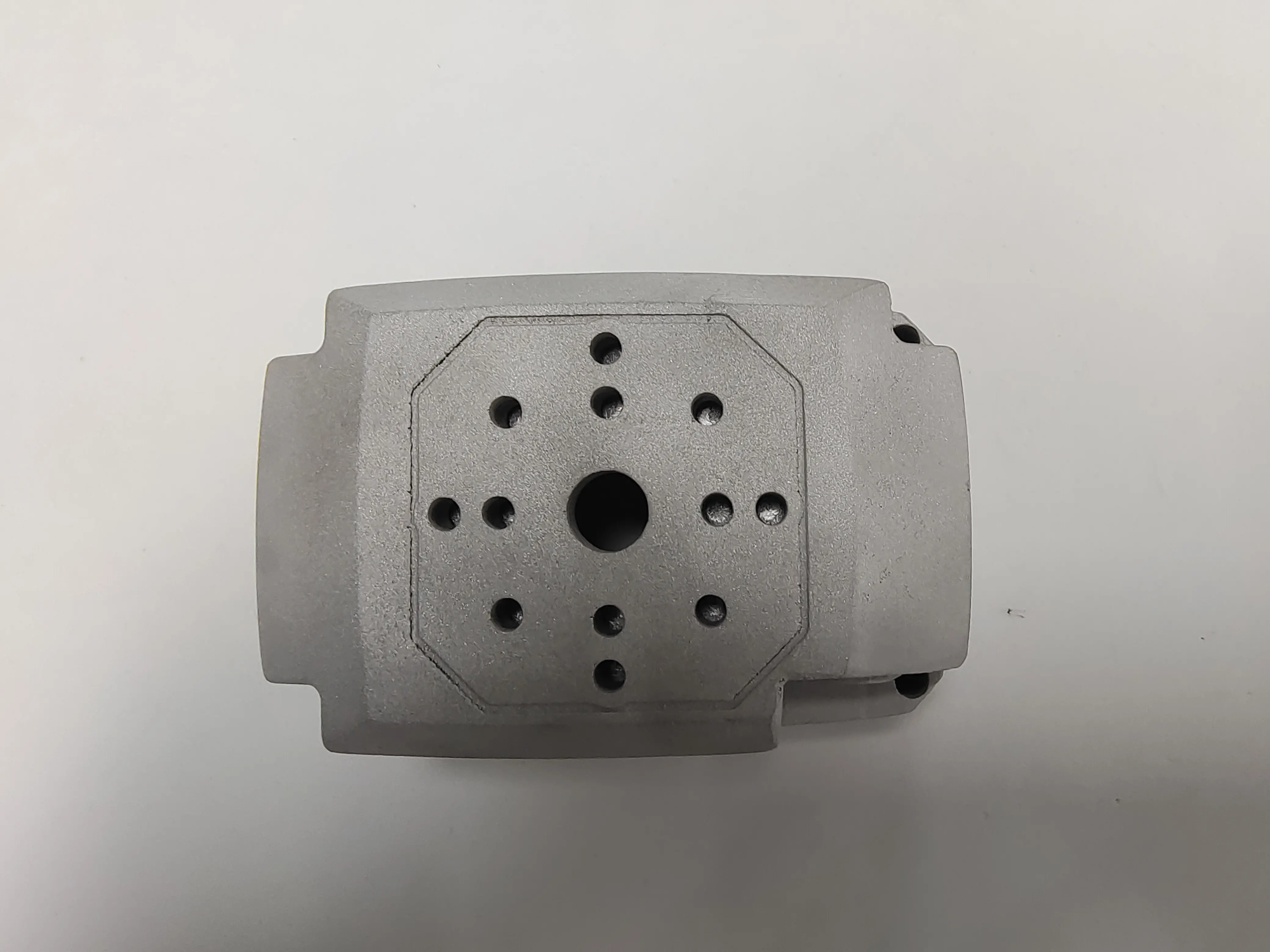
Invisible by-products: processing 3D printer poop and turning waste into treasure
Anyone who has used a fused deposition modeling (FDM) 3D printer knows the process: you start printing with high hopes, but along with your masterpiece comes the inevitable, less than glamorous output – 3D printer poop. This catch-all term covers the waste consumables produced during the printing process: support structures, purge lines, rafts, skirts, printing errors, test patterns, and even the dreaded nozzle cleaning cycle. As 3D printing expands from hobbyist workbenches to industrial production lines like those used professionally by companies, huge lightthe leader in rapid prototyping with advanced SLM metal printers – dealing intelligently with this waste is critical to both economics and sustainability.
Learn about the anatomy of printer poop
Before we dive into the solutions, let’s break down the problem:
- Support/Raft/Skirt: Critical for stable printing or ensuring adhesion, especially with complex geometries or warped materials. They account for a large portion of waste, often exceeding the weight of the printed part itself in complex designs.
- Cleaning line/wiping cloth: Extrude filament to fill a nozzle, clear out previous material, or calibrate flow before the main print. Essential for print quality, yet pure "Start waste."
- Printing failed: Objects detached from the bed, experience layer shifting, under-extrusion, seaming, or suffer catastrophic errors. These can sometimes be quite large.
- Nozzle cleaning: Remove filament strands during maintenance to completely remove blockages or transitions between materials.
- Test print mold/calibration workpiece: Tiny calibration cubes, temperature towers or bridge tests add up.
This waste mainly involves FDM printing, where thermoplastic is extruded. While resin printers also face challenges with liquid waste, FDM waste directly contributes to the growing plastic pollution problem. Industry estimates suggest waste rates range from 5% to 45% Amount of filament purchased, depends on print complexity and user skill!
Beyond the Bin: Creative Recycling Ideas for Printer Poop
Throwing scrap silk into the general trash is not only wasteful; This is an environmental burden. Thankfully, innovative enthusiasts and forward-thinking companies are pioneering ways to give printer poop a new lease of life. Here’s how to change your waste stream:
-
Reprocessing into new filament (DIY and commercial):
- DIY filament extruder: The holy grail for professional recyclers. Equipment like Filastruders or Felfil Evo allow you to crush waste plastic (using a dedicated shredder or improvised methods) and extrude it into new filament spools. This requires tremendous effort: proper comminution, thorough cleaning, consistent melt temperatures and precise extrusion diameters. It’s great for pure PLA waste streams, but gets complicated with mixed materials, colors or composites. The result? Customized, colorful recycled filament!
- Commercial Recycling Services: Services such as Redetec precious plastic Or local manufacturing labs sometimes accept clean PLA waste for recycling into filament. This alleviates complexity and supports wider recycling efforts. company likes huge lightFocused on sustainability, a closed-loop recycling system is being explored internally, specifically for the metal powder waste generated by the SLM process, to maximize the utilization of all printing by-products.
- Making art creations:
- Recycle "Resin" Art: Melt the cleaned PLA scrap in a silicone mold at low temperature (about 70-80°C in oven/toaster). Pour into molds to create attractive marble coasters, paperweights, jewelry or decorative tiles. Experiment with color mixing!
- Decorative filler: Shredded waste silk can be used as excellent drainage material for potted plants (not food safe), colorful filler for vases or clear ornaments, or even as a unique base for epoxy projects. Make sure the parts are clean.
- Sculpture and mosaic: Large or interesting pieces can be used directly in sculptures or combined like tiles into mosaic-type artwork. think