Essential Guide to 3D Printer Smoke Evacuators: Protecting Your Health and Workspace
The world of 3D printing is very exciting, turning ideas into tangible realities layer by layer. From intricate artwork to sophisticated functional prototypes, the possibilities seem endless. Yet amid the buzzing motors and mesmerizing process, an invisible threat is often overlooked: the emissions produced during the printing process. Whether you are a hobbyist experimenting at home or a professional managing industrial additive manufacturing, ensuring a safe environment is crucial. that’s there 3D Printer Smoke Exhaust No longer just an accessory, but a necessity.
The Invisible Challenge: Understanding 3D Printing Emissions
Printing produces air pollutants primarily through two processes:
- Thermal decomposition: When thermoplastics (such as PLA, ABS, PETG, nylon, etc.) or resins are heated to their melting or solidification point, they chemically decompose. This releases volatile organic compounds (VOCs) and potentially harmful ultrafine particles (UFPs), which are often invisible to the naked eye.
- Particulate matter: Fine molten plastic particles and dust can become aerosolized, especially during filament deposition or resin mixing/washing/curing processes.
Why it’s important: Inhaling these fumes and particles poses potential health risks, including:
- Respiratory tract irritation (cough, shortness of breath, asthma exacerbation)
- Headache, dizziness, nausea
- Eye, nose and throat irritation
- Long-term chronic effects that may be associated with certain volatile organic compounds
- Contamination of workspace surfaces and sensitive equipment.
Open windows and a basic fan are not enough. They simply move polluted air, failing to capture and neutralize the pollutants at the source.
How 3D Printer Smoke Evacuators Work: Catching the Culprit
Smoke evacuators actively capture polluted air, filter out harmful components, and release clean air back into the environment or safely to the outdoors. Here’s a breakdown:
- Source capture: The extractor takes the form of a hose placed near the printer nozzle or housing vent, or contains a housing itself. This maximizes capture efficiency forward Contamination spreads into the room.
- Multi-level filtering: The captured air passes through specialized filters:
- Pre-filter: Captures larger dust particles and debris, protecting finer filters and extending their life. Often washable.
- HEPA filter (High Efficiency Particulate Air): Removes at least 99.97% of airborne particles up to 0.3 micron in size, which is critical for capturing UFPs. Essential for all types of printers.
- Activated carbon filter: Adsorbs and neutralizes harmful gases, odors, and VOCs through chemical bonding. The type and amount of carbon can significantly affect VOC removal efficiency, which is critical for ABS, resins, engineered filaments and sintering processes.
- Airflow and exhaust: A powerful fan creates suction that pulls the air through the filtration stage. Purified air can be:
- Recirculation: Return to room (only applicable if VOC/gas filtration is robust and proven appropriate for the materials used).
- ventilation: Directly outside via pipe (usually the safest solution, especially for unknown materials or high concentrations).
- Shell integration: Many extractors are designed to integrate seamlessly with the printer housing or have a built-in housing. This creates a controlled environment that maximizes capture efficiency and reduces external airflow interference with print quality.
Choosing the Right Smoke Evacuator: Key Considerations
Choosing an extractor is not one-size-fits-all. Evaluate these factors:
- Printer type and materials used:
- FDM/FFF filament printer: PLA (lowest emissions – still benefits from extraction), ABS (high VOC), PETG, Nylon (PA), TPU, Polycarbonate (PC) – requires extensive VOC filtration.
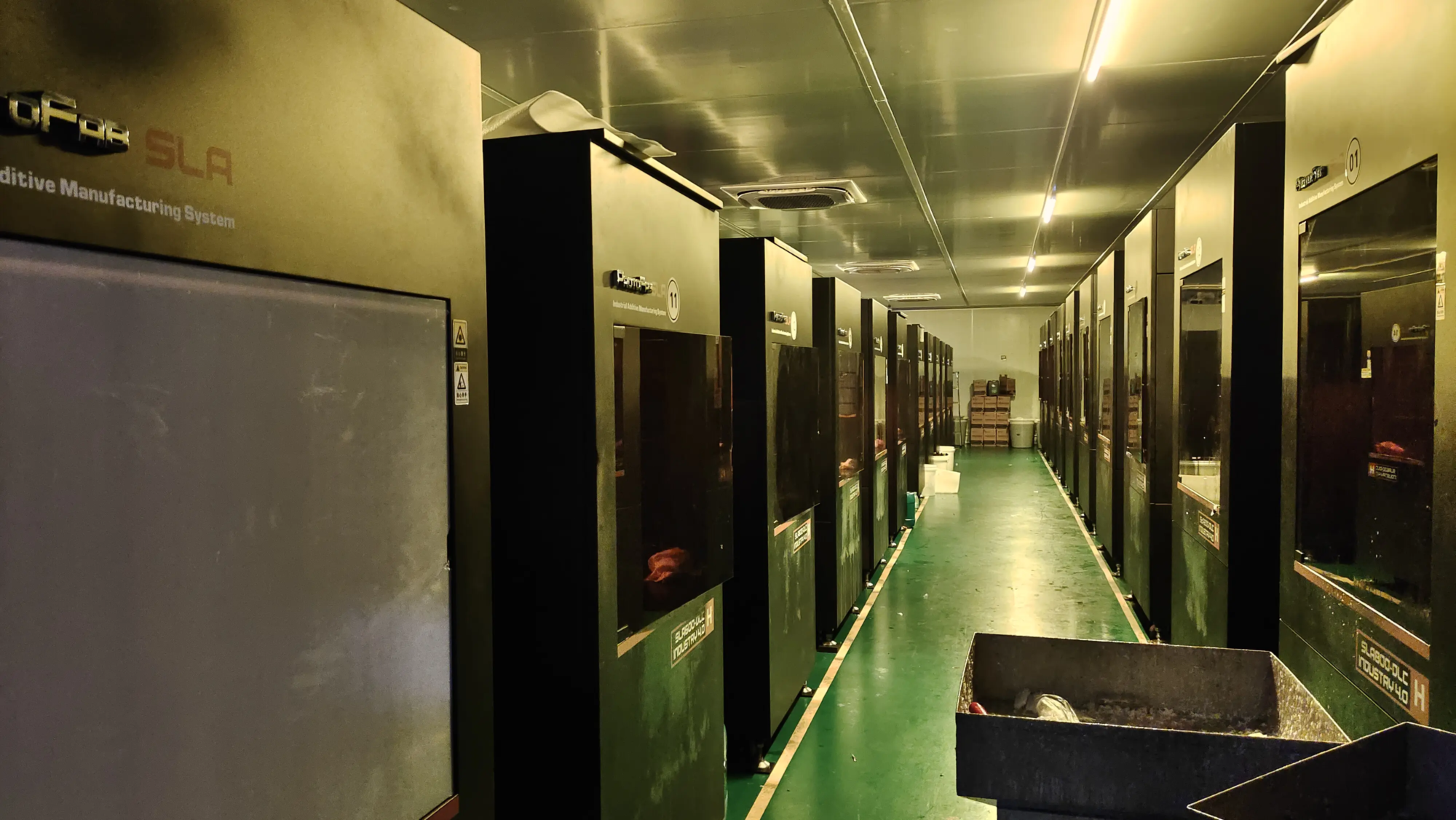
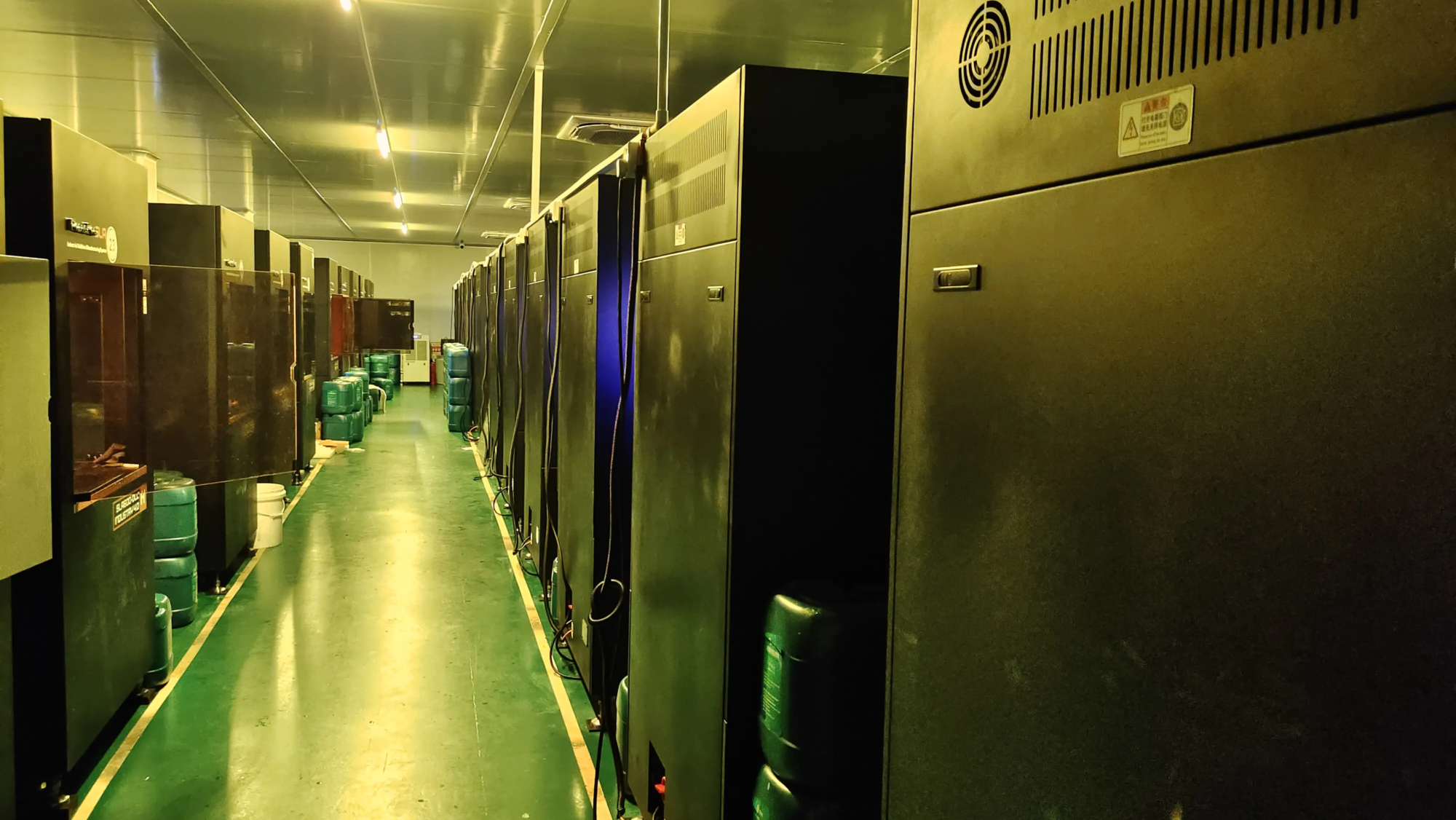
- Resin printer (SLA/DLP/LCD): Photopolymer resins release potent VOCs during the printing process and even higher levels during post-processing (cleaning/degassing/curing). Requires powerful carbon filtration.
- Industrial/SLS/Metal Printers: Involves sintered powder, producing highly dangerous fumes. Specialized, powerful industrial-grade extraction and ventilation systems are required.
- Placement and environment:
- Adjacent purifier: A stand-alone unit is placed near the printer.
- Shell integration: The hose connects directly to the printer housing vent.
- HVAC integration: Special ducts move smoke completely outside (always safely, avoiding VOC recirculation).
- Filtration technology:
- HEPA Rating: Basic. Confirmed H13 (99.95%) or H14 (99.995%) efficiency is ideal.
- Activated carbon: Looking for large amounts of chemical grade carbon by volume/weight. Some offer specialized resin blends. Replaceable cartridges are crucial.
- Additional filters: Combination filters (pre-+HEPA, pre-+carbon) simplify the replacement process.
- Airflow/CADR: Cubic feet per minute (CFM) or cubic meters per hour (m³/h) represent the amount of air a device can handle. Match airflow to printer number, material output, and enclosure size/leakage. A higher CADR usually means faster air purification if capture is valid.
- Noise level: Measured in decibels (dB). Important for shared spaces or home offices. Higher airflow usually means more noise.
- Project scope and budget: Hobbyist needs are very different from industrial needs. Balance cost with the level of protection the material requires and the frequency of use.
Beyond Basic Extraction: Trends and Important Nuances
- Industrial Hygiene Standards: Professional settings align extraction capabilities with official exposure limits such as ACGIH TLV® or NIOSH REL. Monitoring equipment complements extraction.
- Material-specific filter mixtures: Emerging specialty carbon blends more effectively target specific resin chemistries or the unique VOC profiles of engineering thermoplastics.
- Multi-stage post-processing: Resin workflow requires extraction from beginning to end – Increasingly, printing, cleaning and curing stations are combined in interconnected smoke-controlled environments.
- Integration and automation: Professional extractors may be equipped with sensors, automatic start/stop triggers related to printer operation, and cloud monitoring.
- Room safety factor: The air extraction device mainly cleans the air and air above/around the printer it attracts. Contaminants that escape the capture area or enter from elsewhere are not immediately filtered. Source capture combined with thoughtful room placement/exhaust/displacement ventilation provides the best results.
Conclusion: Safety in additive manufacturing cannot be compromised
Protecting your health and workspace isn’t an optional upgrade, it’s fundamental. Exposure to ultra-fine particles and harmful gases produced by 3D printing is a well-documented problem. Invest in appropriately sized and capable 3D printer smoke evacuator Tailored to your specific materials and setup, these risks can be significantly reduced. Whether you choose a simple stand-alone unit for PLA or a comprehensive duct system for ABS and resin printing, prioritizing air filtration demonstrates a commitment to responsibility and long-term well-being.
Don’t compromise. Breathe easier and print smarter.
3D Printer Smoke Exhaust FAQs
-
am i real Does PLA require a fume evacuator?
- PLA generally has lower VOC/UFP emissions than ABS or resin, but emissions no is zero, especially at higher temperatures. Smoke can still cause irritation to sensitive people, and UFP is always a concern. At least use in a well-ventilated room; for enclosed spaces or prolonged exposure, a HEPA-filtered extractor is recommended.
-
Can I use a fan to blow the smoke directly out of the window?
- While better than doing nothing, standard fans placed directly on the window often do not provide adequate source capture. You will be breathing polluted air into your breathing zone. A dedicated extraction unit for source capture that is ducted (with its own fan) directly to the outside is much more effective.
-
How often do I need to change the filter?
- Pre-filter: Clean or replace every 1-3 months (washable varies by design).
- HEPA filter: Typically replaced every 6-24 months, depending on usage, materials, and printer dust. Check the manufacturer’s guidelines.
- Activated carbon filter: replace At least Every 6-12 months for continued VOC removal. Resin will saturate the carbon faster (sometimes once a month). Reduced odor removal is a key metric. Never clean the carbon filter.
-
Is the range hood noisy?
- Noise levels vary greatly. Basic models or models operating at high speeds may produce noise (60-70dB+). High-end devices often prioritize low-noise designs (<50dB at low/medium settings). If noise is an issue, check the specs. The enclosure also helps reduce printer/extractor noise.
-
What is the difference between HEPA, ULPA and regular filters?
- High efficiency air filter: Removes ≥99.97% of particles ≥0.3 microns. Standard benchmark.
- Break: Removes ≥99.999% of particles ≥0.12 microns. More efficient, but often comes at a significant airflow/noise cost. Typically reserved for critical clean rooms that exceed most printing needs.
- "True HEPA" Means compliance with official testing standards. Beware of vague marketing terms such as "Similar to HEPA."
- Conventional furnace/air purifier filters capture larger particles (>1-10 microns); insufficient to meet UFP requirements.
-
Can Extractor improve my print quality?
- Extractors mainly protect health. However, shell (Often paired with or as part of an extractor system) Significantly reduces airflow causing warping and improves thermal stability, resulting in improved print quality, especially on ABS and nylon. Effective extraction within The casing prevents condensation from accumulating.
- How are extraction solutions different for metal 3D printing?
- Fumes generated by metal powders (especially reactive powders from SLS/SLM) and related adhesives are often highly flammable, toxic, and require advanced filtration (often multi-stage, including wet scrubbing or specialized media other than carbon) and explosion-proof ventilation design. Industrial grade solutions with strict safety protocols are mandatory.
Enhance security and performance of rapid prototyping workflows
exist huge lightAs your trusted partner for rapid prototyping solutions, we understand the complex needs of safe and efficient manufacturing. While we offer industry-leading SLM 3D printing We emphasize expertise in precision metal part prototyping Total security Covers all additive technologies. Addressing smoke exhaust issues is a key part of responsible operations.