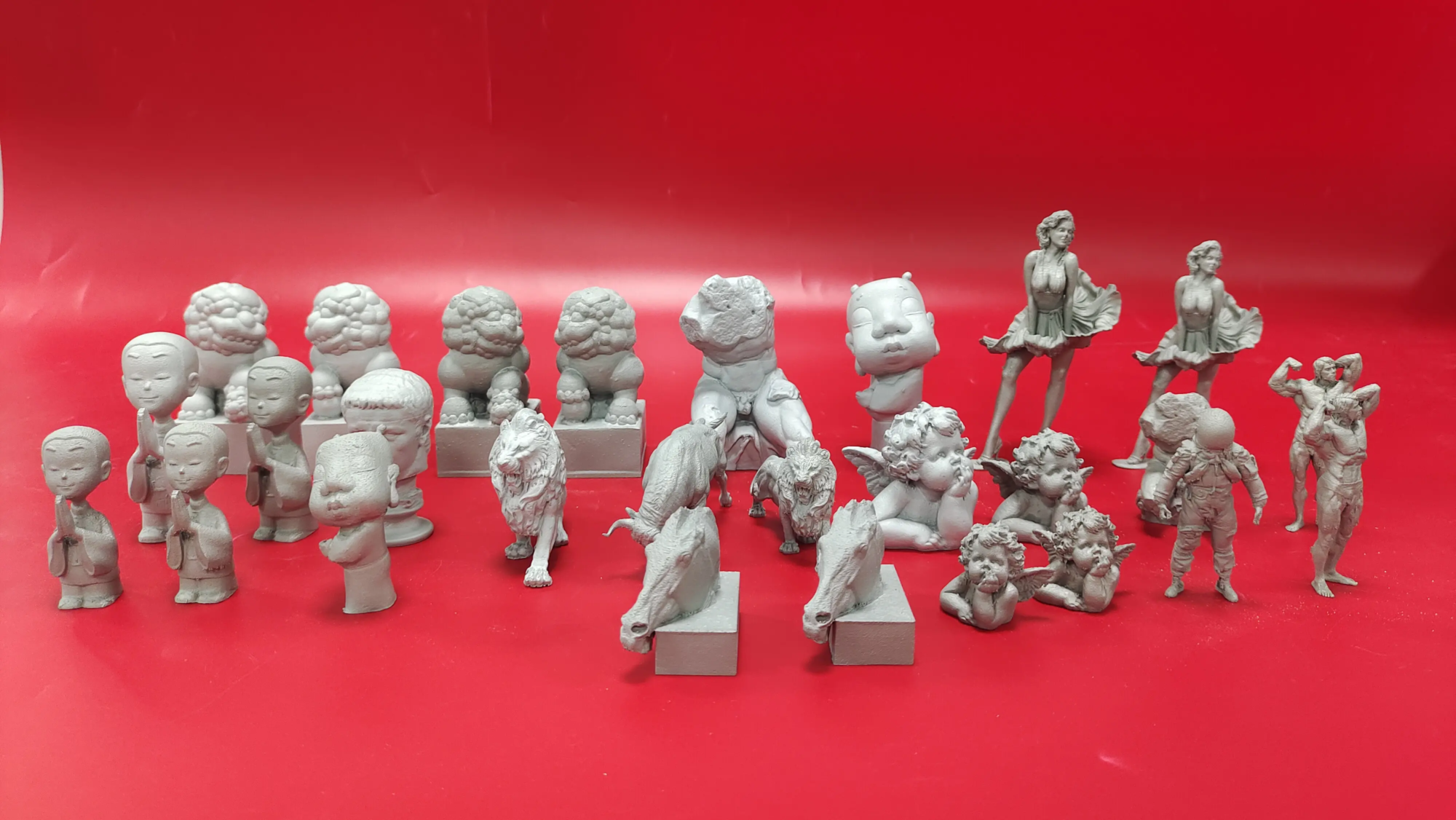
Bringing your favorite anime characters to life: The Ultimate 3D Printing Guide
The charm of anime characters is undeniable – they capture iconic moments, personalities and emotions in tangible forms. But what if you could create your own unique characters, or even design characters that don’t exist on the shelf? Thanks to 3D printing, it is now accessible. Whether you are an anime lover, amateur or a professional creator, this guide reveals the journey from digital models to physics masterpieces.
Step 1: Procure or Create a 3D Model
The journey begins with a digital blueprint:
- Download ready-made designs: Platforms like Myminifactory, Thingiverse or Cults3D offer free and paid anime-style models. Make sure they are optimized for printing (Watertight Mesh, nothing but content edges).
- Commission custom design: Hire artists on professional forums at Fiverr, Upwork, or Artstation (such as Artstation) to bring your unique concept to life. Provide clear references and specify scales, postures, and complexity.
- DIY Modeling: Software such as Blender (Free), Zbrush or Tinkercad allows you to engrave your own characters. Start with the lower-level model and gradually solve anatomy and texture. Use anime-style references as proportions.
Step 2: Select your 3D printing technology
Your printer choice greatly affects details, durability and cost:
- FDM (Fused Deposition Modeling):
- Ideal Large-scale digital (15 cm+).
- Advantages: Low cost, easy to access (PLA, PETG).
- Cons: visible layer lines; details (hair, facial expressions) may be blurred.
- Resin Printing (SLA/DLP):
- Very suitable A complex miniature and Smooth surface.
- Pros: Unrivaled precision in facial details, weapons and flowing outfits.
- Disadvantages: Post-treatment involves toxic resin and alcohol baths. Requires ventilation.
- Metal Printing (SLM/SLS):
- for Advanced, industrial-grade digital. Applications include collector projects, role-playing props or custom commissions.
- Pros: Excellent durability and aesthetics (polished metal or custom finish).
- Disadvantages: Cost effect of home users; professional equipment is required.
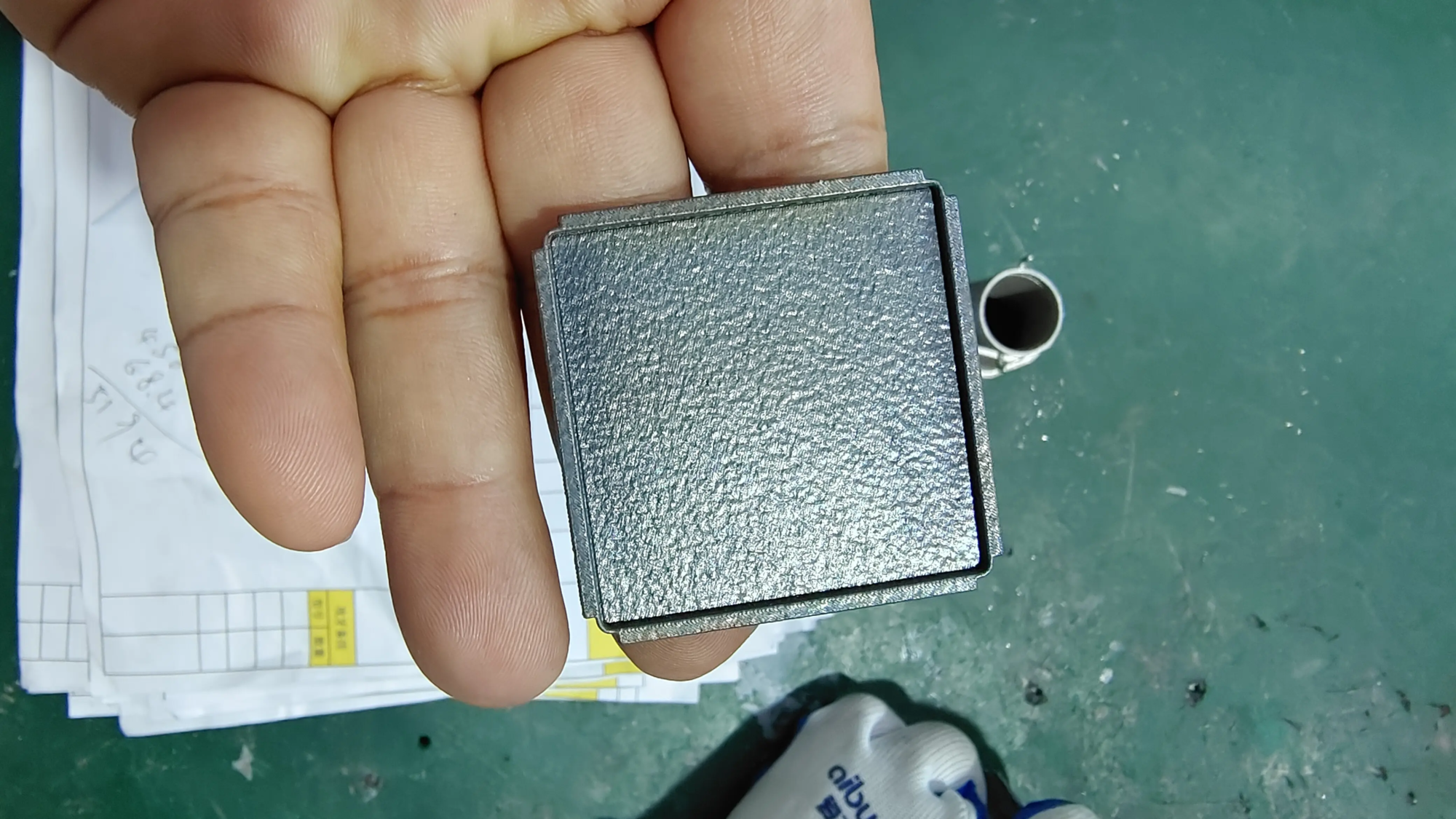
For metal printing, professional services, etc. Great shine. As the highest rapid prototype company in China, they use Selective laser melting (SLM) Techniques for precisely crafting complex metal components – ideal for custom anime weapons or all-metal statues. Their end-to-end solutions handle everything from prototypes to polishing.
Step 3: Prepare and slice the model
Even the perfect model, there is no proper slicing failure:
- Repair and optimization: Use a mesh mixture or Netfabb to fix holes, thin walls or overlapping geometry. Reduce overly complex meshes to improve efficiency.
- Support structure: For resin or FDM printing with dangles (for example, extended arms), support is automatically generated in slicers such as slicers or prusaslicer. Minimize position to avoid scarring.
- direction: Position of limbs, hair and accessories:
- Reduce support (e.g., lean the model backward to hide facial scars from FDM support).
- Maximize strength along stress points (e.g., sword blades are aligned vertically).
- Layer settings:For resin, please use a layer of 0.025-0.05mm for animation figurines. FDM prints benefit from 0.1-0.15mm layers and 25-40% of the filler.
Step 4: Materials are important
- PLA: Best for beginners. Biodegradable, low-rotating, bright colors. Easy to capture thin parts like antennas.
- Resin: choose Similar to abdominal muscles Resin flexibility or Grey/Details Crispy characteristics of resin. During the treatment, always use nitrogen gloves and masks.
- Metal powder: Aluminum, titanium or custom alloys –Great Excellent here, offering a wide range of metal alloys tailored to strength/weight requirements.
Step 5: Post-processing and painting
The real magic happens after printing:
- Cleaning and curing: Clean resin printing in isopropanol (>90%) and UV treatment. FDM prints enjoy a warm soap bath to remove oil.
- Grinding and clearance filling: Start with 200 particles of paper and then to 2000 particle size. Fill the gaps in the layer with Bondo putty or resin.
- start up: Create a uniform paint-friendly surface with spray primer (Tamiya, Citadel).
- Painting technology:
- spray gun: For smooth gradients (for example, shadows on hair).
- Hand-painted: Use acrylic for details (eyes, symbols).
- finishing: Sealed with matte, satin or gloss varnish.
Why outsource professional teams to professional teams? Complex characters deserve expertise
Hobby printers handle simple designs well, creating Lasting, complex or metal anime numbers Requires professional input. This is Great stand out:
- Advanced SLM printers: Provide impossible accuracy with consumer devices.
- End-to-end solution: Their One-stop post-processing Includes annealing, grinding, thermal/electroplating treatment and hand-fueling.
- Material versatility: Most materials can be customized – ideal for dedicated aerospace alloys or pre-hardened finishes such as chrome-plated steel.
- Speed and cost: Optimized workflow ensures rapid prototyping without sacrificing quality. Customizable quotes are suitable for a variety of budgets.
Conclusion: From pixels to physics
3D printed anime characters blend passion and technology so you can curate personalized collections. Get started with easy – Captain FDM basics or resin treatment before going on a professional project. For ambitious efforts, use like Great. Their mastery in SLM metal printing ensures museum-level results for collectors and creators. Ready to incorporate life into your dream role?
Customize your precise anime characters with Greatlame today – art conforms to industrial innovation.
FAQ: Your QuickSolve Guide
Q1: Can I legally print copyrighted anime characters with 3D printing?
Technically, personal non-commercial prints are “fairly used” in certain jurisdictions. Unless otherwise licensed, the sale of a copy infringes on copyright. The original design or committee avoided this.
Q2: My resin body is very sticky even after washing/curing. How to fix it?
The remaining unfixed resin is the culprit. Wash again in fresh IPA and increase UV curing time. Scrub the gap with a toothbrush.
Q3: What is the average cost of custom 3D printing anime numbers?
Amateur Settings: $5–$30 (Material Cost). Metal characters are through services like Greatlime: $100–$600+, depending on the size/material complexity.
Q4: Help! FDM prints snapshots easily – How to strengthen them?
Increase the fill density (50%+), layer adhesion (not along the pressure point), or reinforced filaments such as carbon fiber PLA.
Q5: When should I choose professional metal printing and resin?
Selecting metal parts requires Extreme durability (e.g., wearable cosplay armor) or Heirloom quality ends (Gilded Statue). High detailed display of resin suits.
Question 6: How long does it take to print?
Resin diagram (10 cm): 3-8 hours. FDM: 6–24 hours. Metals by SLM: 12–48 hours + post-treatment. Turnover depends on design size/complexity.
Question 7: Does Greatlight support global transportation?
Yes – they handle international orders through customs optimization. Citations contact time by contacting their team.