Embrace creativity: transform your water space with 3D printed decorations
Aquariums, ponds and water features are more than just containers for aquatic life, they are living art installations integrated into our homes and gardens. As technology evolves, 3D printing becomes a game changer, bringing unprecedented possibilities for personalized, sustainable and innovative aquarium decoration. Whether you are an aquarium enthusiast, landscape designer, or DIY enthusiast, 3D printing provides the tools to create custom pieces that blend artistry with functionality. Let us explore inspiring ideas and technical insights to enhance your water environment.
The power of 3D printing in Aqua design
3D printing has revolutionized aquatic decoration by enabling complex geometries, rapid prototyping, and material versatility. Unlike mass-produced products, printed designs can be customized based on tank size, species needs, or aesthetic themes. Key benefits include:
- Super customized: Design unique shapes, from fractal caves to miniature ruins, to fit perfectly into your space.
- ecological awareness: Build artificial reefs or plant supports to reduce dependence on fragile natural resources.
- Functional accuracy: Design components with integrated channels for water flow, filtration or plant growth.
- Material innovation: Use biosafe resins, durable plastics, and even ceramics that are underwater stable and non-toxic.
Now, dive deeper into five transformative 3D printed aquarium decoration concepts:
1. Smart Aquarium Cave and Hideout
Fish thrive in hiding spots that mimic their natural habitat. 3D printing can create complex caves with multi-layered tunnels, synthetic sponge textures and non-toxic pores.
- design skills: Optimized structure, smooth inside (to prevent fish injury), rough outside, suitable for algae reproduction.
- Material selection: FDA approved PETG or biocompatible resin ensures safety. Avoid using ABS due to potential chemical leaching.
- Innovation: Channels embedded with air stones or LED lights to create a mesmerizing glowing grotto.
2. Artificial Coral Reef Ecosystem
Sustainable reef pools can now be achieved by 3D printing corals that replicate biodiversity without harming marine life.
- printing technology: SLA (stereolithography) captures micron-level surface details, revealing realistic brain coral or branching antler structures.
- Materials Science: Use ceramic-infused resin for long-term pH resistance, or recycled plastic dyed with algae pigments.
- ecological impact: Support coral restoration through printing "Coral Reef Appetizers" Scaffolding to accommodate polyps in saltwater pools or marine reseeding projects.
3. Modular aquatic plant supports and trellises
Use customizable stands to stabilize aquatic plants while enhancing visual depth. These structures anchor roots into the substrate or float in water, creating eye-catching vertical gardens.
- Functional design:Create lattice panels with interlocking joints for easy rearrangement. Add weights or suction cups for stability.
- Material focus: PLA+ or nylon can withstand prolonged submersion and root growth stress. Sealing after printing (using aquarium epoxy) increases longevity.
- application: Ideal for ecosystems such as swamps where terrestrial and aquatic plants coexist.
4. Dynamic fountain and pond functions
Transform a garden pond or indoor fountain with printed abstract sculptures, animal figurines or water-directing nozzles.
- fluid power engineering: Design nozzle tips that produce specific spray patterns (e.g. mist rings, laminated sheets).
- Material durability: UV-stabilized ASA filaments resist solar degradation, while carbon fiber composites handle mechanical stress in high-traffic areas.
- example: Print a layered lotus-shaped basin, which can flow water in a waterfall style, and match it with hidden pipe channels to achieve seamless pipes.
5. Integrated water tank accessories
Integrates practicality and aesthetics with printed feeders, thermometer housings, CO2 diffusers and sensor mounts.
- Custom fit: Designed to adhere to curved tank walls or hang from unique edge contours with clips.
- Innovation: Create a feeding ring with buoyant material to contain food dispersions, or "smart" Stand with integrated pH probe.
- Printing accuracy: FDM printers excel at printing functional parts; SLA for smooth flow diffusers.
Conclusion: Custom design making waves
3D printing allows aquarists and designers to transcend traditional decorative limitations. By prioritizing safety, ecology and personalization, the technology fosters healthier aquatic ecosystems while transforming functional requirements into artistic expression. As materials and printers advance, expect innovations like biointegrated printing that can release beneficial minerals or chameleon pigments that react chemically with water. Whether creating a peaceful corner or a sustainable pond in your home, 3D printing unleashes science-based creativity. Ready to prototype your vision? Advanced manufacturing partners such as huge light Simplify this journey.
Why work with Gretel?
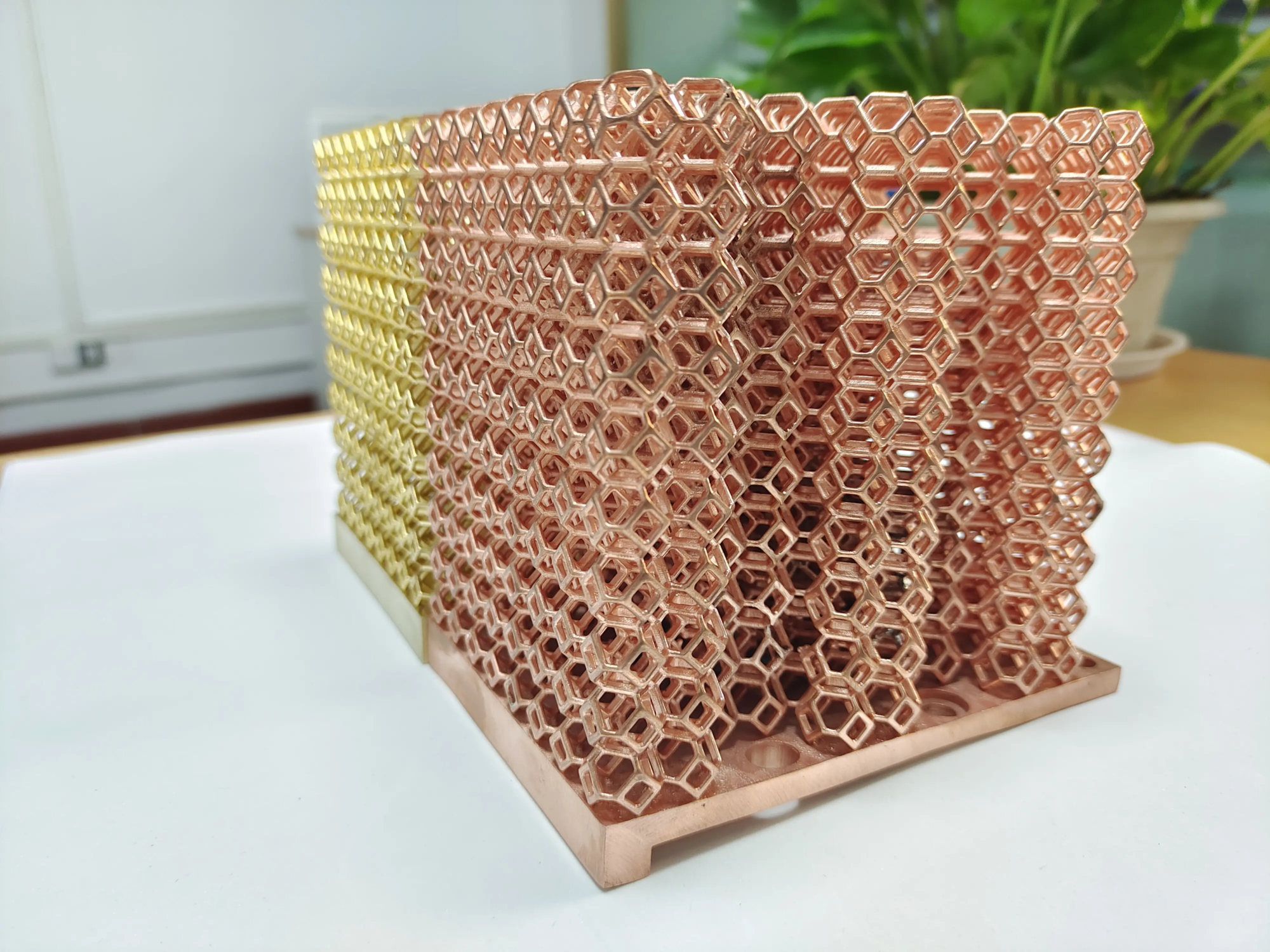
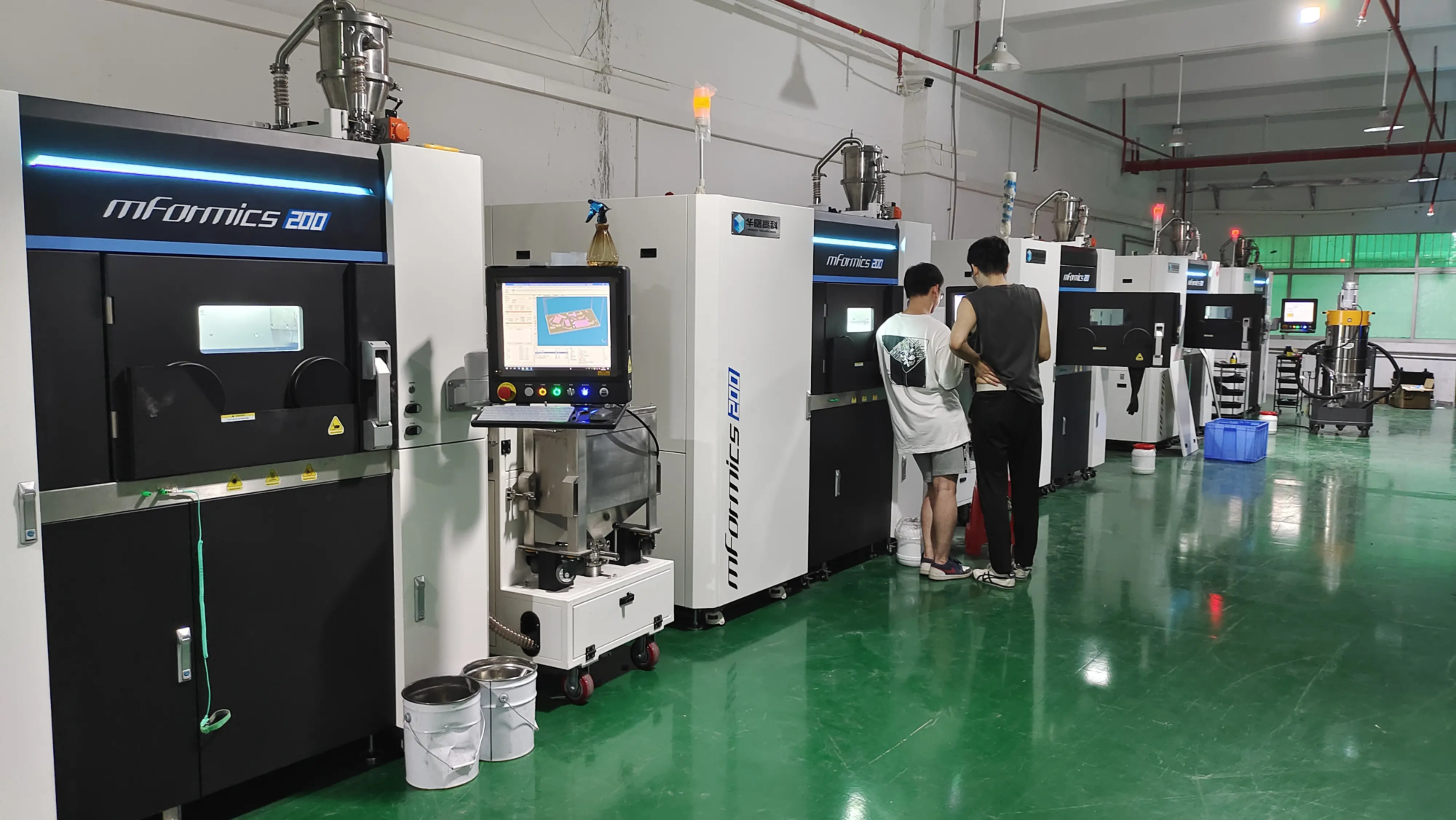
As a professional rapid prototyping manufacturer, GreatLight utilizes advanced SLM 3D printers and production technology to solve complex metal part challenges. We specialize in high-precision custom machining and one-stop post-processing (polishing, coating, staining) using materials customized to your project (from marine-grade alloys to engineering thermoplastics). Fast, reliable and cost-effective, we help innovators turn digital designs into water security realities. Customize your precision rapid prototyping parts today!
FAQ: Answers to your questions about 3D printing Aqua decoration
Q1: Are 3D printing materials safe for fish and plants?
A: Yes, if printed on non-toxic, aquarium-certified materials. PLA (untreated) degrades in water; choose PETG, TPU or epoxy-sealed resin. Always cure the print thoroughly and perform a soak test before introducing aquatic life.
Q2: How to design waterproof 3D printing decoration?
A: Use waterproof modeling software settings (e.g., high infill density, thick walls). Post-treat with food-grade epoxy or solvent smoother (for ABS) to seal the layer lines that trap bacteria.
Q3: Can the salt water tank be decorated with 3D printing?
Answer: Of course. Choose corrosion-resistant materials such as nylon, PETG or stainless steel printed via SLM. Avoid porous prints unless sealed—salt crystals can accumulate in tiny gaps.
Question 4: Is 3D printing cost effective for large pond features?
A: For large parts, print modular sections that fit together on site. FDM printing with ASA filament is more durable and less expensive than solid stone or metal alternatives.
Q5: How complex can underwater design be?
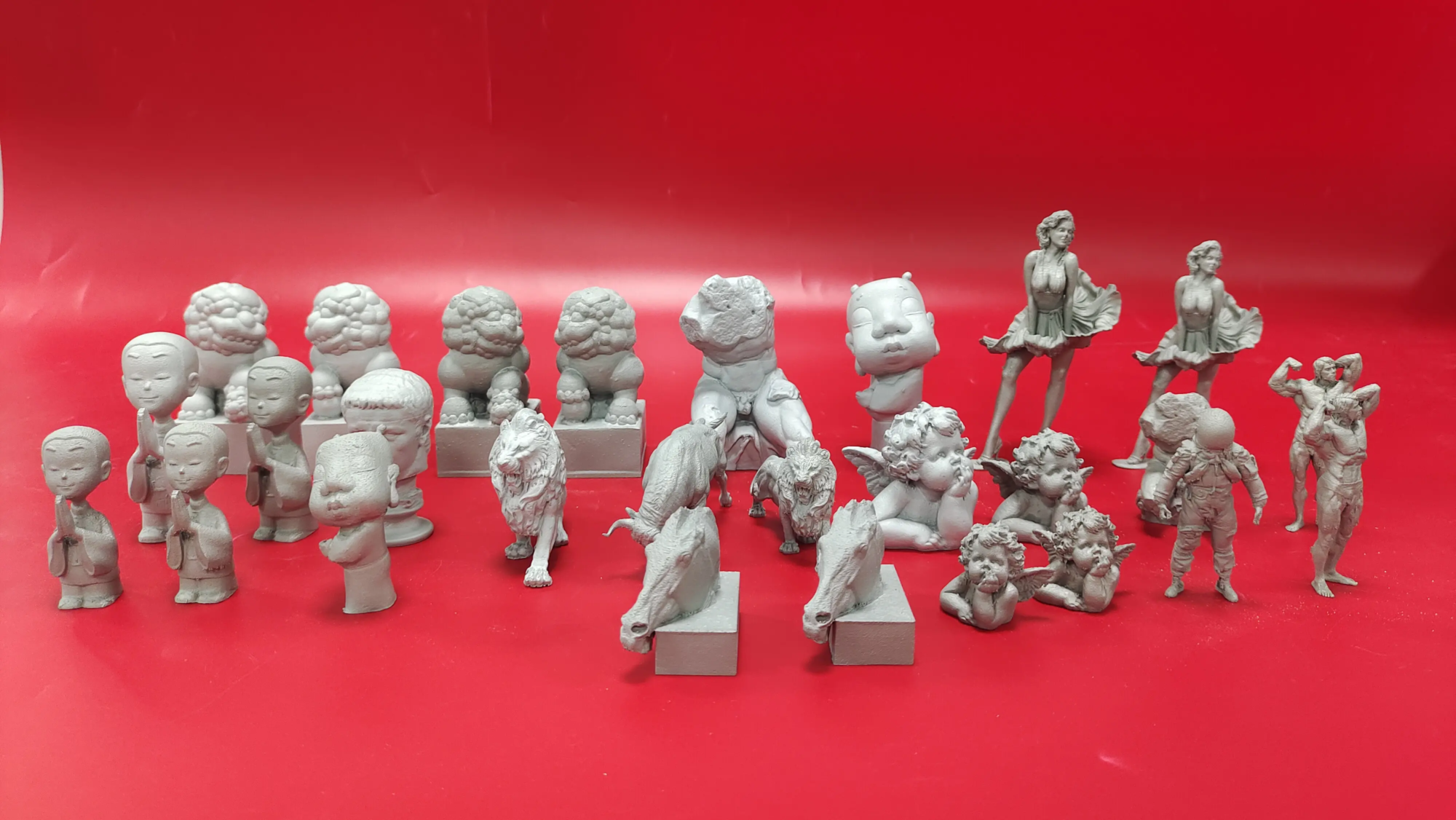
A: SLA and SLS printers have resolutions below 0.05 mm, allowing them to capture details such as the texture of fish scales or coral polyps that are impossible to achieve with injection molding.
Q6: Can I print decorations that interact with aquatic life?
Answer: Yes! Design structures to promote beneficial biofilm growth or incorporate live plants. Avoid sharp edges and prioritize smooth, organic shapes.
Q7: How to ensure that buoyant objects remain underwater?
A: Add negative space to the model for removable weights (such as stainless steel bolts) or print with a denser material like ceramic-filled resin.
Pushing the boundaries of plastic plants and ordinary decorations – 3D printing invites you to design underwater worlds as unique as your imagination. From tiny tabletop aquascapes to vast backyard ponds, every ripple tells an innovative story.