Why 3D Printing Arduino Uno Case? Your Final Creation Guide
Your Arduino Uno is the brain of countless innovative projects, from robotics to smart home systems. However, the exposed circuit board is fragile – a tramp screwdriver, spilled coffee and even static electricity can cause disaster. This is the emergence of custom 3D printing cases. It’s more than just protection. It’s about organization, professional demonstration, durability and cooling. The best part? With the capabilities of 3D printing and accessible design tools, you can uniquely create a case for your project needs.
Designing the perfect Arduino Uno case: main things to note
Before you print deeply, thoughtful design is crucial. Here is what to consider:
- Exact fit: Your design must match the exact size of UNO (approximately 68.6mm x 53.4mm). Explain the positions of the USB port, power jack, reset button, ICSP header, and GPIO pins. Accurate removal ensures easy insertion/removal and avoids pressure on the board.
- Installation options: How will you protect UNO in Condition? consider:
- Internal snapshot/latch: Small protrusions, no screws holding the edge of the board.
- Screw installation: The design holes are perfectly aligned with the UNO’s mounting holes (usually around the corners). Add struts or bosses to the housing to secure the screws. This provides maximum stability.
- Suitable friction: Strictly tolerant designs rely solely on the pressure of the shell wall – poor reliability for projects involving sports.
- Accessibility: Provide the following unopened openings
- USB port and power jack (critical for programming and power supply).
- Reset button.
- GPIO pins (wiring shields and sensors must fully access the title).
- Status LED (visual feedback is important).
- Consider designing a snapshot cover or removable panel for full access during development.
- ventilation: While UNO itself is not over-operated, components such as voltage regulators or shields may. Integrate ventilation slots, especially near potential heat sources to prevent overheating.
- Cable management: Organize cable organization design channels, edit or route holes into/out cases.
- Install the box: how The entire unit Install? Design flange with screw holes, slots for DIN rails or slide into mounting grooves related to your application (e.g., robot chassis, wall panels).
- Aesthetics and Ergonomics: Round edges for comfort, add a logo or label, choose a color, combine the grip texture – making it functional and visually pleasing.
Choose the right material: plastic and metal
The ideal material depends to a large extent on the needs of your application and how it is made:
-
Plastics (Fusion Deposition Modeling-FDM Benchtop Printer):
- PLA: Great for beginners, affordable width range, easy to print. Disadvantages: Low heat resistance (~50-60°C), can creep under constant pressure, and can be biodegradable (unsatisfactory outdoor). Very suitable for use.
- ABS: Stronger, more heat resistant (~80-100°C), durable and impact resistant. Disadvantages: A bed/controlled environment that requires heating to print (easy to bend), emits smoke.
- PETG: Combines resistance to easy printing (such as PLA), heat resistance (maximum ~70-85°C), chemical resistance and water resistance. Highly recommended for powerful Arduino Casings.
- advantage: Cost-effective (desktop printing), fast iteration, available for amateurs.
- shortcoming: Compared with metals, there is limited heat dissipation and lower intensity.
- Metal (Laser Powder Bed Fusion – eg, SLM): Ideal for demanding, professional or industrial applications:
- Aluminum alloy (e.g., Alsi10mg): Lightweight, excellent heat dissipation is ideal for temperature sensitive projects, resistant to corrosion and is very strong relative to weight. Advanced choice for high performance or exposed electronic housing.
- Stainless steel (for example 316L): Excellent corrosion resistance, extreme strength and rigidity. Best for harsh industrial, marine or chemical environments. Heavier than aluminum.
- advantage: Excellent strength to weight ratio, excellent thermal management, electrical shielding (EMI/RFI suppression), high durability, professional appearance, excellent dimensional accuracy.
- shortcoming: Higher costs per section (durability offset) require industrial-grade equipment and expertise.
Why choose Metal 3D Printing (SLM) for your professional Arduino case?
For projects that require excellent performance, life, elasticity or appearance, metal 3D printing, especially Selective laser melting (SLM)is transformative. This is where to work with experts like Great Provides great advantages:
- Unrivaled durability: SLM printed aluminum or stainless steel boxes provide incredible protection for crushing, impacting, dropping and wear – far beyond any plastic. Your critical electronic devices are blocked like never before.
- Excellent thermal management: Metal is essentially an excellent conductor. The SLM-printed aluminum housing acts as a large number of radiators that pull heat out of the Arduino board, while the key components are more effective than plastic. This prevents thermal throttling and component failure in high-performance or closed settings.
- Electromagnetic interference (EMI) shielding: The metal housing inherently blocks electromagnetic interference, protecting your Arduino’s exquisite signals from external noise (motors, radio signals, other electronics) and vice versa. Plastic boxes provide zero inherent EMI shielding.
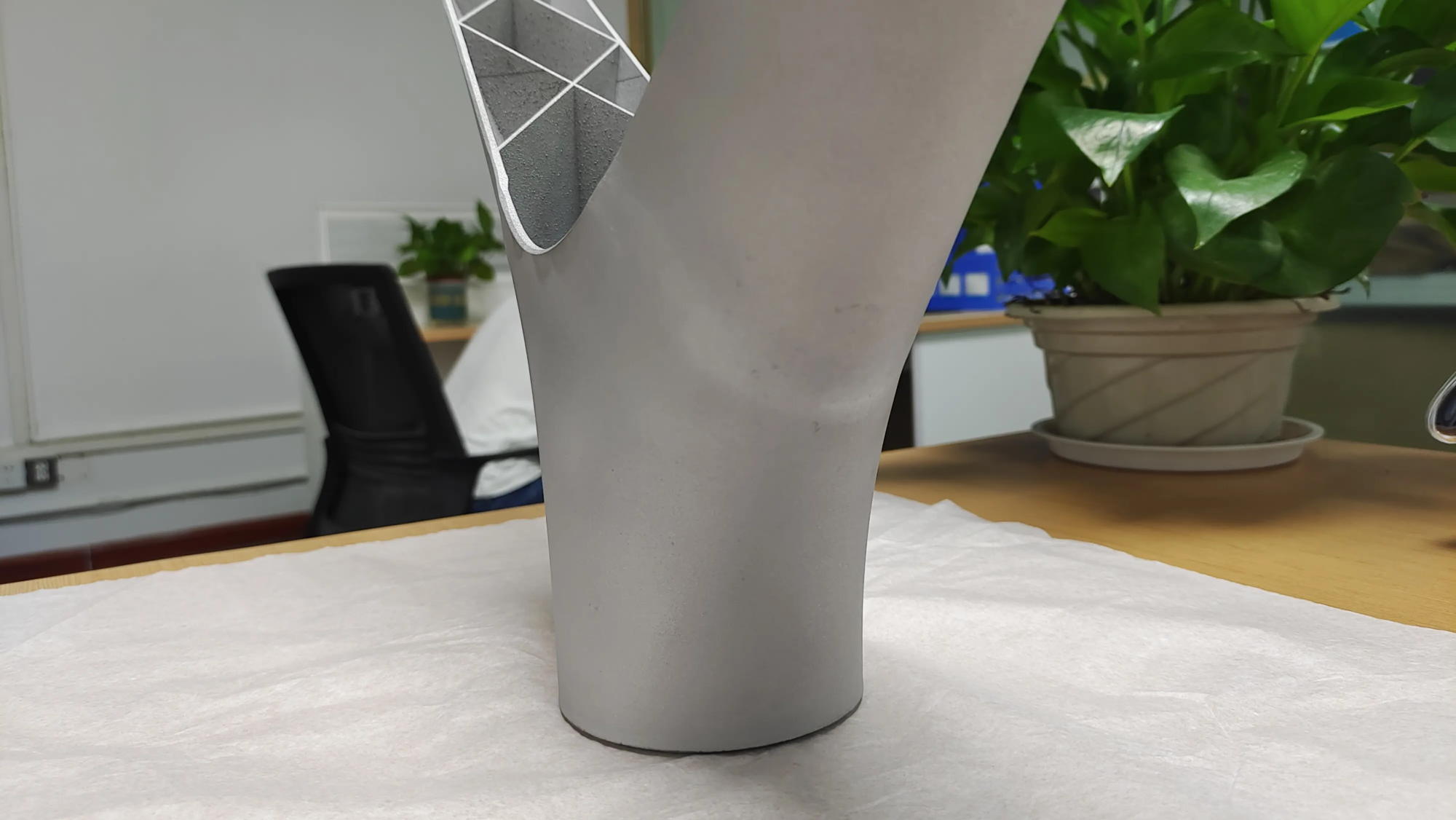
- Professional aesthetics and customization: Metals convey quality, robustness and reliability. SLM enables complex, integrated design features with machining (such as internal lattice structures or optimized airflow channels) and near mesh parts that require minimal post-machining to achieve a perfect fit.
- Accuracy and reliability: SLM achieves incredible high resolution and dimensional accuracy. Greatlight utilizes state-of-the-art SLM equipment and strict process controls to ensure every case meets precise specifications, ensuring an unrivalled UNO board is right for your UNO board, regardless of design complexity.
Why choose Greatlight for your custom 3D printed Arduino case?
exist GreatWe focus on converting digital designs into high-precision functional parts using Advanced Metal Additive Manufacturing (SLM) and provide a comprehensive plastic prototyping solution. This is why we are your ideal partner:
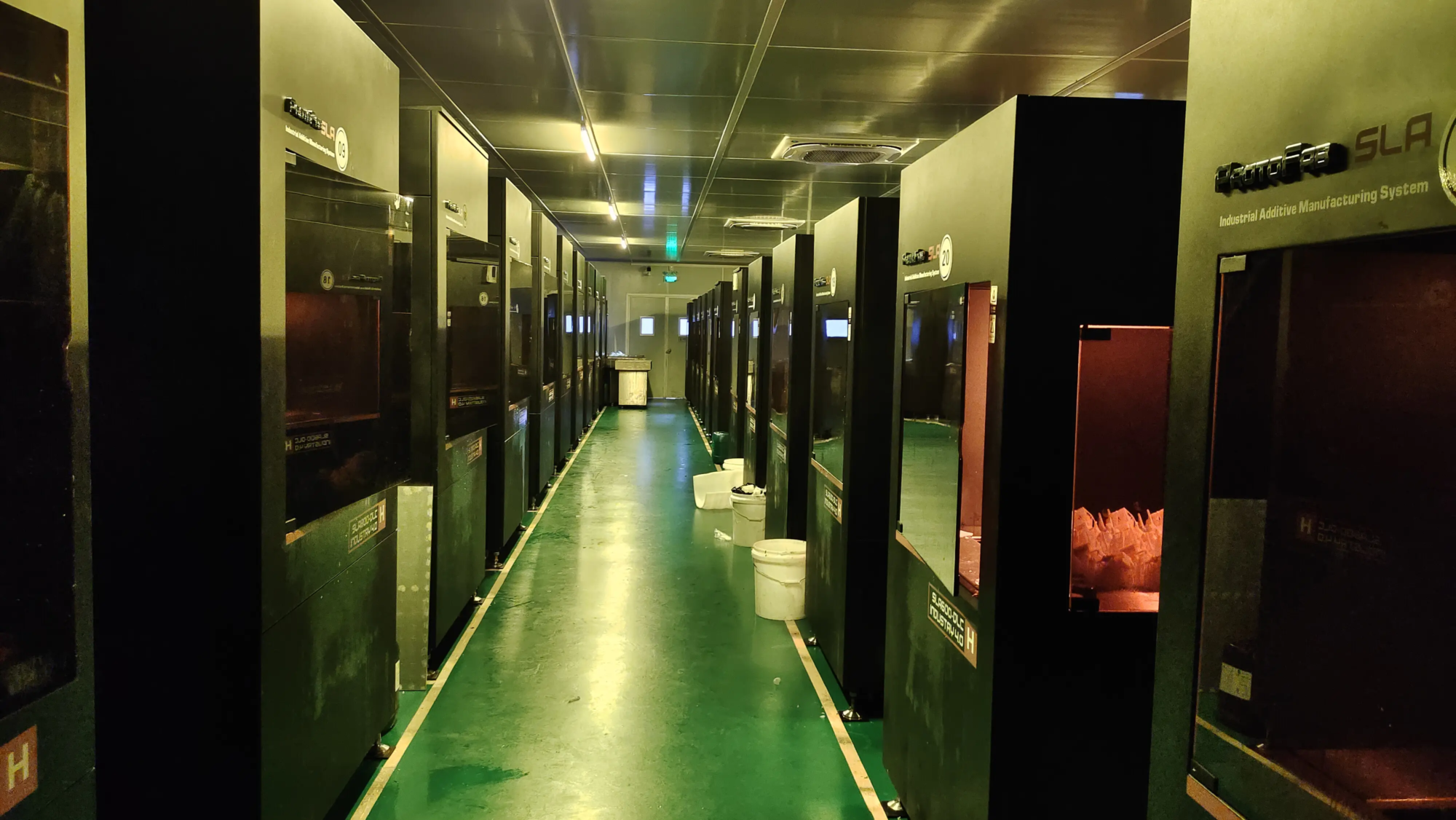
- Advanced SLM expertise: We operate cutting-edge selective laser melters, allowing us to produce robust, complex, and high-precision metal curves in aluminum, stainless steel, titanium and other advanced alloys.
- Multifunctional Materials Portfolio: In addition to metals, we also offer project-optimized materials such as engineering plastics (Nylon PA11/PA12), rigid and flexible resins that provide complete prototyping and production options according to your requirements.
- End-to-end solution: Great offers a real One-stop service. From initial design consultation and engineering support to precision manufacturing (including plastic/prototyping options), post-treatment (sanding, powder coating, anodizing, sandblasting, precision machining) and finishing, we can handle every step with meticulous care.
- Speed and efficiency: Leverage our expertise and optimized workflows, Gremight excels in rapid prototyping and small volume production. We understand the need for speed of innovation.
- Professionalism and reliability: As one of China’s leading rapid prototype companies, we prioritize quality, consistency, transparency and on-time delivery. Our dedication to precision and customer satisfaction makes us a trusted partner for global professionals and industry leaders.
- Cost-effective: By optimizing designs for additive manufacturing and leveraging efficient production, we offer unparalleled value – delivering high-precision, durable parts at competitive prices without sacrificing quality.
Ready to build? Step by step guide
- Find/create your design:
- Option A: Leverage Open Source: Platforms like Thingiverse or Printables offer countless free Arduino Uno case designs that can be downloaded and printed immediately. Greglight can handle production from STL files.
- Option B: Design your own:
- Use free CAD software (Tinkercad, Fusion 360, Freecad).
- Start with accurate Arduino measurements.
- Model the infrastructure and combine all necessary openings and gaps.
- Design installation function (screws, snapshots).
- Add ventilation slots, cable outlets and external mounting points.
- Design a safe cover (snapshot, screws, hinges).
- Optimized 3D printing:
- Ensure that the wall thickness meets the material/technical requirements you choose (FDM plastic is usually 1.2mm+ minimum, thinner walls are usually available with SLM Metal). Greatlight’s engineers can advise design design (DFM) for the best results.
- Add rounded corners to sharp corners for strength and printability.
- Determine the direction of the print to minimize support.
- Generate G code (for desktop FDM printing): If you want to print yourself, use the slice software (Cura, Prusaslicer) with appropriate filament settings (layer height, fill %, support, print speed, temperature).
- Select your manufacturing partner (recommended): For professional-level results, especially in metals, Great. Submit your design file (STL, Step), specify the materials and completion requirements, let us handle the rest.
- Post-processing:
- plastic: Remove the support structure, smoothness of the sand, optionally original/paint.
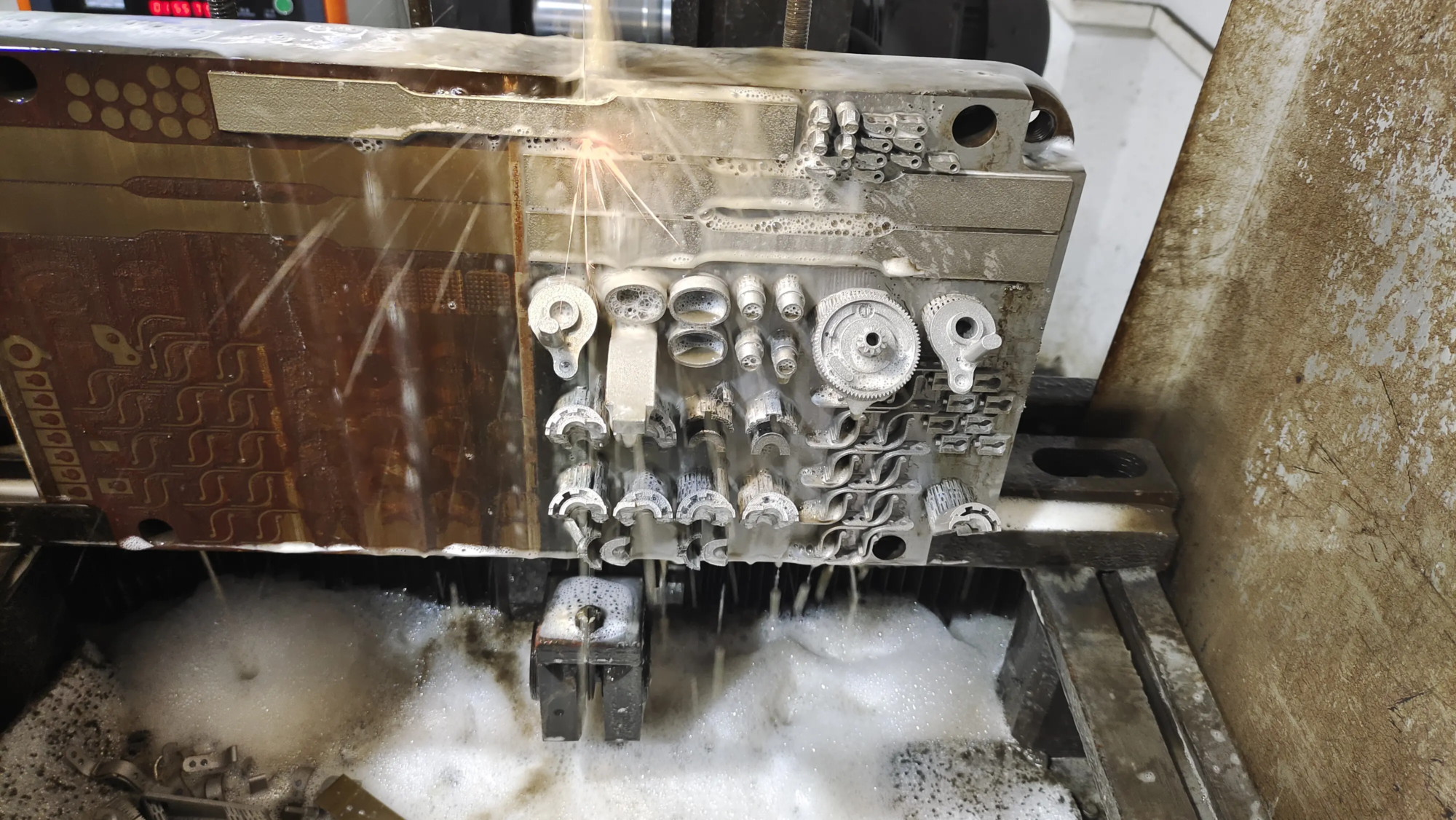
- Metal (Greglight): We perform specialized post-treatment, including disassembly (by EDM or machining), heat treatment (if required), media blasting (e.g., glass beads, alumina), CNC machining for critical interfaces, precision polishing, anodizing (aluminum), powder coating or other surface treatments for exact appearance and function.
- Assembly and testing: Mount your arduino uno securely in the case and close it. Verify that all ports and buttons are accessible and tested!
in conclusion
For your Arduino Uno, a 3D printed box is much more than just a simple one. This is an important layer of protection, organization and performance optimization. Whether you choose to print on a lightweight, colorful plastic case on your desktop or the high performance, impressive benefits of high-performance, ultra-durable thermal conductors produced by professional SLM printing.
For amateurs exploring concepts, desktop FDM printing using PLA or PETG provides an accessible starting point. However, projects that are critical for commercial products, industrial deployments, demanding environments or maximum reliability, cooling and EMI protection, Metal 3D through trusted partners like Greatlight It is a superior choice.
Greatlight’s expertise in SLM metal printing, coupled with our complete suite of design, manufacturing and finishing services, enables you to create not only functional but also truly excellent Arduino fences. Precision and durability protect your innovation. Work with Greatlime – China’s expert in rapid prototyping and custom precision machining – Put your ideal professional-grade Arduino Uno around life.
FAQ: Your 3D Printing Arduino Uno Case Questions Answered
Q: Are 3D printing cases really needed?
Answer: Although it is not a strict requirement, it is strongly recommended that you use it. It protects the board from physical damage (impact, liquid, dust), electrical shorts and static emissions. It also organizes components and cables, enhances professionalism, and can improve thermal management.
Q: Can I download the case design and print it at home?
Answer: Absolutely! Many excellent open source designs are available for free on platforms like Thingiverse and Printables. If you have a standard FDM desktop printer and a suitable filament (PLA, PETG, ABS), you can create a functional case. Check whether the design instructions are compatible and print settings.
Q: What are the advantages of using metal boxes?
A: Metal cases offer great advantages:
- Durability: More resistance to impact, crushing and wear.
- Thermal management: Acts as a large radiator to keep the components cool.
- EMI/RFI shielding: Protect the circuit from electromagnetic interference and prevent your project from interfering with other equipment.
- Professionalism: Convey high quality and reliability.
- Chemical/Environmental Resistance: Suitable for harsh conditions.
Q: Why use Greatlight for metal Arduino boxes instead of my home FDM printer?
A: Desktop FDM printers use plastic. GRESTLIGHT specialized research Metal Additive Manufacturing (SLM) For aluminum, steel, titanium, etc., create parts with high-quality mechanical, thermal and electrical properties. We provide engineering support, complex design capabilities, unrivalled accuracy, industrial-grade materials, professional finishes (anodized, polished) and guaranteed high-quality results for demanding applications.
Q: From the cost of Greatlight, how much does a custom metal Arduino box cost?
A: The cost depends on several factors: material selection (e.g., aluminum vs. steel), design complexity and size, required surface treatment level and order quantity. Metal additive manufacturing generally has higher cost per unit than basic FDM plastics, but has higher performance and life. Provided by Greghime Highly competitive pricing and transparent quotes based on your specific requirements. Contact us for a custom estimate!
Q: How do I design a case to fit my specific shield/custom component perfectly?
Answer: Accurate measurement is the key. Very precise measurement of your Arduino Uno as well as any permanent shield/custom add-ons. Design cases around these measurements in CAD software, creating openings/mount points for each component. Professional services like Greatlight can also provide design support (DFM) to ensure manufacturing and fit. Leave the space for future increase.
Q: What post-processing options are available in Metal Cases?
A: We provide comprehensive services that meet your needs:
- Surface finish: Smooth (sand blue, vibrating polish), bright polish.
- Aesthetics and protective coatings: Anodized (type II and III hard coatings for aluminium in various colors), powder coating, passivation (stainless steel).
- Key Features: Precision CNC machining holes or interfaces to ensure fit.
- Label: Laser engraving of a logo or identifier.
Let us know what you ask for!