The dawn of the new power era: 3D printing of batteries
Imagine a world where batteries are not clumsy blocks, but seamlessly integrated parts of the device, seamlessly integrating batteries into the curves of smartwatches, embedded in drone wings, and even a heartbeat customized as part of a medical implant. This is not science fiction; it is the promise of 3D printing batteries. By leveraging additive manufacturing, we are more than just building batteries – Redefine How to design, manufacture and deploy energy storage.
Core Technology: How 3D printed batteries work
Conventional batteries involve stacked or winding electrode layers in fixed forms. 3D printing revolutionizes this by depositing an electrochemically active material into highly accurate, complex geometry. Key methods include:
- Extrusion-based printing: Like a high-tech glue gun, like a paste "ink" (Contains active materials such as lithium compounds) are extruded to form electrodes.
- Inkjet printing: Drops of nanomaterial ink are ejected onto the substrate, thereby achieving differential resolution for complex modes.
- Stereo-lithography (SLA): Ultraviolet rays cure the photosensitive polymer electrolyte into a solid structure.
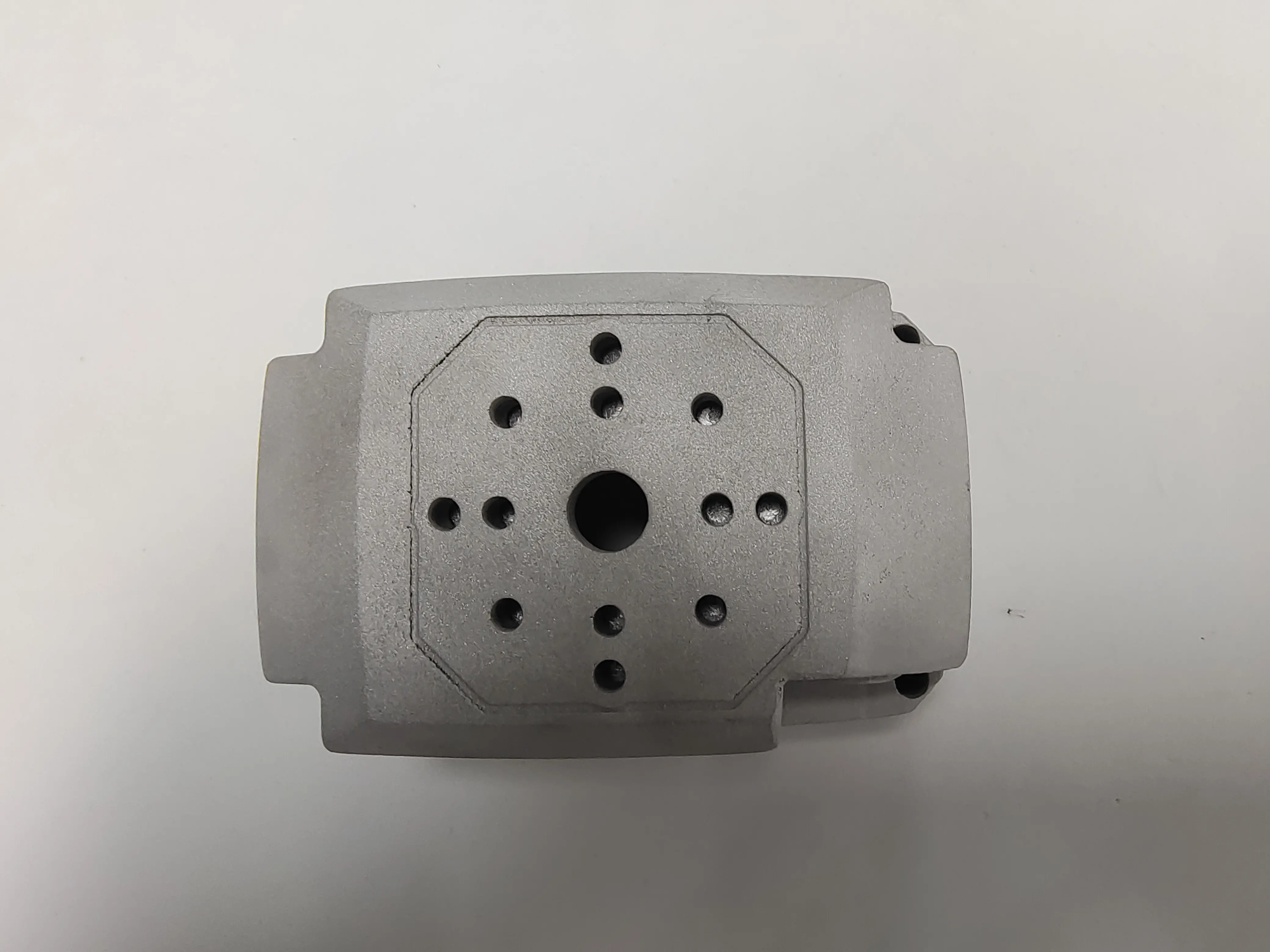
- Metal 3D Printing (SLM): Ideal for conductive components, selective laser melted and fused metal powders with precision accuracy (such as copper current collectors).
result? Now, batteries can take almost any shape – local, helical or even fractal designs – to make surface area and ionic pathways superior to excellent performance.
Why 3D printing batteries is a game-changer
- Unprecedented customization: Design batteries to fit unique spaces – No "Battery compartment." From curved wearable devices to micro-medical physicians, the form follows functions.
- Enhanced performance: Complex internal architectures (such as some energy-like structures) increase energy density and charge/emission rates by shortening the ion diffusion path.
- Reduce waste: Compared to the subtraction method, the additive process uses about 90% less raw materials, reducing costs and environmental impacts.
- Comprehensive manufacturing: Print the battery directly to the PCB or structural part – restore the assembly step and enable it "Power is a component" In IoT devices.
Current challenges and path forward
Although promising obstacles still exist:
- Material Innovation: Stable development, high performance "ink" (e.g., solid electrolyte) The conductivity printed after retaining the conductivity.
- Scalability: Transitioning from laboratory prototypes to mass production requires faster printing speeds and quality control.
- Multi-material printing: Seamlessly combine the anode, cathode and separator together in one printing cycle.
The researchers address these problems through nanomaterial engineering and hybrid printing techniques. Recent breakthroughs include graphene-based gas-ice electrodes and biocompatible zinc-air batteries.
Real-world applications
- Health Care: Customized batteries power pacemakers or nerve implants to blend seamlessly with human tissue.
- aerospace: Lightweight conformal battery is integrated into a satellite panel or drone body.
- Consumer Electronics: Ultra-thin flexible batteries woven into smart clothing or AR glasses.
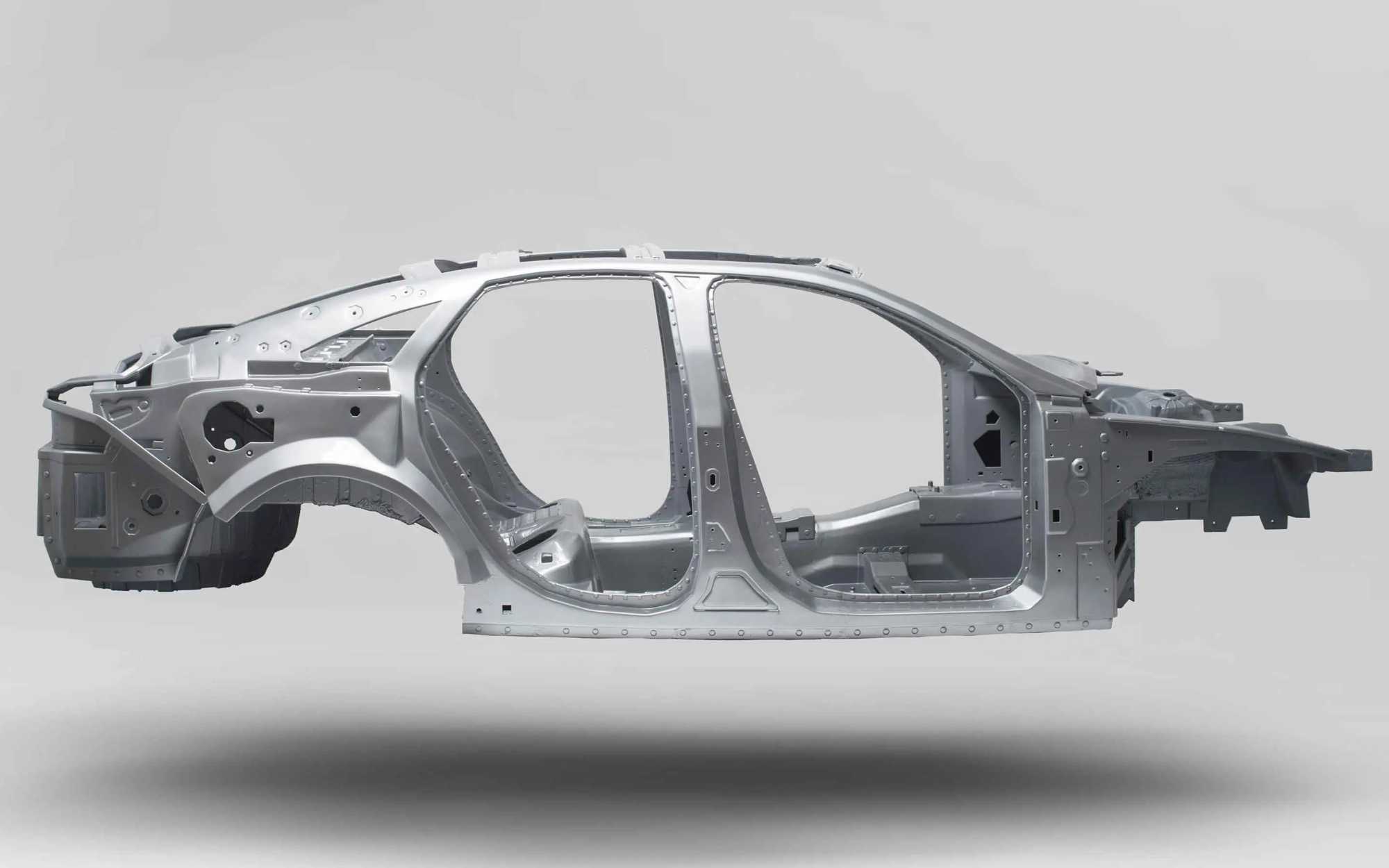
- EVS: Structural batteries are doubled as car body parts and do not add weight.
Accelerate innovation
exist GreatWe are not only observers of this revolution, but also active promoters. As a leader Rapid Prototyping Manufacturer In China, we specifically address the challenges of complex metal parts that raise boundaries, including the boundaries of next-generation battery development.
Our Selective laser melting (SLM) 3D printer Advanced production technology empowers researchers and engineers:
- Rapid prototype complex battery case, current collector or experimental electrode geometry.
- Test new materials (nickel, titanium, custom alloys) and use our one-stop post-treatment.
- Achieve micron-scale accuracy for thermally stable components that are critical to battery safety.
Whether you are developing a solid-state battery prototype or rethinking power integration, Greglight offers End-to-end rapid prototype solution– Grant custom, precision parts at competitive prices to accelerate your R&D cycle.
in conclusion
3D printed batteries represent seismic shifts in energy storage, exceeding a certain level of all-to-customized, efficient power solutions. While technical challenges remain, the fusion of materials science, nanotechnology and additive manufacturing is unlocking unprecedented possibilities. For industries ranging from aerospace to biomedicine, this technology is expected to be lighter, smarter, and more sustainable energy systems. With prototype pioneers such as the Greatlight Reflight Fabrication technology, we are closer to a future power is no longer a constraint, but an elegant scope of innovation.
FAQ: Turn on the 3D printed battery
Q1: What materials are used in 3D printed batteries?
Answer: Usually nanocomposite materials "ink" Contains active materials (eg, LifePo4 for cathodes, graphite for anodes), binder polymers and conductive additives. For metal components such as collectors, SLM-printed copper or titanium is common.
Q2: Is 3D printing batteries safe?
A: Safety is a priority. Printed solid electrolytes reduce fire risk compared to liquid counterparts. However, it is crucial to conduct rigorous testing of thermal stability and structural integrity during the cycle, especially for prototypes.
Q3: How long do these batteries last?
A: Laboratory prototypes show near the life of a commercial battery (~500 cycles), but the life span depends on the material and design. Ongoing research and development focuses on minimizing degradation in printed electrodes.
Q4: Is 3D printed batteries expensive?
Answer: Currently it is due to R&D costs and professional materials. Production by scale can reduce prices by reducing waste and assembly steps. Prototyping (for example, via Greatlight) makes iterative testing affordable.
Q5: Is the Greatlight printing function battery?
A: We specialize in research Precision metal components For battery systems (eg, housing, radiator, electrode support) through SLM. To perform end-to-end battery printing, work with us for structural prototypes and material solutions to accelerate your design workflow.