introduce
At the heart of press brake operation is a basic fact: Tools determine results. For decades, press brake molds have been limited by traditional manufacturing – they are expensive, slow and inflexible. But a revolution is underway, driven by additive manufacturing. 3D printing is removing barriers to custom tooling solutions, bringing unprecedented precision, efficiency and cost advantages to sheet metal manufacturing.
In this comprehensive guide, we’ll explore how 3D printing press brake tooling (punches, dies, adaptive tooling) is changing the industry and why it represents a key competitive advantage for manufacturers looking for agile solutions.
Why choose 3D printing bending machine tools? Compelling Advantages
1. Unparalleled customization and complex geometries:
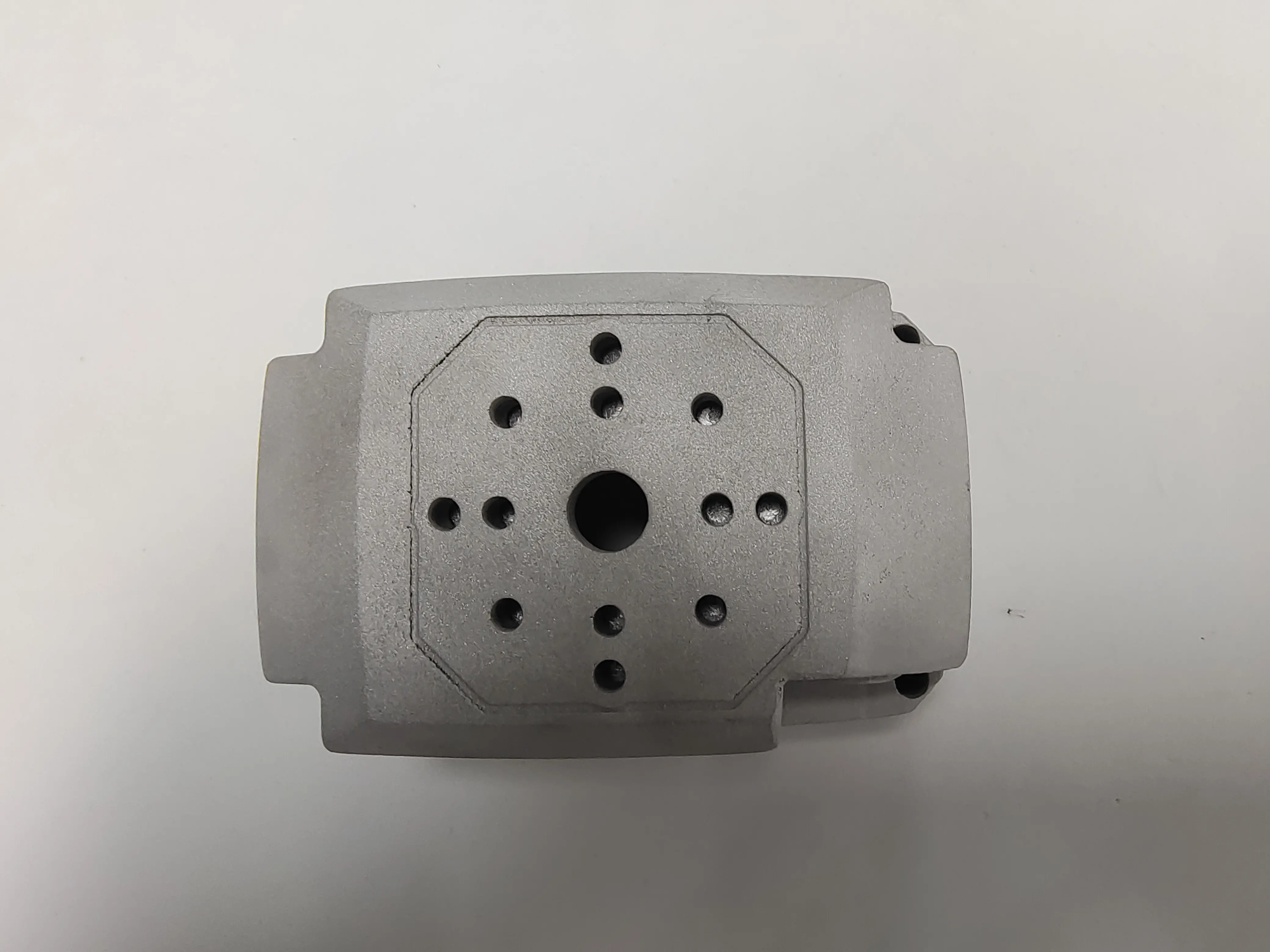
Traditional machining is limited by axes and tools. Additive manufacturing thrives where traditional simplicity fails. Need optimized punch profiles for complex aerospace trim pieces? Molds with internal conformal cooling ducts to prevent thermal deformation during high-volume bending? Or a dedicated radius tool for unique cylindrical segments? This becomes feasible. Engraving geometries that cannot be achieved by machining are now the norm.
2. Significantly shorten delivery time:
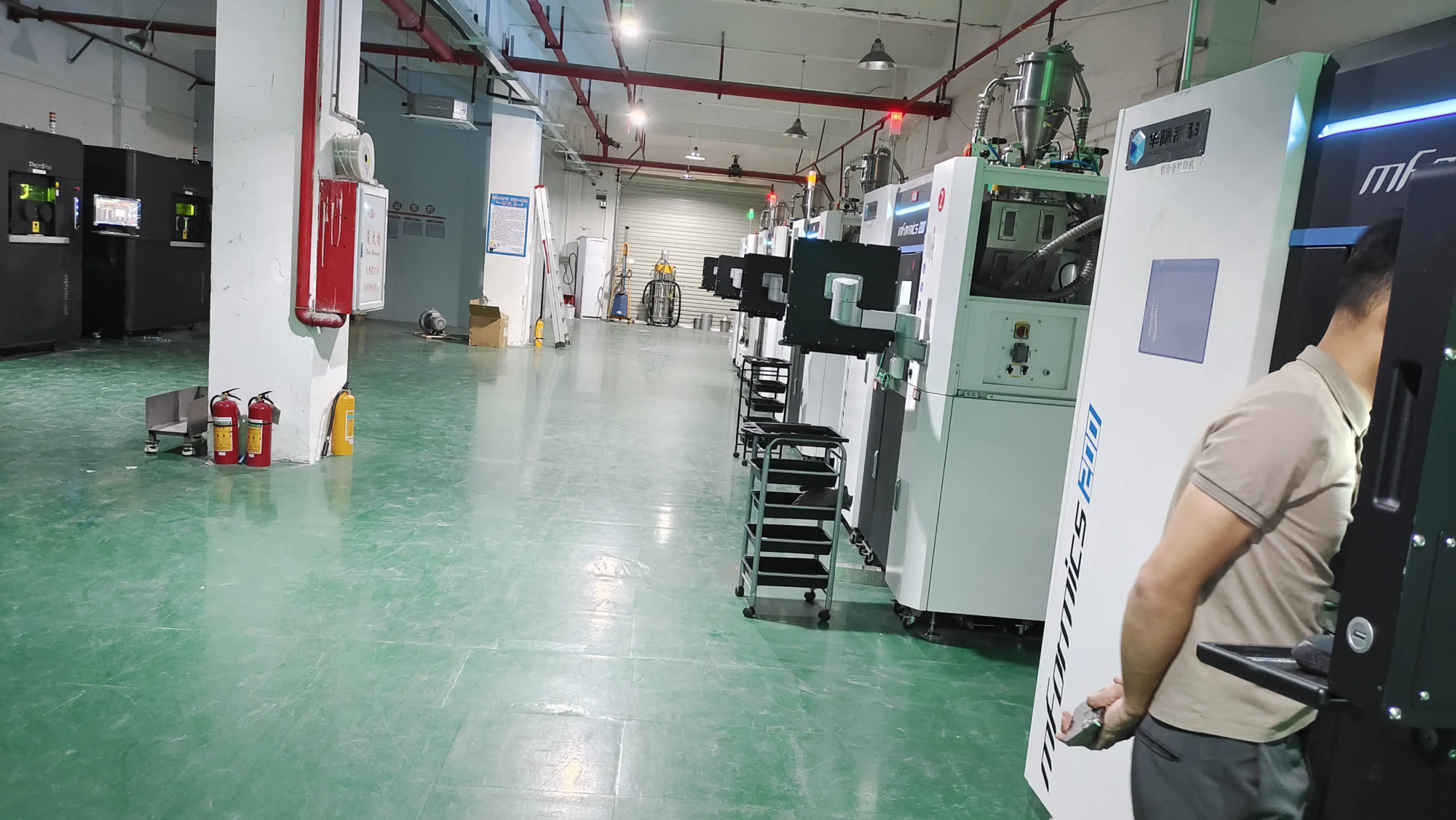
The forging, milling and finishing of steel tools often takes weeks or months. Through metal 3D printing (especially laser powder bed fusion such as SLM), fully functional bending dies/punches are available within a few daysincreasing the turnover speed by 70-90%. As a result, project progress was significantly accelerated and seamlessly aligned with lean manufacturing goals.
3. Cost optimization – beyond initial savings:
Yes,initial cost reduction tool costs Low/medium volume sales dropped significantly. But 3D printing can bring broader economic synergies:
- Inventory management: Print on demand minimizes warehouse logistics expenses.
- Design evolution: Allows design iteration without investment commitment and obsolescence